Key Takeaways
-
Seek trauma-focused Cognitive Behavioral Therapy (CBT) within the first 3 days to 1 month after trauma, as early intervention significantly reduces the risk of ASD progressing to PTSD.
-
Trauma-focused CBT is the gold standard treatment for ASD, typically requiring 5-6 sessions of 90 minutes each, including exposure therapy—not medication alone as a primary approach.
-
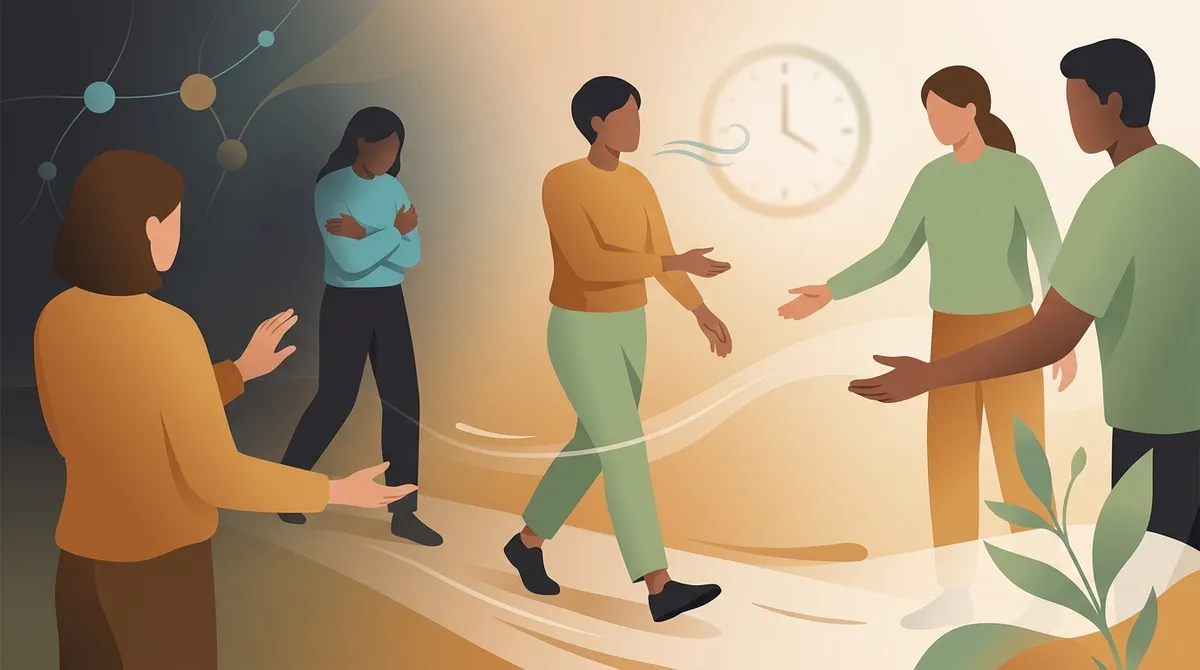
Avoid isolating after trauma; maintain social connections and attend support groups, as isolation deepens emotional pain and delays recovery through loss of nervous system regulation.
-
Do not skip or fear trauma-focused therapy due to anxiety; research shows exposure therapy within CBT significantly reduces PTSD risk compared to other approaches like cognitive restructuring alone.
-
Integrate physical self-care practices like consistent sleep schedules, balanced nutrition, daily movement, and controlled breathing exercises, as mental and physical health are deeply interconnected during recovery.
-
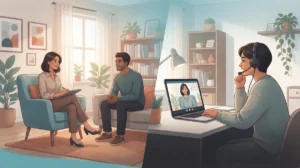
Consider telehealth therapy as a viable, research-supported option if accessing in-person care is difficult, as virtual trauma-focused psychotherapy is equally effective when in-person sessions are unavailable.
Life can throw us curveballs we never see coming. A car accident, a sudden loss, a frightening event — these experiences can shake us to our core. If you have been feeling overwhelmed, on edge, or disconnected after a traumatic event, you may be dealing with Acute Stress Disorder (ASD). The good news? Help is available, and recovery is absolutely possible.
But here is the thing — many people make avoidable mistakes when seeking Brandon acute stress disorder treatment. These missteps can slow down healing or make symptoms worse. Whether you are in Brandon, Florida, or anywhere across the state, understanding what not to do is just as important as knowing the right steps to take. Let us walk through the most common pitfalls together, so you can move toward healing with confidence.
What Is Acute Stress Disorder?
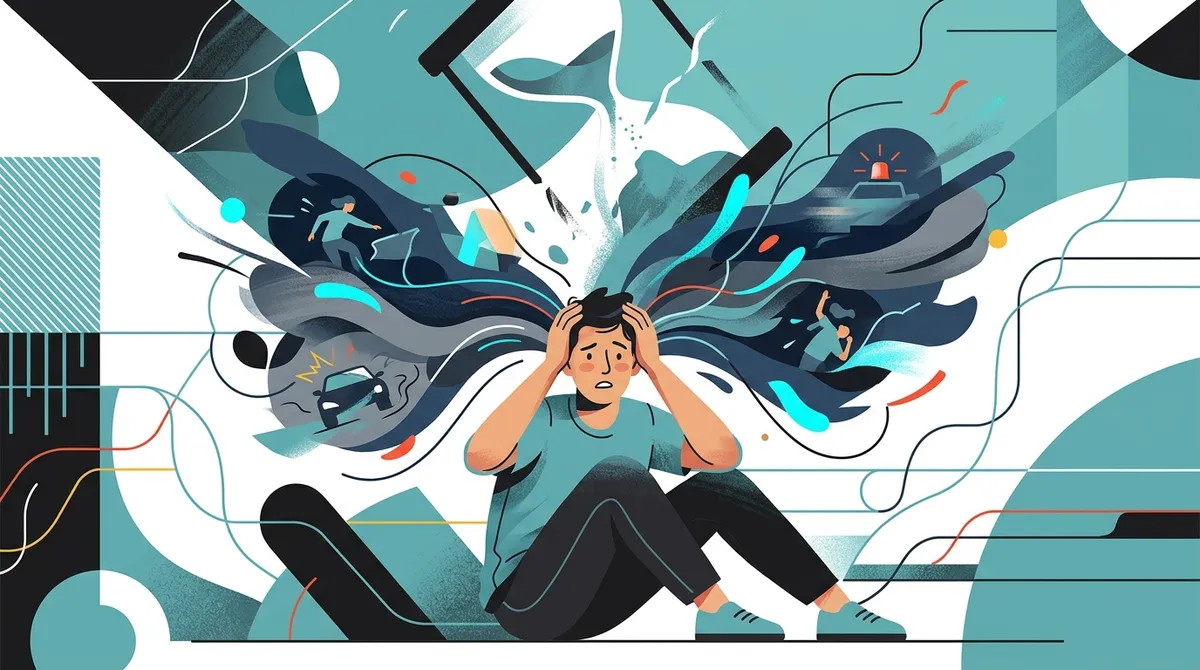
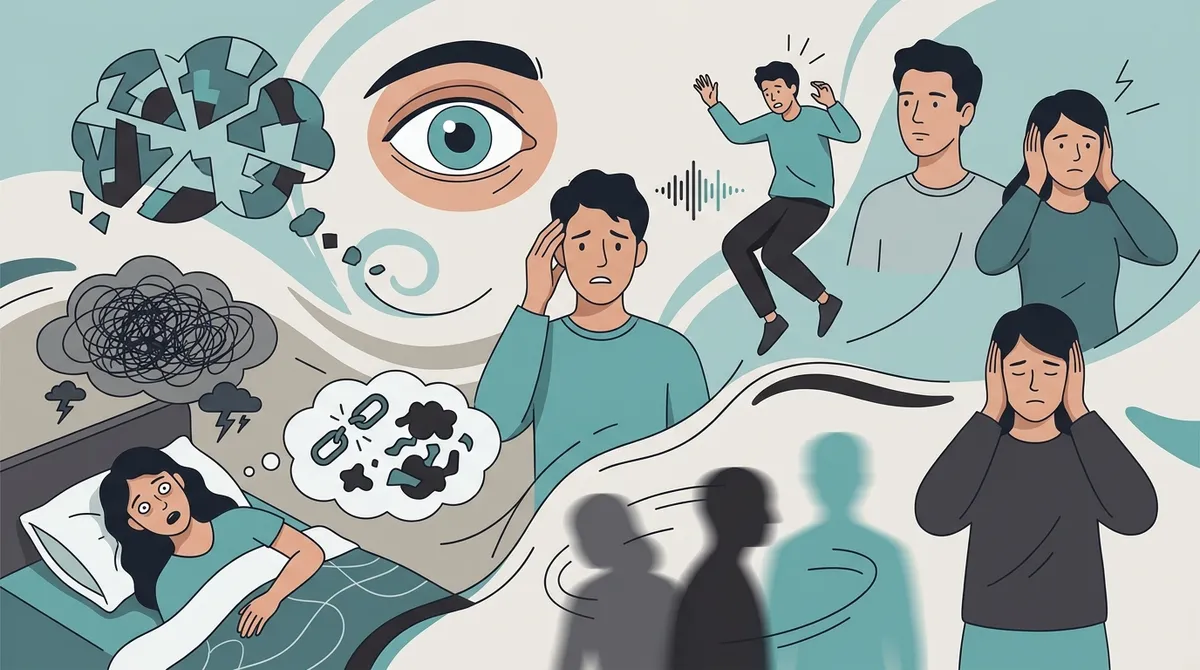
Before diving into the mistakes, let us quickly cover the basics. Acute Stress Disorder is a mental health condition that develops within 3 days to 1 month after experiencing a traumatic event. Symptoms include re-experiencing the trauma (like flashbacks), avoidance behaviors, and heightened anxiety or arousal.
ASD is different from Post-Traumatic Stress Disorder (PTSD), though they share many similarities. The key difference is timing — ASD occurs in that first month after trauma. If left untreated, ASD significantly increases the risk of developing PTSD. That is why early treatment matters so much. If you want to learn more about trauma and how it affects the mind and body, this resource on how to recognize and heal from psychological trauma is a great starting point.
Common Symptoms of Acute Stress Disorder
Recognizing ASD early makes a big difference. Here are the most common symptoms to watch for:
- Intrusive memories or flashbacks of the traumatic event
- Nightmares or disturbed sleep
- Feeling emotionally numb or detached
- Avoiding reminders of the trauma
- Hypervigilance or being easily startled
- Difficulty concentrating or thinking clearly
- Feelings of unreality or feeling “outside” of yourself
If these symptoms sound familiar, please know you are not alone — and these feelings are a normal response to an abnormal situation. Connecting with mental health support is one of the most courageous things you can do.
Mistake 1: Waiting Too Long to Seek Help
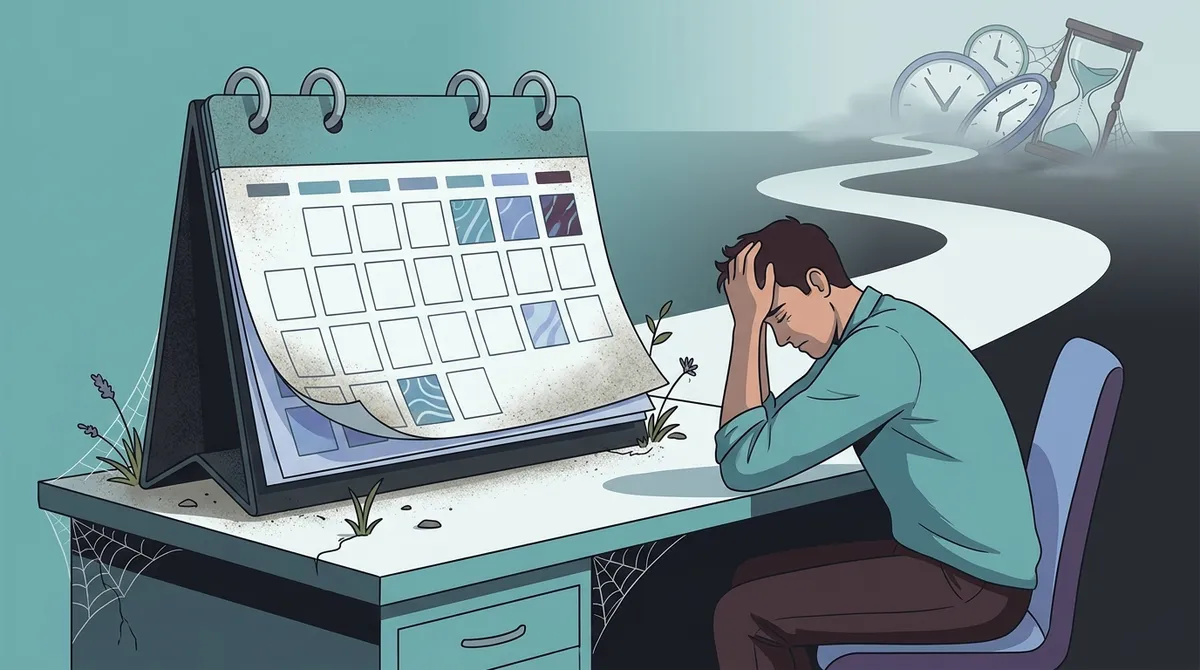
This is the biggest mistake people make. Many people think, “I will feel better in a few days.” Sometimes that is true. But when symptoms persist beyond three days and begin interfering with daily life, waiting can make things worse.
Prompt assessment is essential for preventing ASD from progressing into PTSD. The sooner you connect with a qualified therapist, the better your chances of a full recovery. Early intervention is not a sign of weakness — it is a sign of strength and self-awareness.
Mistake 2: Assuming Medication Alone Will Fix It
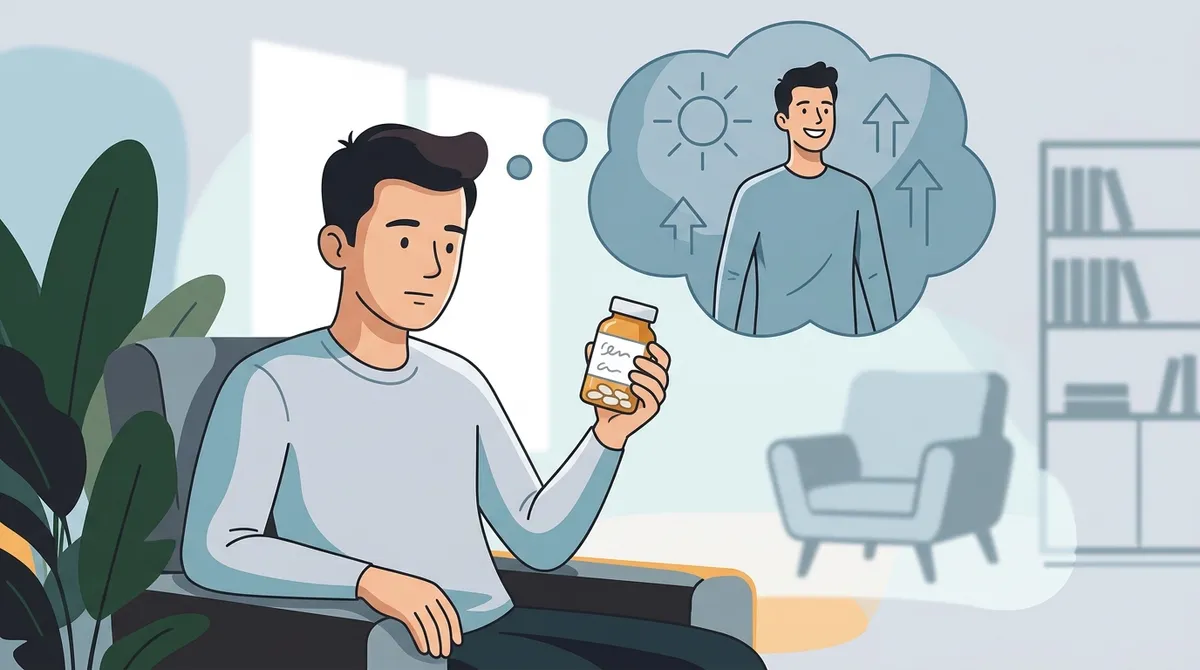
This is a common misconception. While some people wonder about medication for ASD, the research is clear. Pharmacotherapy does not have strong evidence as a primary treatment for Acute Stress Disorder. SSRIs like sertraline and paroxetine are FDA-approved for PTSD, but they are not the go-to first step for ASD.
The gold standard for Brandon acute stress disorder treatment is trauma-focused Cognitive Behavioral Therapy (CBT). This approach typically involves 5 to 6 sessions of approximately 90 minutes each. These sessions include:
- Psychoeducation — Learning about trauma responses and what ASD is
- Breathing retraining — Calming the nervous system through controlled breathing
- Cognitive restructuring — Challenging unhelpful thoughts about the trauma
- Imaginal exposure — Safely revisiting trauma memories in a controlled setting
- In vivo exposure — Gradually facing avoided situations in real life
If you are curious about how therapy can address anxiety and trauma symptoms together, exploring anxiety treatment options is a wonderful next step.
Mistake 3: Avoiding Trauma-Focused Therapy Because It Sounds Scary
We get it. The idea of talking about something traumatic can feel terrifying. Many people avoid trauma-focused therapy because they worry it will make them feel worse. This fear is understandable — but it often keeps people stuck.
Research consistently shows that exposure therapy within trauma-focused CBT significantly reduces the risk of developing PTSD compared to other approaches like cognitive restructuring alone. A skilled, compassionate therapist guides you through this process at a pace that feels manageable and safe. You are never pushed beyond what you can handle.
At West Florida Therapy, Margaret Deuerlein is a caring and experienced psychotherapist who specializes in trauma and stress-related concerns. She creates a warm, safe space where healing can truly begin. You can also explore trauma therapy options to see how this kind of support might work for you.
Mistake 4: Isolating Instead of Reaching Out
After a traumatic experience, pulling away from others can feel natural. But social withdrawal often deepens emotional pain and delays recovery. Isolation cuts you off from the support systems that help regulate your nervous system and restore your sense of safety.
Here are some healthy ways to stay connected during recovery:
- Reach out to a trusted friend or family member, even for a short call
- Attend a support group for trauma survivors
- Schedule regular therapy sessions so you have consistent, reliable support
- Practice small social interactions each day, even if they feel difficult
Connection is medicine. If in-person connection feels hard right now, telehealth therapy is a fantastic bridge. You can access care from the comfort of your own home through telehealth therapy in Florida.
Mistake 5: Ignoring Physical Health During Recovery
Mental and physical health are deeply connected. Neglecting your body while trying to heal your mind creates an uphill battle. Many people dealing with ASD experience disrupted sleep, appetite changes, and physical tension — and ignoring these symptoms slows recovery.
Here is a simple guide to physical self-care during ASD recovery:
| Self-Care Area | Why It Matters | Simple Action |
|---|---|---|
| Sleep | Trauma disrupts sleep cycles, increasing anxiety | Maintain a consistent sleep schedule |
| Nutrition | Stress depletes key nutrients affecting mood | Eat regular, balanced meals |
| Movement | Exercise reduces cortisol and stress hormones | Take a 20-minute walk daily |
| Breathing | Controlled breathing calms the nervous system | Practice diaphragmatic breathing twice daily |
| Hydration | Dehydration worsens anxiety and fatigue | Drink at least 8 glasses of water daily |
The Mental Health Resources from the CDC offer excellent guidance on integrating physical wellness into mental health recovery.
Mistake 6: Not Considering Telehealth as a Viable Option
Some people assume that if they cannot easily get to a therapist’s office, they just have to wait. That is simply not true anymore. Telehealth has transformed how people access mental health care — especially for trauma-related conditions.
Research shows that teleconferencing enables effective trauma-focused psychotherapy when in-person care is unavailable or inconvenient. This is especially important for individuals who experience anxiety about leaving home after a traumatic event. Virtual therapy can be just as powerful as in-person sessions, and in some cases, even more accessible and comfortable.
Whether you are in Brandon, Tampa, or anywhere across Florida, you can access quality care virtually. Check out what in-person therapy in Brandon, Florida looks like, or explore telehealth if that fits your lifestyle better. The Substance Abuse & Mental Health resources from Florida Families also highlight accessible care options statewide.
Mistake 7: Trying to White-Knuckle Through It Alone
This is perhaps the most heartbreaking mistake. Many people — especially those who pride themselves on being strong — try to simply push through ASD symptoms on their own. They tell themselves, “I should be over this by now” or “Other people have been through worse.”
Trauma does not work that way. ASD is a real, diagnosable condition that requires real support. Trying to manage it alone often leads to unhealthy coping strategies like substance use, emotional avoidance, or withdrawal — all of which increase PTSD risk.
Asking for help is not weakness. It is wisdom. If you are unsure where to start, the Mental Health Links from the Florida Department of Health can point you toward local and statewide resources.
Special Note for Military Personnel and Veterans
If you or someone you love serves in the military, it is worth knowing about the Brandon Act. Named after Petty Officer 3rd Class Brandon Caserta, who tragically died by suicide in 2018, this federal legislation was fully implemented across U.S. Military Departments by September 2023. It allows service members to confidentially request mental health evaluations through their commanders or supervisors.
The Brandon Act reduces stigma and empowers service members to seek early intervention for conditions like ASD and PTSD without fear of career consequences. If you are a veteran or active duty service member in Florida, this is an important resource to be aware of when exploring Brandon acute stress disorder treatment options.
Veterans dealing with mood-related challenges may also find helpful information through our page on mood issues and panic attacks.
What to Look for in a Therapist for Acute Stress Disorder
Not all therapy is the same. When searching for Brandon acute stress disorder treatment, here is what to look for in a qualified therapist:
- Training in trauma-focused CBT or EMDR (Eye Movement Desensitization and Reprocessing)
- Experience treating trauma, anxiety, and stress-related conditions
- A warm, non-judgmental approach that makes you feel safe
- Flexibility to offer in-person or telehealth sessions
- Bilingual services if English is not your first language
Margaret Deuerlein at West Florida Therapy checks all of these boxes. She offers EMDR treatment alongside traditional talk therapy, and she is bilingual in English and Spanish — making her services accessible to a wide range of clients across Florida. Visit us on Google to see reviews from real clients who have experienced her compassionate care firsthand.
It is also worth noting that maintaining overall wellness through all stages of life matters. Just as communities prioritize physical health — for example, how Segovia Orthodontics brings quality care to their patients — mental health deserves the same commitment and professional attention.
How the Therapy Process Works at West Florida Therapy
Starting therapy can feel like a big step, but the process is designed to feel manageable from day one. Here is what you can expect:
- A free 15-minute phone consultation to discuss your concerns and goals
- A personalized treatment plan built around your unique experiences and needs
- Weekly or bi-weekly sessions — in-person in Brandon or virtually across Florida
- Regular progress check-ins to celebrate growth and adjust the plan as needed
Flexible payment options are available, including Aetna, Cigna, Florida Blue, Optum, Oscar, and United Health Care. Out-of-pocket payments are also accepted via major credit cards, HSA, and FSA accounts. Learn more about our process to get started with confidence.
You Deserve to Heal
Acute Stress Disorder does not have to define your story. With the right support, the right therapist, and the right approach, healing is not just possible — it is probable. Avoiding the mistakes outlined above puts you on a much clearer path toward recovery and resilience.
Whether you are in Brandon, anywhere in Florida, or simply looking for a caring, bilingual therapist who truly listens — West Florida Therapy is here for you. You do not have to carry this weight alone. Take that first courageous step today and reach out to our team to schedule your free consultation. Healing starts with a single conversation.
FAQs
Q: What is Acute Stress Disorder and how is it different from PTSD?
A: Acute Stress Disorder (ASD) is a trauma-related condition that develops within 3 days to 1 month after a traumatic event. PTSD, on the other hand, is diagnosed when symptoms last longer than one month. The good news is that getting treatment for ASD early significantly reduces your risk of developing PTSD!
Q: What is the best treatment for Acute Stress Disorder in Brandon, FL?
A: The gold standard for Acute Stress Disorder treatment is trauma-focused Cognitive Behavioral Therapy (CBT), which typically involves 5 to 6 sessions. This approach includes psychoeducation, breathing techniques, cognitive restructuring, and exposure therapy. At West Florida Therapy in Brandon, FL, Margaret Deuerlein offers compassionate, evidence-based trauma therapy in-person and via telehealth.
Q: Can I access Acute Stress Disorder treatment online in Florida?
A: Absolutely! Telehealth therapy is a highly effective option for ASD treatment, and West Florida Therapy offers virtual sessions to all Florida residents. Research confirms that trauma-focused therapy delivered via teleconferencing is just as effective as in-person care, making it a great option if getting to an office feels challenging right now.
Q: How long does it take to recover from Acute Stress Disorder?
A: Many people see meaningful improvement within 5 to 6 sessions of trauma-focused CBT, which is typically completed over a few weeks. Recovery looks different for everyone, and a personalized treatment plan ensures you progress at a pace that feels right for you. Early intervention is the key to faster, more complete healing.
Q: Does West Florida Therapy offer bilingual services for Acute Stress Disorder treatment?
A: Yes! West Florida Therapy proudly offers bilingual therapy services in both English and Spanish. Margaret Deuerlein understands that healing is most powerful when it happens in the language you feel most comfortable using, and she is committed to making care accessible to all Florida residents.