

Key Takeaways
-
Functional depression involves maintaining daily responsibilities while experiencing persistent low mood and exhaustion.
-
Recognize key warning signs like chronic fatigue, loss of interest in activities, and persistent negative thinking.
-
Seek professional help from a therapist specializing in depression treatment for personalized support and strategies.
-
Implement daily self-care practices including regular exercise, consistent sleep, and mindfulness meditation.
-
Consider medication evaluation with a psychiatrist to help balance brain chemistry and reduce depressive symptoms.
-
Build a supportive network of understanding friends, family, or support groups who can provide emotional validation.
-
Address potential substance use issues simultaneously, as functional depression often co-occurs with coping mechanisms.
Have you ever felt like you’re going through the motions of life—showing up to work, meeting your responsibilities, maintaining relationships—while feeling empty inside? You’re not alone. Functional depression affects millions of people who appear successful on the outside but struggle silently with persistent sadness, low energy, and loss of joy. Unlike what many imagine when they think of depression, functional depression doesn’t always keep you in bed or prevent you from completing daily tasks. Instead, it’s like paddling furiously beneath the water’s surface while appearing calm above.
In 2026, more people are recognizing that depression isn’t always obvious. Functional depression, often linked to persistent depressive disorder, describes a condition where individuals experience chronic depressive symptoms for at least two years but continue functioning in their daily lives. This guide will help you understand what functional depression looks like, how to recognize it in yourself or loved ones, and what steps you can take toward healing and recovery.
Understanding functional depression is the first step toward getting help. At West Florida Therapy, we’ve worked with many individuals who’ve struggled with this hidden form of depression, and we know that recovery is possible with the right support and treatment.

What Is Functional Depression and How Does It Differ from Other Types?
Functional depression, also called high-functioning depression, isn’t an official diagnosis in the DSM-5. However, mental health professionals use this term to describe people experiencing persistent depressive symptoms while maintaining their external responsibilities. Think of it as wearing a mask—you show the world that everything is fine while feeling exhausted and hopeless inside.
The medical term most closely associated with functional depression is persistent depressive disorder (PDD), previously known as dysthymia. This condition involves depressive symptoms lasting at least two years but with less severity than major depressive disorder. However, some people with functional depression actually experience major depressive symptoms—they’ve just become experts at hiding them.
Major depressive disorder impacts 21 million Americans each year. While major depression often causes significant impairment in daily functioning, functional depression allows people to continue their routines despite feeling persistently low. The key difference isn’t the intensity of suffering—it’s the ability to mask symptoms and push through despite internal struggles.
Key Characteristics of Functional Depression
Functional depression shares many symptoms with other forms of depression but with one critical distinction: you’re still able to meet your basic obligations. Here are the defining features:
- Persistent low mood and sadness that doesn’t completely prevent daily activities
- Chronic fatigue and low energy despite adequate sleep
- Loss of interest in hobbies and activities you once enjoyed
- Ability to maintain work performance and relationships while feeling empty inside
- Functioning on autopilot rather than with genuine engagement
- Internal struggle that others rarely notice
People with functional depression often describe feeling like they’re “hanging on by a thread” or “barely keeping it together.” From the outside, they appear successful and capable. Inside, every day feels like an enormous effort.

Recognizing the Seven Warning Signs of Functional Depression
Identifying functional depression can be challenging because the symptoms are often subtle and easily dismissed as stress or normal life challenges. However, recognizing these warning signs is crucial for getting help before the condition worsens. Let’s explore the key indicators that you or someone you care about might be experiencing functional depression.
1. Persistent Low Energy and Fatigue
One of the most common signs is feeling constantly tired, no matter how much rest you get. You might sleep eight hours but wake up feeling exhausted. Simple tasks that used to be easy now require significant effort. This isn’t the same as occasional tiredness—it’s a chronic sense of depletion that affects every aspect of your life. You might find yourself relying heavily on coffee or energy drinks just to get through the day, yet the exhaustion never truly lifts.
2. Loss of Interest and Pleasure
Activities that once brought joy now feel like obligations. Whether it’s spending time with friends, pursuing hobbies, or engaging in favorite pastimes, nothing seems appealing anymore. You might go through the motions of social activities or recreational pursuits, but the genuine enjoyment is missing. This symptom, called anhedonia, is a hallmark of depression and particularly noticeable in functional depression because you continue participating while feeling emotionally disconnected.
3. Difficulty Concentrating and Making Decisions
Functional depression often clouds your thinking. You might find yourself rereading the same paragraph multiple times, struggling to focus during meetings, or taking much longer to complete tasks that used to be straightforward. Decision-making becomes overwhelming, even for minor choices. Should you order chicken or fish? Which project should you tackle first? These small decisions feel monumental when you’re experiencing functional depression, leading to decision fatigue and procrastination.
4. Changes in Sleep Patterns
Sleep disturbances are a key indicator of functional depression. Some people experience insomnia, lying awake with racing thoughts or simply unable to fall asleep despite feeling exhausted. Others sleep excessively, using sleep as an escape from uncomfortable feelings. You might also experience poor sleep quality—tossing and turning, waking frequently, or having vivid, disturbing dreams that leave you feeling unrested.
5. Irritability and Mood Changes
Depression doesn’t always look like sadness. Many people with functional depression experience irritability, short temper, and frustration. Small inconveniences that wouldn’t normally bother you might trigger strong reactions. You might snap at loved ones, feel impatient with coworkers, or become easily annoyed by everyday situations. This irritability often masks the underlying sadness and hopelessness you’re experiencing.
6. Feelings of Hopelessness and Low Self-Worth
Persistent negative thoughts characterize functional depression. You might feel like nothing will ever get better, that you’re not good enough, or that your efforts don’t matter. These thoughts often involve harsh self-criticism and a sense of inadequacy. Despite external achievements and accomplishments, you feel like a fraud or believe you’re constantly falling short. This low self-esteem can be particularly confusing when your life looks successful from the outside.
7. Physical Symptoms Without Clear Medical Cause
Functional depression often manifests physically. You might experience frequent headaches, digestive issues, muscle tension, or unexplained aches and pains. These somatic complaints are real—not imagined—but medical tests often come back normal because the root cause is psychological rather than physical. Some people also experience changes in appetite, either eating significantly more or less than usual, leading to weight fluctuations.

Understanding the Connection Between Functional Depression and Substance Use
An important aspect of functional depression that often goes unaddressed is its connection to substance use. Many people experiencing chronic depressive symptoms turn to alcohol, prescription medications, or other substances as a way to cope with their emotional pain. This self-medication might provide temporary relief but ultimately worsens depression and creates additional problems.
Research shows that functional depression frequently co-occurs with substance use disorders. When someone is struggling with both conditions simultaneously, mental health professionals call this a dual diagnosis. The relationship works both ways—depression can lead to substance use as a coping mechanism, and substance use can trigger or worsen depressive symptoms. This creates a difficult cycle where each condition reinforces the other.
Recognizing this connection is crucial for effective treatment. If you’re using alcohol to unwind every evening, relying on prescription medications beyond their intended use, or experimenting with other substances to feel better, it’s important to address both issues together. Treating only one condition while ignoring the other rarely leads to lasting recovery. Integrated treatment approaches that address both mental health concerns and substance use simultaneously offer the best outcomes.
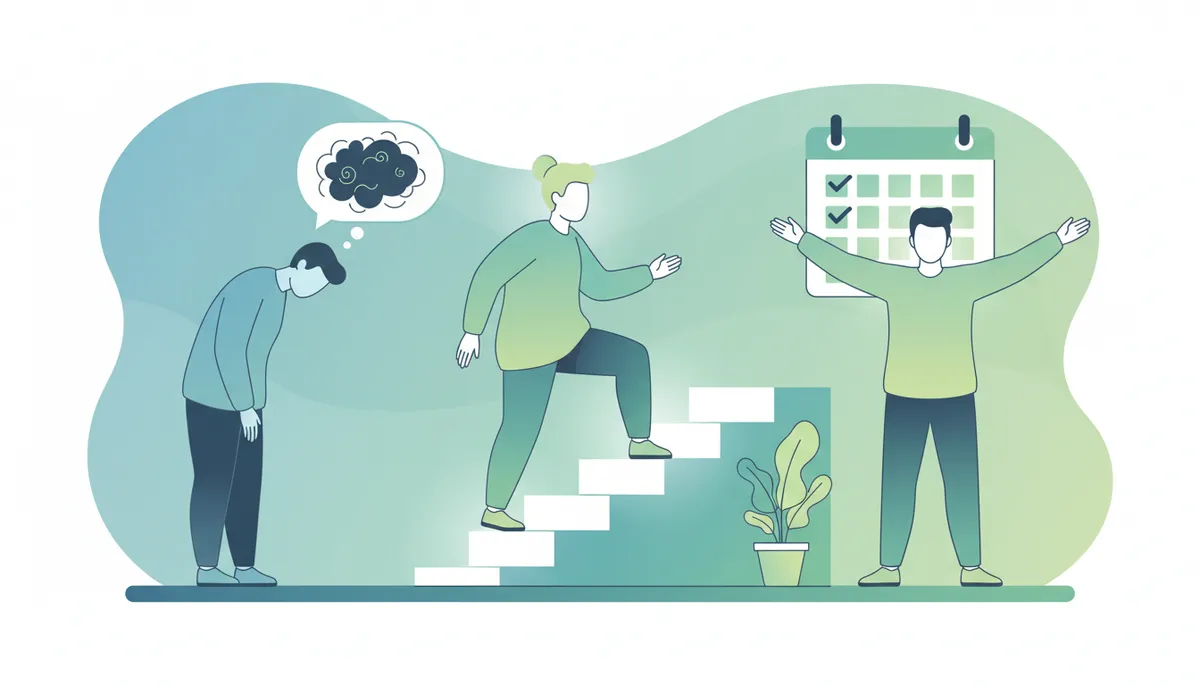
How to Take Action: Steps Toward Managing Functional Depression
Recognizing functional depression is the first step, but taking action to address it is where real change begins. Here’s a practical roadmap for managing functional depression and moving toward recovery.
Step 1: Acknowledge What You’re Experiencing
The first and most important step is acknowledging that what you’re experiencing is real and valid. Many people with functional depression dismiss their symptoms because they’re “still functioning.” They tell themselves they should be grateful, that others have it worse, or that they’re just being dramatic. This self-dismissal keeps you stuck in suffering.
Give yourself permission to recognize that functional depression is still depression. Just because you’re managing your responsibilities doesn’t mean you’re not struggling or that you don’t deserve help. Your internal experience matters just as much as your external achievements. Write down what you’ve been feeling, talk to a trusted friend, or simply say out loud: “I’m struggling, and that’s okay.”
Step 2: Reach Out to a Mental Health Professional
Professional support is essential for managing functional depression. While self-help strategies can be beneficial, working with a trained therapist provides personalized guidance and evidence-based treatment. A mental health professional can help you understand your specific symptoms, identify underlying causes, and develop effective coping strategies tailored to your situation.
West Florida Therapy offers individual therapy services specifically designed to help adults and adolescents navigate depression and related challenges. Whether you prefer in-person sessions or virtual therapy across Florida, professional support can make a significant difference in your recovery journey. Many people find that therapy provides a safe space to explore difficult emotions without judgment while learning practical tools for managing symptoms.
Therapy approaches that are particularly effective for functional depression include cognitive-behavioral therapy (CBT), which helps you identify and change negative thought patterns, and interpersonal therapy (IPT), which focuses on improving relationships and communication skills. Your therapist will work with you to determine the best approach for your unique needs.
Step 3: Consider Medication Evaluation
For many people with functional depression, particularly those with persistent depressive disorder, medication can be an important part of treatment. Antidepressants help balance brain chemistry and can significantly reduce depressive symptoms. This doesn’t mean you’re weak or that you’ve failed—it means you’re using all available tools to support your mental health.
If you’re considering medication, consult with a psychiatrist or your primary care physician who can evaluate your symptoms and discuss medication options. Antidepressants typically take several weeks to show full effects, and finding the right medication and dosage may require some trial and adjustment. Medication works best when combined with therapy and lifestyle changes, creating a comprehensive treatment approach.
Be patient with this process. It’s common to try different medications or dosages before finding what works best for you. Stay in close communication with your prescribing doctor about any side effects or concerns, and never stop taking prescribed medication without professional guidance.
Step 4: Implement Daily Self-Care Practices
While professional treatment is essential, daily self-care practices provide additional support for managing functional depression. These aren’t replacements for therapy or medication, but they complement professional treatment and help you build resilience.
Consider incorporating these evidence-based self-care strategies into your routine:
- Regular physical exercise: Even 20-30 minutes of moderate activity most days can significantly improve mood and energy levels
- Consistent sleep schedule: Go to bed and wake up at the same times daily to regulate your body’s internal clock
- Mindfulness and meditation: Practice being present in the moment without judgment, which reduces rumination and negative thinking
- Social connection: Maintain regular contact with supportive friends and family, even when you don’t feel like socializing
- Healthy nutrition: Eat regular, balanced meals that support stable blood sugar and brain function
- Limit alcohol and caffeine: Both substances can worsen depression symptoms and disrupt sleep patterns
- Engage in meaningful activities: Schedule time for activities that align with your values, even if you don’t feel motivated initially
Step 5: Build a Support Network
Recovery from functional depression is easier with support from others who understand what you’re experiencing. This might include trusted friends and family members, support groups for people with depression, or online communities where you can connect with others facing similar challenges.
Be selective about who you share your struggles with. Choose people who are supportive, non-judgmental, and willing to listen without trying to “fix” you or dismiss your feelings. Sometimes the most helpful thing someone can do is simply acknowledge your pain and sit with you in it.
If you’re in a relationship, consider couples therapy to help your partner understand what you’re going through and learn how to support you effectively. Functional depression affects not just the individual but also their closest relationships, and working together can strengthen your connection while addressing the challenges depression presents.
Step 6: Monitor Your Progress and Adjust as Needed
Recovery from functional depression isn’t linear. You’ll have good days and difficult days, periods of improvement and temporary setbacks. This is completely normal and doesn’t mean you’re failing or that treatment isn’t working.
Keep track of your mood, energy levels, and symptoms in a journal or mood-tracking app. This helps you identify patterns, recognize triggers, and notice gradual improvements that might not be obvious day-to-day. Share this information with your therapist to help guide treatment decisions.
Be willing to adjust your approach if something isn’t working. If a particular therapy technique doesn’t resonate with you, discuss alternatives with your therapist. If a medication isn’t helping or causes problematic side effects, talk to your doctor about options. Your treatment plan should evolve based on your experiences and needs.
Understanding the Long-Term Impact of Untreated Functional Depression
Many people with functional depression delay seeking help because they’re “managing” their symptoms. However, leaving functional depression untreated can lead to serious long-term consequences that extend far beyond feeling sad or tired.
Untreated functional depression often worsens over time. What starts as mild, persistent symptoms can gradually intensify into major depressive episodes. The chronic stress of managing depression while maintaining daily responsibilities also takes a physical toll, increasing risk for cardiovascular disease, weakened immune function, and other health problems.
Relationships suffer when functional depression goes unaddressed. Even though you’re showing up physically, emotional disconnection creates distance between you and loved ones. Partners, friends, and family members often sense something is wrong but don’t know how to help, leading to frustration and misunderstanding on both sides.
Career and personal goals also suffer from untreated functional depression. While you might maintain baseline performance, you’re not operating at your full potential. Creative thinking, problem-solving, and motivation all diminish with depression, limiting professional growth and personal fulfillment.
Perhaps most importantly, living with untreated functional depression means missing out on genuine joy and satisfaction in life. You deserve to feel engaged, energized, and hopeful about your future—not just to go through the motions while feeling empty inside.
Creating a Personalized Action Plan for Managing Functional Depression
Now that you understand functional depression and the steps for addressing it, it’s time to create your personalized action plan. Everyone’s experience with depression is unique, so your path to recovery will be tailored to your specific needs, circumstances, and goals.
| Action Step | Timeline | Resources Needed |
|---|---|---|
| Schedule initial therapy consultation | Within 1 week | Insurance information, therapist directory, contact information |
| Begin regular therapy sessions | Within 2 weeks | Weekly time commitment, transportation or internet access |
| Consult with doctor about medication | Within 2-4 weeks | Medical records, symptom journal, list of current medications |
| Establish daily self-care routine | Start immediately, refine over 1 month | Exercise equipment or gym access, meditation apps, sleep tracking tools |
| Build support network | Ongoing, initiate within 2 weeks | Support group information, trusted contacts, online community access |
| Regular progress check-ins | Weekly initially, then monthly | Mood tracking journal, calendar for appointments, honest self-assessment |
Start with the most manageable step for your current situation. For many people, that means reaching out to a therapist or talking to their doctor. Don’t try to implement everything at once—sustainable change happens gradually through consistent small steps rather than overwhelming overhauls.
Special Considerations for Different Life Situations
Functional depression affects people across all ages and life stages, but the specific challenges and considerations vary depending on your circumstances. Let’s explore how functional depression manifests and can be addressed in different situations.
Adolescents and Young Adults
For teenagers and young adults, functional depression often gets dismissed as typical teenage moodiness or the stress of transitioning to adulthood. However, persistent symptoms that interfere with school performance, social relationships, or personal development warrant professional attention.
Adolescents with functional depression might maintain good grades and participate in activities while secretly feeling overwhelmed by anxiety, inadequacy, or hopelessness. Academic and social pressures in 2026 are intense, and many young people struggle silently rather than reaching out for help.
If you’re a young person experiencing these symptoms, or if you’re concerned about an adolescent in your life, therapy specifically designed for younger individuals can provide age-appropriate support. Virtual therapy options make it easier for busy students to access care without scheduling conflicts.
Working Professionals
For career-focused adults, functional depression often manifests as burnout, decreased job satisfaction, and difficulty maintaining work-life balance. You might excel professionally while your personal life and self-care fall by the wayside.
The challenge for working professionals is finding time for treatment while managing job responsibilities. Many people worry about taking time off for therapy appointments or fear that seeking help might impact their career. However, addressing functional depression actually improves work performance, creativity, and leadership abilities over time.
Consider scheduling therapy sessions during lunch breaks, early mornings, or after work. Virtual therapy offers particular flexibility for professionals with demanding schedules, allowing you to access care from home or a private space.
Couples and Relationships
When one or both partners experience functional depression, relationship problems often emerge. Communication breaks down, intimacy suffers, and both partners feel disconnected and frustrated.
Depression doesn’t just affect the individual experiencing it—it impacts the entire relationship system. Partners of people with functional depression often feel helpless, confused about how to help, or resentful about shouldering extra responsibilities.
Addressing functional depression within the context of your relationship through specialized therapy can strengthen your connection while treating the underlying condition. Both individual therapy for the person with depression and couples work can be beneficial, helping you navigate challenges together while maintaining your bond.
Moving Forward: Your Next Steps Toward Recovery
Understanding functional depression is an important first step, but knowledge alone doesn’t create change. Taking action—even small, imperfect action—is what leads to recovery and renewed well-being.
Remember that seeking help isn’t a sign of weakness or failure. It’s a courageous decision to prioritize your mental health and reclaim the joy and vitality you deserve. Millions of people successfully manage depression and go on to live fulfilling, meaningful lives. You can be one of them.
The journey through functional depression toward recovery isn’t always easy, but you don’t have to walk it alone. Professional support, combined with personal commitment to your healing, creates powerful momentum toward lasting change. Margaret Deuerlein and the team at West Florida Therapy understand the unique challenges of functional depression and provide compassionate, effective care tailored to your individual needs.
Whether you’re struggling with persistent low mood, feeling disconnected from activities you once loved, or simply know that something isn’t quite right despite appearing successful on the outside, reaching out for support is a positive step. Bilingual services in English and Spanish are available, with both in-person and virtual therapy options throughout Florida to fit your preferences and schedule.
Don’t wait until functional depression worsens or begins significantly impacting your life. Early intervention leads to better outcomes and prevents the condition from becoming more entrenched. You deserve to feel engaged, hopeful, and genuinely happy—not just to function while struggling silently inside.
Take the first step today by reaching out to schedule an initial consultation. Recovery is possible, support is available, and a brighter future is within reach. You’ve already shown strength by learning about functional depression and recognizing your experience in these pages. Now let that knowledge guide you toward the help and healing you deserve. For more information about our approach to supporting individuals with depression and related challenges, visit us on Google to learn more about how we can help you on your journey toward wellness.
Your mental health matters. Your internal experience is just as important as your external accomplishments. And most importantly, you don’t have to keep paddling frantically beneath the surface while appearing calm above. With the right support, you can find genuine peace, both inside and out.
FAQs
Q: What are the main symptoms of functional depression?
A: The main symptoms include persistent low mood, chronic fatigue, loss of interest in activities, difficulty concentrating, sleep disturbances, irritability, and feelings of hopelessness—all while maintaining daily responsibilities. Unlike major depression, people with functional depression continue working and fulfilling obligations despite experiencing these symptoms internally.
Q: How does functional depression differ from major depressive disorder?
A: Functional depression and major depressive disorder share similar symptoms, but the key difference is in daily functioning. People with functional depression maintain their work, relationships, and responsibilities despite feeling persistently low, while major depression typically causes significant impairment in these areas. However, both conditions are serious and deserve professional treatment.
Q: Is functional depression a formal medical diagnosis?
A: No, functional depression isn’t an official DSM-5 diagnosis. It’s a term mental health professionals use to describe people experiencing persistent depressive symptoms while maintaining daily functioning. The closest formal diagnosis is persistent depressive disorder (PDD), which involves chronic but less severe depression lasting at least two years.
Q: Can functional depression be treated effectively?
A: Yes, functional depression responds well to treatment combining therapy, medication, and lifestyle changes. Cognitive-behavioral therapy helps change negative thought patterns, while antidepressants can balance brain chemistry. With professional support and personal commitment, most people experience significant improvement and can move beyond just functioning to genuinely thriving.
Q: When should I seek professional help for functional depression?
A: You should seek help when depressive symptoms persist for several weeks or months, even if you’re still managing daily responsibilities. Don’t wait until symptoms worsen significantly. Early intervention leads to better outcomes and prevents the condition from becoming more deeply rooted. If you’re questioning whether your experience warrants professional support, that’s usually a sign it’s time to reach out.