Key Takeaways
-
Finding a mental health counselor is more accessible now with both in-person and virtual therapy options available.
-
Insurance typically covers mental health services, with about 97% of plans offering some level of support for counseling.
-
Look for licensed professionals like Mental Health Counselors (LMHC), Clinical Social Workers (LCSW), or Psychologists who specialize in your specific needs.
-
Signs you might need counseling include persistent sadness, overwhelming anxiety, difficulty managing stress, or major life transitions.
-
Use multiple search methods like insurance directories, online therapist platforms, personal recommendations, and state licensing boards to find the right counselor.
-
Ask potential counselors about their experience, therapeutic approach, session costs, and availability during an initial consultation.
-
Average therapy costs range from $75-$200 per session, but many providers offer sliding scale fees based on income.
Finding the right mental health counseling near you can feel overwhelming. You know you need support, but where do you start? With over 23% of U.S. adults experiencing mental illness annually in 2026, you’re definitely not alone in your search. The good news is that mental health services are more accessible than ever before, with both in-person and virtual options available right in your community.
The mental health landscape has changed dramatically over the past few years. Today, finding quality counseling means you have more choices than your parents or grandparents ever had. Whether you’re dealing with anxiety, depression, relationship struggles, or just feeling stuck in life, local counseling services can provide the personalized support you need. This guide will help you understand your options, know what to look for, and take those important first steps toward better mental health.
Let’s explore how to find the perfect mental health counselor near you, what to expect from your first session, and how to make the most of your therapy experience in 2026.
Understanding Mental Health Counseling in Your Area
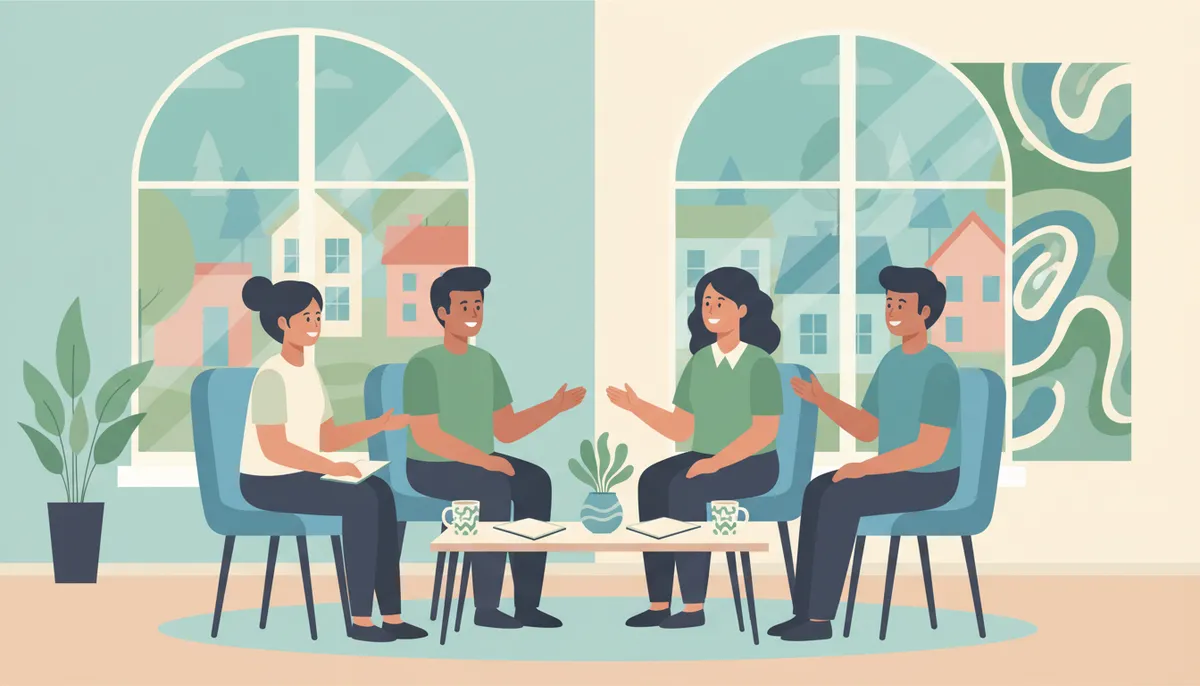
Mental health counseling is a collaborative process where you work with a trained professional to address emotional challenges, develop coping skills, and improve your overall wellbeing. Think of it as having a knowledgeable guide who helps you navigate life’s difficult moments. Your counselor creates a safe, judgment-free space where you can talk openly about what’s bothering you.
The field is growing rapidly because more people recognize the value of mental health support. Employment for mental health counselors is projected to grow 18-19% from 2023 to 2033, which is much faster than most other careers. This growth means more counselors are available in your community, giving you better access to help when you need it.
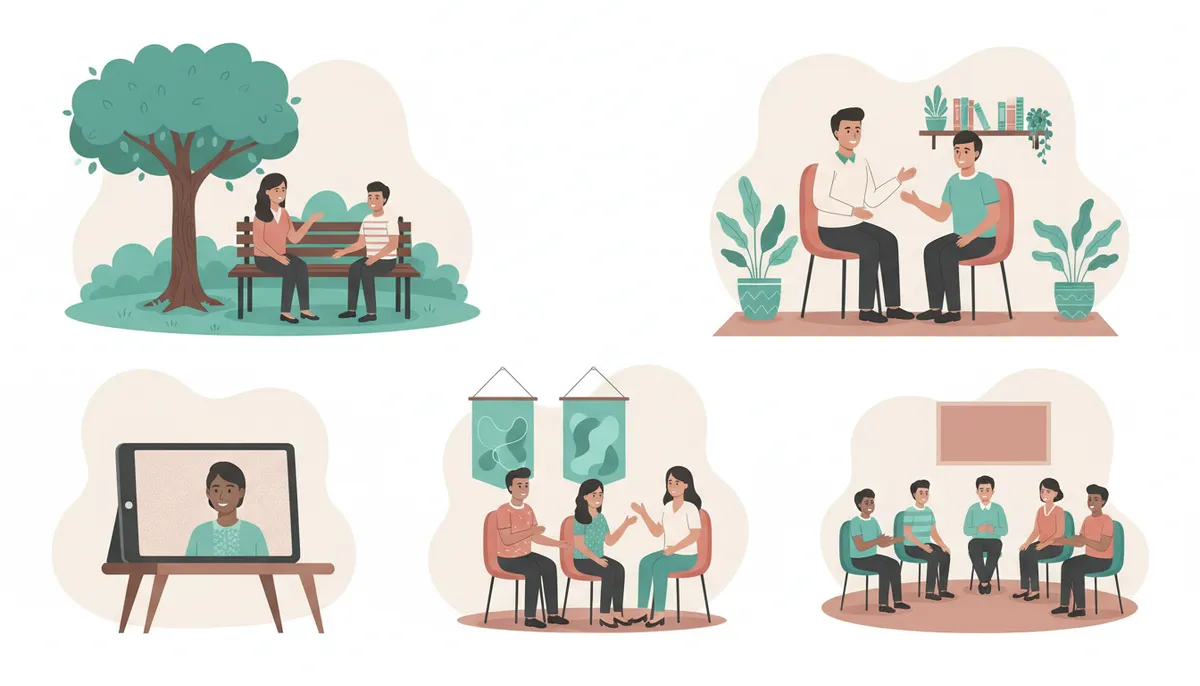
In 2026, mental health counseling comes in many forms. You can meet with someone face-to-face in their office, connect through video calls from your home, or even combine both approaches. Professional therapy services now offer flexibility that fits your schedule and comfort level. The key is finding what works best for your unique situation and personal preferences.
Types of Mental Health Counselors Available Locally
Not all mental health professionals are the same, and understanding the differences helps you find the right fit. Each type of counselor has specific training and areas of focus. Here are the main types you’ll encounter when searching for mental health counseling near you:
Licensed Mental Health Counselors (LMHC)
These professionals have master’s degrees and thousands of supervised clinical hours. They specialize in treating various mental health conditions including anxiety, depression, and stress. LMHCs use evidence-based approaches to help you work through emotional challenges and develop healthier thought patterns. They’re often your best choice for individual therapy focused on personal growth and symptom management.
Licensed Clinical Social Workers (LCSW)
Social workers bring a unique perspective that considers your entire life situation. They look at how your environment, relationships, and community affect your mental health. LCSWs can help with therapy and also connect you with community resources like housing assistance, support groups, or financial services. They’re particularly helpful if you’re dealing with multiple life stressors at once.
Psychologists
Psychologists hold doctoral degrees and can provide psychological testing and diagnosis in addition to therapy. They’re excellent for complex cases or when you need a comprehensive evaluation. Many psychologists specialize in specific approaches like cognitive behavioral therapy or trauma-focused treatment. They tend to take a research-based approach to understanding and treating mental health conditions.
Marriage and Family Therapists (MFT)
If relationship issues are part of your struggle, MFTs specialize in how relationships affect mental health. They’re trained to work with couples and families, helping improve communication and resolve conflicts. Even if you’re coming alone, an MFT can help you understand relationship patterns that affect your wellbeing. For those seeking couples therapy, these professionals offer specialized expertise in relationship dynamics.
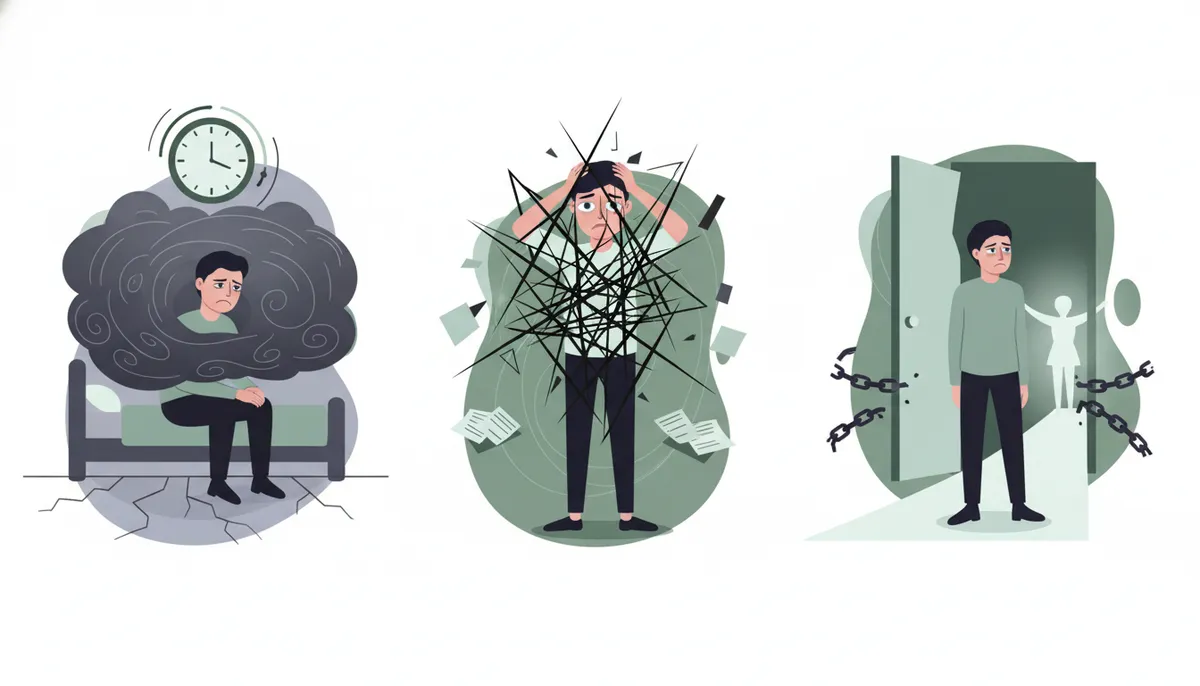
Signs You Should Search for Counseling Near You
Knowing when to seek help is just as important as finding the right counselor. Many people wait too long, thinking their problems aren’t serious enough. The truth is, you don’t need to be in crisis to benefit from counseling. Here are clear signs it’s time to search for mental health counseling near you:
- Persistent feelings of sadness or hopelessness: If you’ve felt down for more than two weeks and can’t seem to shake it, therapy can help. Depression doesn’t always look like crying in bed all day. Sometimes it’s just feeling empty, losing interest in things you used to enjoy, or having no motivation.
- Overwhelming anxiety or worry: Everyone worries sometimes, but constant anxiety that interferes with daily life needs attention. This includes panic attacks, excessive worry about everyday things, or avoiding situations because of fear. Anxiety treatment can provide tools to manage these overwhelming feelings.
- Difficulty managing stress: If normal life stressors feel unbearable or you’re using unhealthy coping mechanisms, counseling teaches better strategies. This is especially true if stress affects your sleep, eating habits, or relationships.
- Relationship problems: Constant conflicts with your partner, family members, or friends suggest it’s time to work with a professional. A counselor helps you improve communication skills and understand relationship patterns that cause problems.
- Major life transitions: Big changes like divorce, job loss, moving, or grief can overwhelm your usual coping abilities. A counselor provides support and perspective during these challenging times.
- Physical symptoms without medical cause: Headaches, stomach problems, or chronic pain that doctors can’t explain often have emotional roots. Mental health counseling addresses the mind-body connection.
Remember, you don’t need to have a diagnosed mental illness to benefit from counseling. Think of it like regular checkups for your emotional health. Prevention is always easier than waiting until you’re in crisis. If you’re wondering whether therapy is right for you, that question itself might be your answer.

How to Find Quality Mental Health Counseling Near You
The search for the right counselor doesn’t have to be complicated. Start with these practical steps that make the process easier and more effective. Each method has its advantages, so try multiple approaches to maximize your options.
Ask Your Primary Care Doctor
Your regular doctor is often the best starting point. They know your medical history and can recommend counselors who specialize in your specific needs. Many primary care offices now have mental health professionals on staff or maintain a list of trusted local referrals. This is especially helpful if your mental health concerns relate to physical health conditions.
Check Your Insurance Provider Directory
Insurance directories list counselors who accept your plan, which helps manage costs. Call your insurance company or check their website for an updated list. Make sure to verify that the counselor is still accepting new patients and your specific plan. About 97% of employee insurance plans offer some mental health services, though coverage varies widely.
Use Online Therapist Directories
Websites dedicated to mental health provider listings let you search by location, specialty, and insurance. You can often see photos, read bios, and learn about each counselor’s approach before making contact. These directories typically include client reviews and detailed information about treatment specialties and therapeutic approaches.
Search State Licensing Boards
Every state maintains a list of licensed mental health professionals. The Florida Department of Health mental health links provides resources for finding licensed providers in your area. These official directories ensure you’re working with properly credentialed professionals.
Ask for Personal Recommendations
Friends, family members, or coworkers who’ve had positive therapy experiences can offer valuable insights. While their needs might differ from yours, they can tell you about a counselor’s communication style and office environment. Just remember that finding the right fit is personal, so someone perfect for them might not be ideal for you.
Contact Local Mental Health Organizations
Community mental health centers and nonprofit organizations often provide counseling services on a sliding scale based on income. The Florida Department of Children and Families offers substance abuse and mental health resources throughout the state. These organizations can help even if you don’t have insurance or have limited financial resources.
| Search Method | Advantages | Best For |
|---|---|---|
| Primary Care Doctor | Personalized recommendations, medical integration | People with health insurance and established care |
| Insurance Directory | Cost control, verified coverage | Those wanting to maximize insurance benefits |
| Online Directories | Wide selection, detailed information | People who want to research multiple options |
| Personal Referrals | Trusted opinions, real experiences | Those who value peer recommendations |
| Community Centers | Affordable options, local accessibility | People with limited insurance or financial concerns |
Questions to Ask When Choosing a Counselor
Once you’ve found potential counselors, asking the right questions helps you make an informed choice. Most therapists offer brief phone consultations before your first appointment. Use this time wisely to gather important information. Don’t feel shy about asking these questions. Good counselors expect them and appreciate clients who take an active role in their care.
- What’s your experience with my specific concerns? You want someone who has successfully helped people with similar issues. A counselor who regularly treats depression will be more effective than someone who’s only dealt with it occasionally.
- What therapeutic approaches do you use? Different counseling styles work better for different people and problems. Cognitive behavioral therapy, psychodynamic therapy, and solution-focused therapy are just a few options. Understanding their approach helps you know what to expect.
- How long does treatment typically take? While this varies by person, experienced counselors can give you a general timeframe. Some issues resolve in 8-12 sessions, while others need longer-term support.
- What are your fees and payment options? Be upfront about financial concerns. Ask about sliding scale fees, payment plans, or whether they accept your insurance. The average cost of therapy ranges from $75 to $200 per session without insurance.
- What’s your availability? Make sure their schedule works with yours. Ask about evening or weekend appointments if you work traditional hours. Also check their policy for cancellations and rescheduling.
- Do you offer telehealth options? Virtual therapy has become mainstream in 2026. If you prefer online sessions or need flexibility, confirm they offer video counseling. The online therapy market grew from $15.16 billion in 2025 to $19.31 billion in 2026.
Trust your gut during this initial conversation. If something feels off or the counselor seems dismissive of your questions, keep looking. The therapeutic relationship is crucial to success, so finding someone you feel comfortable with matters more than any credential or specialty.
Understanding Counseling Costs and Insurance Coverage
Money concerns often prevent people from getting help they need. Understanding the real costs of mental health counseling helps you plan and find affordable options. The price varies widely depending on location, counselor credentials, and whether you use insurance.
Without insurance, expect to pay between $75 and $200 per session in most areas. Sessions typically last 50-60 minutes. Some counselors charge more for initial evaluations or specialized services. In major cities, rates tend to be higher than in rural areas. However, many counselors offer sliding scale fees based on your income, so always ask about financial assistance.
If you have insurance, your mental health benefits depend on your specific plan. About 73% of insurance plans cover telehealth services, and 97% offer some mental health coverage. However, only 33% cover chronic treatment adequately. Check these important details with your insurance provider:
- Your copay amount per session (typically $10-$50)
- Whether you need to meet a deductible first
- How many sessions your plan covers per year
- If you need a referral from your primary care doctor
- Whether the counselor is in-network or out-of-network
Out-of-network counselors cost more out of pocket, but you might still get partial reimbursement. Ask the counselor’s office to provide a superbill, which is a detailed receipt you submit to your insurance company for reimbursement. This gives you more flexibility in choosing a counselor while still getting some financial help.
For those without insurance or with limited coverage, community mental health centers offer more affordable options. Many work on a sliding scale where you pay based on your income. Some even provide free services if you qualify. Don’t let cost prevent you from seeking help. Resources exist for people at every income level.
What to Expect During Your First Counseling Session
Walking into your first therapy appointment can feel nerve-wracking. Knowing what to expect helps reduce anxiety and lets you prepare mentally. Your initial session is different from regular therapy sessions because it’s mainly about getting to know each other and gathering information.
The session typically starts with paperwork. You’ll fill out forms about your medical history, current symptoms, and what brought you to therapy. This includes consent forms that explain confidentiality rules and your rights as a client. Bring your insurance card, identification, and a list of any medications you take. If you’re seeing West Florida Therapy, their welcoming staff makes this process smooth and comfortable.
Once the paperwork is done, you’ll sit down with your counselor for the actual session. They’ll ask questions about your life, family background, current challenges, and therapy goals. This isn’t an interrogation. Think of it as a conversation where the counselor is getting to know you as a whole person, not just a set of symptoms.
Common Topics Covered in Your First Session
- Your current concerns: What specific problems brought you to therapy? The counselor wants to understand what’s troubling you most right now.
- Background information: Your family history, relationships, work situation, and major life events help provide context for your current struggles.
- Previous mental health treatment: If you’ve been in therapy before or taken medication, sharing this helps your counselor understand what has or hasn’t worked.
- Your goals: What do you hope to accomplish through counseling? Having clear goals helps guide the treatment process.
- Treatment plan: Based on what you’ve shared, the counselor will explain their initial thoughts about how to help you and what approach they recommend.
Don’t expect to solve all your problems in the first session. This is just the beginning of your journey. Some people leave their first appointment feeling relieved just to have shared their story. Others feel emotionally drained from opening up. Both reactions are completely normal.
Be honest with your counselor, even about things that feel embarrassing or shameful. They’ve heard it all before and won’t judge you. The more open you are, the better they can help. If you’re not comfortable sharing something in the first session, that’s okay too. Trust builds over time.
Virtual vs. In-Person Counseling: Which is Right for You?
In 2026, you have real choices about how you receive mental health counseling. Both virtual and in-person options offer benefits, and the best choice depends on your specific situation and preferences. Many people even combine both approaches depending on their schedule and needs.
Benefits of Virtual Counseling
Online therapy has exploded in popularity because it removes many barriers to treatment. You can attend sessions from your home, office, or anywhere with internet access. This is perfect if you live in a rural area with few counselors nearby, have mobility issues, or simply prefer the convenience. There’s no commute time, which makes it easier to fit therapy into a busy schedule.
Virtual sessions also offer more privacy in some ways. You don’t risk running into someone you know in a waiting room. For people who feel anxious about sitting face-to-face with a therapist, video calls can feel less intimidating at first. The technology is simple and most platforms are very user-friendly.
Benefits of In-Person Counseling
Meeting your counselor face-to-face creates a different kind of connection. Some people find it easier to open up when they’re in the same room as their therapist. Non-verbal communication is richer in person, and there’s something about physically going to a session that helps separate it from the rest of your life.
In-person therapy also eliminates technology concerns. No worrying about your internet connection dropping or whether you have enough privacy at home. The office environment is designed for therapy, creating a safe space focused entirely on your healing. For couples or family therapy, being together in the same room often works better than trying to coordinate multiple people on video.
| Factor | Virtual Counseling | In-Person Counseling |
|---|---|---|
| Convenience | No travel time, flexible locations | Requires commute, fixed location |
| Privacy | No waiting room, but need private space at home | Private office, but visible entering/leaving |
| Connection | Good, but through screen | Stronger face-to-face connection |
| Accessibility | Available anywhere with internet | Limited to local area |
| Cost | Often slightly less expensive | Traditional pricing, insurance coverage |
| Technology | Requires reliable internet and device | No technology needed |
Research shows virtual therapy is just as effective as in-person sessions for most conditions. The CDC’s mental health resources confirm that telehealth provides quality care for anxiety, depression, and many other concerns. The key is choosing what feels most comfortable for you.
Special Considerations for Florida Residents
If you live in Florida, you have unique advantages when searching for mental health counseling near you. The state has invested heavily in mental health resources, though challenges remain. Over 122 million Americans live in Mental Health Professional Shortage Areas, and Florida has several of these regions, particularly in rural counties.
Florida offers extensive virtual therapy options that help bridge this gap. Licensed Florida counselors can provide telehealth services to anyone in the state, regardless of where you live. This means even if you’re in a small town with limited local options, you can access experienced therapists from larger cities. West Florida Therapy provides services both in-person and virtually throughout Florida, making quality mental health care accessible statewide.
Bilingual Services in Florida
Florida’s diverse population means language access matters. Many counselors offer bilingual services, particularly English and Spanish. If English isn’t your first language, finding a counselor who speaks your native language helps you express yourself more fully and feel more comfortable. This is especially important when discussing emotions and personal experiences where nuanced language matters.
Don’t settle for a language barrier in therapy. Specify language preferences when searching for counselors. Many directories let you filter by languages spoken. Working with a bilingual therapist who understands your cultural background can make therapy more effective and meaningful.
Florida-Specific Resources
- Florida Department of Children and Families provides crisis services and community mental health programs
- 2-1-1 helpline connects you with local resources including counseling services
- Community mental health centers throughout the state offer sliding scale fees
- Many Florida universities provide low-cost counseling through training clinics
- Crisis Text Line (text HOME to 741741) offers immediate support 24/7
Making the Most of Your Counseling Experience
Finding the right counselor is just the first step. Getting the most value from your therapy requires active participation and commitment. Think of counseling as a partnership where both you and your therapist work together toward your goals. Your counselor provides expertise and guidance, but you’re the one doing the real work of change.
Show up consistently to your appointments. Regular attendance builds momentum and allows deeper work over time. Missing sessions disrupts progress and makes it harder to maintain the therapeutic connection. If you need to cancel, give as much notice as possible and reschedule quickly. Life happens, but consistency matters in therapy.
Be honest and open during sessions. Your counselor can only help with the information you share. If something your therapist says bothers you or doesn’t feel right, speak up. If you’re struggling with exercises they suggest, let them know. The therapy relationship should feel safe enough to express concerns or disagreements.
Tips for Effective Therapy
- Do homework assignments: Many therapists give exercises to practice between sessions. These aren’t busywork. They’re crucial for applying new skills to your daily life.
- Journal about your sessions: Writing down insights after appointments helps you remember important points and track your progress over time.
- Be patient with yourself: Change takes time. You didn’t develop your current patterns overnight, and they won’t disappear immediately either.
- Ask questions: If you don’t understand something your counselor says or why they’re suggesting a particular approach, ask for clarification.
- Share feedback: Let your counselor know what’s working and what isn’t. Good therapists adjust their approach based on your response.
- Practice self-care: Therapy can be emotionally draining. Take care of yourself between sessions with rest, healthy activities, and support from friends or family.
Remember that feeling worse before you feel better is common. As you explore painful topics or challenge old patterns, discomfort is natural. This doesn’t mean therapy isn’t working. It often means you’re getting to the heart of important issues. Stick with it through the tough spots.
When to Consider Changing Counselors
Sometimes the first counselor you try isn’t the right fit, and that’s perfectly okay. Finding the right therapeutic match might take a few tries. Don’t feel guilty about moving on if things aren’t working. Your mental health is too important to settle for a poor fit.
Several clear signs suggest it might be time to find a different counselor. If you feel judged or criticized rather than supported, that’s a problem. If your counselor regularly cancels or reschedules appointments, they’re not prioritizing your care. If you’ve been going for months without any improvement or feeling stuck in the same place, the approach might not be right for you.
Trust your instincts about the relationship. You should feel respected, heard, and like your counselor genuinely cares about your wellbeing. The connection doesn’t need to feel like friendship, but it should feel safe and supportive. If you dread appointments or find yourself avoiding certain topics because of how your counselor responds, speak up or find someone new.
Before switching, have an honest conversation with your current counselor about your concerns. Many issues can be resolved through direct communication. Sometimes what feels like a poor fit is actually resistance to difficult work you need to do. A good counselor will help you explore whether your dissatisfaction is about them or about avoiding challenging topics.
If you decide to change counselors, you can request your records be transferred to your new therapist. This helps avoid repeating your entire history. Don’t see switching as failure. Finding the right counselor is like finding the right doctor or teacher. The fit matters, and you deserve someone who can truly help you.
Addressing Common Barriers to Seeking Counseling
Many people who need mental health counseling delay getting help because of specific barriers. Understanding these obstacles and how to overcome them makes it easier to take that crucial first step. You’re not alone if these concerns have held you back.
Stigma and Shame
Despite progress, stigma around mental health remains. About 42% of workers refrain from discussing mental health at work, even though 72% feel comfortable supporting coworkers with mental health issues. This creates isolation where people suffer in silence rather than seek help.
Remember that seeking counseling is a sign of strength, not weakness. It takes courage to acknowledge you need support and take steps to get it. Mental health care is healthcare, just like seeing a doctor for physical problems. Nobody would judge you for treating a broken bone, and your mental health deserves the same respect and attention.
Time Constraints
Busy schedules make fitting in therapy appointments challenging. Between work, family responsibilities, and daily demands, adding another commitment feels impossible. However, virtual counseling eliminates travel time and offers more flexible scheduling. Many counselors now offer evening or weekend appointments specifically for working people.
Think of therapy as an investment in your overall productivity and wellbeing. The time you spend in counseling often saves time elsewhere by helping you function better in daily life. Better mental health improves your work performance, relationships, and physical health.
Financial Concerns
Cost worries are legitimate but shouldn’t prevent you from getting help. As discussed earlier, many affordable options exist including sliding scale fees, community mental health centers, and insurance coverage. Some employers offer Employee Assistance Programs (EAPs) that provide free counseling sessions.
Consider the cost of not getting help. Poor mental health reduces work productivity, costs the global economy $438 billion annually in 2026, and can lead to expensive health problems down the road. Investing in your mental health now often prevents bigger problems and expenses later.
Not Knowing Where to Start
The sheer number of options can feel paralyzing. Break it down into manageable steps. Start by identifying one or two counselors who seem like potential fits. Make those initial phone calls. Remember you’re just gathering information, not making a lifetime commitment. Most counselors offer consultations where you can ask questions before deciding.
The Growing Importance of Mental Health Care in 2026
Mental health awareness has reached new heights in 2026. More people recognize that emotional wellbeing is just as important as physical health. This shift in attitudes means less stigma and more support for those seeking counseling. About 38% of Americans planned mental health-related New Year’s resolutions heading into 2026, showing how prioritizing mental wellness has become mainstream.
The workforce shortage in mental health remains a concern. Over 122 million Americans live in Mental Health Professional Shortage Areas, with projected shortages of 88,000 mental health counselors by 2037. This makes finding and connecting with a counselor more important than ever. Don’t wait until crisis hits to establish a relationship with a mental health professional.
Technology continues reshaping how we access mental health services. The online therapy market demonstrates explosive growth, expanding from $15.16 billion in 2025 to $19.31 billion in 2026. This growth reflects both increasing demand and improved acceptance of virtual care. Whether you prefer in-person sessions or virtual appointments, more options exist than ever before.
Prevention and early intervention have become priorities. Rather than waiting until problems become severe, more people seek counseling for stress management, life transitions, and personal growth. This proactive approach to mental health leads to better outcomes and prevents more serious issues from developing.
Taking the Next Step Toward Better Mental Health
You’ve learned how to find mental health counseling near you, what to expect, and how to make therapy work. Now it’s time to take action. Whether you’re dealing with depression, struggling with relationships, or simply feeling overwhelmed by life’s demands, professional support can make a real difference.
Start your search today rather than waiting for things to get worse. Make a list of potential counselors based on the search methods we discussed. Check your insurance coverage. Reach out for those initial consultations. Taking these small steps moves you toward the support you deserve.
Margaret Deuerlein at West Florida Therapy understands the courage it takes to seek help. She provides caring, professional support for adults and adolescents dealing with various mental health challenges. With both in-person and virtual options available throughout Florida, including bilingual services, getting quality mental health counseling has never been more accessible. Visit West Florida Therapy on Google to learn more about available services and read what others have experienced.
Your mental health matters. You don’t have to navigate life’s challenges alone. Finding the right counselor near you is the first step toward feeling better, developing new coping skills, and creating the life you want. Reach out today to start your journey toward improved mental health and wellbeing. You deserve support, understanding, and the tools to thrive.
FAQs
Q: How do I find a mental health counselor near me that accepts my insurance?
A: Start by calling your insurance company or checking their online provider directory for in-network counselors in your area. You can also contact potential counselors directly and ask if they accept your specific insurance plan. Many therapist directories let you filter by insurance accepted, making your search easier. Always verify coverage details including copays, deductibles, and session limits before your first appointment.
Q: What are the signs I need mental health counseling?
A: Common signs include persistent sadness lasting more than two weeks, overwhelming anxiety that interferes with daily activities, difficulty managing normal stress, constant relationship conflicts, or using unhealthy coping mechanisms. You might also benefit from counseling during major life transitions like divorce, job loss, or grief. Remember, you don’t need a crisis to seek help. Think of counseling as preventive care for your emotional wellbeing.
Q: Is virtual mental health counseling as effective as in-person sessions?
A: Yes, research shows virtual therapy is just as effective as face-to-face sessions for most mental health conditions including anxiety and depression. Virtual counseling offers convenience, eliminates travel time, and provides access to counselors beyond your immediate area. The key is having a private space and reliable internet connection. Many people find video sessions less intimidating initially and appreciate the flexibility they offer.
Q: How much does mental health counseling cost without insurance?
A: Without insurance, expect to pay between $75 and $200 per session in most areas, with sessions typically lasting 50-60 minutes. Costs vary based on location, counselor credentials, and specialties. However, many counselors offer sliding scale fees based on your income. Community mental health centers provide more affordable options, sometimes even free services if you qualify. Don’t let cost prevent you from asking about financial assistance options.
Q: How do I know if a mental health counselor is right for me?
A: The right counselor should make you feel heard, respected, and safe discussing difficult topics. During initial consultations, ask about their experience with your specific concerns, their therapeutic approach, and availability. Trust your gut feeling about the connection. If you feel judged, uncomfortable, or like they don’t understand you after a few sessions, it’s okay to try someone else. Finding the right fit might take time, but it’s worth the effort for effective therapy.