Key Takeaways
-
CBT is the primary evidence-based treatment for DPD, helping you identify and challenge negative thoughts like ‘I can’t handle things alone’ that drive dependent behaviors.
-
Therapy includes building assertiveness and communication skills through safe practice, enabling you to express needs, set healthy boundaries, and say no without guilt.
-
Schema therapy targets deeply rooted beliefs such as ‘I am helpless,’ restructuring core patterns that have persisted for years through a strong therapeutic relationship.
-
DPD rarely occurs alone; therapists address co-occurring anxiety and depression alongside personality disorder work, though medication treats symptoms, not DPD itself.
-
Telehealth options make therapy accessible across Florida, with 100% of Brandon area DPD therapists offering virtual sessions for busy professionals and Spanish-speaking clients.
-
Progress typically emerges within 3-6 months of consistent therapy, with initial sessions (weeks 1-4) focused on rapport-building and assessment, followed by deeper pattern work.
Do you feel like you can’t make decisions without someone else’s help? Do you worry constantly about being left alone or abandoned? If this sounds familiar, you might be dealing with dependent personality disorder (DPD). The good news? You don’t have to keep living this way. In-person therapy in Brandon, Florida is available and can genuinely change your life. Brandon dependent personality disorder therapy offers real, evidence-based tools to help you build confidence, set healthy boundaries, and feel secure in yourself. Whether you’re a young adult navigating independence for the first time, a parent worried about your teen, or someone who’s struggled with these patterns for years — therapy can help. This article walks you through nine powerful ways DPD therapy can support your healing journey.
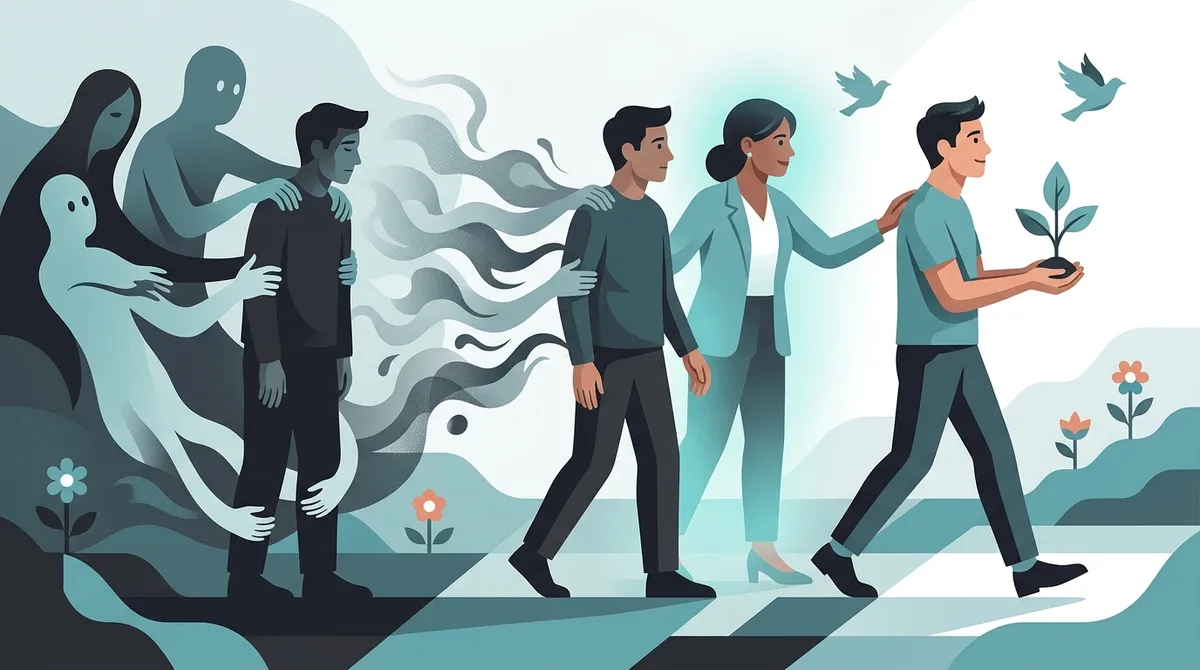
What Is Dependent Personality Disorder?
Dependent personality disorder is a mental health condition where a person relies heavily on others for emotional support, decision-making, and daily functioning. It goes beyond just being shy or needing reassurance now and then. People with DPD often feel helpless, fear being alone, and struggle to disagree with others out of fear of rejection.
According to the Mental Health Resources from the CDC, personality disorders are more common than many people realize. The condition can affect your relationships, your job, and your overall quality of life. The good news is that with the right support, things can truly get better.
If you’re noticing these patterns in yourself or someone you love, learning more about personality disorders and how therapy can help is a great first step.
Common Signs of Dependent Personality Disorder
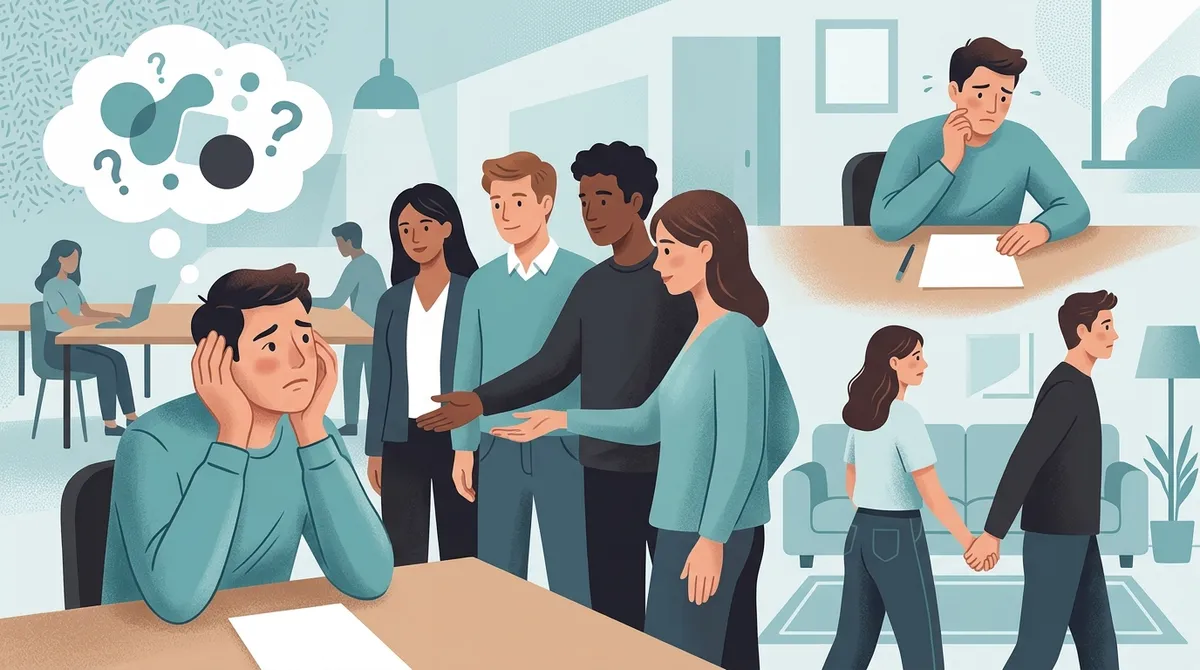
Understanding the signs of DPD helps you recognize when it’s time to seek help. Here are some common indicators:
- Difficulty making everyday decisions without lots of reassurance from others
- Allowing others to take responsibility for major areas of your life
- Fear of disagreeing with others to avoid rejection
- Difficulty starting projects or doing things on your own
- Going to excessive lengths to get nurturing and support from others
- Feeling helpless or devastated when a close relationship ends
- Urgently seeking a new relationship when one ends
- Unrealistic fears of being left alone to care for yourself
Recognizing these signs is brave and important. If several of these resonate with you, consider reaching out to a therapist. You can also explore resources on low self-esteem and relationship and communication issues to better understand your experiences.
9 Ways Brandon Dependent Personality Disorder Therapy Helps You Heal
1. Cognitive Behavioral Therapy (CBT) Rewires Negative Thinking
CBT is one of the most widely used and effective approaches for DPD. It helps you identify the negative thoughts that drive your dependence — like “I can’t handle things alone” — and gently challenges them. According to the Cleveland Clinic, CBT is a primary treatment of choice for personality disorders because it targets thinking patterns directly.
In Brandon, about 79% of personality disorder therapists use CBT as their main approach. That’s a strong sign of how effective it is. You can learn more about what cognitive behavioral therapy involves and how it might fit your needs.
2. Psychodynamic Therapy Uncovers Root Causes
Sometimes dependence starts early — in childhood or past relationships. Psychodynamic therapy helps you explore those deeper emotional patterns. It looks at how your past experiences shape your current behaviors and relationships.
This approach can be especially healing if your DPD is connected to attachment wounds or trauma. You might also find it helpful to explore healing attachment trauma as part of your journey.
3. Schema Therapy Changes Long-Standing Patterns
Schema therapy focuses on long-standing, deeply rooted patterns called “schemas.” For DPD, these might include beliefs like “I am helpless” or “I need others to survive.” Through a strong therapeutic relationship and structured techniques, schema therapy helps you reshape these beliefs.
West Florida Therapy offers schema therapy as one of its evidence-based modalities. It’s a particularly good fit for personality disorders because it addresses the deeper layers of emotional experience. You can also read more about how schema therapy core components transform lives.
4. Building Assertiveness and Communication Skills
One of the biggest challenges with DPD is difficulty speaking up for yourself. Therapy gives you a safe space to practice assertiveness. You’ll learn how to express your needs clearly, say no when necessary, and set healthy limits — without feeling guilty.
These are skills you can use every day, in every relationship. Explore more about developing communication skills and conflict resolution strategies that actually work.
5. Addressing Co-Occurring Anxiety and Depression
DPD rarely shows up alone. Many people with DPD also experience anxiety or depression. Medication may be prescribed for these co-occurring conditions — though it’s important to know that medication does not treat DPD itself. Therapy is the core treatment.
At West Florida Therapy, therapist Margaret Deuerlein understands how these conditions overlap and can address them together in your care plan. If anxiety is part of your experience, anxiety treatment can be woven into your DPD therapy. Similarly, if depression is present, depression treatment can be addressed alongside your personality disorder work. You can also learn about the broader mental health picture to understand how these issues connect.
6. Telehealth Options Make Therapy More Accessible
You don’t have to drive across town to get great therapy in 2026. Virtual therapy has made mental health care more accessible than ever. Research shows that 100% of personality disorder therapists in the Brandon area offer online sessions.
Telehealth therapy in Florida is available through West Florida Therapy for clients anywhere in the state. This is especially helpful for Gen Z young adults, busy millennials, and Spanish-speaking adults who may face barriers to in-person care. You can also explore why virtual therapy for adults is a game changer.
7. Support for Relationships and Couples
DPD doesn’t just affect you — it affects the people closest to you. Partners and family members often feel overwhelmed when they’re relied on too heavily. Therapy can help you and your loved ones develop healthier dynamics together.
Research supports that DPD treatment may work best when loved ones are involved in the process. Couples therapy can be a powerful complement to individual treatment, helping both partners grow. You can also explore relationship problems and how therapy addresses them.
8. Tracking Progress and Building Confidence Over Time
Healing from DPD is a journey, not a quick fix. Good therapy includes regular check-ins where you and your therapist review your progress, celebrate wins, and adjust the plan as needed. This ongoing structure helps you build confidence and independence over time.
Many clients begin to notice meaningful changes within a few months of consistent therapy. You can also explore setting and achieving life goals as a natural extension of your healing work. Understanding our therapy process can also help you know what to expect from the start.
9. Bilingual Therapy Breaks Language Barriers
For Spanish-speaking adults in Florida, finding a therapist who truly understands your language and culture makes a big difference. Dependence patterns, family loyalty, and emotional expression often carry different meanings across cultures. Bilingual therapy respects those nuances.
West Florida Therapy offers bilingual English/Spanish services, both in-person in Brandon and virtually throughout Florida. This means you can heal in the language that feels most natural to you. Visit the about page to learn more about the services available and how to get started.
How DPD Therapy Compares to Other Personality Disorder Treatments
If you’re wondering how DPD therapy fits alongside other personality disorder treatments, here’s a helpful overview. Keep in mind that while some therapies were developed specifically for borderline personality disorder (BPD), many of their techniques are also used in DPD treatment.
| Therapy Type | Best For | Key Focus | Used in DPD? |
|---|---|---|---|
| Cognitive Behavioral Therapy (CBT) | DPD, Anxiety, Depression | Changing negative thoughts and behaviors | Yes — primary approach |
| Psychodynamic Therapy | DPD, Trauma | Exploring past emotional patterns | Yes — commonly used |
| Schema Therapy | Personality Disorders | Changing deep-seated beliefs | Yes — highly effective |
| Dialectical Behavior Therapy (DBT) | BPD, Emotion dysregulation | Emotion regulation, distress tolerance | Sometimes, for co-occurring symptoms |
| Mentalization-Based Therapy | BPD, Attachment issues | Understanding self and others | Occasionally |
If you’d like to understand the differences between therapy approaches more deeply, check out this helpful comparison of psychodynamic vs. CBT therapy. You can also explore evidence-based modalities offered at West Florida Therapy.
What to Expect in Your First DPD Therapy Sessions
Starting therapy for the first time can feel a little nerve-wracking. Here’s a simple look at what the process typically involves:
- Free 15-minute consultation: You’ll talk briefly with your therapist to share your concerns and see if it’s a good fit.
- Initial assessment: Your therapist gathers information about your history, symptoms, and goals.
- Personalized treatment plan: Together, you create a roadmap tailored to your specific needs and challenges.
- Weekly or bi-weekly sessions: You’ll meet regularly — in person in Brandon or via telehealth — to work through your goals.
- Progress reviews: Your therapist regularly checks in on your growth and adjusts the plan as needed.
Margaret Deuerlein, the caring and experienced psychotherapist at West Florida Therapy, guides each client through this process with warmth and intention. You can read more about her approach on the About Margaret Deuerlein page.
Who Can Benefit from DPD Therapy in Brandon?
Brandon dependent personality disorder therapy is a great fit for a wide range of people. Here’s a quick look at who tends to benefit most:
- Adults who feel they can’t function without a partner or authority figure
- Adolescents showing excessive clinginess, avoidance of responsibility, or fear of independence
- Couples where one partner feels overwhelmed by the other’s emotional needs
- Young adults transitioning to college or new independence and feeling paralyzed by decisions
- Spanish-speaking individuals who want culturally sensitive, bilingual care
- Anyone struggling with codependency, fear of abandonment, or low self-worth
It’s also worth exploring whether patterns like codependency are playing a role in your life. Sometimes DPD and codependency overlap in ways that are helpful to untangle in therapy. For adolescents, virtual therapy for adolescents in Brandon is also available.
Is Medication Used for Dependent Personality Disorder?
This is one of the most common questions people ask. The short answer is: not directly. Medication is not prescribed to treat DPD itself. However, if you also experience anxiety, depression, or panic attacks alongside DPD, medication may be recommended to manage those symptoms.
Talk therapy remains the cornerstone of DPD treatment. You can learn more about how conditions like anxiety and depression are treated by visiting these helpful Substance Abuse & Mental Health resources from Florida Families. If panic symptoms are part of your experience, explore more about panic attacks and how therapy addresses them.
How Long Does Therapy for DPD Take?
Therapy length depends on many factors — the severity of your symptoms, your goals, and how consistently you attend sessions. Here’s a general timeline that many people experience:
- Weeks 1–4: Building rapport with your therapist, completing assessment, setting goals
- Months 1–3: Identifying core patterns, beginning to challenge negative beliefs, learning new skills
- Months 3–6: Practicing new behaviors in daily life, working on relationships and assertiveness
- Months 6–12: Deeper work on root causes, building independence, preparing for maintenance
- Ongoing: Some clients continue with occasional sessions for support as life evolves
Remember, progress is rarely perfectly linear. Some weeks feel like breakthroughs; others feel slower. That’s completely normal. What matters most is showing up consistently and being honest with your therapist about how you’re doing.
Why Choose West Florida Therapy for DPD Support?
West Florida Therapy offers compassionate, personalized care for individuals and couples dealing with personality disorders, anxiety, depression, trauma, and more. With Margaret Deuerlein as your guide, you’ll receive evidence-based therapy in a warm, judgment-free environment.
Services are available in English and Spanish, in person in Brandon, Florida, and virtually throughout the state. Whether you’re ready to dive in or just starting to explore your options, West Florida Therapy is here to meet you where you are. You can also check out what clients are saying by visiting West Florida Therapy on Google to read real reviews and get a feel for the care you’ll receive.
For additional mental health guidance and Florida-specific resources, the Florida Department of Health Mental Health Links is a helpful starting point.
Take the First Step Today
Living with dependent personality disorder can feel exhausting and isolating. But healing is absolutely possible with the right support. Brandon dependent personality disorder therapy — especially when guided by a skilled, caring therapist like Margaret Deuerlein — can help you step into a more confident, independent, and fulfilling version of yourself.
You deserve to feel secure in who you are. You deserve relationships built on mutual respect, not fear. And you deserve a life where you trust yourself to handle whatever comes your way. That journey starts with one courageous step — reaching out for help. Get in touch with West Florida Therapy today to schedule your free 15-minute consultation and begin your path to lasting change.
FAQs
Q: What is dependent personality disorder therapy?
A: Dependent personality disorder therapy is talk-based treatment designed to help you build confidence, independence, and healthier relationships. The most common approaches include cognitive behavioral therapy (CBT) and psychodynamic therapy, both of which address the thinking patterns and emotional roots that drive dependence. It’s a warm, supportive process — you’re not judged, you’re guided.
Q: Does CBT help dependent personality disorder?
A: Yes! CBT is actually one of the primary treatments recommended for DPD. It helps you identify and change the negative thought patterns — like ‘I can’t handle things alone’ — that fuel dependent behaviors. Many therapists in Brandon use CBT as their main approach for personality disorders, and clients often see meaningful progress within a few months.
Q: Can medication treat dependent personality disorder?
A: Medication is not used to treat DPD directly — therapy is the core treatment. However, if you’re also dealing with anxiety or depression alongside DPD, a doctor may recommend medication to manage those specific symptoms. Think of medication as a helpful support tool, not the main solution for DPD.
Q: Are there therapists in Brandon, FL who treat dependent personality disorder?
A: Absolutely! Brandon has licensed therapists who specialize in personality disorders, including DPD. West Florida Therapy offers both in-person sessions in Brandon and virtual therapy throughout Florida, with bilingual English/Spanish services available. You can start with a free 15-minute consultation to find the right fit.
Q: Is online therapy effective for dependent personality disorder?
A: Yes — online therapy is just as effective as in-person therapy for many people with DPD. In fact, telehealth options can make it easier to show up consistently, which is one of the most important factors in DPD treatment success. West Florida Therapy offers secure, convenient virtual sessions for clients all across Florida.