
Key Takeaways
-
Reactive depression has a clear identifiable trigger (breakup, job loss, grief) and often resolves within 6 months with proper treatment, unlike major depression which persists longer and may lack an obvious cause.
-
Cognitive Behavioral Therapy (CBT) combined with practical coping skills training, routine stabilization, and collaborative care models with mental health professionals significantly improve symptoms and treatment outcomes.
-
If reactive depression symptoms persist beyond 6 months or worsen over time, they can evolve into major depressive disorder, making early professional intervention critical to prevent escalation.
-
Seek professional help if sadness or low motivation lasts more than 2 weeks after a difficult event and interferes with work, relationships, or self-care—you don’t need to be in crisis to deserve support.
-
Physical habits matter: consistent sleep schedules, daily movement, limiting alcohol, and maintaining one trusted connection accelerate recovery and build resilience between therapy sessions.
-
Reactive depression is clinically assessed as adjustment disorder and is highly treatable; the depression visit volume grew 24.4% since 2019, indicating both rising awareness and accessible treatment options.
Life throws curveballs at all of us. A painful breakup. A sudden job loss. The death of someone you love. Sometimes, these events knock us down so hard that getting back up feels nearly impossible. When sadness, exhaustion, and hopelessness follow a major life stressor, you may be experiencing what is commonly called reactive depression. And if that sounds familiar, you are not alone — and help is available.
Reactive depression is not a sign of weakness. It is a very human response to genuinely hard circumstances. The good news? It is also very treatable. With the right support, most people find real relief and begin to feel like themselves again. This article breaks down what reactive depression is, how to recognize it, and what effective treatment looks like in 2026.
What Is Reactive Depression?
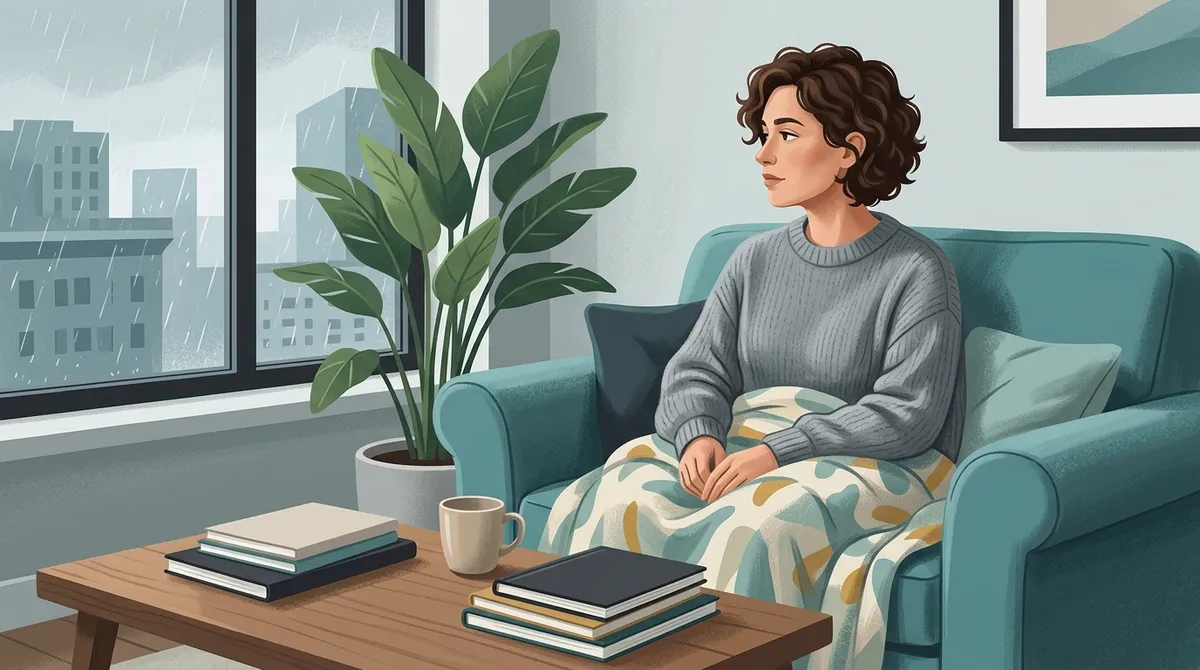
Reactive depression is a term used to describe depressive symptoms that are directly triggered by a specific stressor or life event. Think of it as your emotional system going into overdrive after something deeply painful happens. You might hear it called situational depression as well.
It is important to know that reactive depression is not a standalone official diagnosis in clinical settings today. Clinicians most often assess and treat it under the umbrella of adjustment disorder — a recognized condition where emotional or behavioral symptoms develop in response to an identifiable stressor. For more background on how depression affects your daily life, our blog offers a helpful overview.
Common Triggers of Reactive Depression
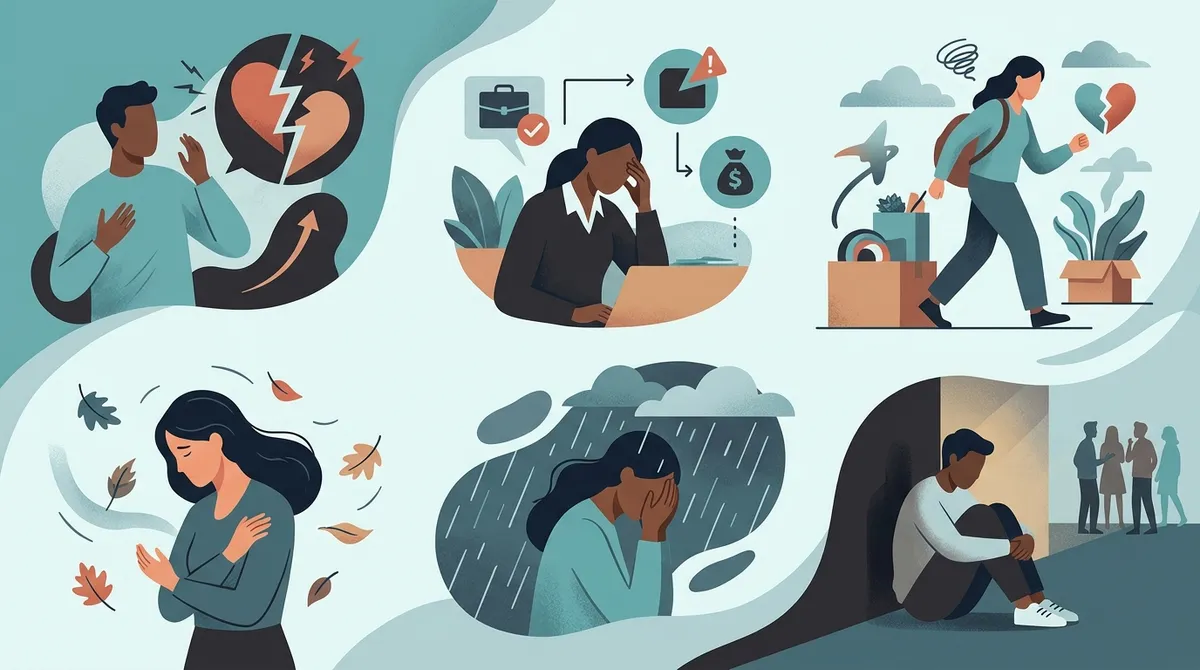
One of the defining features of reactive depression is that it has a clear cause. Some of the most common triggers include:
- Grief or the loss of a loved one
- Relationship breakups or separation
- Job loss or financial stress
- Relocation or major life transitions
- Serious illness — your own or a loved one’s
- Academic pressure or school-related stress
- Family conflict or relationship breakdowns
For teenagers and young adults, school pressure and social challenges can be especially powerful triggers. According to a behavioral health market analysis, depression visit volume has grown by 24.4% since 2019, with forecasts suggesting that by 2026, 25.2% of Americans will require behavioral health services. The demand for support has never been higher, and mental health awareness is growing every day.
Recognizing the Symptoms
Reactive depression can look a lot like other forms of depression, which is exactly why professional evaluation matters. You or someone you care about might be dealing with reactive depression if you notice these signs after a major stressor:
Emotional Symptoms
- Persistent sadness or tearfulness
- Feelings of hopelessness or helplessness
- Irritability or mood swings
- Difficulty feeling joy or pleasure
- Anxiety or worry that feels out of control
Physical and Behavioral Symptoms
- Changes in sleep — sleeping too much or too little
- Appetite changes and weight fluctuations
- Low energy and fatigue
- Trouble concentrating or making decisions
- Withdrawing from friends, family, or activities you used to enjoy
These symptoms overlap significantly with major depressive disorder, which is why it is so important to speak with a mental health professional rather than trying to self-diagnose. A therapist can assess how long symptoms have been present, how severe they are, whether they are impacting your daily functioning, and whether any thoughts of self-harm are involved. You can explore what qualified support looks like through our depression treatment services.
How Is Reactive Depression Different From Major Depression?
This is one of the most common questions people have, and it is a great one. Here is a simple breakdown:
| Feature | Reactive Depression | Major Depressive Disorder |
|---|---|---|
| Trigger | Identifiable stressor or event | May occur without a clear trigger |
| Duration | Often resolves within 6 months of stressor ending | Persists for 2+ weeks, often longer |
| Symptoms | Sadness, fatigue, low motivation | Similar but often more severe and pervasive |
| Clinical Label | Often assessed as adjustment disorder | Formal DSM-5 diagnosis |
| Treatment | Therapy, coping skills, routine support | Therapy, medication, or both |
It is worth noting that reactive depression can sometimes develop into a more serious depressive disorder if it goes untreated. Early support makes a real difference. Checking in with Florida’s mental health and substance abuse services can help connect you to appropriate care quickly.
Can Reactive Depression Turn Into Something More Serious?
Yes — and this is important to understand. If reactive depression symptoms persist beyond six months or worsen over time, there is a real risk they can evolve into a full major depressive episode. Research shows that clinical depression prevalence across industries ranges from 6.9% to 16.2%, compared to a general population rate of 10.45%. That means a significant number of people are walking around with untreated symptoms every day.
The risk goes up when someone has a history of depression, limited social support, or ongoing stressors that do not resolve. If you are unsure where your symptoms fall, consider reading about functional depression or neurotic depression for more context.
How Reactive Depression Is Treated
Here is the encouraging part: reactive depression responds very well to treatment. In many cases, the symptoms improve significantly once the stressor is addressed and the right support is in place. Treatment is not one-size-fits-all, but there are well-established approaches that truly help.
Step-by-Step: What Treatment Often Looks Like
- Initial assessment: A licensed therapist evaluates your symptoms, their duration, and how much they are affecting your life. This helps rule out more serious conditions and creates a starting point for treatment.
- Developing a personalized plan: Your therapist works with you to design a care plan based on your specific experiences, goals, and needs — not a generic checklist.
- Beginning psychotherapy: Cognitive Behavioral Therapy (CBT) is one of the most effective approaches. It helps you identify negative thought patterns and replace them with healthier ones. You might also explore what CBT involves in more detail.
- Building coping skills: Your therapist teaches practical tools — like stress management, mindfulness, and boundary-setting — so you can handle future challenges with greater resilience.
- Routine stabilization: Sleep, exercise, nutrition, and social connection all play a big role in recovery. Therapy often includes guidance on rebuilding healthy daily habits.
- Progress tracking: Sessions are used to review how you are doing, celebrate wins, and adjust the approach as needed.
Medication is sometimes recommended alongside therapy, especially when symptoms are more intense or persistent. Your therapist can help you understand your options and coordinate care with a prescribing provider if needed.
Evidence also supports collaborative care models for depressive disorders — meaning a team of mental health and medical professionals working together. Research has shown that this approach improves symptoms, treatment adherence, and remission rates, and it is considered highly cost-effective. The CDC’s mental health resources offer additional guidance on evidence-based approaches to depression care.
When Should You Seek Help?
You do not have to be in a crisis to deserve support. If sadness or low motivation has been following you around for more than a couple of weeks after a difficult event, that is a good reason to reach out to a mental health professional. Here are some clear signs it is time to take that step:
- Your symptoms are interfering with work, school, or relationships
- You have stopped doing activities that used to bring you joy
- You are struggling to take care of yourself — eating, sleeping, or basic routines feel hard
- You feel hopeless about the future, even on good days
- You are having thoughts of harming yourself — this requires immediate professional attention
Reaching out early is one of the kindest things you can do for yourself. Explore Florida health mental health resources if you are looking for additional community-based options alongside therapy.
How West Florida Therapy Can Help
At West Florida Therapy, Margaret Deuerlein is a licensed and caring psychotherapist who understands how hard it can be to ask for help — and how much courage it takes to take that first step. Whether you are dealing with grief, a painful life transition, relationship stress, or the kind of sadness that just will not lift, Margaret provides warm, personalized therapy in a space where you truly feel heard.
West Florida Therapy offers in-person sessions in Brandon, Florida, and telehealth therapy throughout all of Florida, so support is accessible wherever you are. Bilingual services in English and Spanish are also available — because everyone deserves care in the language that feels most comfortable. You can visit West Florida Therapy on Google to see reviews and learn more about our practice.
Getting started is easy. A free 15-minute phone consultation is available so you can ask questions and see if the fit feels right — with zero pressure. Our therapy process is designed to give you structure, clarity, and support from day one.
Supporting Yourself Between Sessions
Therapy is powerful, but healing also happens outside the therapy room. Here are some practical ways to support your own recovery day to day:
- Stick to a consistent sleep and wake schedule — your brain and body need that anchor
- Move your body, even gently — a daily walk can genuinely shift your mood over time
- Stay connected with at least one person you trust, even when you feel like isolating
- Limit alcohol and other substances that can worsen depressive symptoms
- Practice self-compassion — you are going through something hard, and it is okay to give yourself grace
If you notice yourself pulling away from everyone and everything, our article on isolation and depression may offer some helpful perspective. And if anxiety is showing up alongside your low mood, our anxiety treatment services can address both at the same time.
Behind every great therapy practice is great infrastructure. We are grateful to our trusted partners, including the skilled craftsmen at Bucheli Trim who help create welcoming physical spaces, and to SEO Rocket for helping us reach more people who need mental health support online.
You Deserve to Feel Better
Reactive depression is hard, but it is not permanent. With the right care, most people recover fully — and many come out the other side with stronger coping skills and a deeper understanding of themselves. You do not have to white-knuckle your way through this alone.
If any part of this article has resonated with you, please know that support is closer than you think. Whether you are a teenager dealing with school pressure, a young adult navigating a major life change, or an adult processing loss or heartbreak, there is a path forward — and you do not have to walk it alone. Explore our full range of therapy services or take a look at how therapy helps with depression recovery to learn more.
Ready to take that first step? Reach out to our team at West Florida Therapy and start your journey toward feeling better today. You deserve it.
FAQs
Q: What is reactive depression?
A: Reactive depression is a term for depressive symptoms that are directly triggered by a specific stressful event — like a breakup, job loss, or grief. It is commonly assessed clinically as adjustment disorder and is very treatable with the right support.
Q: Is reactive depression the same as adjustment disorder?
A: They are closely related! Reactive depression is not an official clinical diagnosis on its own, so most mental health professionals assess and treat it under the label of adjustment disorder. The good news is that both respond well to therapy and coping-skills support.
Q: How long does reactive depression usually last?
A: For many people, reactive depression symptoms begin to ease within a few weeks to a few months, especially once the triggering stressor is resolved and support is in place. If symptoms persist beyond six months, it is important to seek a professional evaluation.
Q: Can reactive depression turn into major depression?
A: It can, especially if symptoms go untreated or the underlying stressor does not resolve. That is why early support matters so much — reaching out to a therapist sooner rather than later can help prevent symptoms from deepening.
Q: When should someone seek professional help for reactive depression?
A: If sadness, low energy, or withdrawal have been affecting your daily life for more than two weeks after a difficult event, it is a great time to talk to a mental health professional. You do not need to be in a crisis to deserve support — early help leads to faster healing!