
Key Takeaways
-
Cognitive Behavioral Therapy for Insomnia (CBT-I) is the gold-standard treatment, typically requiring only 4-8 sessions to create measurable improvement in sleep anxiety symptoms.
-
Sleep anxiety creates a self-perpetuating cycle where worry about sleep activates your stress response, keeping you awake, which then fuels more anxiety the next day and worsens daytime emotional regulation.
-
People with insomnia are 17 times more likely to experience anxiety, and approximately 50% of insomnia cases are directly tied to depression, anxiety, or psychological stress—treating both sleep and mental health together yields the best results.
-
Implement a structured sleep hygiene routine including consistent sleep times, 30-60 minute wind-down periods, avoiding screens before bed, and using the 20-minute rule—if you can’t sleep after 20 minutes, get up and do something calm.
-
Use specific relaxation techniques at bedtime like diaphragmatic breathing (4-count inhale, 6-count exhale) or progressive muscle relaxation to directly calm your nervous system and reduce physical anxiety symptoms.
-
Reduce daytime anxiety triggers through a 10-15 minute daily worry time, limiting evening news consumption, regular exercise (but not before bed), and maintaining social connections to lower cortisol levels that interfere with nighttime sleep.
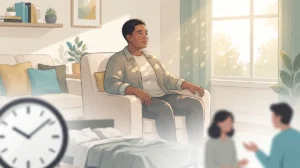
You lie down, close your eyes, and then it starts. Your mind races. You start worrying about whether you’ll sleep at all tonight. The clock ticks. Your anxiety grows. Welcome to the exhausting world of sleep anxiety — and you are far from alone in it.
Sleep anxiety is more than just trouble falling asleep. It’s a cycle where fear about sleep actually makes sleep harder to achieve. And the less you sleep, the more anxious you feel the next day. Research shows that people with insomnia are 17 times more likely to experience anxiety compared to those who sleep well. That’s a staggering number — and it tells us just how deeply sleep and mental health are connected.
The good news? Sleep anxiety is very treatable. With the right support, you can break this cycle and start getting the rest your mind and body truly need. This guide will walk you through what sleep anxiety is, why it happens, and — most importantly — how to overcome it step by step.

What Is Sleep Anxiety?
Sleep anxiety is a specific type of anxiety centered on fear or worry about sleep. It’s not just regular stress about a busy day. It’s a pattern of dread that appears at bedtime, making it very hard to relax and drift off. You might worry that you won’t sleep well, that you’ll feel awful tomorrow, or that you’ll never be able to sleep “normally” again.
This kind of anxiety is closely linked to insomnia. In fact, approximately 50% of all insomnia cases are directly tied to depression, anxiety, or psychological stress. Sleep anxiety can affect anyone — adults, teenagers, and even young children. If you’re curious about the broader picture of anxiety treatment and how it shows up in daily life, understanding sleep anxiety is a great starting point.

How Sleep Anxiety Creates a Vicious Cycle
Here’s what makes sleep anxiety so tricky: the worry itself keeps you awake, which then gives you more to worry about. It self-perpetuates. Think of it like this — you’re afraid you won’t sleep, so your body activates its stress response. Your heart rate goes up. Your muscles tense. Your brain stays alert. None of that is helpful for sleep.
The next morning, you feel tired, irritable, and more emotionally reactive. This makes anxiety worse throughout the day, setting you up for another rough night. Research confirms that improving sleep quality has a significant, measurable effect on reducing both depression and anxiety symptoms. So the relationship goes both ways — better sleep leads to better mental health, and better mental health leads to better sleep.
If you’ve ever wondered why your anxiety feels worse at night, this cycle is a big part of the answer.
Common Symptoms of Sleep Anxiety
Recognizing sleep anxiety is the first step toward getting help. Symptoms can look different from person to person, but there are common patterns to watch for.
Emotional and mental symptoms may include:
- Racing thoughts at bedtime
- Fear or dread as nighttime approaches
- Worrying about tomorrow’s tasks while trying to sleep
- Feeling panicked when you can’t fall asleep quickly
- Ruminating on past events or future worries in bed
Physical symptoms may include:
- Increased heart rate at bedtime
- Muscle tension or restlessness
- Sweating or feeling too hot in bed
- Shallow breathing or feeling short of breath
- Waking up frequently throughout the night
For teens, sleep anxiety can look a bit different. It often shows up as procrastinating bedtime, frequent nightmares, or physical complaints like stomachaches. Parents navigating this can explore options like virtual therapy for adolescents in Brandon, FL as an accessible starting point.
Sleep Anxiety vs. General Anxiety: What’s the Difference?
General anxiety involves worry that spans many areas of life — work, relationships, health, finances. Sleep anxiety is more focused. It zeroes in specifically on sleep itself. You might feel fine during the day but become overwhelmed with dread as bedtime approaches.
That said, they often go hand in hand. Many people with generalized anxiety disorder also develop sleep anxiety as a secondary issue. Sleep anxiety can also appear alongside depression, PTSD, and other mood-related conditions. You can find helpful information about how these conditions intersect through resources like the Mental Health Resources provided by national organizations.
Step-by-Step: How to Overcome Sleep Anxiety
Here’s the part you’ve been waiting for — the actual steps to take. These are evidence-based strategies that mental health professionals recommend. They work best when combined, and even better when guided by a qualified therapist.
Step 1: Understand What’s Driving Your Anxiety
Start by getting curious about your sleep anxiety rather than fighting it. Ask yourself: What am I actually afraid of? Is it the physical feeling of lying awake? Fear of being exhausted the next day? Worry about losing control? Identifying the root helps you address the actual problem, not just the symptoms.
Journaling before bed can help with this. Write down your worries and then close the notebook — symbolically setting them aside for the night.
Step 2: Try Cognitive Behavioral Therapy for Insomnia (CBT-I)
The gold-standard treatment for sleep anxiety is Cognitive Behavioral Therapy for Insomnia (CBT-I). This structured, short-term therapy helps you identify and change the thoughts and behaviors that are fueling poor sleep. It typically lasts just four to eight sessions, making it very accessible.
CBT-I works by retraining your brain’s relationship with sleep. You’ll learn to challenge unhelpful beliefs (“I need 8 hours or my day is ruined”) and replace them with more balanced ones. It also includes techniques like sleep restriction and stimulus control, which rebuild a healthy sleep-wake rhythm. Working with a trained psychotherapist is the most effective way to go through this process.
Step 3: Build a Strong Sleep Hygiene Routine
Sleep hygiene refers to the daily habits and environment that support good sleep. These changes might seem small, but they create a powerful foundation for restful nights.
- Set a consistent sleep and wake time — even on weekends. This trains your body’s internal clock.
- Create a wind-down routine — spend 30 to 60 minutes before bed doing calming activities like reading, stretching, or taking a warm bath.
- Limit screens before bed — blue light from phones and laptops suppresses melatonin and signals your brain to stay awake.
- Keep your bedroom cool, dark, and quiet — your environment sends powerful signals to your nervous system.
- Avoid caffeine after noon — caffeine has a half-life of about five to six hours, meaning it can still be active in your system at bedtime.
- Avoid lying in bed awake for long periods — if you can’t sleep after 20 minutes, get up and do something calm until you feel sleepy again.
Step 4: Use Relaxation Techniques at Bedtime
Relaxation techniques directly calm your nervous system and reduce the physical symptoms of anxiety. They’re simple to learn and can be done right in your bed.
- Diaphragmatic breathing: Breathe in slowly for four counts, hold for four, exhale for six. This activates the parasympathetic nervous system.
- Progressive muscle relaxation: Tense and release each muscle group from your toes to your head.
- Guided imagery: Visualize a peaceful scene in detail — a beach, a forest, wherever feels calm to you.
- Mindfulness meditation: Focus on the present moment without judgment. Apps can be helpful for beginners. You can also learn more about how to use meditation for stress and anxiety relief.
Step 5: Address Underlying Mental Health Conditions
Sleep anxiety often doesn’t exist on its own. It frequently appears alongside depression, PTSD, panic attacks, and other mood issues. If that’s the case for you, treating those underlying conditions is essential for lasting sleep improvement.
For example, if trauma is affecting your ability to sleep, trauma therapy can help you process and release the experiences keeping your nervous system on high alert. If depression is causing you to sleep too much or too little, dedicated depression treatment addresses the root cause directly. The mental health connection to sleep is real, and treating both together yields the best results.
Step 6: Reduce Daytime Anxiety Triggers
What happens during the day impacts what happens at night. High daytime stress keeps your cortisol levels elevated, making it hard for your body to shift into sleep mode. Try these daytime habits to reduce nighttime anxiety:
- Schedule a 10-15 minute “worry time” during the day — write down concerns so they don’t pile up at bedtime.
- Limit news consumption, especially in the evening.
- Exercise regularly, but not within three hours of bedtime.
- Connect with supportive people and maintain social bonds.
- Learn to recognize when you’re building toward a nocturnal panic attack so you can intervene earlier.
How Therapy Helps with Sleep Anxiety
Working with a therapist is one of the most effective ways to address sleep anxiety for the long term. A skilled therapist doesn’t just teach you techniques — they help you understand the deeper patterns driving your anxiety. They create a safe, supportive space to explore what’s underneath the sleeplessness.
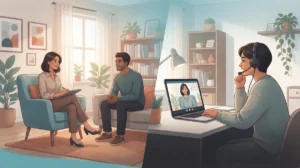
At West Florida Therapy, Margaret Deuerlein is a caring and experienced psychotherapist who works with adults, adolescents, and couples struggling with anxiety, depression, and related issues. Whether you prefer in-person sessions in Brandon, Florida, or convenient telehealth therapy across Florida, support is available in both English and Spanish. You can visit West Florida Therapy on Google to read reviews and learn more about the practice.
Therapy for sleep anxiety typically involves CBT-I, relaxation training, and treating any co-occurring conditions. Research shows that improving sleep has a measurable positive effect on Substance Abuse & Mental Health outcomes, and professional support accelerates that progress significantly. You can also explore the wide range of mental health services available to find the right fit for your needs.
A Quick Comparison: Self-Help vs. Professional Support
| Approach | Best For | Limitations |
|---|---|---|
| Sleep hygiene habits | Mild, situational sleep issues | May not address root causes |
| Relaxation techniques | Reducing physical anxiety symptoms | Doesn’t treat underlying anxiety disorder |
| CBT-I with a therapist | Moderate to severe sleep anxiety | Requires commitment (4-8 sessions) |
| Comprehensive therapy | Sleep anxiety + co-occurring conditions | Takes more time but yields lasting results |
When to Seek Professional Help for Sleep Anxiety
You don’t have to wait until things feel unbearable to reach out for support. Consider connecting with a mental health professional if:
- Sleep anxiety has been going on for more than a few weeks
- Your sleep issues are affecting your work, relationships, or daily functioning
- You feel dreaded or hopeless about sleep most nights
- You’re relying on alcohol or sleep aids to cope
- You notice signs of depression or mood dysregulation alongside your sleep problems
Reaching out early makes a real difference. Sleep anxiety responds very well to treatment when addressed promptly. For Floridians looking for guidance, Mental Health Links from the Florida Department of Health also provides helpful local resources.
A Note for Teens and Young Adults
Sleep anxiety is especially common in teenagers and young adults. Academic pressure, social stress, and big life transitions can all disrupt sleep in significant ways. If you’re a teen or a parent of one struggling with this, know that effective help is available. Explore resources like common mistakes to avoid when choosing teen therapy to make a confident, informed decision.
For Gen Z young adults navigating sleep anxiety alongside academic stress or life transitions, telehealth therapy across Florida offers a flexible, convenient option to get real support from wherever you are.
Your Path to Restful Sleep Starts Here
Sleep anxiety can feel like a trap — the more you worry about sleep, the harder sleep becomes. But this cycle can absolutely be broken. With the right strategies, support, and a compassionate therapist by your side, restful nights are within reach.
You deserve to feel rested, calm, and ready for each new day. Whether you’re dealing with racing thoughts at midnight, dread at bedtime, or waking up at 3 a.m. with your mind spinning, there is a path forward. Small, consistent steps — combined with professional support when needed — can transform how you sleep and how you feel.
Ready to stop dreading bedtime and start sleeping well? Reach out to West Florida Therapy today to schedule your free 15-minute consultation with Margaret Deuerlein. In-person sessions are available in Brandon, Florida, and telehealth appointments are available throughout all of Florida — in English and Spanish. Real rest, and real relief, are closer than you think.
FAQs
Q: What exactly is sleep anxiety and how is it different from regular stress?
A: Sleep anxiety is a specific fear or dread centered on sleep itself — worrying about whether you’ll fall asleep or stay asleep. Unlike everyday stress, which covers many life areas, sleep anxiety zeroes in on bedtime and creates a self-reinforcing cycle where the worry actually keeps you awake. The good news is that once you recognize it, you can absolutely start breaking that cycle!
Q: Can sleep anxiety be a sign of a deeper mental health condition?
A: Yes, it can — and that’s actually really important to know. Sleep anxiety frequently appears alongside depression, PTSD, generalized anxiety disorder, and panic disorder. About 50% of all insomnia cases are tied to psychological stress or mental health conditions. If your sleep anxiety feels intense or persistent, connecting with a therapist can help uncover and treat what’s underneath.
Q: How many therapy sessions does it typically take to treat sleep anxiety?
A: The primary treatment for sleep anxiety — Cognitive Behavioral Therapy for Insomnia (CBT-I) — typically takes just four to eight sessions. Many people notice meaningful improvement within the first few weeks! The short-term nature of CBT-I makes it a very accessible and encouraging option for people ready to make a change.
Q: What can I do tonight to ease sleep anxiety on my own?
A: Try a simple wind-down routine: put away your phone 30 minutes before bed, try slow diaphragmatic breathing (inhale for 4 counts, exhale for 6), and jot down any worries in a journal so your mind can let them go. These aren’t magic fixes, but they genuinely calm your nervous system and make falling asleep easier. Combined with professional support, they work even better!
Q: Is sleep anxiety common in teenagers and young adults?
A: Absolutely — sleep anxiety is very common in teens and young adults, often triggered by school pressure, social stress, and major life transitions. The great news is that therapy works really well for this age group, and options like telehealth make getting support easier than ever. If a teen in your life is struggling with sleep, reaching out to a therapist sooner rather than later makes a real difference.