Key Takeaways
-
CBT and exposure therapy are the most effective, evidence-based treatments for phobias, with many people experiencing meaningful improvement within 8-15 sessions.
-
Phobias worsen without treatment due to avoidance patterns, but they’re among the most treatable mental health conditions when addressed with professional support.
-
Multiple therapy formats are available in Brandon including in-person, telehealth, and bilingual services, making treatment accessible regardless of schedule or language preference.
-
Choose a therapist specialized in anxiety/phobias with CBT training, verified insurance compatibility, and experience with your age group for the best outcomes.
-
Phobias often co-occur with depression, chronic stress, and relationship strain; comprehensive treatment should address these connected mental health challenges.
-
Teens respond exceptionally well to virtual phobia therapy in supportive, non-judgmental settings, removing barriers like transportation while building confidence at their own pace.
Living with a phobia can feel exhausting. Whether it’s a fear of heights, social situations, flying, or something else entirely, phobias have a way of quietly shrinking your world. You start avoiding places, making excuses, and before long, the fear is running your life. The good news? Phobia treatment in Brandon is accessible, effective, and closer than you think.
If you’re in Brandon, FL, or anywhere in Florida, help is available. Evidence-based therapies like Cognitive Behavioral Therapy (CBT) and exposure therapy have helped thousands of people break free from their fears. In this guide, we’ll walk you through how to find the right support, what to expect from treatment, and how to take that first courageous step forward.
What Is a Phobia and Why Does It Need Treatment?
A phobia is more than just a strong dislike. It’s an intense, irrational fear that causes real distress and interferes with daily life. Phobias are a type of anxiety disorder, which means the brain has learned to respond to something harmless as if it were genuinely dangerous.
Common types include specific phobias (like fear of spiders or needles), social phobia, and agoraphobia. Without treatment, phobias tend to get worse over time. The more you avoid the feared thing, the stronger the fear becomes. You can learn more about Anxiety Treatment and how it connects to phobia care.
The encouraging news is that phobias are among the most treatable mental health conditions. According to research, Mental Health Resources from the CDC confirm that structured therapy dramatically improves outcomes for people with anxiety-related conditions.
Step 1: Recognize the Signs That You Need Help
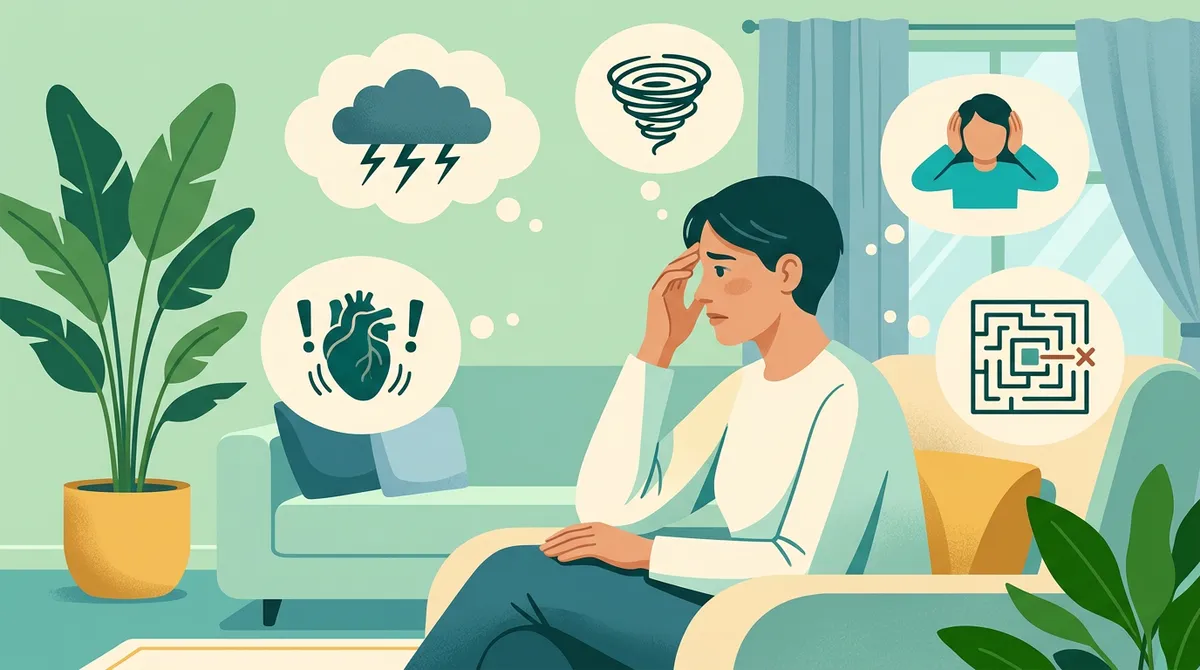
Before you can find treatment, it helps to know whether what you’re experiencing qualifies as a phobia. Here are some common signs to look for:
- You avoid specific places, objects, or situations at all costs
- Thinking about your fear causes immediate anxiety or panic
- You know the fear is out of proportion but can’t control it
- The avoidance is affecting your work, relationships, or daily activities
- You experience physical symptoms like sweating, shaking, or a racing heart
- The fear has lasted six months or longer
If several of these sound familiar, it may be time to reach out for professional support. Phobias rarely resolve on their own, and there’s absolutely no shame in asking for help. If Panic Attacks are part of your experience, therapy can address those as well.
Step 2: Learn About the Most Effective Phobia Treatments
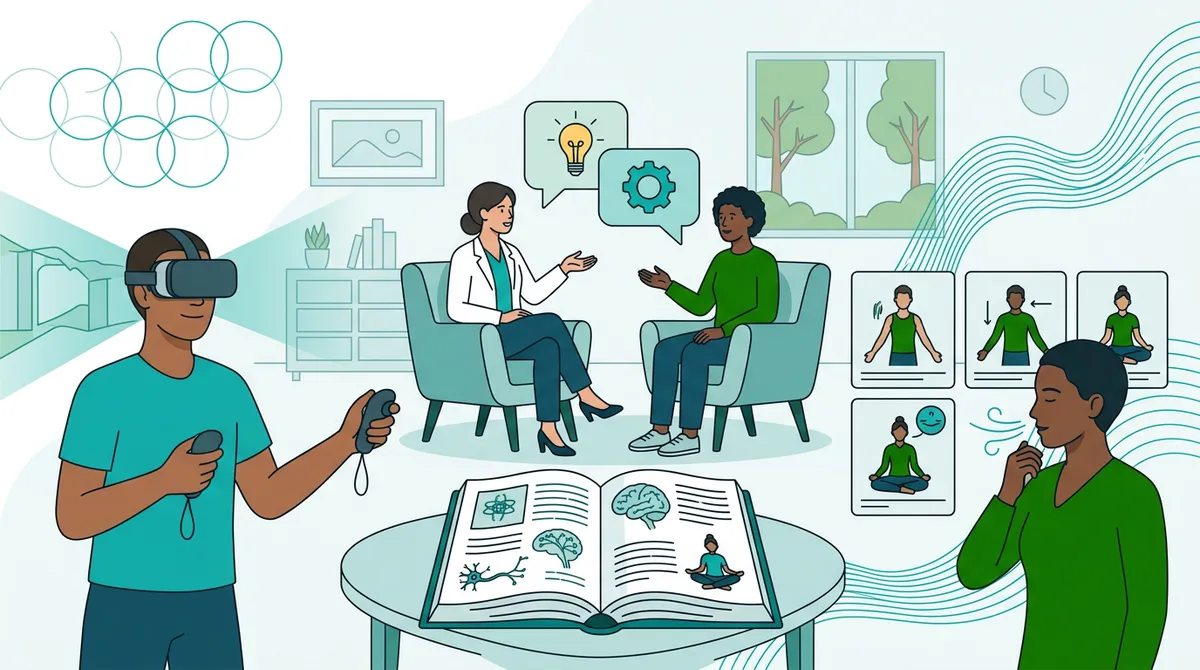
Understanding your treatment options helps you feel more confident going into the process. Here are the most widely used and research-backed approaches for phobia treatment in Brandon:
Cognitive Behavioral Therapy (CBT)
CBT is the gold standard for treating phobias. It works by helping you identify and challenge the negative thought patterns that fuel your fear. A therapist guides you through examining the beliefs behind your phobia and replacing them with more balanced, realistic thinking.
Research consistently shows that talk therapy, particularly CBT, is equally effective as medication for anxiety and phobia treatment. Many people see meaningful improvement within just a few months of sessions.
Exposure Therapy
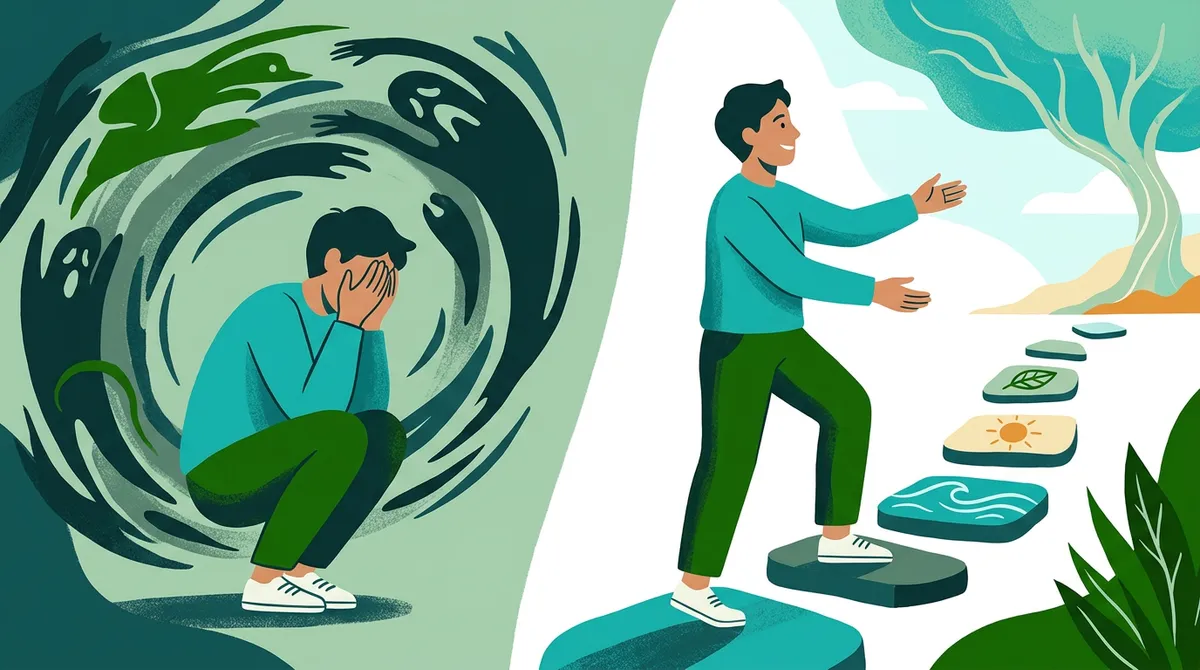
Exposure therapy is often used alongside CBT. The idea is simple but powerful: by gradually and safely confronting what you fear, your brain learns that the threat isn’t real. This process is known as Exposure and Response Prevention (ERP).
Your therapist will never push you faster than you’re comfortable with. The process is collaborative, step-by-step, and designed to build your confidence as you go.
Relaxation and Breathing Techniques
Therapists like Philip Fauerbach, LMHC in Brandon also teach practical coping tools such as breathing exercises and increasing day-to-day activity. These techniques help manage the physical symptoms of anxiety while you work through deeper patterns in therapy. Understanding Anxiety Signs, Types, and Treatment Options can give you a helpful head start.
Step 3: Compare Your Treatment Options in Brandon
Knowing what’s available in and around Brandon helps you make an informed decision. Here’s a quick overview of common therapy formats:
| Treatment Format | Best For | Availability in Brandon |
|---|---|---|
| In-Person Individual Therapy | Adults and adolescents seeking face-to-face support | Available at local clinics and private practices |
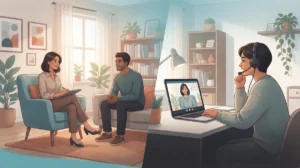
| Virtual Therapy (Telehealth) | Remote clients, busy schedules, Gen Z and Millennials | Available statewide through providers like West Florida Therapy |
| Bilingual Therapy (English/Spanish) | Spanish-speaking adults seeking culturally sensitive care | Available through select providers including West Florida Therapy |
| Group Therapy | Social phobia and peer connection | Available at some clinics in the Tampa Bay area |
Whether you prefer meeting a therapist in person or from the comfort of your home, there is a format that works for you. Telehealth has made phobia treatment in Brandon more accessible than ever before, especially for young adults managing busy school or work schedules.
Step 4: Choose the Right Therapist for Your Needs
Finding the right therapist makes a significant difference in your recovery. Here’s a step-by-step approach to help you choose wisely:
- Look for specialization in anxiety and phobias. Not all therapists work with phobias specifically. Look for someone trained in CBT and exposure therapy.
- Consider language and cultural fit. If English is not your first language, finding a bilingual therapist can make sessions more comfortable and effective.
- Check for experience with your age group. Adolescents and young adults benefit from therapists who understand their specific pressures and communication styles.
- Ask about telehealth availability. If you live outside Brandon or have a tight schedule, virtual sessions give you flexibility without sacrificing quality care.
- Verify insurance compatibility. Many clinics in Brandon accept Aetna, Medicare, and other major plans. Always confirm before booking.
Margaret Deuerlein, a caring and experienced psychotherapist at West Florida Therapy, works with individuals across Florida to address anxiety, phobias, and related challenges. Her warm, compassionate approach makes it easier to open up about even the most overwhelming fears.
Step 5: Know What to Expect During Phobia Treatment
Starting therapy can feel intimidating, especially if you’ve never been before. Here’s what typically happens during phobia treatment:
- Initial assessment: Your therapist will ask about your history, the nature of your phobia, and how it affects your life.
- Goal setting: Together, you’ll identify what success looks like for you — maybe riding an elevator, attending a social event, or flying to visit family.
- Skill building: You’ll learn coping strategies, breathing techniques, and thought-challenging skills before beginning exposure work.
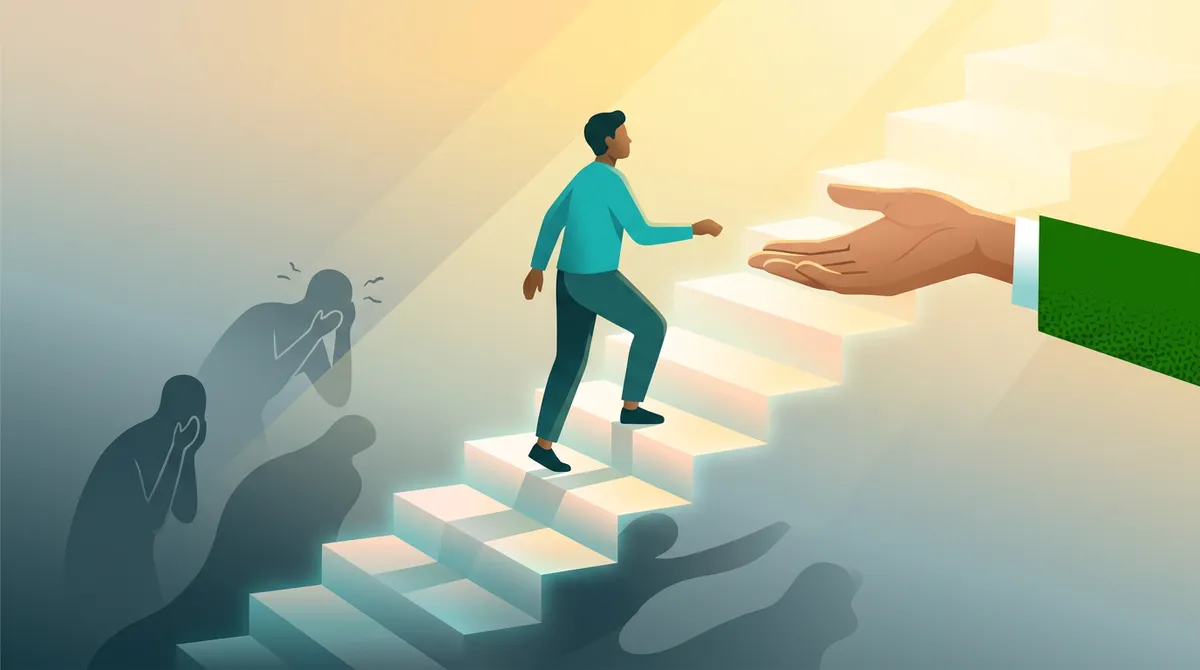
- Gradual exposure: You’ll work through a personalized “fear ladder,” starting with less scary situations and building up over time.
- Progress review: Your therapist will regularly check in on your progress and adjust the plan as needed.
Phobia treatment length varies depending on the type and severity of the phobia. Many people experience meaningful improvement within 8 to 15 sessions. Others may benefit from longer-term support, especially if the phobia is connected to Trauma Therapy needs.
How Phobias Connect to Other Mental Health Concerns
Phobias rarely exist in isolation. They often appear alongside other mental health challenges. Understanding these connections helps you get more complete care.
- Depression: Prolonged avoidance from phobias can lead to isolation and low mood. Learn more about Depression Treatment if this resonates.
- Chronic stress: Ongoing fear takes a serious toll on the body. Research shows anxiety correlates with cardiovascular problems, inflammation, and digestive issues. Read more about Acute vs. Chronic Stress.
- Relationship strain: Phobias can create tension in relationships when partners don’t understand what you’re going through. Couples Therapy can help both of you navigate this together.
- Mood disorders: Anxiety and mood issues often overlap. Explore Mood Issues support if you’re experiencing both.
For comprehensive support options across Florida, the Substance Abuse & Mental Health services through the Florida Department of Children and Families offer helpful resources and referrals.
Special Considerations for Teens and Young Adults
Phobias often begin in childhood or adolescence. School pressures, social anxiety, and family stress can all trigger or worsen fears during these years. If you’re a parent of a teen who seems to be struggling, early intervention is key.
Adolescents aged 13 to 17 respond very well to CBT and exposure-based therapy when delivered in a supportive, non-judgmental environment. Virtual sessions can also be less intimidating for teens who feel more comfortable in their own space. The Services at West Florida Therapy include therapy for both adolescents and adults.
For Gen Z young adults navigating college, career transitions, or isolation, telehealth therapy removes the barriers of transportation and scheduling. You can access quality phobia treatment in Brandon from anywhere in Florida with just a phone or laptop.
Practical Tips to Support Your Phobia Treatment
Therapy is the core of effective phobia treatment, but there are supportive habits that make a real difference between sessions:
- Practice the breathing and grounding techniques your therapist teaches you daily
- Keep a fear journal to track your triggers, reactions, and progress
- Exercise regularly — physical activity has been shown to reduce anxiety symptoms significantly
- Stay connected with supportive friends or family members
- Avoid using alcohol or substances to cope with your phobia
- Be patient with yourself — recovery is a process, not a single event
You can also explore Mental Health Links from the Florida Department of Health for community resources to complement your therapy journey.
How to Take the First Step Toward Phobia Treatment in Brandon
The hardest part is often just getting started. Here’s a simple action plan to move forward today:
- Acknowledge that your phobia is real and that help is available
- Research local and virtual therapists who specialize in anxiety and phobias
- Check your insurance benefits or ask about self-pay options
- Schedule an initial consultation — many therapists offer a brief intro call
- Show up, be honest, and trust the process
If you’re looking for a warm, bilingual, and experienced therapist in Florida, Margaret Deuerlein at West Florida Therapy is here to help. Whether you prefer meeting in person or virtually, individualized care is just a conversation away. You can also visit us on Google to read reviews and learn more about our practice before reaching out.
Visit our Mental Health page to explore how we approach anxiety, phobias, and overall well-being. You deserve to live a full, free life — and with the right support, that’s absolutely possible.
You Don’t Have to Face This Alone
Phobias can feel isolating. But thousands of people across Florida have worked through their fears and gone on to do the very things that once felt impossible. Effective phobia treatment in Brandon is within your reach, and taking that first step is already a sign of incredible strength.
Whether you’re a Spanish-speaking adult looking for bilingual care, a millennial balancing work stress with a hidden fear, a teen struggling with social anxiety, or a young adult navigating life’s big changes — there is a path forward that’s designed just for you.
Ready to start? Reach out to our team today and take the first step toward a life no longer limited by fear. You’ve got this — and we’re here to help every step of the way.
FAQs
Q: What is the best therapy for phobias in Brandon, FL?
A: Cognitive Behavioral Therapy (CBT) combined with exposure therapy is considered the most effective treatment for phobias. It helps you challenge fearful thoughts and gradually face what scares you in a safe, supportive setting — and the results can be truly life-changing!
Q: Are there telehealth options for phobia treatment in Brandon?
A: Absolutely! Many therapists in and around Brandon offer virtual therapy sessions via telehealth. Providers like West Florida Therapy serve all of Florida virtually, so you can access quality phobia treatment from wherever you feel most comfortable.
Q: How long does phobia treatment typically take?
A: Many people begin to see real improvement within 8 to 15 therapy sessions, though this varies depending on the type and severity of the phobia. Your therapist will work with you to create a personalized plan that fits your pace and goals.
Q: Is bilingual phobia therapy available in Brandon?
A: Yes! Bilingual (English/Spanish) therapy is available through select providers, including West Florida Therapy. Having a therapist who speaks your language can make sessions feel more comfortable and help you express yourself more freely.
Q: Can teenagers receive phobia treatment in Brandon?
A: Definitely — and early treatment is especially helpful for teens! Many therapists in Brandon specialize in working with adolescents aged 13 to 17, offering both in-person and virtual sessions that fit busy school schedules and feel approachable for younger clients.