Key Takeaways
-
EFT has proven 70-75% recovery rates for relationship distress and typically requires only 8-20 sessions, making it a short-term, evidence-based approach with strong clinical backing.
-
EFT treats emotions as adaptive signals rather than problems to fix, helping you understand what your feelings are communicating about unmet needs and guiding real behavioral change.
-
The three-stage EFT model—de-escalation, restructuring interactions, and consolidation—provides a clear roadmap that breaks negative relationship cycles and builds healthier communication patterns.
-
EFT works beyond couples therapy for individuals dealing with anxiety, depression, trauma, and emotional dysregulation, and for teens navigating school pressure and family conflict.
-
Virtual sessions and bilingual Spanish-language therapy options make EFT accessible to busy professionals and Spanish-speaking adults who may face language or scheduling barriers.
-
Unlike CBT which focuses on changing thoughts and behaviors, EFT works directly with emotions and attachment bonds, making it feel more natural for people who struggle with cognitive approaches.
Feeling stuck in the same arguments with your partner? Struggling with anxiety, depression, or emotional pain that just won’t go away? You are not alone — and there is real hope. Brandon emotionally focused therapy offers a proven, compassionate approach to healing emotions and building stronger connections. Whether you are an individual looking to manage stress or a couple trying to rebuild trust, emotionally focused therapy (EFT) could be the turning point you have been searching for.
At West Florida Therapy, psychotherapist Margaret Deuerlein works with adults, adolescents, and couples throughout Brandon and all of Florida — both in-person and virtually. This article breaks down everything you need to know about EFT, how it works, and why it might be the right fit for you.
What Is Emotionally Focused Therapy?
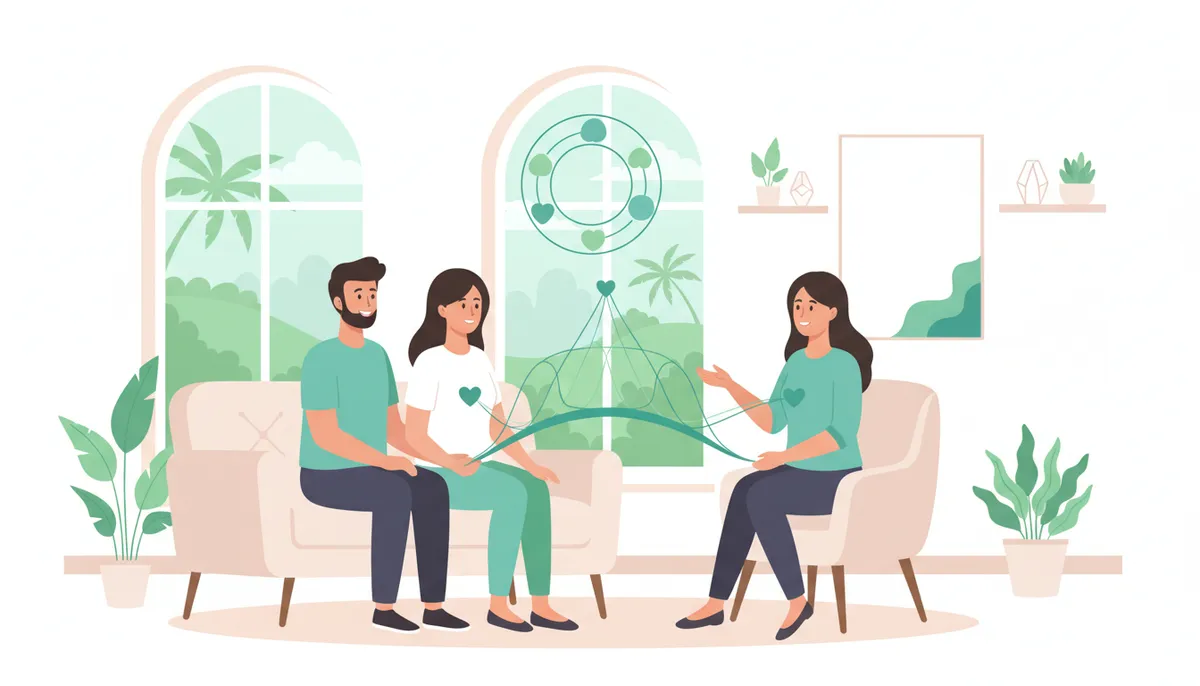
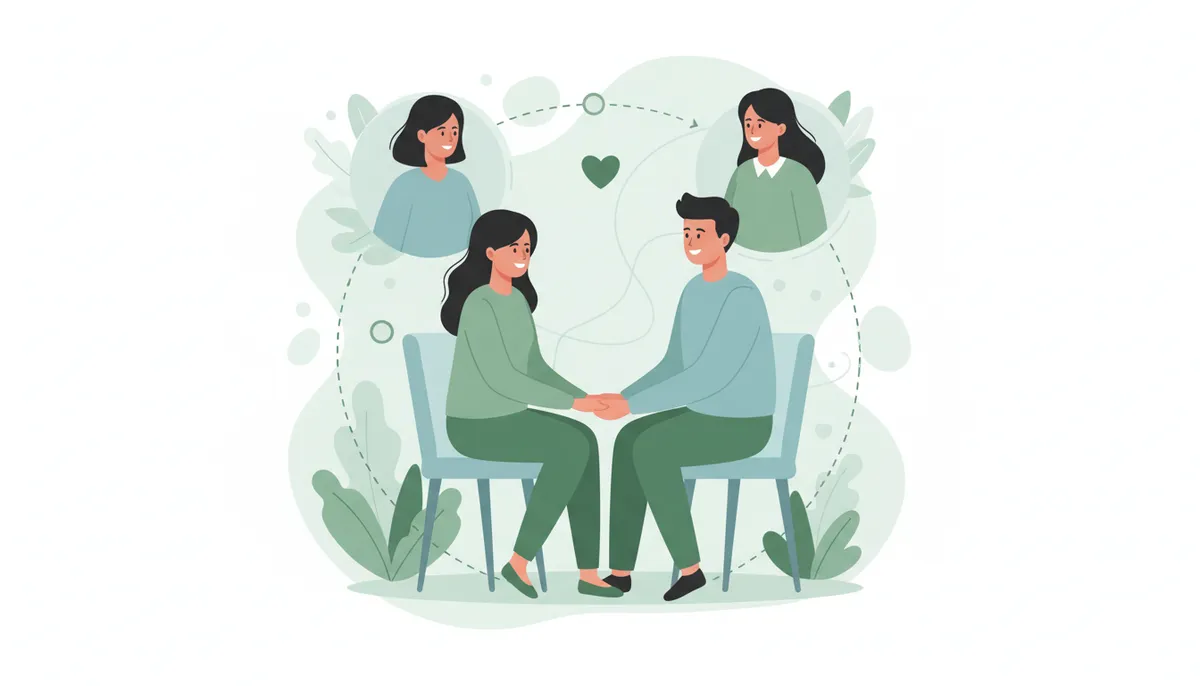
Emotionally focused therapy is a structured, evidence-based approach to psychotherapy. It was originally developed for couples, but it has grown to help individuals and families too. EFT is built on attachment theory — the idea that humans are wired for close emotional bonds, and that emotional pain often comes from feeling disconnected or unsafe in those bonds.
EFT treats emotions as adaptive signals. Your feelings are not problems to be eliminated. They are messages that guide your behavior, your needs, and your relationships. A skilled therapist helps you tune into those signals, understand them, and use them to create real change. To learn more about how emotional health affects your overall well-being, visit these Mental Health Resources from the CDC.
The Three Stages of EFT
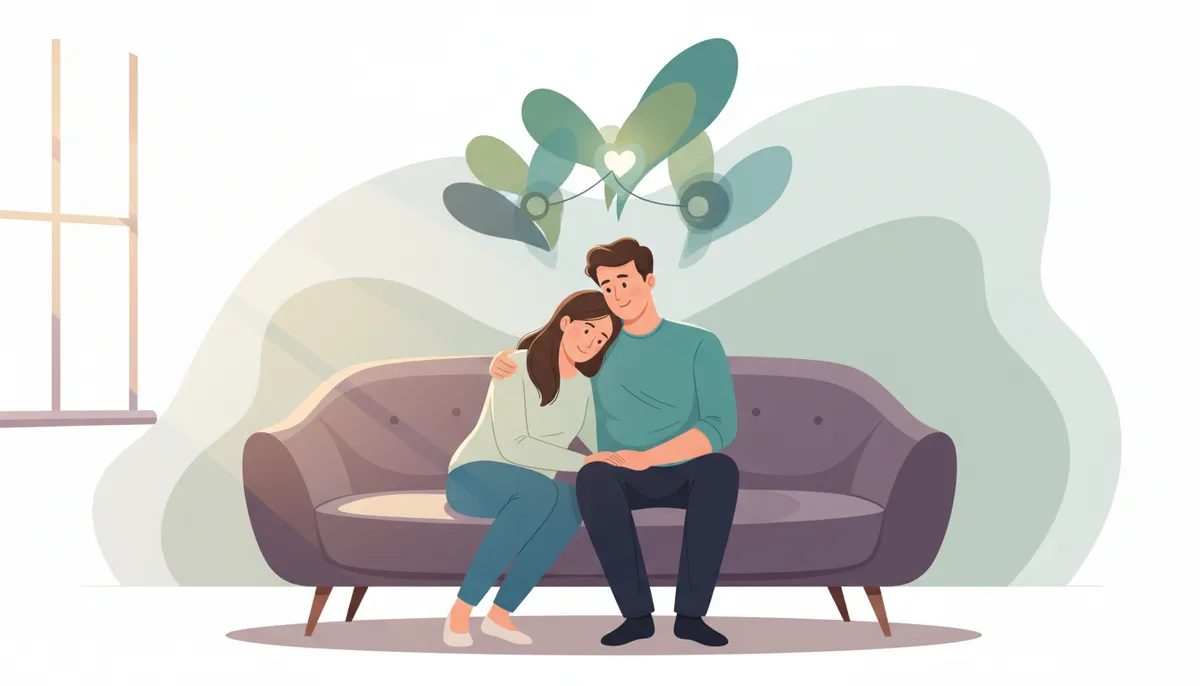
EFT follows a clear roadmap with three stages. Here is how each one works:
- De-escalation: The therapist helps identify the negative cycles that keep repeating — the arguments, the shutting down, the blame games. Once you can see the pattern, you can begin to step out of it.
- Restructuring Interactions: You start to express deeper emotions and unmet needs in a way your partner or therapist can actually hear. This creates new, healthier ways of connecting.
- Consolidation: New emotional patterns become habits. You leave therapy with stronger bonds, better communication tools, and a renewed sense of security.
These three stages apply whether you are working through couples therapy or individual sessions. The path is structured, but it always moves at your own pace.
Who Can Benefit from EFT in Brandon?
EFT is not just for couples in crisis. It helps a wide range of people dealing with very real challenges. Here are some of the most common situations where EFT makes a meaningful difference:
- Couples experiencing communication breakdowns or relationship problems
- Individuals struggling with anxiety or depression
- Adults and teens dealing with the effects of trauma
- People facing mood issues that feel hard to control
- Adolescents navigating school pressure, social anxiety, or family conflict
- Young adults in Gen Z who feel isolated or overwhelmed
- Spanish-speaking adults who want bilingual therapy in a culturally comfortable space
No matter where you are starting from, EFT meets you there with compassion and a clear plan forward.

EFT for Couples: Real Results You Can Trust
If you and your partner have been going in circles, EFT offers a way out. Research from the International Centre for Excellence in Emotionally Focused Therapy (ICEEFT) shows that EFT leads to 70–75% recovery rates from relationship distress. That is an impressive number backed by decades of clinical research.
EFT for couples focuses on breaking negative cycles, deepening emotional intimacy, and rebuilding trust. It is especially helpful for couples dealing with issues around intimacy and emotional distance. Sessions typically last between 8 and 20 sessions, making it a short-term but highly effective approach. For more information on couples and family mental health services in Florida, the Substance Abuse & Mental Health resource through Florida Families can be a helpful starting point.
EFT for Individuals: Healing from the Inside Out
EFT is not just a relationship tool. Individual EFT (called EFIT) helps people work through their own emotional landscape. It is especially powerful for those who carry deep-seated emotional wounds.
Here is what individual EFT sessions often help with:
- Understanding emotional triggers and patterns
- Building emotional regulation skills
- Healing from past psychological trauma
- Reducing symptoms of anxiety and depression
- Improving self-esteem and sense of self-worth
- Setting and achieving meaningful life goals
Margaret Deuerlein brings warmth and clinical expertise to every session, helping individuals feel safe enough to explore difficult emotions and come out stronger on the other side.
EFT for Adolescents: Support for Teens Who Are Struggling
Teenagers face enormous pressure — from school, social media, friendships, and family dynamics. EFT-based family therapy (EFFT) helps rebuild emotional connection between teens and their caregivers. It addresses the attachment bonds that are so important during the teen years.
Teens dealing with panic attacks, social anxiety, or emotional dysregulation often respond very well to EFT because it does not require them to have all the words for what they feel. Instead, it meets them in the experience itself — which is exactly where healing begins.
How EFT Compares to Other Therapy Approaches
Wondering how EFT stacks up against other types of therapy? Here is a simple comparison to help you decide:
| Feature | Emotionally Focused Therapy (EFT) | Cognitive Behavioral Therapy (CBT) | Traditional Talk Therapy |
|---|---|---|---|
| Primary Focus | Emotions and attachment bonds | Thoughts and behaviors | Insight and self-understanding |
| Structure | Three-stage model | Skill-based modules | Flexible/open-ended |
| Duration | 8–20 sessions | 12–20 sessions | Varies widely |
| Best For | Couples, trauma, emotional pain | Anxiety, phobias, habits | General personal growth |
| Evidence-Based? | Yes (over 1,000 studies) | Yes | Varies |
Each approach has its strengths. Many people find that EFT feels more natural because it works with emotions rather than trying to argue them away. If you are unsure which approach fits your needs, speaking with a qualified psychotherapist is the best first step.
What Happens in a Typical EFT Session?
Many people wonder what actually goes on during an EFT session. Here is a step-by-step look at what you might experience:
- Check-in: Your therapist starts by creating a warm, judgment-free space. You share what has been on your mind or in your heart since the last session.
- Exploring Emotions: The therapist gently guides you to slow down and tune in to what you are feeling in the moment. This is not about reliving the past — it is about understanding your emotional experience right now.
- Identifying Patterns: Together, you and your therapist look for cycles or patterns that keep showing up in your relationships or emotional life.
- Deepening and Shifting: With your therapist’s support, you begin to express deeper emotions and needs in new ways. This is where real change starts to happen.
- Reflection and Planning: Sessions close with a reflection on what was discovered and what small steps might help before the next session.
Sessions are typically 50–60 minutes and are available in-person in the Brandon area or virtually for anyone across Florida. If you have questions about what to expect, you can always reach out to our team before booking your first appointment.
Bilingual EFT Services: Therapy en Español
Finding a therapist who truly understands your culture and language makes a world of difference. At West Florida Therapy, bilingual services in English and Spanish are available. This means Spanish-speaking adults in the Brandon area can access mental health care without worrying about language barriers getting in the way.
Emotional healing is hard enough. You deserve to do it in the language where you feel most yourself. Whether you prefer English, Spanish, or a blend of both, Margaret Deuerlein is here to meet you where you are.
What to Look for in an EFT Therapist in Brandon
Not all therapists practice EFT, and the quality of your experience depends a lot on finding the right fit. Here are some important things to look for:
- Training or certification in EFT through a recognized body like ICEEFT
- Experience working with your specific concerns (couples, trauma, anxiety, etc.)
- A warm, empathic communication style
- Availability for both in-person and virtual sessions
- Bilingual skills if language access matters to you
You can also check Mental Health Links through Florida Health to explore licensed providers in your area. And if you want to learn more about what makes a great therapeutic relationship, our About page shares the philosophy and approach that guides our work.
Common Concerns About Starting Therapy
It is normal to feel hesitant about trying therapy. Here are a few common worries — and why they should not hold you back:
- “It’s too expensive.” EFT is short-term, usually 8–20 sessions. That is a worthwhile investment in your emotional health and your relationships.
- “I don’t have time.” Virtual sessions make it easy to fit therapy into a busy schedule — no commute required.
- “Talking about feelings feels uncomfortable.” A good EFT therapist never pushes you beyond your comfort zone. You go at your own pace, always.
- “My situation is too far gone.” EFT has strong success rates even for people who feel hopeless about their relationships or emotional struggles. Read more about understanding anxiety signs and treatment options if you are not sure where to start.
Taking the first step is always the hardest part. But you do not have to figure it all out before you call. Just reaching out is enough.
Take the Next Step Toward Emotional Healing
Brandon emotionally focused therapy is more than a treatment — it is a path toward a more connected, emotionally rich life. Whether you are navigating relationship conflict, processing past trauma, managing anxiety, or simply wanting to feel more like yourself again, EFT offers real, lasting results grounded in decades of research.
Margaret Deuerlein and the team at West Florida Therapy are ready to walk alongside you on that journey. You can visit our Google Business Profile to read reviews and learn more about our practice. When you are ready to take that first step, we would love to hear from you — get in touch with our team today and schedule your first session. You deserve to feel better, and we are here to help make that happen.
FAQs
Q: What is emotionally focused therapy (EFT) and how does it work?
A: EFT is a structured, evidence-based therapy that focuses on emotions and attachment bonds to help people heal and connect. A therapist guides you through identifying negative emotional patterns, expressing deeper feelings and needs, and building new, healthier ways of relating to yourself and others. It is warm, collaborative, and moves at your own pace — no pressure, just progress.
Q: Is emotionally focused therapy only for couples?
A: Not at all! While EFT was originally developed for couples, it is now widely used for individuals and families too. Individual EFT (EFIT) helps with anxiety, depression, trauma, and emotional regulation, while family-focused EFT (EFFT) supports parents and teens in rebuilding connection. There is truly something for everyone.
Q: How many sessions does emotionally focused therapy usually take?
A: EFT is considered a short-term therapy, typically lasting between 8 and 20 sessions. The exact number depends on your goals and the complexity of what you are working through. Many people notice meaningful shifts within just a few sessions, which makes it both efficient and encouraging.
Q: Can I access EFT therapy virtually in Brandon or elsewhere in Florida?
A: Absolutely! West Florida Therapy offers virtual EFT sessions for anyone across the state of Florida, in addition to in-person sessions in the Brandon area. Virtual therapy is a great option if you have a busy schedule or prefer the comfort of your own home — healing can happen wherever you are.
Q: Is EFT therapy available in Spanish at West Florida Therapy?
A: Yes! West Florida Therapy proudly offers bilingual therapy services in both English and Spanish. If you feel more comfortable expressing yourself in Spanish, therapist Margaret Deuerlein is here to support you in the language that feels most natural to you. Your comfort and connection to the process really matters.