Key Takeaways
-
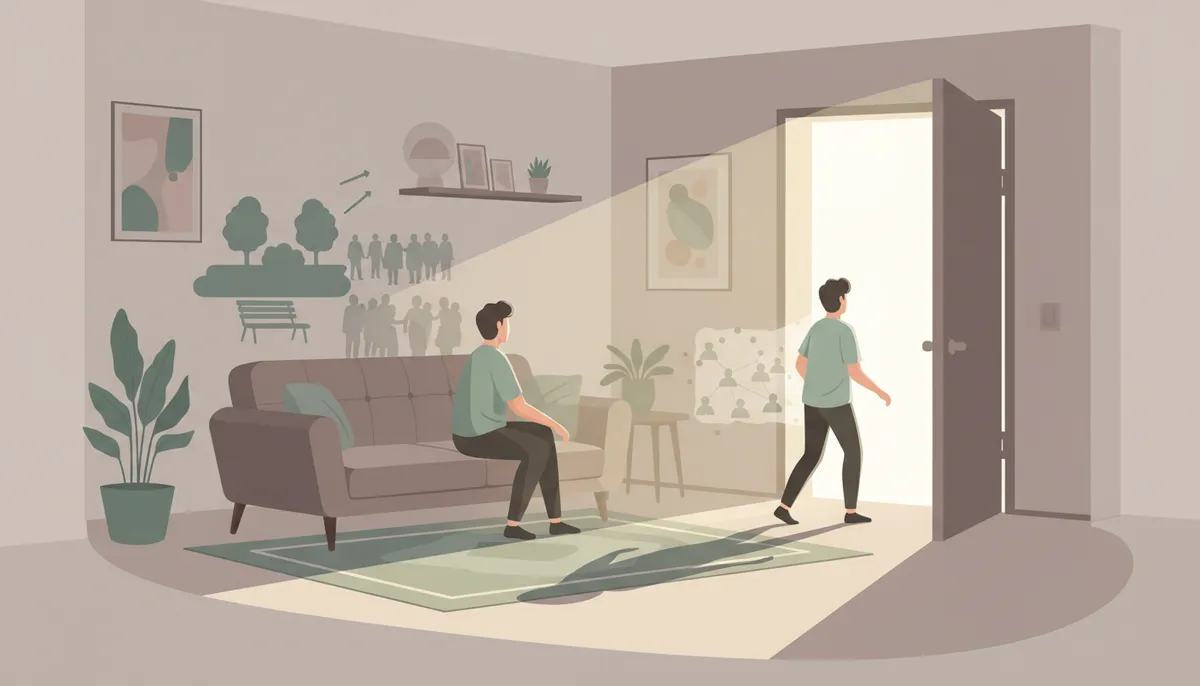
Seek therapy immediately rather than waiting months or years; untreated panic disorder worsens over time and can lead to avoidance of places, activities, and relationships that impact your quality of life.
-
Combine Cognitive Behavioral Therapy (CBT) with medication when needed, as research shows CBT alone addresses root causes and produces the most effective long-term outcomes for panic disorder.
-
Choose a therapist specifically trained in panic disorder and evidence-based approaches like CBT; ask about their experience, certifications, and session formats before booking.
-
Gradually face feared situations through exposure therapy rather than avoiding triggers, as avoidance actually strengthens panic disorder by giving fear more power over your life.
-
Address co-occurring mental health issues like depression or trauma alongside panic treatment, as ignoring these connections can stall recovery and prevent lasting results.
-
Commit to therapy for at least 8-16 sessions before judging effectiveness; many people experience significant improvement within this timeframe, but individual timelines vary.
Panic attacks can feel terrifying. Your heart races, your chest tightens, and you feel like the world is closing in. If this sounds familiar, you are not alone. Over 20 million adults in the U.S. struggle with some form of anxiety — and panic disorder is one of the most common. The good news? Help is available, and panic attacks are very treatable with the right support.
If you are looking for panic disorder therapy in Brandon, you are already taking a brave first step. But many people make avoidable mistakes along the way that slow down their progress or keep them from getting the help they truly need. This article walks you through seven of the most common pitfalls — so you can skip them entirely and get on the path to feeling better, faster.
Mistake 1: Waiting Too Long to Seek Help
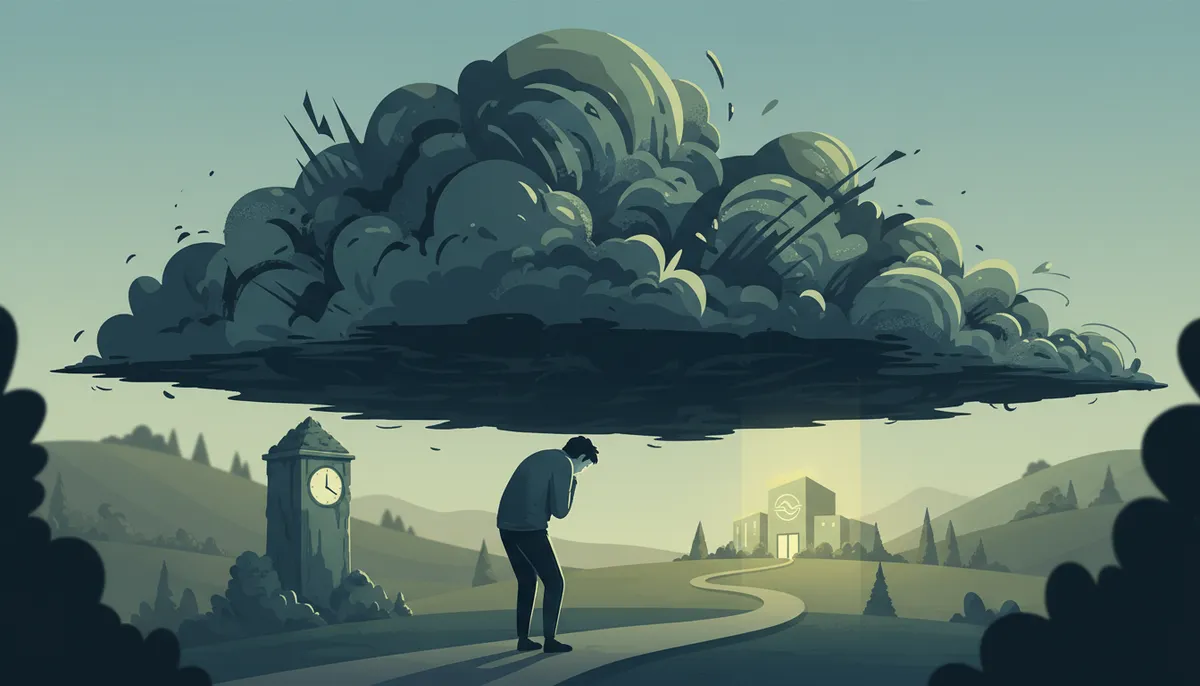
This is the biggest mistake of all. Many people wait months — sometimes years — before reaching out to a therapist. They hope the panic attacks will just go away on their own. Sometimes they do ease up for a while, but without treatment, panic disorder often gets worse over time.
Untreated panic disorder can lead to avoiding places, activities, and social situations you once loved. It can affect your work, your relationships, and your overall quality of life. The sooner you reach out, the better your chances of a full and lasting recovery. You deserve to feel like yourself again — and mental health support can make that possible.
Mistake 2: Assuming Panic Attacks Are Just Stress
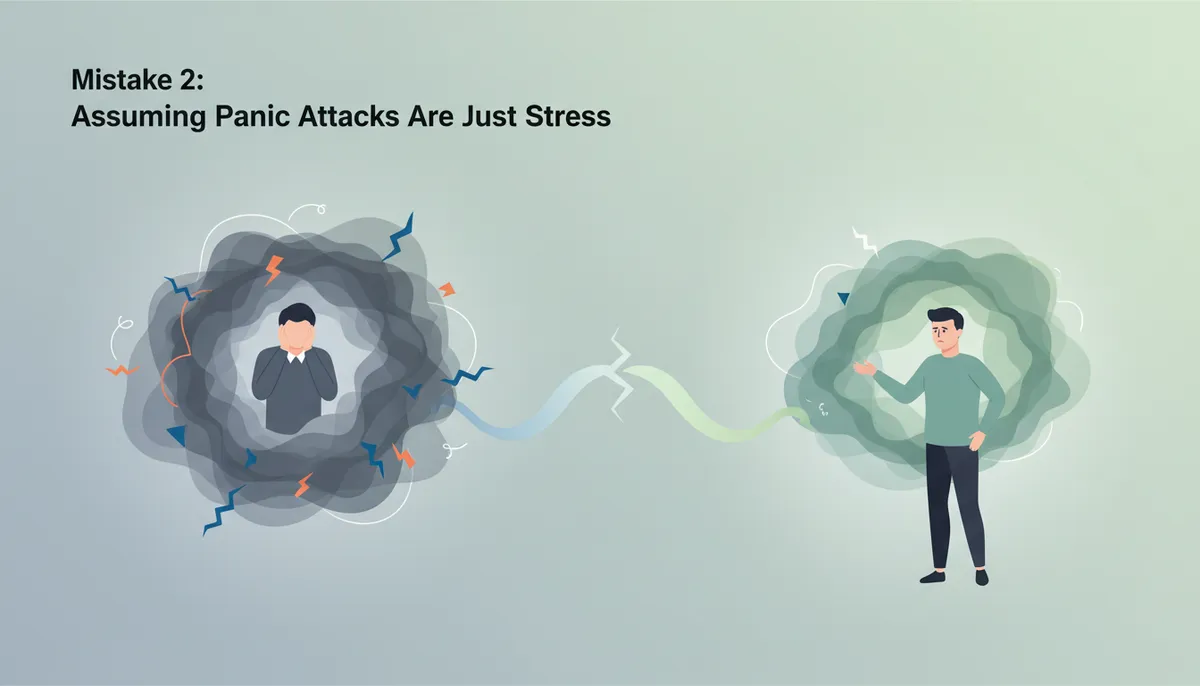
Yes, stress can trigger panic attacks. But panic disorder is different from everyday stress. It involves recurring, unexpected episodes of intense fear that come with physical symptoms like:
- Rapid or pounding heartbeat
- Shortness of breath or feeling smothered
- Chest pain or tightness
- Dizziness or feeling faint
- Numbness or tingling sensations
- Fear of losing control or dying
These symptoms are real and distressing. Brushing them off as “just stress” means missing the chance to get proper treatment. If you have had four or more of these symptoms during an episode, it is worth talking to a mental health professional. Check out this helpful guide on understanding anxiety signs, types, and treatment options to learn more.
Mistake 3: Skipping Therapy and Going Straight to Medication
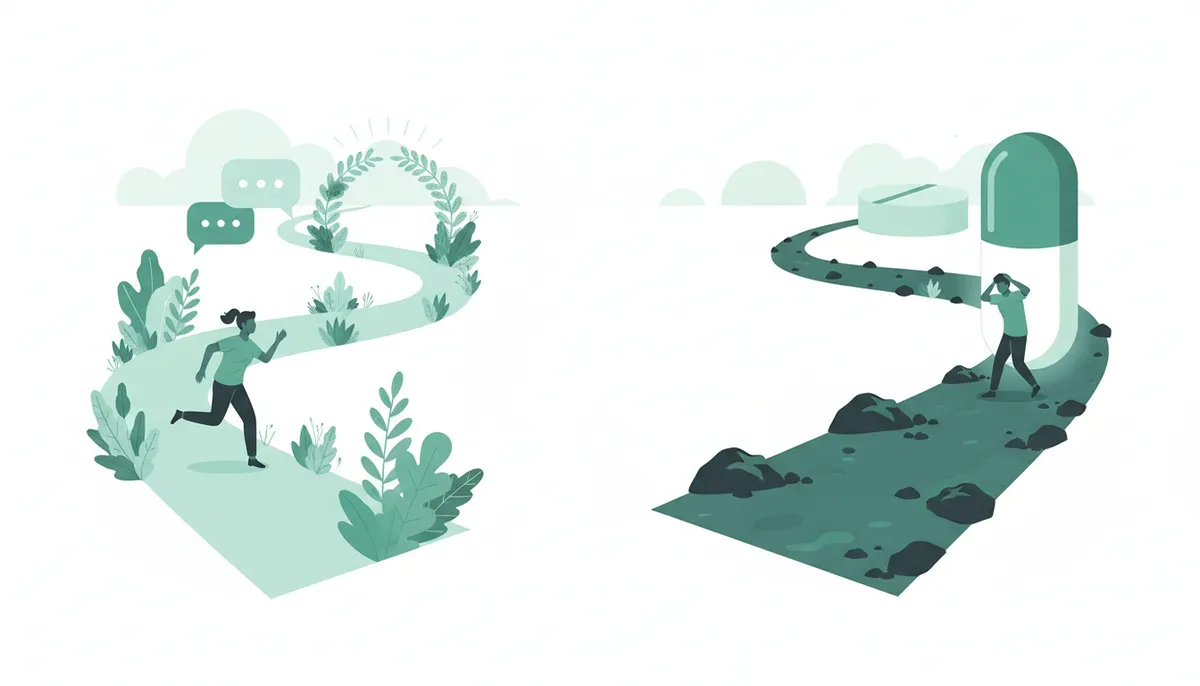
Medication can absolutely play a role in treating panic disorder. But skipping therapy and relying only on medication is a common mistake. Research consistently shows that Cognitive Behavioral Therapy (CBT) is the most effective treatment for panic disorder.
CBT helps you:
- Identify the negative thought patterns that fuel panic attacks
- Replace those thoughts with more realistic, balanced ones
- Gradually face feared situations in a safe, supported way
- Build long-term coping skills you can use for life
Medication may ease symptoms in the short term, but therapy addresses the root cause. The best outcomes often come from combining both — and a good therapist will help you figure out what approach is right for you. You can learn more about anxiety treatment options that go beyond just medication.
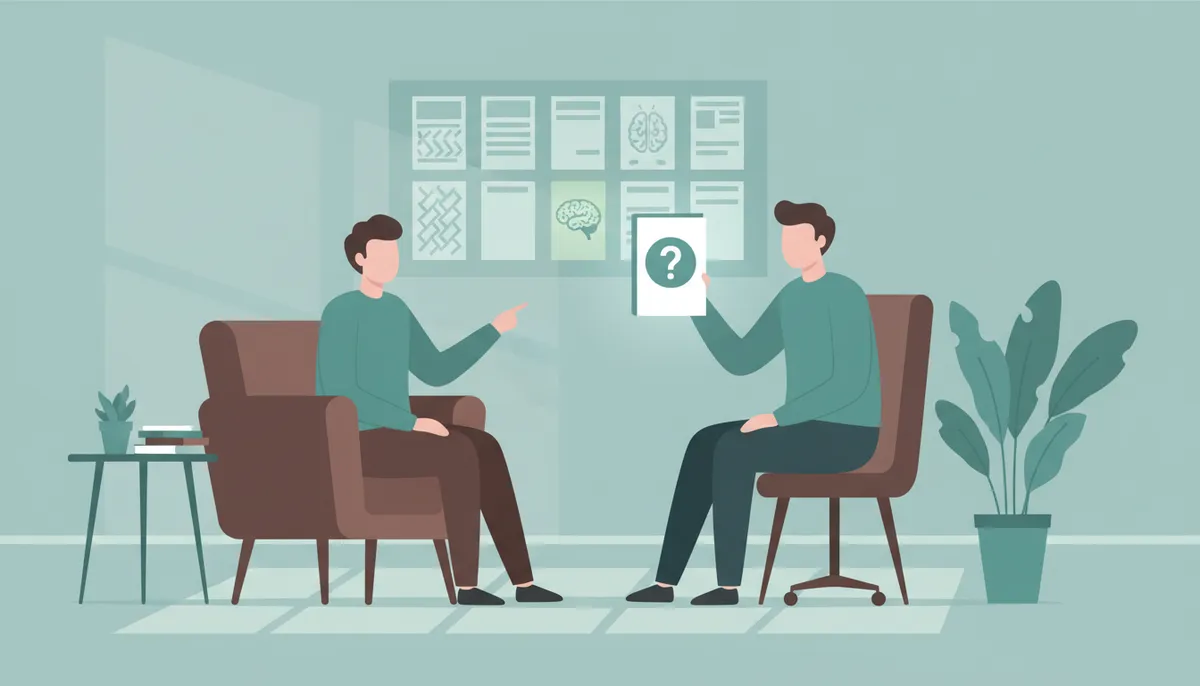
Mistake 4: Choosing a Therapist Without Checking Their Specialization
Not all therapists specialize in anxiety and panic disorder. Choosing someone without the right background can mean slower progress or feeling like therapy “isn’t working” when really it is just not the right fit.
When looking for panic disorder therapy in Brandon, ask these questions before booking:
- Do you have experience treating panic disorder specifically?
- Are you trained in CBT or other evidence-based approaches?
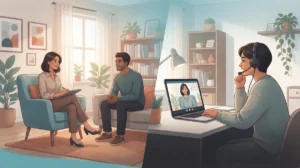
- Do you offer both in-person and virtual sessions?
- Can you accommodate bilingual (English/Spanish) clients?
At West Florida Therapy, Margaret Deuerlein is a caring and experienced psychotherapist who works with adults and adolescents dealing with anxiety, panic, and related concerns. She offers both in-person sessions in the Brandon area and virtual therapy for all of Florida. Learn more about her approach and see if it feels like a good fit for you.
Mistake 5: Avoiding Everything That Triggers Panic
It makes sense that you would want to avoid the things that make you panic. But avoidance is actually one of the main things that keeps panic disorder going. The more you avoid, the more power fear has over your life.
Avoidance can look like:
- Refusing to drive or ride in cars
- Avoiding crowded places like stores or events
- Skipping work or school during high-anxiety periods
- Withdrawing from friends and family
Therapy — especially CBT — helps you gradually face these fears in a structured, supportive way. This process is called exposure therapy, and it is one of the most powerful tools for overcoming panic. You can read more about how chronic stress and avoidance affect your health long-term.
Mistake 6: Ignoring Co-Occurring Mental Health Issues
Panic disorder rarely travels alone. Many people with panic disorder also experience depression, trauma responses, or relationship difficulties. If these issues are not addressed alongside panic disorder, recovery can stall.
Here is a quick look at common co-occurring conditions and how they connect:
| Co-Occurring Issue | How It Connects to Panic Disorder | Available Support |
|---|---|---|
| Depression | Panic attacks often lead to low mood and hopelessness | Depression Treatment |
| Trauma | Past trauma can trigger or worsen panic symptoms | Trauma Therapy |
| Relationship Stress | Panic disorder strains communication and intimacy | Couples Therapy |
| Mood Instability | Emotional swings can amplify panic symptoms | Mood Issues Support |
A good therapist will take the time to understand your full picture — not just the panic attacks. Addressing everything together leads to stronger, more lasting results. The Mental Health Resources from the CDC also highlight the importance of treating the whole person.
Mistake 7: Giving Up Too Soon
Therapy takes time. Some people feel better quickly. Others need more sessions before they notice big changes. Giving up after just a few weeks is one of the most common reasons people do not fully recover from panic disorder.
Here is a general timeline of what to expect in therapy:
- Sessions 1–3: Getting to know your therapist, discussing your history, and setting goals
- Sessions 4–8: Learning CBT skills, identifying thought patterns, and starting to practice new responses
- Sessions 9–16: Working through avoidance, building confidence, and reinforcing progress
- Ongoing: Maintenance sessions as needed to stay on track
Everyone’s journey is different. Some people see big improvements in 8–12 sessions. Others benefit from longer-term support, especially if trauma or depression is also involved. The key is to stay committed and communicate openly with your therapist about how you are feeling.
Bonus Tips for Getting the Most Out of Therapy
Beyond avoiding mistakes, there are things you can actively do to boost your progress in therapy. Here are some habits that support your healing:
- Practice breathing techniques between sessions
- Keep a journal to track your mood and panic episodes
- Limit caffeine and alcohol, which can worsen anxiety
- Get regular physical activity — even short walks help
- Reach out to supportive friends or family members
- Use mindfulness or relaxation apps between sessions
Your therapist may also recommend complementary approaches like mindfulness training, EMDR for trauma, or stress management tools. These can work hand in hand with CBT to help you feel better faster. For broader support options in Florida, explore the Substance Abuse & Mental Health resources available through the state.
A Note for Spanish-Speaking Adults in Brandon
Finding a therapist you can truly connect with is so important — and language should never be a barrier. At West Florida Therapy, bilingual services in English and Spanish are available. Whether you feel more comfortable expressing your feelings in Spanish or English, Margaret Deuerlein is here to help you feel understood and supported every step of the way.
For more information on mental health resources across Florida, the Mental Health Links from the Florida Department of Health are a great starting point. You can also visit us on Google to read reviews and learn more about the care we provide.
Is Virtual Therapy an Option for Panic Disorder?
Absolutely — and for many people, virtual therapy is actually a great fit for treating panic disorder. If leaving the house feels overwhelming, telehealth removes that barrier completely. You can attend sessions from the comfort of your own home, wherever you are in Florida.
West Florida Therapy offers virtual sessions for all of Florida. This means whether you are in Brandon, Tampa, Miami, or anywhere in between, you can access quality care without the commute. Explore our full range of therapy services to find the right fit for your needs.
Ready to Take the Next Step?
Panic disorder can feel isolating, but recovery is absolutely possible. Thousands of people find relief every year through therapy — and you can too. The most important thing is to start. Avoiding the mistakes above puts you in a much stronger position to heal and reclaim your life.
Whether you are dealing with your first panic attack or have been struggling for years, you do not have to face this alone. Margaret Deuerlein at West Florida Therapy is here to walk alongside you with warmth, expertise, and genuine care. You can also visit our psychotherapist page to learn more about how therapy works and what to expect.
Your path to peace starts with one simple action. Reach out to our team today and take the first step toward a calmer, more confident you. You deserve it.
FAQs
Q: What are the most common symptoms of panic disorder?
A: Panic disorder typically involves sudden episodes of intense fear with physical symptoms like a racing heartbeat, shortness of breath, chest tightness, dizziness, and a fear of losing control or dying. These episodes can feel overwhelming, but they are very treatable with the right support. If this sounds like what you are experiencing, reaching out to a therapist is a great first step!
Q: How effective is Cognitive Behavioral Therapy (CBT) for panic disorder?
A: CBT is considered one of the most effective treatments for panic disorder, with many people experiencing significant relief within just a few months of starting therapy. It helps you identify unhelpful thought patterns and replace them with healthier ones, while gradually building confidence in facing feared situations. Many clients feel real, lasting improvement — and that is something to feel hopeful about.
Q: Is telehealth available for panic disorder therapy in Brandon, FL?
A: Yes! Virtual therapy is a fantastic option, especially if leaving the house feels difficult during anxious periods. West Florida Therapy offers telehealth sessions for clients anywhere in Florida, so you can get high-quality care from the comfort of your own home. It is convenient, private, and just as effective as in-person sessions.
Q: Can I get panic disorder therapy in Spanish in the Brandon area?
A: Absolutely! West Florida Therapy offers bilingual therapy in both English and Spanish, so language is never a barrier to getting the help you deserve. Margaret Deuerlein provides warm, personalized care for Spanish-speaking adults and adolescents in the Brandon area and across Florida via telehealth. You should always feel comfortable expressing yourself fully in therapy.
Q: How long does therapy for panic disorder usually take?
A: The timeline varies from person to person, but many people start noticing meaningful progress within 8–16 sessions of CBT. If there are co-occurring issues like depression or trauma, therapy may take a bit longer — and that is completely okay. Your therapist will work with you to set a pace that feels right and supportive every step of the way.