
Key Takeaways
-
Recognize reassurance-seeking as a trap that temporarily relieves anxiety but strengthens the phobia cycle—instead, pause and breathe deeply or challenge thoughts with evidence before reaching out.
-
Understand that phobia of losing someone (thanatophobia) affects up to 10% of people and has identifiable roots like past loss, anxious attachment, or trauma—identifying these roots is essential for lasting relief.
-
Avoid dismissing intense, persistent fear as normal worry; if you experience obsessive ‘what if’ thoughts, physical symptoms like chest tightness, or inability to focus, seek professional support rather than self-managing alone.
-
Stop using avoidance to manage the fear—pushing down feelings about death or loss makes them stronger; instead, allow yourself to feel and process emotions with a skilled therapist’s support.
-
Recognize how the phobia damages relationships by creating control patterns and emotional intensity that push people away; therapy helps shift from fear-based clinging to trust-based genuine connection.
-
Take immediate action with small, concrete steps: name your fear out loud, practice grounding techniques like the 5-4-3-2-1 method, set a 30-minute waiting period before seeking reassurance, and reach out to a therapist.
Do you find yourself constantly worrying that someone you love might die or leave? Do you check your phone obsessively, waiting for a text that proves they’re okay? If this sounds familiar, you might be dealing with a phobia of losing someone — and you’re not alone. This fear, often called thanatophobia, affects up to 10% of people and can quietly take over your daily life.
The good news? This is something you can work through. But first, it helps to understand the mistakes that make this fear worse — because many of us unknowingly keep ourselves stuck. Whether you’re a stressed millennial juggling a demanding career, a teenager navigating big emotions, or someone simply trying to love others without fear, this guide is for you. Let’s walk through the most common pitfalls — and how to avoid them.

What Is the Phobia of Losing Someone?
Before we dive into the mistakes, let’s get clear on what we’re talking about. A phobia of losing someone goes beyond normal worry. It’s an intense, irrational fear of a loved one dying or disappearing — even when there’s no real danger present. It can feel like a dark cloud following you everywhere.
This fear often links to anxiety treatment needs, unresolved trauma, and attachment issues. It’s different from healthy concern. Healthy concern fades when your loved one is safe. With thanatophobia, the fear never really goes away — it just finds a new worry to latch onto. You can learn more about understanding anxiety signs, types, and treatment options to see how they connect.
Mistake 1: Dismissing It as “Just Worry”
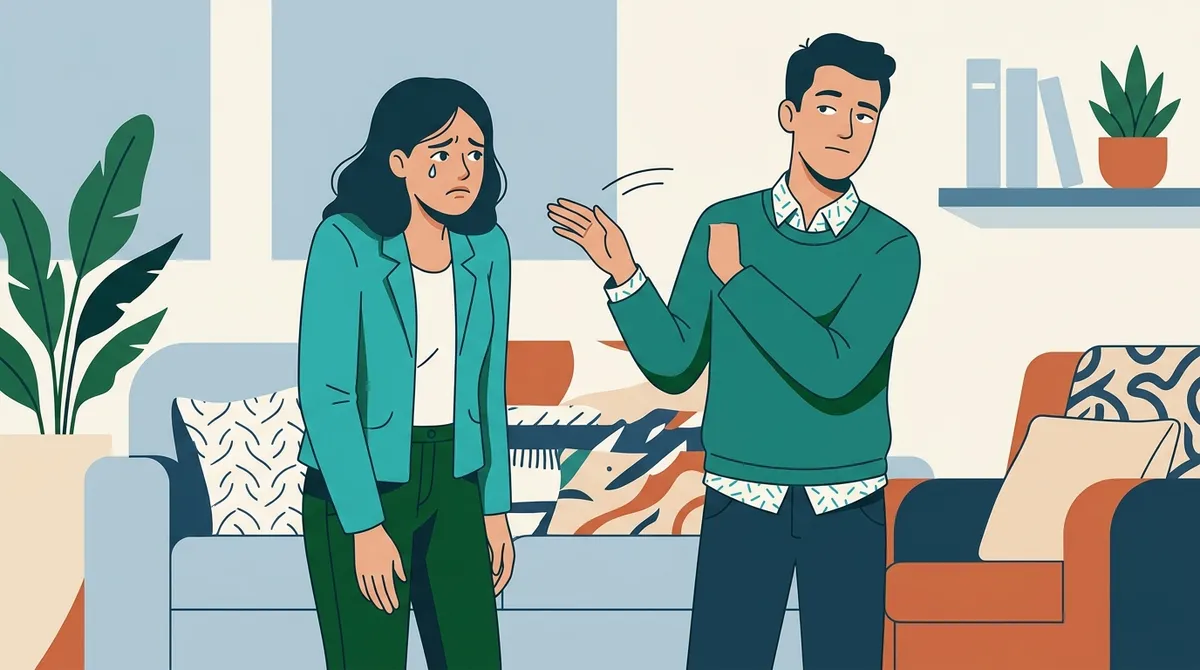
One of the biggest mistakes people make is brushing off their fear as normal stress. They tell themselves, “Everyone worries about their family — I’m just a caring person.” While caring is beautiful, there’s a clear difference between love and fear-based hypervigilance.
Signs your fear has crossed into phobia territory include:
-
Obsessive “what if” thoughts that won’t stop
-
Physical symptoms like chest tightness or shortness of breath
-
Constantly seeking reassurance from loved ones
-
Avoiding activities because they feel “too risky”
-
Inability to focus on work or school due to intrusive thoughts
-
Feeling depressed or socially isolated
If these symptoms sound familiar, please don’t dismiss them. Recognizing the problem is the first step toward healing. The Mental Health Resources from the CDC offer helpful tools for identifying when worry becomes something that needs professional support.

Mistake 2: Relying Only on Reassurance
Seeking reassurance feels like relief — but it’s actually a trap. When you ask a loved one “Are you okay?” for the fifth time in an hour, you get brief comfort. But then the anxiety creeps back, and you need to ask again. This cycle never ends.
Reassurance-seeking keeps the phobia alive. It teaches your brain that the threat is real and that you can only feel safe by checking. Over time, it strains your relationships and increases your anxiety overall. This is especially important for couples — when one partner’s fear of loss dominates a relationship, it can create tension and distance.
Instead of seeking reassurance, try these alternatives:
-
Pause and breathe deeply before reaching for your phone
-
Write down your fear instead of voicing it immediately
-
Challenge the thought: “Is there real evidence of danger right now?”
-
Redirect your attention to a grounding activity

Mistake 3: Avoiding the Feelings Altogether
Avoidance is anxiety’s best friend. When we push feelings down or distract ourselves constantly, those feelings don’t disappear — they grow stronger underground. Many people with a phobia of losing someone avoid funerals, hospital shows, or even conversations about death. This makes the fear seem bigger and more terrifying.
Healthy processing means allowing yourself to feel the fear, acknowledge it, and let it pass. This is something a skilled therapist can help you practice in a safe and supported way. You don’t have to face it alone.
Mistake 4: Not Understanding the Root Cause
The phobia of losing someone rarely appears out of nowhere. There are real roots beneath it. Identifying those roots is key to lasting relief. Common causes include:
-
Past experiences of loss or grief
-
Anxious attachment styles developed in childhood
-
Codependent relationship patterns
-
Unresolved psychological trauma
-
Existential anxiety about mortality
-
Underlying generalized anxiety disorder
For example, if you lost a parent early in life, your nervous system may have learned that loss is always around the corner. That’s not a character flaw — it’s a survival response. But with the right support, you can rewire that response. Understanding what’s underneath your fear is one of the most powerful things you can do.
Mistake 5: Trying to Manage It Alone
This is a big one. Many people — especially independent millennials and Gen Z young adults — feel like they should be able to handle their mental health struggles on their own. They research online, try meditation apps, and push through. But a phobia of losing someone often runs deeper than self-help can reach.
Professional therapy makes a real difference. Evidence-based treatments that work well for this type of fear include:
-
Cognitive Behavioral Therapy (CBT): Helps you identify and challenge irrational thoughts about loss and death
-
Mindfulness-Based Therapy: Teaches you to observe fears without being controlled by them
-
Meaning-Centered Therapy: Helps you find peace with life’s uncertainties
-
Trauma-Informed Therapy: Addresses past losses that fuel the current fear
At West Florida Therapy, Margaret Deuerlein is a warm and caring psychotherapist who specializes in helping individuals work through anxiety, fear, and loss-related struggles. Whether you’re coming in person or connecting virtually from anywhere in Florida, support is available. You can reach out to schedule a session whenever you feel ready.
Mistake 6: Ignoring How It Affects Your Relationships
Fear of losing someone doesn’t just affect the person experiencing it — it affects everyone around them. Partners may feel suffocated by constant checking. Friends may pull away from the emotional intensity. Teenagers experiencing this fear may struggle in school and social settings.
It’s important to look at the relationship patterns this fear creates. Ask yourself honestly:
-
Do I control my loved ones because I’m afraid of losing them?
-
Do I get angry or panicked when they’re unreachable?
-
Do I avoid intimacy because losing someone feels too scary?
-
Has my fear pushed people away rather than keeping them close?
These are difficult questions, but they matter. Intimacy and connection are built on trust — not fear. Therapy can help you move from clinging to truly connecting.
Mistake 7: Believing It Will Never Get Better
This might be the most heartbreaking mistake of all — giving up hope. When you’ve lived with a phobia of losing someone for a long time, it can start to feel like “just who you are.” But that is simply not true.
Thanatophobia and death anxiety are very treatable. Thousands of people have moved from a place of constant dread to one of genuine peace. The Substance Abuse & Mental Health services available through Florida recognize these fears as real, valid, and addressable mental health conditions. You deserve support — and you deserve to feel better.
Comparing Normal Fear vs. Phobia of Losing Someone
It helps to see the differences clearly. Here’s a simple breakdown:
|
Normal Fear of Loss |
Phobia of Losing Someone (Thanatophobia) |
|---|---|
|
Concern arises when there’s an actual risk |
Fear is present even without any real danger |
|
Fades once the loved one is confirmed safe |
Persists or shifts to a new worry immediately |
|
Doesn’t interfere significantly with daily life |
Disrupts work, relationships, and focus |
|
Can be managed with reassurance |
Reassurance brings only brief, temporary relief |
|
Proportionate to the situation |
Out of proportion to actual circumstances |
Signs You May Benefit From Therapy
If you’re unsure whether your fear warrants professional support, here are some clear signs that therapy could help:
-
Your fear significantly impacts your daily routine
-
You experience panic attacks related to thoughts of loss
-
You feel depressed, hopeless, or emotionally exhausted
-
Your relationships are suffering because of your fear
-
Self-help strategies aren’t providing lasting relief
The Mental Health Links from Florida Health can also point you toward community resources if you’re looking for additional support alongside therapy.
Also remember — bilingual support matters. If you or someone you love is more comfortable speaking Spanish, finding a therapist who offers services in both English and Spanish can make a huge difference in feeling truly understood and cared for.
Small Steps You Can Take Today
While professional support is the most effective path forward, there are small, meaningful steps you can take right now:
-
Name the fear: Say out loud or write down, “I am afraid of losing [person], and that fear is controlling me right now.”
-
Practice grounding: Use the 5-4-3-2-1 technique — name 5 things you see, 4 you can touch, 3 you hear, 2 you smell, 1 you taste.
-
Limit reassurance-seeking: Set a gentle rule that you’ll wait 30 minutes before checking in on someone.
-
Connect with your values: Explore your life goals and what kind of relationships you want to build — rooted in love, not fear.
-
Reach out for support: Talk to a trusted friend, or better yet, a therapist who can walk this path with you.
You Don’t Have to Live in Fear
Living with a phobia of losing someone is exhausting. It steals your peace, strains your relationships, and clouds every good moment with “what if.” But here’s the truth: healing is possible, and you don’t have to do it alone.
Margaret Deuerlein at West Florida Therapy is here to help — with compassion, expertise, and a genuine care for each person who walks through the door (or logs on virtually). Whether you’re managing mood challenges, working through relationship fears, or simply ready to stop letting anxiety run the show, we’d love to support you on your journey. You can visit us on Google to read reviews and learn more about how we’ve helped others just like you.
Taking that first step — even just reaching out — can change everything. Get in touch with our team today and let’s talk about how therapy can help you move from fear to freedom.
FAQs
Q: What is the phobia of losing someone called?
A: The phobia of losing someone — especially through death — is commonly called thanatophobia. It involves an intense, persistent fear of a loved one dying, even when no real danger is present. This goes well beyond everyday worry and can interfere with your daily life and relationships.
Q: Is fear of losing someone a sign of an anxiety disorder?
A: It can be! A phobia of losing someone often overlaps with generalized anxiety disorder, anxious attachment, or trauma responses. If the fear feels overwhelming, constant, or out of proportion to real risks, it’s worth talking to a therapist who can help you get to the root of it.
Q: How can therapy help with a phobia of losing someone?
A: Therapy — especially Cognitive Behavioral Therapy (CBT) and mindfulness-based approaches — can help you identify the irrational thoughts driving your fear and replace them with healthier patterns. A caring therapist like Margaret Deuerlein at West Florida Therapy can guide you through this process at a pace that feels comfortable for you.
Q: What is the difference between thanatophobia and athazagoraphobia?
A: Great question! Thanatophobia is the fear of losing someone through death, while athazagoraphobia is the fear of being forgotten or ignored by others. Both involve fears of loss, but they show up in different ways. A therapist can help identify which pattern is most affecting your life.
Q: Can mindfulness really help reduce the fear of losing someone?
A: Yes — mindfulness is a powerful tool! It helps you observe fearful thoughts without being controlled by them, bringing your focus back to the present moment where your loved ones are safe and with you. Combined with therapy, mindfulness can significantly reduce the grip that a phobia of losing someone has on your daily life.