
Key Takeaways
-
Don't wait for anxiety to become unbearable; reach out early if worry disrupts sleep, work, school, or relationships.
-
Verify a provider's licensing and anxiety experience, and ask which methods they use before committing to care.
-
Check insurance coverage, copay, and deductible by calling your carrier directly before your first visit to avoid surprise bills.
-
Know the difference: therapists provide talk therapy like CBT, while prescribers such as psychiatrists manage medication, and combined care is an option.
-
Expect progress to take time; consistent sessions and practicing skills between appointments drive lasting results, so avoid quitting too soon without talking to your therapist.
-
If you feel unsafe or in crisis, call or text 988 for the Suicide & Crisis Lifeline, or call 911 for immediate danger.
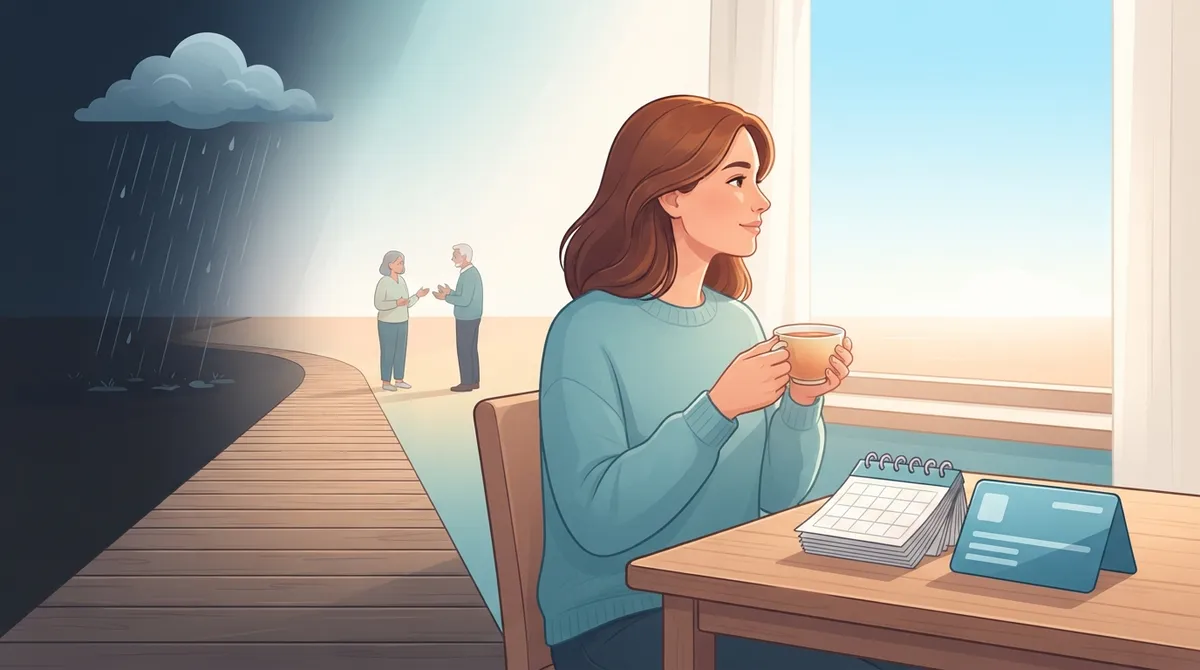
If anxiety has been running the show lately, you are not alone, and you are not broken. Many people in the Tampa Bay area feel stuck in racing thoughts, tight chests, and sleepless nights. The good news? Help is closer than you think. Finding the right anxiety treatment in Brandon, Florida can feel like a big task, though, and it is easy to take a wrong turn along the way.
Maybe you are a busy millennial juggling work and family. Maybe you are a teen feeling the weight of school and friends. Maybe you grew up speaking Spanish at home and want care in your own language. Whatever your story, you deserve support that fits you.
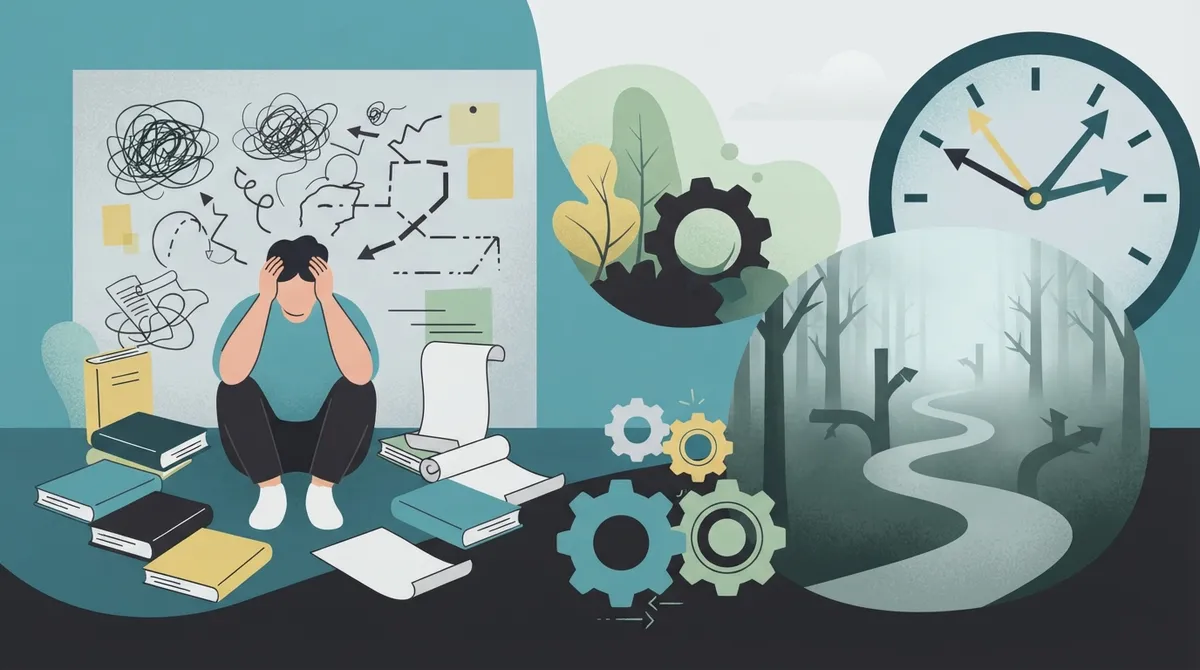
In this friendly guide, we will walk through 13 common mistakes people make when looking for anxiety care, and what to do instead. Think of this as advice from a friend who has seen what works. Let’s get you feeling like yourself again.

What Does Anxiety Treatment Look Like in Brandon, FL?
Before we get into the mistakes, let’s cover the basics. Anxiety treatment in Brandon can include talk therapy (also called psychotherapy), a psychiatric evaluation with medication management, or a mix of both. The right path depends on your symptoms, your history, and your goals. A trained clinician can help you sort that out.
One of the most common talk therapy approaches is cognitive behavioral therapy, or CBT. It helps you notice anxious thought patterns and change how you respond to them. For fears like phobias or social anxiety, exposure-based CBT helps you slowly face feared situations in a safe, supported way.
Medication can help some people too. The National Institute of Mental Health notes that antidepressants such as SSRIs and SNRIs are among the options for generalized anxiety disorder. A qualified prescriber should guide those choices and check in on how you are doing.
Want a deeper look at symptoms and types? Our guide on understanding anxiety signs, types, and treatment options is a great place to start.
13 Anxiety Treatment Mistakes to Avoid
1. Waiting Until Things Feel Unbearable
Many people tell themselves, “It’s not bad enough yet.” But you do not need to hit a breaking point to deserve help. Early support can stop anxiety from growing. If worry is getting in the way of sleep, work, school, or relationships, that is reason enough to reach out. Not sure if it is time? Read these 5 signs it’s time to seek therapy for anxiety.
2. Assuming Anxiety Is Just Stress
Stress usually fades when the problem passes. Anxiety tends to stick around, even when nothing is wrong. If your worry feels constant or out of proportion, a professional can help you tell the difference. Our post on acute vs. chronic stress explains how each one affects your body.
3. Skipping a Proper Assessment
Anxiety can look different from person to person. Some feel it as panic. Others feel it as nonstop worry, social fear, or trouble sleeping. A good clinician takes time to understand your full picture before choosing a plan. If a provider skips that step, it is okay to ask questions or look elsewhere.
4. Not Checking Credentials and Experience
Not every provider has the same training. Ask about licenses, experience with anxiety, and what methods they use. A caring, qualified therapist will welcome these questions. At West Florida Therapy, Margaret Deuerlein is a licensed psychotherapist who offers warm, personalized care for people facing anxiety and more.
5. Expecting a Quick Fix
Anxiety care is a journey, not a switch. Most people see real progress when they show up consistently and practice new skills between sessions. Small wins add up. Be patient and kind with yourself as you grow.
6. Choosing a Therapist Based on Price Alone
Cost matters, and we get it. But the cheapest option is not always the best fit. A good match, where you feel heard and safe, often matters most. Look at the full picture, including experience, approach, and availability. Our guide on 12 mistakes to avoid when choosing a therapist in Brandon can help.
7. Ignoring Insurance and Payment Details
Surprise bills add stress you do not need. Before your first visit, check which services your plan covers, your copay, and your deductible. Call your insurance carrier directly to confirm. You can also review our payment options to see what works for you.
8. Overlooking Telehealth
Busy schedule? Tight on transportation? Virtual therapy can be a great fit. NIMH notes that psychotherapy can work well in person or online. Just make sure your provider is licensed to serve Florida residents. Learn more about telehealth therapy in Florida.
9. Forgetting That Language Matters
If Spanish is your first language, you may express your feelings more clearly in Spanish. Bilingual care can remove a big barrier and help you open up faster. West Florida Therapy offers sessions in both English and Spanish, so you never have to translate your emotions.
10. Trying to Handle It All Alone
Many people think they should push through on their own. But anxiety often feeds on isolation. Talking with a caring professional gives you tools, perspective, and support. You do not have to carry this alone.
11. Mixing Up Therapy and Medication Roles
Therapists provide talk therapy. Prescribers, such as psychiatrists, handle medication. Some people use one, and some use both. If you are curious about medication, talk with a qualified prescriber, and share that with your therapist so your care works together. Here is a helpful read on antidepressants for anxiety mistakes to avoid.
12. Quitting Too Soon
You might feel better after a few sessions and want to stop. Or you might hit a rough patch and think therapy is not working. Both are normal. Talk with your therapist before making a change. Together, you can adjust your plan.
13. Ignoring Warning Signs of a Crisis
Anxiety can sometimes spill into panic attacks or thoughts of harm. If you ever feel unsafe, call or text 988 for the Suicide & Crisis Lifeline. If there is immediate danger, call 911 or go to the nearest emergency room. Your safety always comes first. You can also read about how to manage panic attacks for extra support.
Quick Comparison: Common Anxiety Care Options
| Option | What It Offers | Good For |
|---|---|---|
| Talk Therapy (CBT) | Skills to change anxious thoughts and habits | Ongoing worry, social anxiety, panic |
| Exposure-Based CBT | Gradual, guided steps to face fears | Phobias, social anxiety |
| Medication Management | Prescriber-led medication and monitoring | Moderate to severe symptoms |
| Combined Care | Therapy plus medication support | Complex or long-lasting anxiety |
| Telehealth Sessions | Therapy from home across Florida | Busy schedules, limited transportation |
How to Find the Right Anxiety Therapist in Brandon
Ready to take a step? Here is a simple way to move forward without feeling overwhelmed.
- Write down your symptoms. Note when anxiety shows up, how it feels, and what it stops you from doing.
- Check your insurance and budget. Know what you can use before you book.
- Look for the right fit. Consider experience with anxiety, language, and whether you prefer in-person or virtual care.
- Book a short consultation. Many practices offer a quick call so you can ask questions and see how it feels.
- Start and stay consistent. Regular sessions help you build skills that last.
A primary care doctor can also help check your symptoms and point you toward a mental health professional. There is no wrong door when you are reaching for help. For more tips, see how to find the right anxiety therapy in Brandon, FL.
What to Expect at Your First Anxiety Appointment
First visits can feel scary, but they are usually gentle and simple. Here is what often happens:
- You talk about what brought you in and how anxiety affects your daily life.
- Your therapist asks about your history, sleep, health, and goals.
- You ask questions about the process, costs, and schedule.
- You and your therapist start shaping a plan that fits you.
At West Florida Therapy, the process begins with a free 15-minute phone consultation. From there, you build a personalized plan, meet weekly or bi-weekly, and check in often on your progress. You can learn more about our process before you reach out.
Support for Different Life Stages
Anxiety does not look the same for everyone, and your care should not either.
- Teens: School pressure, friend drama, and family stress can pile up. Therapy gives teens a safe space to talk and learn coping skills. See virtual therapy for adolescents in Brandon.
- Young adults: Big life changes, money worries, and isolation can fuel anxiety. Virtual sessions make it easier to fit care into a busy week.
- Adults and parents: Work, family, and caregiving can leave little room for you. Individual therapy gives you that space back.
- Couples: Anxiety can strain even strong relationships. Couples therapy can help partners understand each other and communicate with care.
Everyday Habits That Support Your Treatment
Therapy works best when you also care for yourself between sessions. A few small habits can make a big difference:
- Practice slow, deep breathing when your body feels tense.
- Try short mindfulness moments during your day. These mindfulness techniques are easy to start.
- Keep a steady sleep routine.
- Move your body, even with a short walk.
- Limit caffeine if it makes you jittery.
For more state-supported information, you can explore Florida Department of Health mental health links and the CDC’s mental health resources. The Florida Department of Children and Families also lists helpful programs.
If travel or planning life details adds to your stress, practical tools can lighten the load. For example, the International Driving Permit Association (IDPA) can simplify driving abroad, and a company like BluHalo can help with home air comfort. Small wins like these free up mental space.
Why Local, Personal Care Matters
Sitting in a calm room with someone who truly listens can be powerful. In-person sessions in Brandon give you a quiet space away from daily noise. Learn more about in-person therapy in Brandon, Florida. If you prefer to stay home, virtual sessions reach all of Florida.
Margaret Deuerlein at West Florida Therapy brings a caring, patient approach to anxiety. She meets you where you are, with no judgment, and helps you build tools that fit your life. You can also see what our West Florida Therapy community says on Google to get a feel for the care we offer in Brandon.
Take the Next Step Toward Feeling Better
Anxiety may feel loud right now, but it does not have to stay that way. Avoiding these 13 mistakes can help you find care that truly fits, whether you are a teen, a parent, a young adult, or part of a couple. You have already taken a brave step by reading this far.
Ready to feel lighter? Explore our anxiety therapy services, or reach out to our team for a free 15-minute consultation. We offer in-person sessions in Brandon, virtual care across Florida, and bilingual support in English and Spanish. Your calmer days start with one small step.
FAQs
Q: How do I find an anxiety therapist in Brandon, Florida?
A: Start by noting your symptoms and checking your insurance. Then look for a licensed therapist with anxiety experience, and book a short consultation to see if it feels like a good fit. A primary care doctor can also point you in the right direction.
Q: Does anxiety treatment include CBT or exposure therapy?
A: Yes, often! Cognitive behavioral therapy is a common, research-backed approach that helps you change anxious thought patterns. Exposure-based CBT can help with phobias and social anxiety by guiding you to face fears step by step.
Q: Can I get anxiety therapy in Brandon through telehealth?
A: Absolutely. Virtual therapy can work well for many people, and NIMH notes it can be effective. Just confirm your provider is licensed to serve Florida residents and that your insurance covers telehealth.
Q: How do I know if I need a therapist, a psychiatrist, or both?
A: Therapists offer talk therapy, while psychiatrists and other prescribers handle medication. Many people start with therapy, and some add medication later. A clinician can help you decide what fits your needs.
Q: What should I do if my anxiety becomes an emergency?
A: If you feel unsafe or in crisis, call or text 988 for the Suicide & Crisis Lifeline. If there is immediate danger or a medical emergency, call 911 or go to the nearest emergency room. You deserve help right away.