Key Takeaways
-
Seek counseling early rather than waiting years—earlier intervention leads to significantly better outcomes and prevents small issues from becoming major relationship problems.
-
Relationship counseling uses evidence-based approaches like the Gottman Method and Emotionally Focused Therapy (EFT) to rebuild connection, not guesswork, giving you tools you can use daily after therapy ends.
-
Both telehealth and in-person sessions are equally effective; choose based on your schedule and preferences to ensure you actually attend and commit to the process.
-
Combining couples counseling with individual therapy produces stronger results when one partner struggles with anxiety, depression, or trauma affecting the relationship dynamic.
-
A qualified therapist should be licensed (LMFT, LCSW, or psychologist), trained in specific couples therapy models, and a good fit where both partners feel comfortable and heard.
-
Clear warning signs like repeated unresolved arguments, emotional disconnection, trust damage, or feeling like roommates indicate couples therapy could make a meaningful difference for your relationship.
Relationships take real work. Whether you and your partner are stuck in the same arguments, feeling distant, or struggling to communicate, it can feel exhausting and lonely. The good news? You don’t have to figure it out on your own. Couples therapy in Brandon, Florida gives you a safe, structured space to work through challenges together — with the support of a trained professional. This guide walks you through everything you need to know about Brandon relationship counseling: what it is, how it works, who it helps, and how to take the first step toward a healthier, happier relationship.
What Is Relationship Counseling?
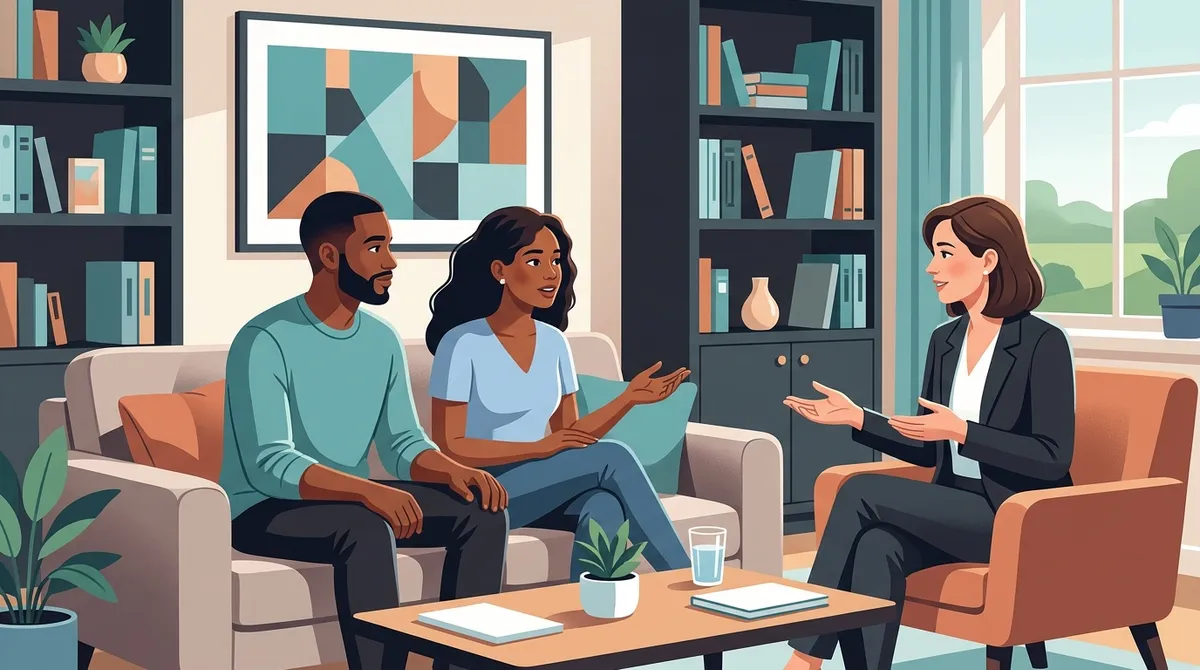
Relationship counseling is a type of therapy focused on improving how two people connect and communicate. A licensed therapist helps both partners identify unhealthy patterns, express their needs clearly, and rebuild trust. It’s not about assigning blame. It’s about understanding each other better and building a stronger foundation together.
Couples often come in for help with communication breakdowns, recurring conflicts, or feelings of emotional disconnection. But relationship counseling can also support couples who simply want to grow closer and prevent small issues from becoming big ones. For a deeper look at how this kind of therapy strengthens bonds, explore how couple relationship issues therapy helps strengthen your bond.
Common Reasons Couples Seek Counseling in Brandon
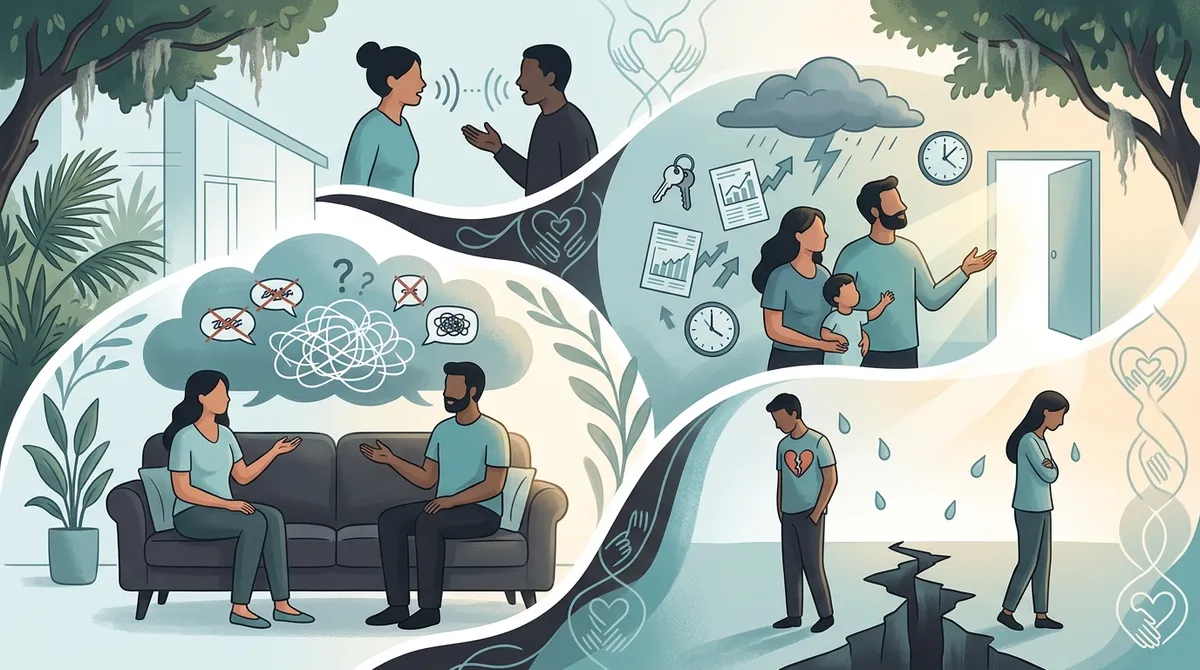
People come to relationship counseling for many different reasons. No two couples are the same, and there’s no situation too big or too small to address in therapy. Here are some of the most common reasons couples reach out for support:
- Frequent arguments that never seem to get resolved
- Feeling emotionally distant or disconnected from a partner
- Struggles with trust or past betrayal
- Difficulty communicating needs and feelings
- Life transitions like job changes, moving, or becoming parents
- Intimacy or physical connection challenges
- Navigating grief or major loss together
- Anxiety or depression affecting the relationship dynamic
If any of these resonate with you, know that reaching out is a sign of strength — not weakness. Many couples wait too long before getting help. Starting sooner often leads to better outcomes. You can also explore relationship problems that therapy can help address.
How Relationship Counseling Works: A Step-by-Step Overview
Many people aren’t sure what to expect when they start couples therapy. Here’s a simple breakdown of what the process typically looks like:
- Initial consultation: The therapist meets with both partners to understand the relationship history, current concerns, and therapy goals.
- Assessment and planning: Together, you and your therapist build a customized treatment plan focused on your specific needs and challenges.
- Weekly or bi-weekly sessions: Each session builds on the last, helping you practice new communication skills and process difficult emotions in a safe environment.
- Progress check-ins: Your therapist regularly evaluates how things are going and adjusts the approach as needed.
- Skills for the long term: The goal isn’t just to feel better during sessions — it’s to give you tools you can use every day, long after therapy ends.
This structured approach helps couples see real, lasting change rather than just temporary relief. You can learn more about what to expect by visiting our therapy process.
Evidence-Based Approaches Used in Relationship Counseling
Good relationship counseling isn’t guesswork. It uses proven, research-backed methods to help couples heal and grow. Here are some of the most effective approaches used by trained therapists in Brandon:
The Gottman Method
The Gottman Method is one of the most well-researched approaches in couples therapy. It focuses on building friendship, managing conflict constructively, and creating shared meaning in the relationship. To learn more, check out what the Gottman Method is and how it can save your relationship. You can also discover 7 ways Gottman Method couples therapy transforms relationships.
Emotionally Focused Therapy (EFT)
EFT helps partners understand the emotional patterns driving their conflicts. It rebuilds secure emotional bonds by helping each person feel seen, heard, and safe. Learn what to expect from emotionally focused therapy in Brandon, FL.
Cognitive Behavioral Therapy (CBT) for Couples
CBT helps partners identify negative thought patterns that fuel conflict. It teaches practical skills to change those patterns and respond to each other in healthier ways.
Schema Therapy
Schema therapy explores how early life experiences shape the way we behave in relationships today. This approach is especially helpful for couples dealing with deep-rooted patterns. Explore how schema therapy supports emotional healing.
Relationship Counseling vs. Individual Therapy: What’s the Difference?
Sometimes people wonder whether they should pursue individual therapy, couples counseling, or both. Here’s a quick comparison to help clarify:
| Feature | Relationship Counseling | Individual Therapy |
|---|---|---|
| Focus | The relationship dynamic between two people | Personal mental health and growth |
| Who attends | Both partners together (usually) | One person |
| Goal | Improve communication, rebuild connection | Manage anxiety, depression, trauma, etc. |
| Format | In-person or telehealth sessions | In-person or telehealth sessions |
| Best for | Couples facing relationship challenges | Individuals dealing with personal struggles |
Many couples find that combining both types of therapy leads to the best results. One partner may benefit from addressing personal challenges like anxiety or depression through individual sessions while also attending couples counseling together. Mental health conditions often affect relationship dynamics, and treating both areas creates a stronger foundation for healing.
Signs You and Your Partner Could Benefit Right Now
Not sure if therapy is the right move yet? Here are some clear signs that Brandon relationship counseling could make a meaningful difference for you and your partner:
- You feel like you’re roommates rather than romantic partners.
- The same arguments keep happening over and over without resolution.
- You struggle to talk about certain topics without things escalating.
- One or both partners feels unheard, unseen, or unappreciated.
- Trust has been damaged and hasn’t fully recovered.
- You’re facing a major life change and feeling disconnected.
- You love each other but don’t know how to bridge the gap anymore.
If you recognize yourself in any of these situations, the right support can make all the difference. Learn more about 12 ways couples therapy can transform your relationship and what’s possible when you commit to the process together.
In-Person and Telehealth Options in Brandon
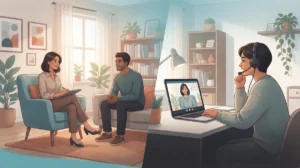
Accessibility matters when it comes to mental health care. At West Florida Therapy, couples have the flexibility to meet in person at the Brandon, Florida office or connect virtually through secure telehealth sessions. Telehealth is available to clients throughout all of Florida, making it easier to get the help you need regardless of where you live or how busy your schedule gets.
Telehealth couples sessions are just as effective as in-person appointments. They offer the same privacy, structure, and professional support — with the added convenience of attending from home. Learn more about telehealth therapy options throughout Florida or find out what in-person therapy in Brandon, Florida looks like. You can also visit West Florida Therapy on Google to learn more about the practice and read reviews from real clients.
Bilingual Relationship Counseling: English and Spanish Services
Language should never be a barrier to getting the support you need. West Florida Therapy offers bilingual therapy services in both English and Spanish. For Spanish-speaking couples in the Brandon area, this means you can express your thoughts and feelings in the language that feels most natural and comfortable — without losing anything in translation.
Culturally sensitive care matters in relationship counseling. Your therapist understands that cultural background shapes the way people communicate, resolve conflict, and express love. Having a bilingual therapist creates a space where both partners feel fully understood. For more information about the practice and its approach, visit the West Florida Therapy about page.
What to Look for in a Relationship Counselor
Choosing the right therapist is one of the most important decisions you’ll make. Here’s what to look for when searching for a qualified relationship counselor in Brandon:
- Proper credentials: Look for licensed therapists such as LMFTs (Licensed Marriage and Family Therapists), LCSWs, or licensed psychologists with couples therapy training.
- Specialized training: Therapists trained in specific models like the Gottman Method or EFT bring focused expertise to the work.
- A good fit: Both partners should feel comfortable with the therapist. A free consultation is a great way to gauge this.
- Flexibility: Look for options that include telehealth so scheduling is easier.
- Clear process: A good therapist will explain what to expect upfront and build a customized plan with you.
Margaret Deuerlein at West Florida Therapy is a compassionate, licensed psychotherapist who brings warmth and expertise to every session. She works collaboratively with clients to create personalized plans that address the unique needs of each couple. You can read more about her background and approach on the Margaret Deuerlein page.
How Relationship Counseling Addresses Mental Health Too
Relationship stress doesn’t exist in a vacuum. It often shows up alongside other mental health challenges like anxiety, depression, trauma, and mood issues. When one partner is struggling emotionally, it affects the whole relationship. A skilled therapist helps couples understand these connections and address them together.
For example, unresolved trauma can make it hard to feel safe and open in a relationship. Relationship depression can create a cycle of withdrawal and conflict that both partners feel but struggle to name. Therapy gives couples a framework to understand what’s really happening beneath the surface. The mental health of each individual directly impacts the health of the relationship, and good counseling addresses both. According to Mental Health Resources from the CDC, mental health is essential to overall wellbeing and affects how people think, feel, and relate to others.
Common Mistakes Couples Make Before Starting Therapy
Even with the best intentions, couples sometimes make choices that delay healing. Here are a few mistakes to avoid:
- Waiting too long: Many couples wait years before seeking help. Earlier intervention leads to better outcomes.
- Expecting the therapist to take sides: A good relationship counselor is neutral. They support the relationship, not one partner over the other.
- Quitting too soon: Real change takes time. Giving up after just a few sessions means missing out on deeper progress.
- Assuming it means the relationship is failing: Seeking counseling is actually a sign of commitment and courage.
If you’re curious about specific pitfalls to avoid, explore 6 couples therapy mistakes in Brandon that hurt your relationship and 11 Brandon marriage counseling mistakes that hurt your relationship.
Additional Resources and Community Support
Getting support for your relationship is part of a broader commitment to your overall mental health and wellbeing. Florida has excellent resources available for individuals and couples seeking help. The Florida Department of Health Mental Health Links offers a helpful directory of mental health programs and services available throughout the state. Additionally, the Florida Department of Children and Families Substance Abuse & Mental Health program connects residents with community mental health support.
For those navigating challenges like fear in relationships or codependency, there are also focused resources available. Check out why fear of relationships might be holding you back or explore 9 signs of codependency that are quietly hurting your life. While you’re investing in your emotional health, it’s also worth noting that whole-body wellness matters — practices like Dental Theory in Brandon reflect the same community-minded approach to caring for people well, just like we do at West Florida Therapy.
Take the First Step Toward a Healthier Relationship
Every relationship goes through hard seasons. What matters most is how you face them — together, with the right support. Brandon relationship counseling gives you and your partner the tools, insight, and guidance needed to reconnect and move forward in a meaningful way. Whether you’re dealing with a specific conflict or just feeling disconnected, therapy can help.
You deserve a relationship that feels safe, fulfilling, and full of connection. The team at West Florida Therapy is here to help you get there — with compassionate, evidence-based care, bilingual services, and both in-person and telehealth options. Don’t wait for things to get worse. Take the courageous first step today and reach out to schedule your free 15-minute consultation with West Florida Therapy. Real change starts with one conversation.
FAQs
Q: What is relationship counseling and how does it work?
A: Relationship counseling is a type of therapy where a licensed professional helps two people improve communication, resolve conflict, and rebuild emotional connection. Sessions are structured and collaborative — your therapist works with both of you to identify patterns, develop new skills, and make meaningful progress together.
Q: Is relationship counseling available via telehealth in Brandon, Florida?
A: Absolutely! West Florida Therapy offers secure telehealth sessions for couples throughout all of Florida, including the Brandon area. You get the same quality support and professional guidance from the comfort of your own home — it’s flexible, private, and just as effective as in-person sessions.
Q: How is couples counseling different from individual therapy?
A: Couples counseling focuses on the relationship dynamic between two people, while individual therapy focuses on one person’s personal mental health journey. Both are valuable, and many couples find that combining both types of therapy leads to the best results for their relationship and their personal wellbeing.
Q: What credentials should a relationship counselor have?
A: Look for therapists who are licensed professionals such as LMFTs (Licensed Marriage and Family Therapists), LCSWs, or licensed psychologists with specialized training in couples therapy. Credentials matter because they ensure your therapist has the proper education, supervised experience, and ethical standards to guide your relationship effectively.
Q: How long does relationship counseling typically take?
A: The length of therapy varies depending on the couple’s specific needs and goals. Some couples see meaningful progress in 8 to 12 sessions, while others benefit from longer-term support. Your therapist will regularly check in on your progress and adjust the plan to make sure you keep moving in the right direction.