
Key Takeaways
-
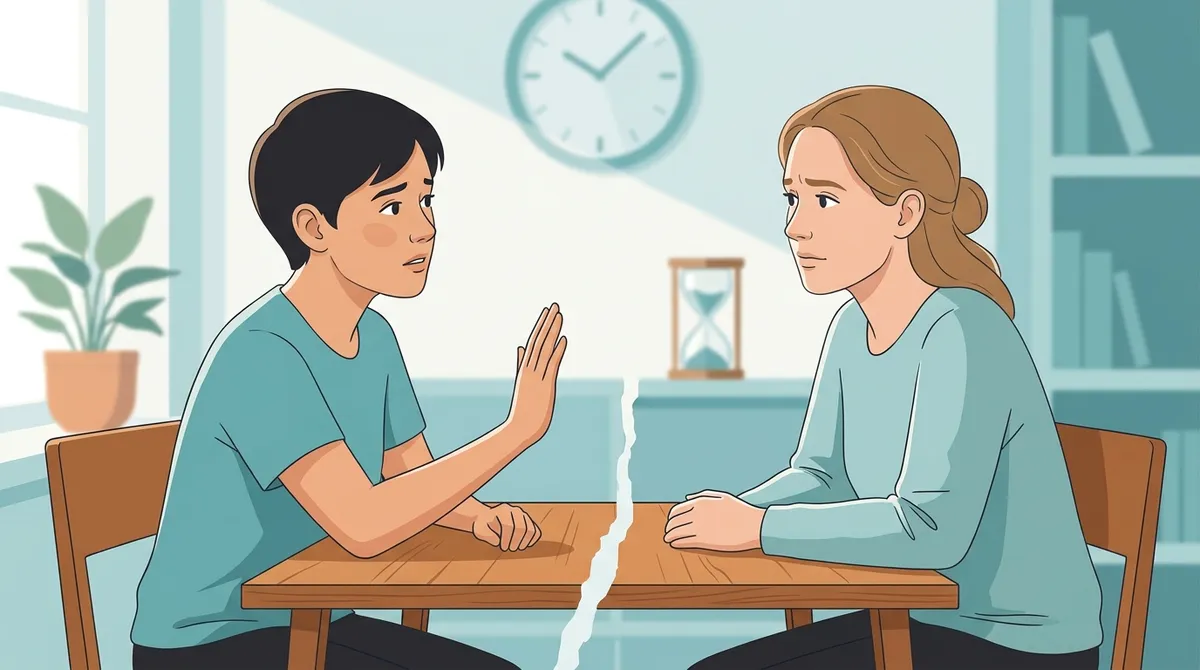
Stop seeking reassurance from your partner or friends when doubts arise—it reinforces the OCD cycle. Instead, practice tolerating uncertainty by pausing, delaying your response for 10-15 minutes, and redirecting your attention to engaging activities.
-
Relationship OCD is a mental health condition, not a relationship problem—treating it like one leads to exhausting analysis that never resolves the doubts. Work with a licensed OCD specialist to separate genuine relationship issues from OCD thinking.
-
Seek professional help early: approximately 12 sessions of CBT with Exposure and Response Prevention (ERP) can produce meaningful improvement for mild to moderate ROCD, while untreated cases often worsen over time.
-
ROCD differs from normal relationship doubts by its intensity, persistence, and the fact that it occurs even when the relationship is objectively fine. True doubts typically appear during real problems and fade once resolved.
-
Partners can support someone with ROCD by avoiding repeated reassurance, staying calm and non-reactive, encouraging professional therapy, and setting firm limits on reassurance-seeking conversations to break the compulsion cycle.
-
Evidence-based treatments including CBT with ERP, Acceptance and Commitment Therapy (ACT), cognitive restructuring, and SSRIs are highly effective for relationship OCD—the condition is treatable and recovery is absolutely possible.
Do you find yourself constantly questioning whether you love your partner enough? Do you replay conversations looking for hidden signs that something is wrong? If so, you might be dealing with relationship OCD — and you are definitely not alone. Relationship OCD (also called ROCD) is a subtype of obsessive-compulsive disorder that fills your mind with relentless doubts about your romantic relationship. It can make even the happiest couple feel like everything is falling apart.
The good news? Relationship OCD is highly treatable. With the right support from a licensed mental health professional, you can break free from the cycle of obsessive doubt. But first, it helps to understand what ROCD actually is — and what mistakes might be making things harder than they need to be. Let’s walk through the three biggest mistakes people make, and what to do instead.
What Is Relationship OCD?
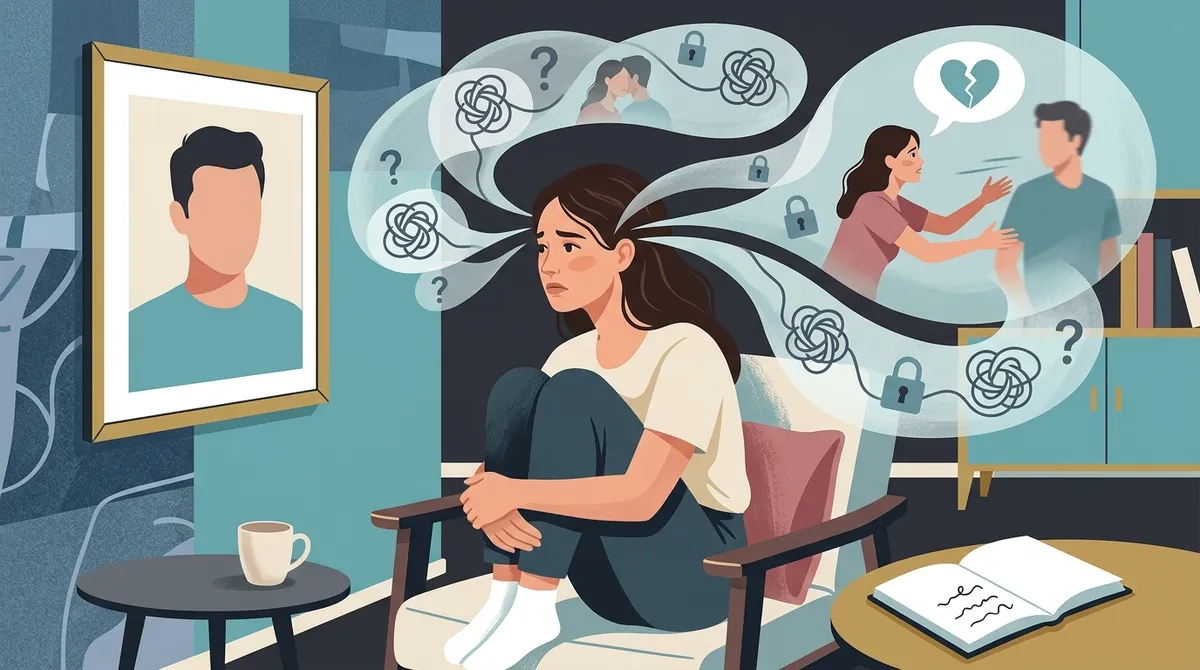
Relationship OCD is not just normal relationship anxiety. It is a real mental health condition rooted in the OCD cycle of obsessions and compulsions. People with ROCD experience intrusive, unwanted thoughts about their relationship. These thoughts feel sticky, urgent, and impossible to ignore.
Unlike typical relationship worries that come and go, ROCD obsessions are persistent and distressing. They show up even when the relationship is going well. According to the International OCD Foundation, ROCD involves intrusive doubts about a partner’s suitability or the quality of the relationship that cause significant distress and impairment.
Understanding the signs is the first step toward getting better. You can also learn more about related anxiety concerns at our Anxiety Treatment page.
Common Symptoms of Relationship OCD
Relationship OCD can look different for everyone, but some symptoms show up again and again. Here are the most common ones:
- Constantly questioning whether you really love your partner
- Hyper-focusing on your partner’s perceived flaws or imperfections
- Comparing your relationship to others and feeling like yours falls short
- Seeking constant reassurance from your partner or friends
- Mentally reviewing past interactions for “proof” that things are fine
- Feeling anxious when you cannot get a clear answer about your feelings
- Avoiding intimacy out of fear that your doubts mean something serious
If several of these resonate with you, it might be time to explore what is really going on. Our page on Relationship Problems can also offer helpful insight.
How Is ROCD Different From Normal Relationship Doubts?
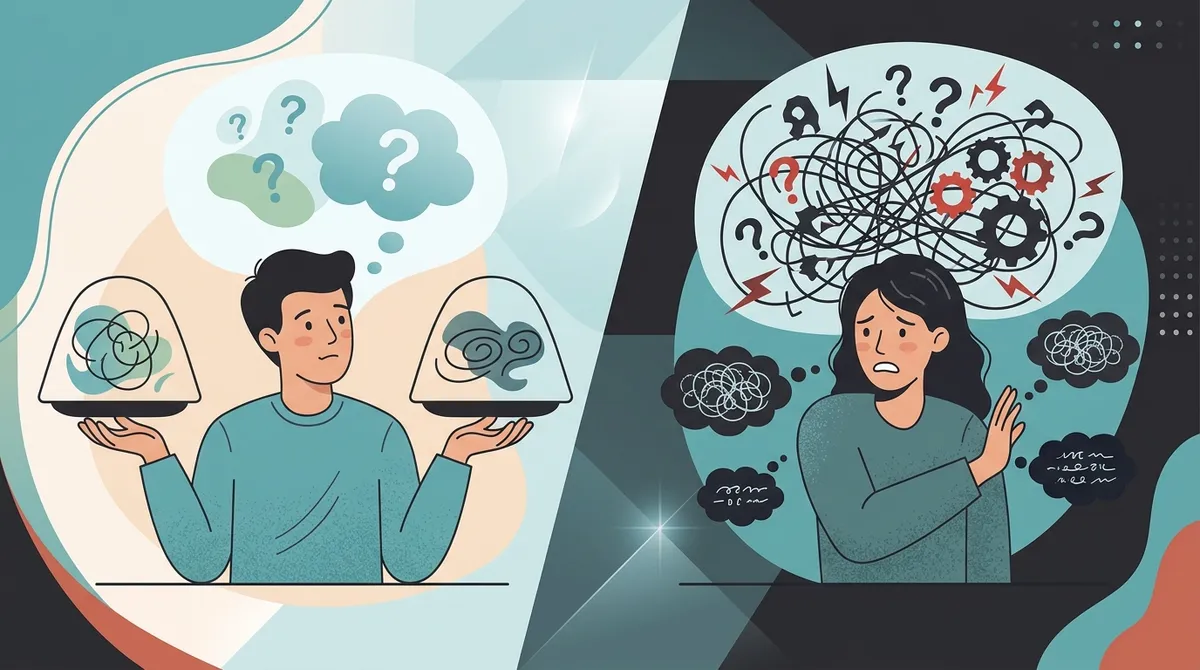
Almost everyone has moments of doubt in a relationship. That is perfectly normal. But relationship OCD takes those doubts to a whole new level. The difference lies in the intensity, frequency, and the distress these thoughts cause.
Normal doubts tend to show up during genuine problems — a big argument, a life change, or a stressful season. ROCD doubts show up even when things are objectively fine. They feel overwhelming, and no amount of reassurance makes them go away for long. That is the OCD cycle at work.
It is also important to know that ROCD is not a sign that your relationship is doomed or that your feelings are not real. As noted by Mental Health Resources from the CDC, OCD is a recognized condition — not a character flaw or a relationship failure. It is a mental health challenge that deserves proper care.
Mistake #1: Seeking Reassurance to Feel Better
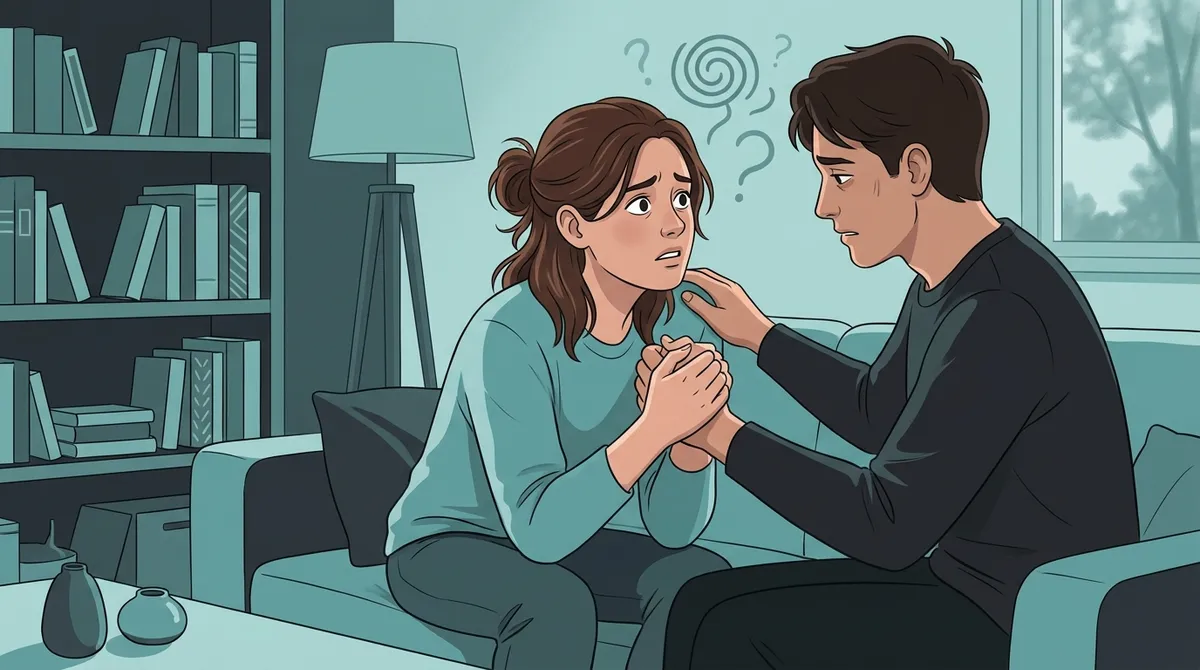
This is probably the most common mistake people with relationship OCD make — and it feels so logical in the moment. When the doubt hits hard, you want relief. So you ask your partner, “Do you think I really love you?” Or you call a friend and say, “Tell me we are a good couple.” And for a few minutes, you feel better.
But here is the problem: reassurance is a compulsion. And compulsions make OCD stronger over time, not weaker. Every time you seek reassurance, your brain learns that the doubt was worth responding to. This reinforces the OCD cycle and keeps you stuck.
What to Do Instead
The healthiest approach is to tolerate the uncertainty rather than chase reassurance. This sounds scary, but it is exactly what evidence-based therapy teaches. Here is a simple three-step process to start shifting this pattern:
- Notice the urge: When you feel the pull to seek reassurance, pause and name it. Say to yourself, “This is my OCD, not reality.”
- Delay the response: Instead of acting on the urge immediately, wait 10 to 15 minutes. Often the urge will lose some of its intensity.
- Redirect your attention: Do something engaging — go for a walk, call a friend about something unrelated, or focus on a task. Practice being present instead of ruminating.
This approach is at the heart of Exposure and Response Prevention (ERP) therapy, which is the gold-standard treatment for OCD. You can also explore our Cognitive Behavioral Therapy Guide for more on how CBT works in practice.
Mistake #2: Treating ROCD Like a Relationship Problem
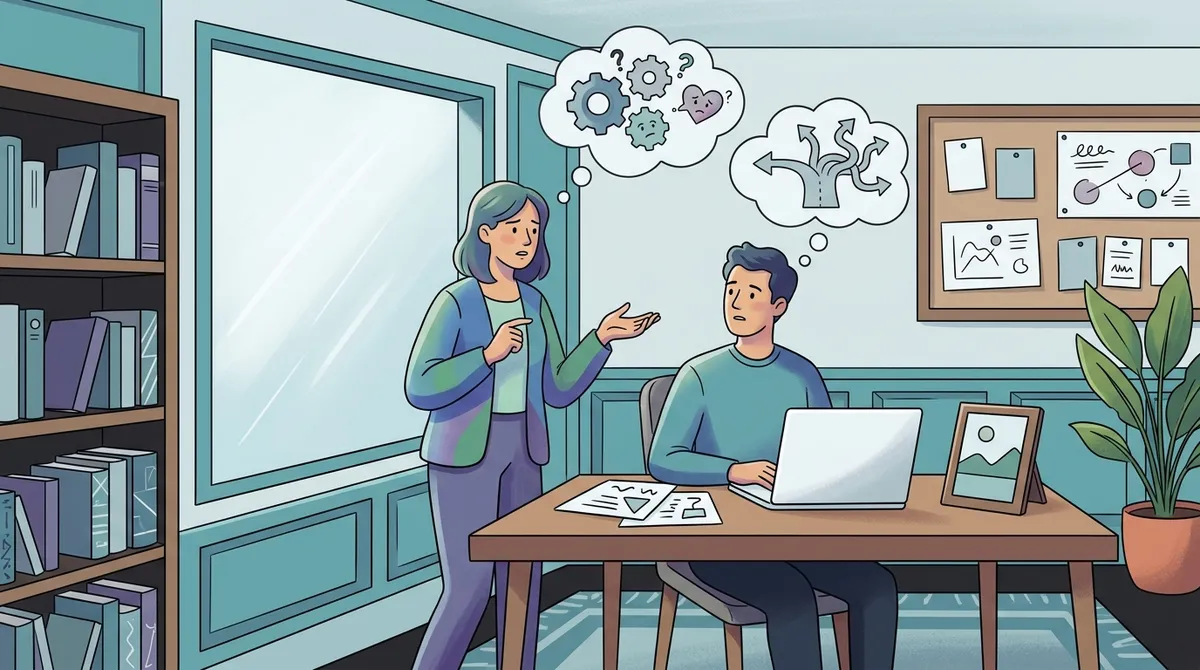
Many people with relationship OCD assume the issue is their partner or the relationship itself. They think: “If I just figure out whether this person is right for me, I will feel better.” So they spend hours analyzing the relationship, looking for proof in one direction or another.
This is a trap. ROCD is a mental health condition — not a relationship problem. Treating it like a relationship problem leads to exhausting mental gymnastics that never produce a satisfying answer. The doubt always comes back because the issue is not the relationship; it is the OCD.
This mistake can also strain your partnership. Your partner may feel unfairly scrutinized. They may grow frustrated or hurt by constant questioning. Over time, this can damage the very connection you are trying to protect. For couples navigating this together, our Couples Therapy services can be incredibly helpful.
The Importance of Professional Support
Working with a licensed therapist who specializes in OCD can help you clearly separate OCD thinking from genuine relationship issues. This distinction is life-changing. A good therapist will help you understand what is driving the doubt and give you real tools to manage it. You deserve that kind of targeted, compassionate care.
At West Florida Therapy, Margaret Deuerlein is a caring and skilled psychotherapist who understands how ROCD affects both individuals and their relationships. Whether you prefer in-person sessions in Brandon, Florida, or virtual therapy from anywhere in the state, support is available in both English and Spanish. You can reach out to us to get started with a free 15-minute consultation.
Mistake #3: Avoiding Therapy or Delaying Treatment
Many people with relationship OCD wait months or even years before seeking help. Some feel ashamed. Others worry that a therapist will tell them to leave their partner. Some just hope the doubts will fade on their own. Unfortunately, untreated ROCD rarely improves on its own — and it often gets worse.
Early intervention leads to much better outcomes. Guidelines from Psychology Today suggest that approximately 12 sessions of CBT and ERP can produce meaningful improvement for mild to moderate ROCD. The sooner you start, the sooner you can reclaim your peace of mind. You can also explore Substance Abuse & Mental Health resources through Florida’s official services for additional support options.
Evidence-Based Treatments That Work
The following treatments have strong research support for relationship OCD:
| Treatment | What It Does | Best For |
|---|---|---|
| CBT with ERP | Exposes you to doubts without acting on compulsions | Core ROCD treatment |
| Acceptance and Commitment Therapy (ACT) | Teaches you to accept uncertainty and commit to your values | Ongoing management |
| Cognitive Restructuring | Challenges distorted beliefs about love and relationships | Thought pattern change |
| Mindfulness-Based Therapy | Helps you observe thoughts without reacting to them | Reducing rumination |
| SSRIs (Medication) | Reduces OCD symptom intensity | Moderate to severe cases |
If you are curious about one specific approach, check out our article on How ACT Therapy Helps in Brandon. You might also find helpful information on our page about What Is Existential OCD and How Can You Treat It, since many OCD subtypes share similar treatment approaches.
How Partners Can Help Without Making Things Worse
If your partner has relationship OCD, you may feel confused, hurt, or burnt out. That is completely understandable. Supporting someone with ROCD takes patience and clear boundaries. Here are some helpful guidelines:
- Avoid giving repeated reassurance — it feeds the OCD cycle
- Stay calm and non-reactive when your partner expresses doubts
- Encourage them to work with a therapist rather than solving it between you
- Set gentle but firm limits on reassurance-seeking conversations
- Take care of your own mental health and emotional needs
Couples therapy can be a powerful complement to individual treatment. It helps both partners understand ROCD and build communication tools that support recovery. Learn more about how couples can work through difficult patterns at our page on Relationship and Communication Issues.
Also, exploring how the Gottman Method approaches relationship dynamics can be incredibly eye-opening. Read more in our article on How to Strengthen Your Relationship With Gottman Method Therapy.
When Should You Seek Help for Relationship OCD?
You do not have to wait until things feel unbearable. Here are clear signs that it is time to reach out to a mental health professional:
- Your doubts are taking up hours of your day and you cannot seem to think about anything else.
- Reassurance brings only brief relief before the anxiety comes rushing back.
- Your relationship is suffering because of constant questioning, distance, or conflict rooted in your OCD thoughts.
If any of these ring true, please know that help is available and recovery is absolutely possible. Check out the Florida state resource page for Mental Health Links for additional community support options near you.
You might also want to explore our article on OCD and Depression: What You Need to Know, since these two conditions often appear together and benefit from coordinated care.
Building a Life Beyond Relationship OCD
Recovery from relationship OCD is not just about reducing anxiety. It is about building a life where you can be present with the people you love. It means learning to sit with uncertainty — which, by the way, is something everyone has to do in relationships. Nobody can ever have a 100% guarantee that love will last forever. And that is okay.
Through therapy, you learn to trust yourself again. You start to see that love is not a feeling you have to constantly verify. It is something you choose, act on, and nurture. With the right tools, you can stop letting OCD run the show.
Margaret Deuerlein at West Florida Therapy brings warmth, expertise, and a genuine commitment to helping clients heal. Whether you are dealing with ROCD, general anxiety, or relationship stress, her personalized approach can help you move forward with confidence. Visit us on Google — West Florida Therapy to read reviews and learn more about our practice.
Conclusion
Relationship OCD can make your mind feel like a war zone. But it does not have to stay that way. The three biggest mistakes — seeking constant reassurance, treating ROCD like a relationship issue, and avoiding treatment — all have workable solutions. With the right guidance, you can quiet the noise, reconnect with your partner, and find real peace.
You deserve a relationship that feels safe and grounded — not one hijacked by obsessive doubt. The path forward starts with one small, brave step. Reach out to our team at West Florida Therapy today and let us help you find your way back to yourself.
FAQs
Q: What are the main symptoms of relationship OCD?
A: The main symptoms include constant doubting of your love for your partner, hyper-focusing on their perceived flaws, compulsive reassurance-seeking, and mentally replaying interactions looking for ‘proof’ that the relationship is okay. These thoughts are persistent and cause real distress — even when the relationship is actually going well.
Q: How is relationship OCD different from normal relationship doubts?
A: Normal doubts tend to show up during real problems and fade once things settle down. Relationship OCD doubts are intense, persistent, and return even after reassurance. The key difference is that ROCD is driven by OCD’s anxiety cycle — not by genuine issues in the relationship itself.
Q: What is the best therapy for relationship OCD?
A: The gold-standard treatment is Cognitive Behavioral Therapy (CBT) combined with Exposure and Response Prevention (ERP). This approach helps you face the anxious thoughts without performing compulsions like reassurance-seeking, which breaks the OCD cycle over time. ACT and mindfulness-based approaches are also very helpful.
Q: Can medication help with relationship OCD?
A: Yes! Selective serotonin reuptake inhibitors (SSRIs) are commonly used alongside therapy to reduce the intensity of OCD symptoms. They are especially helpful for moderate to severe cases. A licensed mental health provider or psychiatrist can help determine if medication is right for your situation.
Q: How can I support a partner with relationship OCD without making things worse?
A: The most important thing is to avoid giving repeated reassurance, since that actually strengthens the OCD cycle. Stay calm, encourage your partner to work with a therapist, and set gentle limits on reassurance-seeking conversations. Couples therapy can also help both of you navigate ROCD together as a team.