Key Takeaways
-
Recognize key warning signs of mood disorders—persistent sadness for 2+ weeks, extreme mood swings, loss of interest in activities, and sleep/appetite changes—and seek help early, as earlier intervention leads to faster recovery.
-
Multiple evidence-based therapy approaches are available in Brandon including CBT, DBT, EMDR, and ACT; choose a licensed therapist with specific mood disorder specialization and communication style that feels comfortable for you.
-
Telehealth therapy offers flexible, accessible treatment across Florida, allowing you to attend sessions from home or anywhere private while maintaining consistent care—a major predictor of treatment success.
-
Many insurance plans cover mood disorder treatment; West Florida Therapy accepts Aetna, Cigna, Florida Blue, Optum, Oscar, United Healthcare, plus HSA/FSA accounts, making affordable care more accessible than most realize.
-
Mood disorders often co-occur with anxiety, PTSD, ADHD, or relationship problems; a thorough assessment ensures all conditions are addressed simultaneously for much better treatment outcomes.
-
The first therapy session typically includes a free 15-minute consultation, comprehensive intake assessment, and personalized treatment plan, creating a clear, supportive journey from day one with regular progress check-ins.
Living with a mood disorder can feel like riding an emotional rollercoaster with no off switch. One day you feel fine, and the next, everything feels overwhelming. If you are searching for Brandon mood disorder treatment, you are already taking a powerful first step toward feeling better. The good news? You do not have to figure this out alone.
Brandon, Florida has a growing number of mental health resources for people dealing with depression, bipolar disorder, anxiety, and other mood-related conditions. Whether you prefer in-person sessions or the convenience of telehealth, there are real, effective options available to you right now. This guide will walk you through exactly how to find the right treatment and what to expect along the way.
What Is a Mood Disorder and How Does It Affect You?
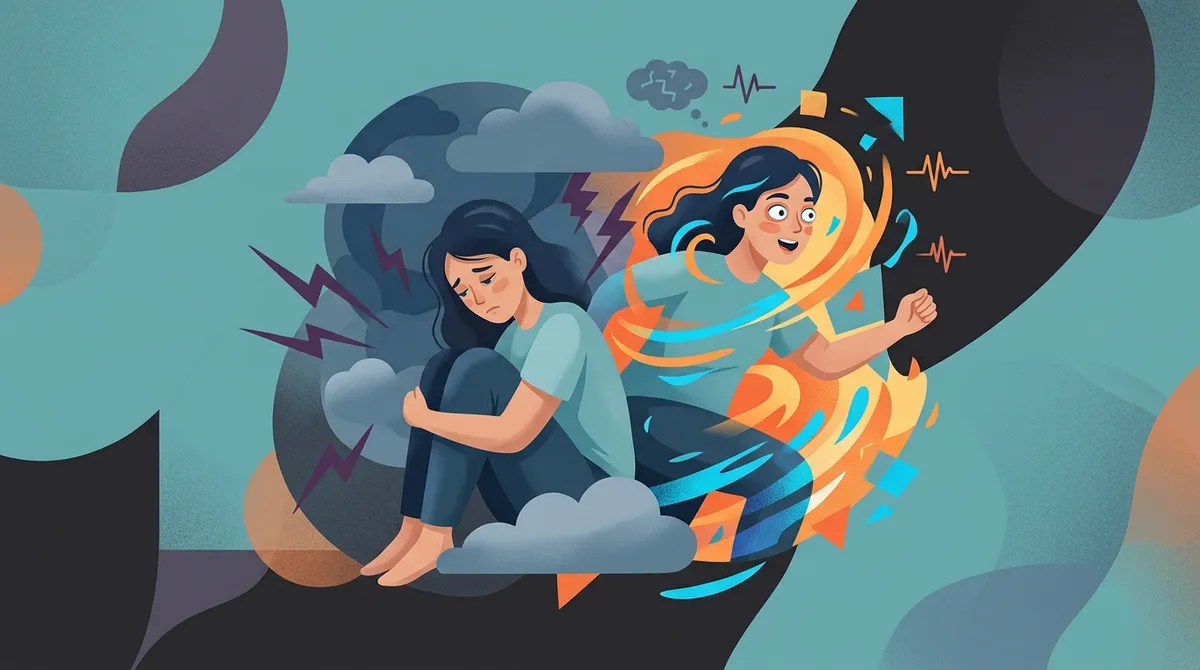
A mood disorder is a mental health condition that primarily affects your emotional state. These conditions go beyond normal sadness or happiness. They can disrupt your daily life, relationships, work, and sleep. Understanding what you are dealing with is the first step toward healing.
According to recent data from Harmony United Psychiatric Care, about 8% of adults aged 25 to 46 live with long-term mental illnesses. Additionally, 11% of adolescents aged 5 to 19 in Florida struggle with chronic mental health issues. These numbers remind us that mood disorders are incredibly common — and incredibly treatable.
Common mood disorders include:
- Major depressive disorder — persistent feelings of sadness, hopelessness, or emptiness
- Bipolar disorder — extreme mood swings between highs (mania) and lows (depression)
- Persistent depressive disorder (dysthymia) — a long-lasting, low-grade depression
- Cyclothymic disorder — milder mood swings over a longer period
- Anxiety-related mood conditions — chronic worry that fuels emotional instability
If any of these sound familiar, you are not alone. Visit our mood issues page to learn more about what you might be experiencing.
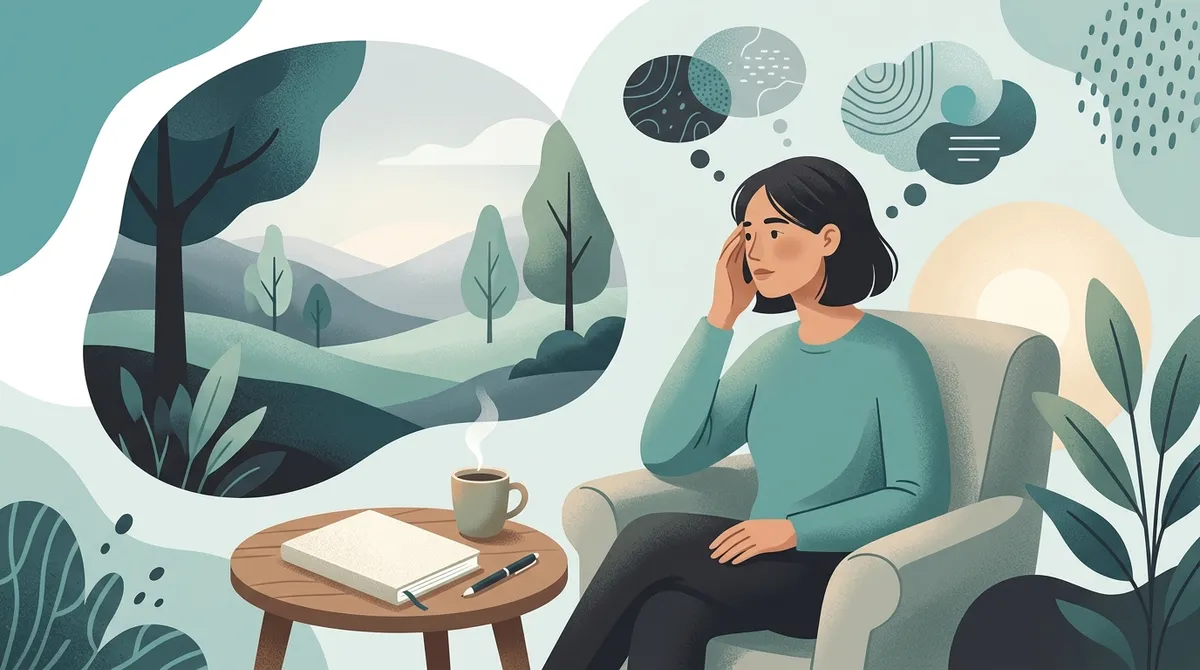
Step 1: Recognize the Signs That You Need Help
Sometimes the hardest part is admitting that something is wrong. Many people push through for months or years before reaching out. But the earlier you seek help, the sooner you can start feeling like yourself again.
Here are signs it may be time to seek Brandon mood disorder treatment:
- You feel sad, empty, or hopeless most of the time for two weeks or more.
- Your mood swings are extreme and hard to control.
- You have lost interest in things you used to enjoy.
- Sleep and appetite changes are affecting your daily life.
- Relationships at home or work are suffering because of your mood.
- You find it hard to concentrate or make simple decisions.
- You have thoughts of harming yourself or feeling like life is not worth living.
If you recognize several of these signs, please do not wait. Depression treatment and other mood disorder therapies can make a life-changing difference. You deserve support.
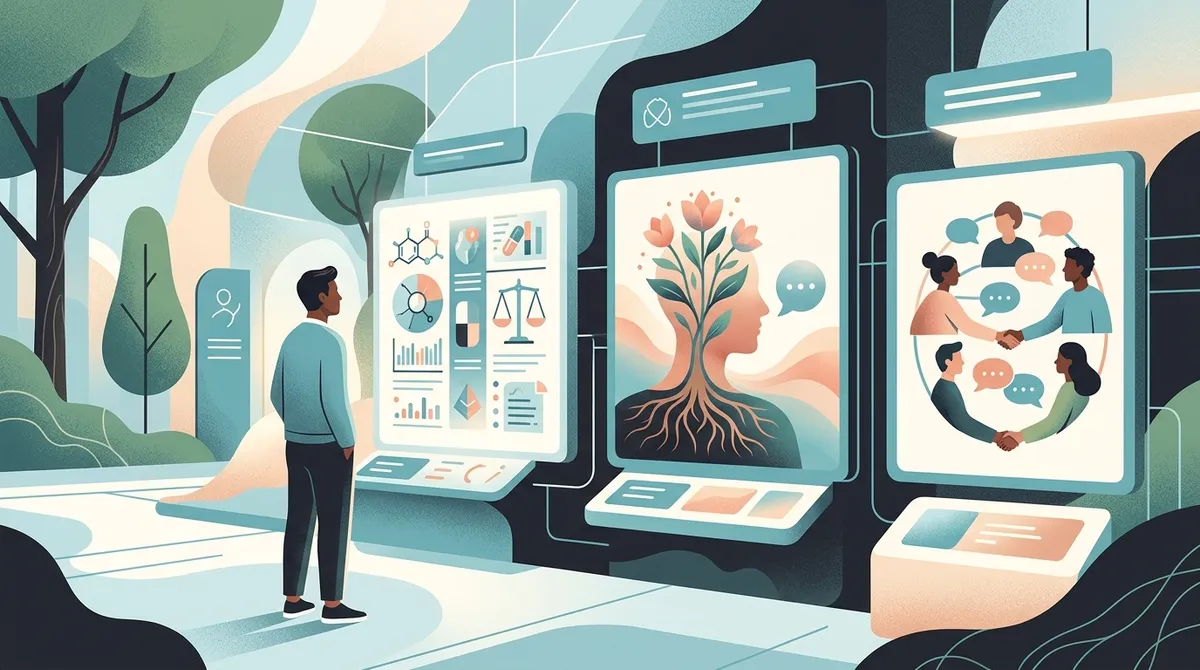
Step 2: Understand Your Treatment Options
There is no single solution for mood disorders. The best treatment plan is one that fits your specific needs, history, and lifestyle. Here is an overview of the most common and effective options available in Brandon.
Talk Therapy (Psychotherapy)
Talk therapy is one of the most effective tools for treating mood disorders. A licensed therapist works with you to understand your thoughts, feelings, and behaviors. They help you identify patterns and develop healthier ways of coping. Cognitive Behavioral Therapy (CBT) is one of the most widely used approaches. It helps you challenge negative thinking and replace it with more balanced thoughts.
Other evidence-based therapies include:
- Dialectical Behavior Therapy (DBT) — great for emotional regulation
- EMDR — helpful when trauma plays a role in mood issues
- Schema Therapy — addresses deep-rooted thought patterns
- Acceptance and Commitment Therapy (ACT) — builds emotional flexibility
You can explore all of these approaches on the evidence-based modalities page at West Florida Therapy.
Couples and Family Therapy
Mood disorders do not just affect one person — they affect everyone around you. If your condition is straining your relationship, couples therapy can be incredibly helpful. Working through emotional pain together often strengthens bonds and improves communication on both sides.
Telehealth Therapy
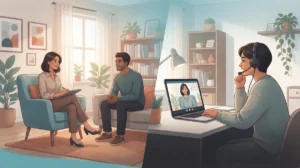
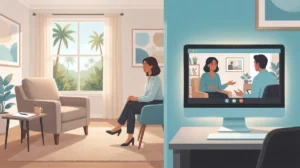
Life is busy. Sometimes getting to an office is simply not possible. That is why telehealth therapy in Florida has become such a popular and effective option. You can attend sessions from your couch, your car, or anywhere private. Quality care is just a screen away.
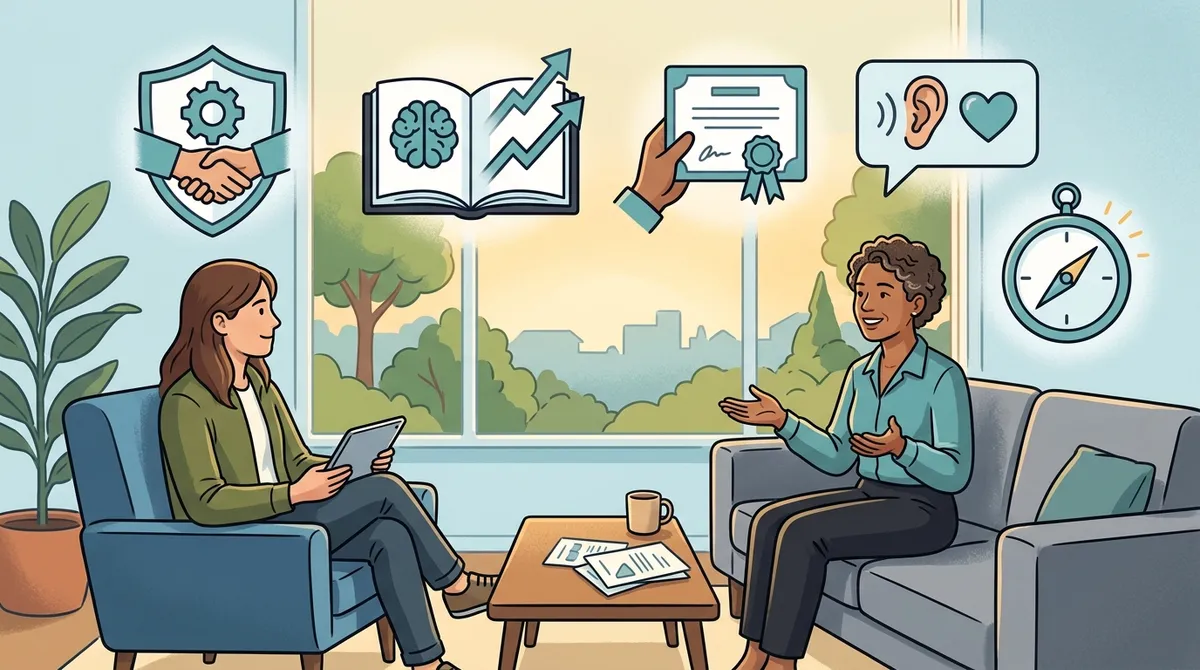
Step 3: Know What to Look for in a Mood Disorder Therapist
Choosing a therapist is a deeply personal decision. The right therapist can help you unlock real, lasting change. Here is what to look for when selecting a provider for mood disorder treatment in Brandon.
- Licensure and credentials — Make sure they are a licensed mental health counselor, psychotherapist, or clinical social worker.
- Specialization — Look for someone with experience specifically in mood disorders, depression, or bipolar treatment.
- Communication style — You should feel heard, respected, and comfortable speaking openly.
- Cultural sensitivity — If English is not your first language, bilingual services can make a huge difference. Spanish-speaking therapists are available at West Florida Therapy.
- Flexible appointment options — In-person and telehealth availability helps you stay consistent with treatment.
Margaret Deuerlein, the caring and experienced psychotherapist at West Florida Therapy, offers compassionate, personalized care for adults and adolescents dealing with mood disorders. Her warm, judgment-free approach makes it easier to open up and start healing. Visit us on Google — West Florida Therapy to read reviews and learn more about the experience clients have had.
Step 4: Compare Treatment Formats to Find Your Fit
Not every person thrives in the same setting. The table below helps you compare common treatment formats so you can make an informed choice.
| Treatment Format | Best For | Key Benefit |
|---|---|---|
| In-Person Individual Therapy | Adults and teens wanting face-to-face support | Deeper connection with therapist |
| Telehealth Sessions | Busy professionals and remote clients across Florida | Convenient, accessible, flexible |
| Couples Therapy | Relationships affected by a partner’s mood disorder | Improves communication and emotional safety |
| Bilingual Therapy (English/Spanish) | Spanish-speaking adults and families | Removes language barriers in care |
| Adolescent Therapy | Teens aged 13–17 with mood or anxiety issues | Age-appropriate support in a safe space |
Understanding which format suits your life makes it easier to commit to consistent care — and consistency is one of the biggest predictors of success in mood disorder treatment.
Step 5: Understand Common Co-Occurring Conditions
Mood disorders rarely travel alone. Many people living with depression or bipolar disorder also experience other conditions at the same time. This is called a co-occurring or comorbid condition. Treating both at the same time leads to much better outcomes.
Common co-occurring conditions include:
- Anxiety disorders — Learn more about anxiety treatment options
- PTSD and trauma — Explore trauma therapy for deeper healing
- ADHD — Read about why ADHD and depression often occur together
- Panic attacks — Discover resources on panic attacks
- Relationship problems — See how relationship challenges and mood interact
Getting a thorough assessment from a qualified therapist ensures all aspects of your mental health are addressed. The Mental Health Resources provided by the CDC offer helpful information on recognizing and addressing co-occurring conditions.
Step 6: Know What to Expect in Your First Sessions
Starting therapy for the first time can feel nerve-wracking. That is completely normal! Knowing what to expect helps ease the anxiety around that first appointment.
Here is a simple overview of what the process typically looks like at West Florida Therapy:
- Free 15-minute consultation — A brief call to discuss your needs and see if you are a good fit together.
- Comprehensive intake assessment — Your therapist will ask about your history, symptoms, goals, and lifestyle to get a full picture.
- Personalized treatment plan — Together, you will build a customized plan that addresses your specific mood disorder and life circumstances.
- Regular weekly or bi-weekly sessions — Consistent sessions build momentum. Each one builds on the last.
- Progress check-ins — Your therapist will regularly review your progress and adjust the plan as needed.
You can learn more about this approach on the Our Process page at West Florida Therapy. The entire journey is designed to be clear, supportive, and empowering from day one.
Special Considerations for Adolescents and Families
Mood disorders are not just an adult issue. In Florida, approximately 11% of adolescents aged 5 to 19 face chronic mental health challenges. Teenagers dealing with depression or mood swings often struggle silently, not knowing how to ask for help.
If you are a parent who is worried about your teen, please know that early intervention makes a real difference. Virtual therapy for adolescents in Brandon, FL is a great option for teens who feel more comfortable at home. In-person sessions are also available at the Brandon location.
The Substance Abuse & Mental Health services through the Florida Department of Children and Families also offer community resources for families navigating mental health challenges.
Insurance and Payment Options
One of the biggest barriers to seeking mood disorder treatment is the worry about cost. The good news is that many insurance plans cover mental health services. West Florida Therapy is in-network with Aetna, Cigna, Florida Blue, Optum, Oscar, and United Health Care. They also accept major credit cards, HSA, and FSA accounts for out-of-pocket payments.
The Mental Health Links from the Florida Department of Health can also help you find additional state-funded resources if needed. Affordable care is more accessible than most people realize.
For a full breakdown of what to expect financially, visit the payment options page. Transparent pricing helps you plan your care without surprises.
How Mood Disorder Treatment Changes Your Life
Treatment is not just about reducing symptoms. It is about reclaiming your life. Here are some of the meaningful changes people experience through consistent mood disorder therapy:
- Stronger, healthier relationships at home and work
- Better sleep and physical energy levels
- Greater ability to manage stress and emotional triggers
- Improved self-esteem and confidence
- Clearer thinking and better decision-making
- A renewed sense of hope and purpose
These are not small changes. They are life-altering. And they are within reach for anyone who takes that brave first step. Learn how therapy can help you recover from depression and start imagining what life could feel like on the other side of this.
If you are also interested in some lifestyle support alongside therapy, you might be surprised to learn that simple self-care habits — like spending time outdoors or maintaining a healthy lawn and living space — can reduce stress. Practices like those promoted by All Trusted Lawn Care remind us that a peaceful environment matters for mental wellness too. And for overall physical health (which is deeply tied to mood), having a trusted provider like Charming Smiles of Ocoee supports the whole-body wellness journey.
Take the First Step Toward Feeling Better Today
You do not have to keep white-knuckling through difficult emotions. Effective, compassionate Brandon mood disorder treatment is available — and it starts with a single conversation. Whether you are dealing with depression, bipolar disorder, emotional dysregulation, or anything in between, real help is here.
At West Florida Therapy, Margaret Deuerlein and her team are ready to walk alongside you. With in-person appointments in Brandon and telehealth available across all of Florida, support has never been more accessible. Bilingual services in English and Spanish ensure that no one is left behind due to a language barrier.
You deserve to feel better. You deserve a life that feels manageable, meaningful, and full of possibility. Reach out to our team today and take that first courageous step toward lasting emotional wellness. A free 15-minute consultation is waiting for you — no pressure, no judgment, just support.
FAQs
Q: What types of mood disorders are treated in Brandon, FL?
A: Brandon therapists treat a wide range of mood disorders including major depression, bipolar disorder, persistent depressive disorder (dysthymia), and anxiety-related mood conditions. A thorough assessment helps identify your specific diagnosis so the right treatment plan can be built just for you.
Q: Can I receive mood disorder treatment virtually in Florida?
A: Absolutely! Telehealth therapy is available across all of Florida, making it easy to access quality mood disorder treatment from the comfort of your own home. West Florida Therapy offers virtual sessions alongside in-person appointments in Brandon, FL.
Q: How long does mood disorder treatment typically take?
A: Treatment length varies depending on the type and severity of the mood disorder, but many people begin to notice meaningful improvements within a few months of consistent therapy. Your therapist will regularly check in on your progress and adjust the plan to keep you moving forward.
Q: Is therapy for mood disorders covered by insurance?
A: Yes, many insurance plans cover mental health services, including mood disorder treatment. West Florida Therapy is in-network with Aetna, Cigna, Florida Blue, Optum, Oscar, and United Health Care, and also accepts HSA and FSA accounts for added flexibility.
Q: Are bilingual mood disorder therapy services available in Brandon?
A: Yes! West Florida Therapy offers bilingual services in both English and Spanish, making it easier for Spanish-speaking adults and families to access compassionate, effective mood disorder treatment without a language barrier getting in the way.