Key Takeaways
-
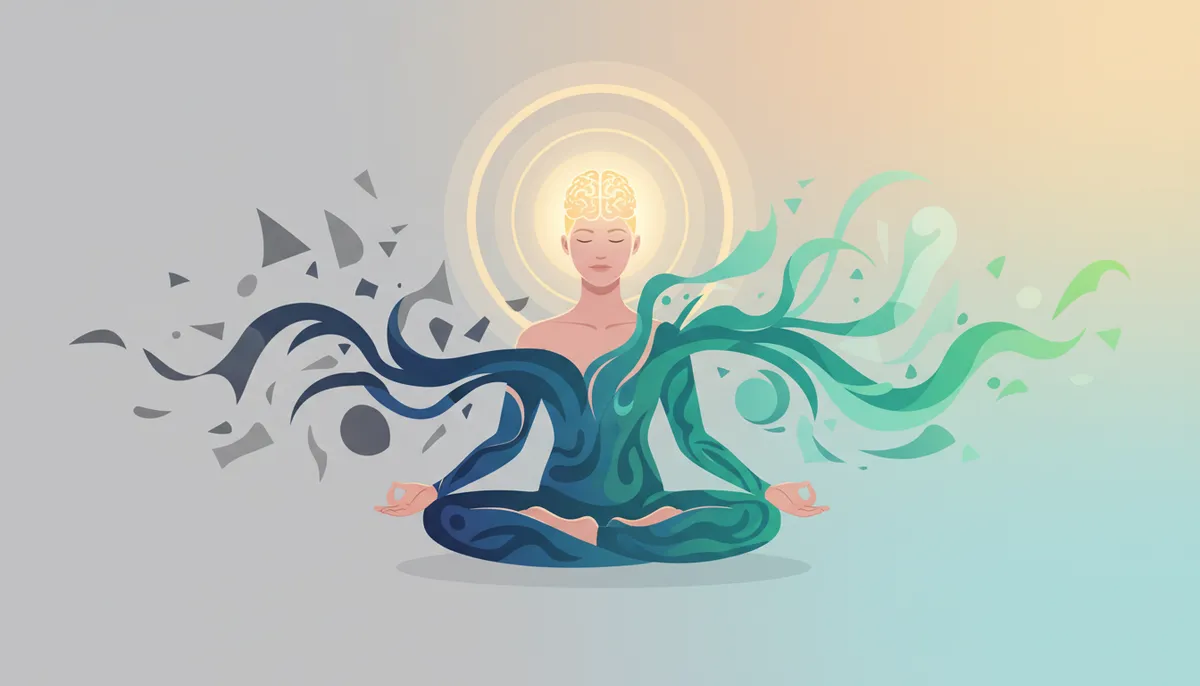
Mindfulness-based therapy physically rewires the brain by shrinking the amygdala, strengthening the prefrontal cortex, and lowering cortisol levels—creating lasting neurological changes that support long-term mental wellness.
-
Mindfulness-Based Cognitive Therapy (MBCT) and Mindfulness-Based Stress Reduction (MBSR) are structured 8-week programs proven to reduce depression relapse and anxiety symptoms significantly more effectively than unguided practice.
-
Body scan meditation and mindful breathing are particularly effective for trauma survivors because they safely reconnect the mind and body, addressing how trauma becomes stored physically rather than just mentally.
-
Mindfulness should not be used as standalone treatment for active suicidal ideation, severe manic episodes, acute psychosis, or severe untreated PTSD—it must be part of a professionally supervised comprehensive plan.
-
Non-judgmental awareness and loving-kindness meditation help reframe negative self-talk by teaching you to observe thoughts without fusing with them, shifting ‘I’m a failure’ to ‘I’m having the thought that I’m a failure.’
-
Group mindfulness therapy is equally effective as individual CBT for many conditions and offers unique benefits for underserved populations, particularly Latino and Hispanic communities with language barriers to mental health care.
Have you ever felt like your thoughts were racing a hundred miles a minute? You’re not alone. Millions of adults, teens, and young people across Florida struggle every day with anxiety, stress, depression, and trauma. The good news? Mindfulness is one of the most powerful tools available in mental health therapy today — and it’s more accessible than ever in 2026.
Mindfulness is the practice of paying attention to the present moment without judgment. When used inside a therapy setting, it becomes a research-backed tool that can genuinely change how your brain works. From reducing anxiety to healing trauma, mindfulness-based approaches are helping people across all walks of life feel calmer, clearer, and more in control. Let’s walk through 10 evidence-based mindfulness techniques used in therapy — and explore how each one can support your mental wellness journey.

What Is Mindfulness in a Therapy Context?
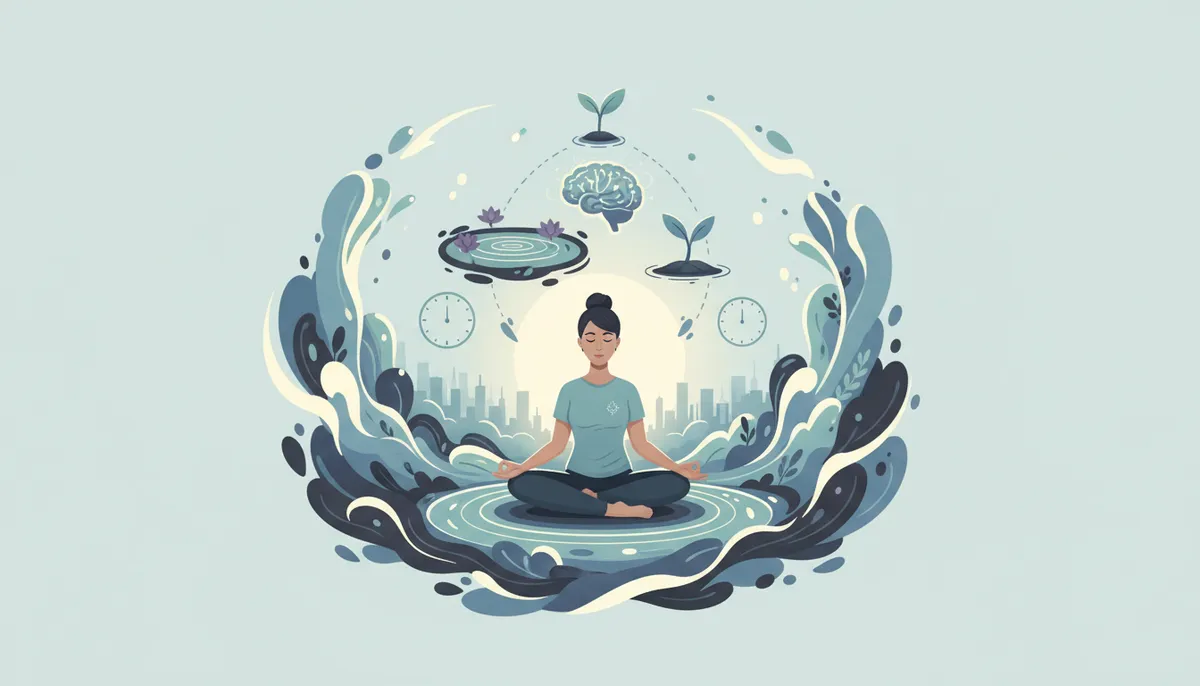
Mindfulness in therapy is more than just deep breathing. It’s a structured, intentional practice that therapists integrate into treatment plans for conditions like depression, PTSD, and stress. According to research published by the National Institutes of Health, mindfulness interventions have shown meaningful improvement in PTSD and depression symptom severity. Psychologists have also found that mindfulness meditation positively changes the brain and body, improving both mental and physical health.
In clinical therapy, mindfulness is often combined with approaches like Cognitive Behavioral Therapy (CBT) or Dialectical Behavior Therapy (DBT) to create a powerful, well-rounded treatment plan. You can explore more about evidence-based therapy modalities to see how these approaches work together. For mental health treatment in Florida, mindfulness is now a cornerstone of modern, compassionate care.
10 Mindfulness Techniques Used in Therapy
1. Mindful Breathing (Breath Awareness)
This is where most people start. Mindful breathing means focusing all your attention on the simple act of breathing. You notice each inhale and exhale without trying to change anything. In a therapy session, a trained therapist guides you through this practice to help calm your nervous system quickly.
Mindful breathing is especially helpful for people dealing with panic attacks or intense anxiety. Studies show that focused breathing activates the parasympathetic nervous system — the part of your body that says “it’s okay to relax.” Even five minutes of mindful breathing can shift your mental state in a meaningful way.
2. Body Scan Meditation
The body scan is a popular mindfulness exercise used widely in therapy. You slowly move your attention from the top of your head to the tips of your toes. As you do, you notice any areas of tension, discomfort, or emotion without judging them.
This technique is especially valuable for trauma survivors. Mental Health Resources from the CDC highlight how trauma often lives in the body, not just the mind. The body scan helps people reconnect with their physical experience safely and gently, making it a powerful tool in trauma therapy.
3. Mindfulness-Based Cognitive Therapy (MBCT)
MBCT is a structured 8-week program that blends traditional cognitive therapy with mindfulness practices. It was originally developed to prevent depression relapse — and it works incredibly well for that purpose. Research shows that MBCT reduces the risk of depression returning in people who have experienced three or more depressive episodes.
In MBCT sessions, you learn to notice negative thought patterns early, before they spiral. You develop the skill of watching your thoughts like clouds passing by — without getting swept away by them. If you’ve been struggling with recurring depression, depression treatment that includes MBCT could be life-changing.
4. Mindfulness-Based Stress Reduction (MBSR)
MBSR is another 8-week structured program developed for clinical populations. It was created by Dr. Jon Kabat-Zinn and has been studied extensively since the late 1970s. MBSR programs significantly reduce symptoms of both depression and anxiety, making them a go-to recommendation for many therapists.
An MBSR program typically includes:
- Weekly group sessions lasting 2–2.5 hours
- Daily home practice (about 45 minutes)
- Mindful movement such as gentle yoga
- Body scan practices
- Sitting and walking meditation
- A full-day mindfulness retreat near the end of the program
For stressed millennials and busy adults in Florida, MBSR offers a clear, structured path to lasting stress relief. You can also explore how to use meditation for stress and anxiety relief as a starting point.
5. Sitting Meditation
Sitting meditation is a core mindfulness practice used in both individual and group therapy. You sit quietly and focus your attention on your breath, body sensations, thoughts, or emotions. The goal is not to empty your mind — it’s to observe what’s happening without reacting to it.
In therapy, sitting meditation helps clients build emotional regulation skills. Over time, you learn to create a small but powerful pause between a trigger and your response. That pause can be the difference between reacting impulsively and choosing how you want to show up. This skill is especially helpful for those working through mood dysregulation or emotional pain.
6. Mindful Movement and Yoga
Mindful movement brings awareness into physical activity. This could be yoga, tai chi, walking, or even simple stretching — all done with full attention to how the body feels. In mental health therapy, mindful movement is often used alongside talk therapy to help clients reconnect with their bodies.
For adolescents dealing with anxiety or trauma, mindful movement can feel less intimidating than traditional meditation. Research from the American Psychiatric Association shows that mindfulness interventions — including movement-based ones — have reduced anxiety symptoms significantly in youth populations, including Latino and Hispanic teens. This makes it a culturally accessible tool for bilingual therapy clients across Florida.
7. Non-Judgmental Awareness Practice
One of the most transformative parts of mindfulness is learning to observe your thoughts without judging them as good or bad. In therapy, this is called non-judgmental awareness. Your therapist guides you to notice thoughts — including painful, scary, or shameful ones — without fusing with them or reacting to them.
This skill helps clients reframe negative self-talk and spot early warning signs of distress. Instead of “I’m a failure,” you learn to say, “I’m having the thought that I’m a failure — and I can let that thought pass.” This small but powerful shift is central to Acceptance and Commitment Therapy (ACT), which integrates mindfulness at its core.
8. Loving-Kindness Meditation (Metta)
Loving-kindness meditation involves silently repeating warm phrases toward yourself and others. Phrases like “May I be happy. May I be safe. May I be at peace.” It sounds simple — but the emotional impact can be profound, especially for people who struggle with self-criticism or low self-esteem.
In therapy, loving-kindness meditation is used to build self-compassion, reduce interpersonal hostility, and heal relational wounds. For couples in therapy, it can also be a beautiful practice to do together. Consider exploring couples therapy that incorporates mindfulness-based approaches if you and your partner are working through conflict or disconnection.
9. Mindfulness in DBT (Dialectical Behavior Therapy)
DBT is a well-known therapy approach that uses mindfulness as one of its four core skill sets. In DBT, mindfulness is called the “what” and “how” skills — you learn what to observe and how to observe it without judgment. DBT-based mindfulness is especially effective for emotional regulation, distress tolerance, and relationship and communication issues.
DBT was originally developed for borderline personality disorder but is now widely used for depression, anxiety, eating disorders, and trauma. The DBT approach at West Florida Therapy helps clients build real emotional resilience through consistent, structured mindfulness practice. For Gen Z young adults navigating mental health crises, DBT’s mindfulness component offers practical skills that can be used anywhere — no special equipment needed.
10. Group Mindfulness Therapy
Group mindfulness therapy brings people together to practice mindfulness techniques in a shared, supportive environment. Research shows that group mindfulness therapy is just as effective as individual CBT for many conditions. There’s also something uniquely healing about knowing you’re not alone in your experience.
Group settings are especially powerful for diverse populations. Studies show meaningful reductions in anxiety and depression symptoms in group mindfulness programs, including among Latino and Hispanic youth — a community that faces unique barriers to mental health care. Bilingual therapy services, like those offered at West Florida Therapy, help bridge that gap by making mindfulness-based care accessible in both English and Spanish across Florida.
Who Can Benefit From Mindfulness in Therapy?
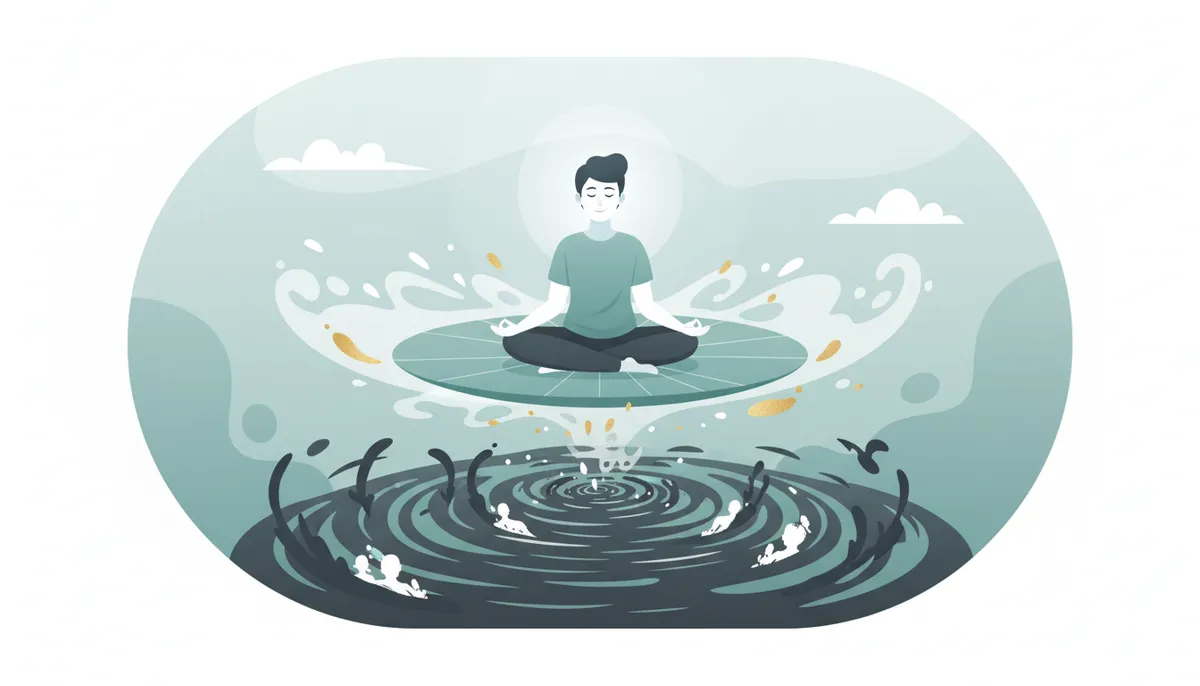
Mindfulness-based therapy can help a wide range of people. Here’s a quick look at who benefits most:
| Who | Common Challenges | Mindfulness Benefit |
|---|---|---|
| Stressed Adults & Millennials | Work burnout, life transitions | Reduces cortisol, builds resilience |
| Adolescents (13–17) | School pressure, social anxiety | Improves focus and emotional regulation |
| Trauma Survivors | PTSD, emotional numbness | Reconnects mind and body safely |
| Couples | Communication breakdown, conflict | Builds non-reactive listening skills |
| Spanish-Speaking Adults | Language barriers in care | Bilingual mindfulness therapy access |
| Gen Z Young Adults | Isolation, academic stress | Virtual mindfulness sessions available |
If you’re unsure where to start, our therapy process is designed to be clear, welcoming, and personalized to your unique needs. You can also learn more about telehealth therapy options in Florida if in-person sessions aren’t convenient for you right now.
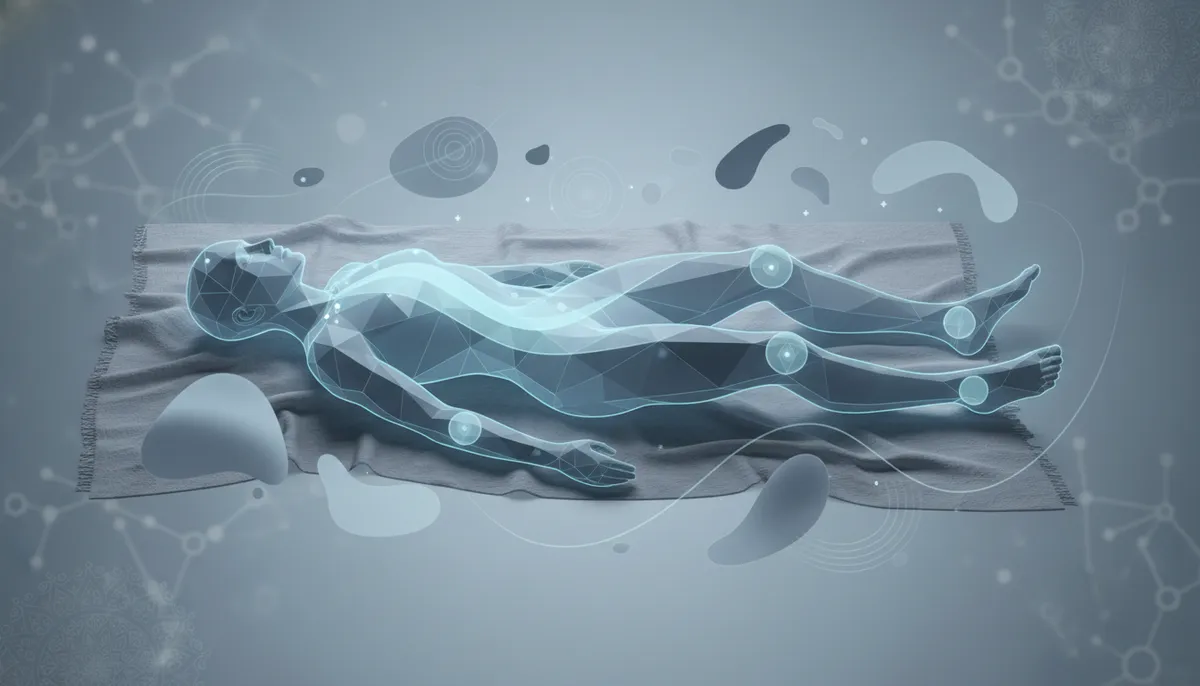
What Mindfulness Does to Your Brain
Science confirms what many therapy clients experience first-hand. Here are some key brain-based benefits of mindfulness practice:
- Shrinks the amygdala — the brain’s fear and stress center
- Strengthens the prefrontal cortex — the area responsible for calm decision-making
- Improves sleep quality and reduces insomnia
- Lowers levels of cortisol, the primary stress hormone
- Boosts emotional regulation and self-awareness
- Reduces inflammation markers linked to chronic stress
These aren’t small changes. Over consistent practice, mindfulness rewires the brain in ways that support long-term mental wellness. For anyone working through mood issues or chronic stress, this kind of neurological change is genuinely exciting news.
Important Limitations to Know
Mindfulness is a powerful tool, but it’s not a one-size-fits-all solution. It’s important to know when it needs to be paired with other treatment approaches. Mindfulness is NOT recommended as a standalone treatment for:
- Active suicidal ideation or self-harm behaviors
- Severe manic episodes in bipolar disorder
- Acute psychosis or dissociative episodes
- Severe untreated PTSD without professional guidance
In these cases, mindfulness should be part of a broader, professionally supervised treatment plan. Always consult a licensed therapist before starting any mindfulness program if you’re experiencing severe symptoms. Resources like Substance Abuse & Mental Health services in Florida and Florida Mental Health Links can also help connect you with the right level of care.
How to Get Started With Mindfulness-Based Therapy
Starting mindfulness in a therapy context is easier than you might think. Here are the steps most clients take:
- Schedule a free consultation — Talk to a therapist about your current challenges and goals. This helps determine if mindfulness-based therapy is a good fit.
- Get a personalized treatment plan — Your therapist will tailor the mindfulness approach to your specific needs, whether that’s MBCT, DBT, or another evidence-based method.
- Attend consistent sessions — Weekly or biweekly sessions help you build mindfulness skills progressively over time.
- Practice between sessions — Many programs include brief daily home practices that reinforce what you learn in therapy.
- Track your progress — Good therapists check in regularly and adjust your plan to keep you moving forward.
If you’re in Brandon, Florida or anywhere across the state, in-person therapy in Brandon is available, along with virtual sessions statewide. Margaret Deuerlein is a caring and skilled psychotherapist who brings warmth, expertise, and genuine commitment to every session. Whether you’re a teenager dealing with school stress, an adult navigating a life transition, or a couple trying to reconnect, she’s here to help you find your footing through mindfulness-based and other evidence-based approaches.
Just as skilled craftspeople like Bucheli Trim bring precision and care to their work, Margaret brings that same thoughtful attention to every person she works with — building something lasting and meaningful with each session.
A Final Word on Mindfulness and Healing
Mindfulness won’t solve everything overnight. But it gives you a set of tools that belong to you — tools you can use in the middle of a hard day, in the quiet of the morning, or in a moment when everything feels like too much. When practiced consistently and guided by a skilled therapist, mindfulness can genuinely transform how you relate to your thoughts, your emotions, and your life.
You deserve support that actually works. Whether you’re struggling with anxiety, depression, trauma, or just feeling overwhelmed by life, mindfulness-based therapy offers a compassionate and evidence-backed path forward. Come see for yourself — visit us on Google — West Florida Therapy to read reviews from real clients who’ve experienced this kind of care firsthand.
You don’t have to carry the weight alone. Reach out to our team today and take the first courageous step toward a calmer, healthier, and more present version of yourself. We offer a free 15-minute consultation, bilingual services in English and Spanish, and both in-person and virtual sessions throughout Florida. We’d love to hear from you.
FAQs
Q: What is Mindfulness-Based Cognitive Therapy (MBCT) and how does it help with depression?
A: MBCT is an 8-week therapy program that combines mindfulness practices with cognitive therapy techniques. It helps people notice negative thought patterns early and prevents depression from returning — especially for those who’ve experienced multiple episodes. It’s a warm, structured approach that many clients find truly life-changing!
Q: Can mindfulness be used alongside other therapy approaches like CBT or DBT?
A: Absolutely! Mindfulness works beautifully alongside CBT, DBT, and other evidence-based therapies. In fact, many therapists combine these approaches to create a more complete, personalized treatment plan. Think of mindfulness as a powerful skill set that enhances everything else you’re working on in therapy.
Q: Is mindfulness therapy available virtually for people across Florida?
A: Yes! Mindfulness-based therapy is very well-suited to virtual sessions. At West Florida Therapy, you can access telehealth sessions from anywhere in Florida — making it easy to fit mindfulness into your life no matter how busy your schedule is.
Q: Are there any situations where mindfulness is not recommended on its own?
A: Yes, mindfulness works best as part of a broader treatment plan for severe conditions like active suicidal thoughts, acute mania, or psychosis. Always work with a licensed therapist to determine the safest and most effective approach for your specific situation. You never have to figure this out alone!
Q: Is mindfulness-based therapy available in Spanish for Hispanic clients in Florida?
A: Yes! Bilingual therapy services in English and Spanish are available at West Florida Therapy, both in person in Brandon, Florida, and virtually across the state. Mindfulness is a universal practice, and having a therapist who speaks your language makes the experience even more meaningful and effective.