Key Takeaways
-
Evidence-based techniques like Trauma-Focused CBT, EMDR, and somatic therapy specifically target how trauma is stored in the body and mind, offering proven methods beyond standard talk therapy.
-
Therapy teaches practical emotional regulation skills including grounding techniques, boundary-setting, and coping strategies that serve teens for life in school, relationships, and beyond.
-
Recognizing trauma signs early—mood changes, withdrawal, sleep problems, declining grades, emotional outbursts—and seeking treatment significantly improves long-term outcomes for adolescents.
-
A safe, judgment-free therapeutic space allows teens to process difficult experiences at their own pace, building the trust foundation necessary for healing without shame.
-
Helping teens understand that trauma changes the brain and their reactions make sense removes shame and builds self-compassion, while challenging negative core beliefs like ‘I’m broken.’
-
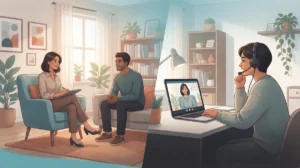
Flexible access to therapy through both in-person and virtual telehealth options removes barriers to care, allowing teens to start from comfortable settings with minimal scheduling conflicts.
If your teenager has been through something difficult, you may notice changes in their mood, behavior, or school performance. Trauma affects young people deeply — and it can show up in ways that aren’t always obvious. The good news? trauma therapy works, and it can truly change a teen’s life. In Brandon, FL, families have access to caring, evidence-based support designed specifically for adolescents. Whether your teen experienced abuse, loss, family stress, or another painful event, the right therapist can help them heal and move forward. This article walks you through 10 powerful ways trauma therapy helps teens — so you can feel confident taking that first step.
What Is Trauma Therapy for Adolescents?
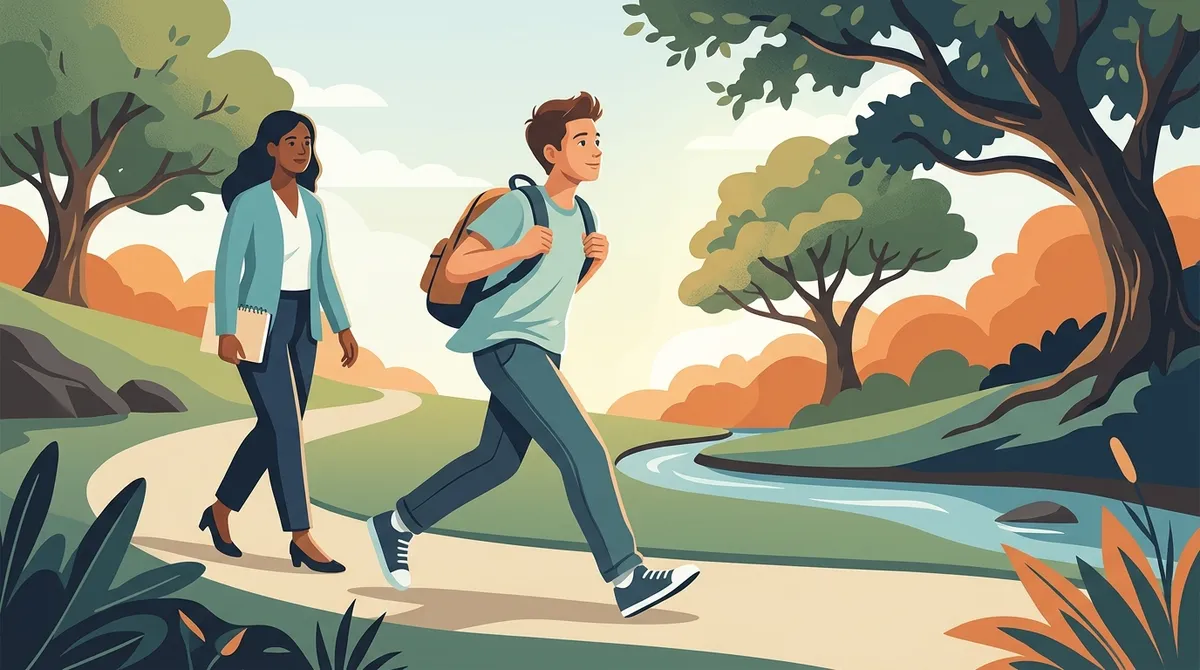
Trauma therapy is a specialized type of mental health care. It helps teens process painful or frightening experiences in a safe, supportive space. Unlike general counseling, trauma-focused therapy uses specific techniques designed to target how trauma is stored in the body and mind. In Brandon, FL, therapists use approaches like EMDR, trauma-focused CBT, and somatic methods to help teens recover at their own pace.
For parents wondering where to start, in-person therapy in Brandon, Florida is a great option for teens who benefit from face-to-face connection. Virtual therapy is also available throughout Florida for added flexibility. You can also learn more about how to recognize and heal from psychological trauma before your first appointment.
10 Ways Trauma Therapy Helps Teens in Brandon, FL
1. It Creates a Safe Space to Talk
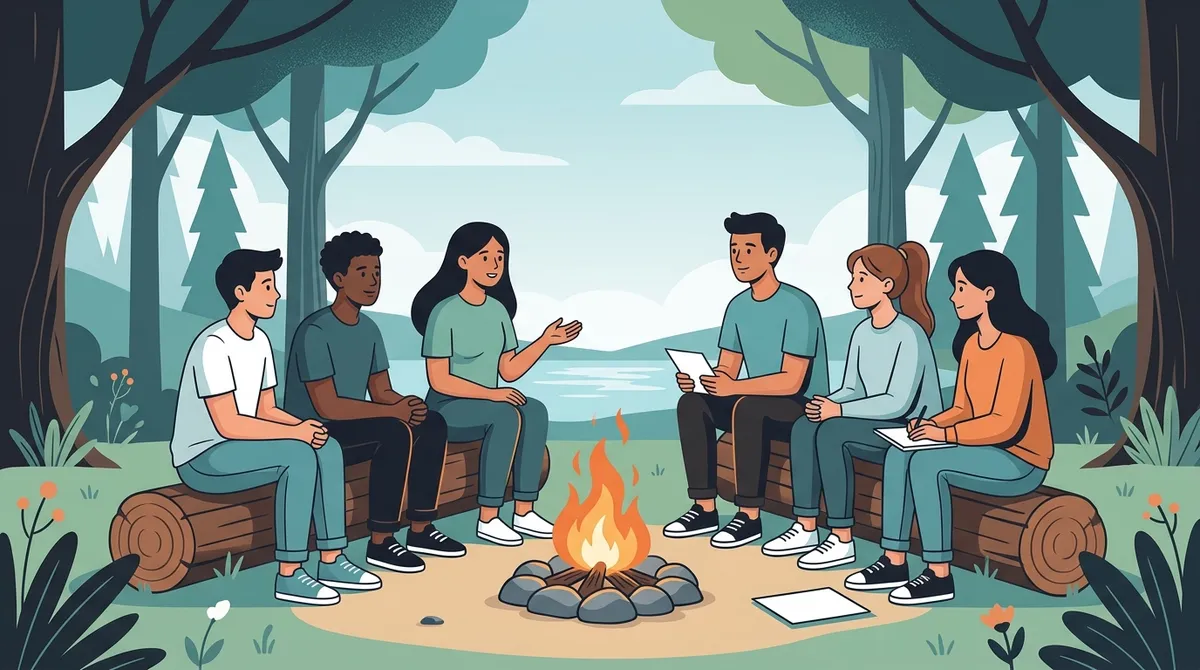
Many teens don’t feel comfortable opening up at home or school. Therapy gives them a private, judgment-free space. A trained therapist builds trust slowly and lets the teen lead at their own pace. This safety is the foundation of all healing.
2. It Uses Evidence-Based Techniques
Trauma therapy isn’t just talking — it uses proven methods. Here are some of the most effective tools used with adolescents:
- Trauma-Focused CBT (TF-CBT): Helps teens challenge negative thoughts connected to trauma
- EMDR (Eye Movement Desensitization and Reprocessing): Helps the brain reprocess traumatic memories
- DBT (Dialectical Behavior Therapy): Builds emotional regulation and distress tolerance skills
- Somatic therapy: Addresses how trauma is held in the body, not just the mind
- Mindfulness-based approaches: Helps teens stay grounded in the present moment
You can explore more about EMDR treatment as a powerful option for adolescent trauma recovery.
3. It Reduces Anxiety and Panic Symptoms
Trauma and anxiety are closely linked. Teens who’ve experienced trauma often live in a constant state of alertness. They may feel jumpy, worried, or unable to relax. Therapy helps calm the nervous system and reduce these responses. For teens struggling with panic attacks, therapy can be life-changing.
4. It Addresses Depression and Low Mood
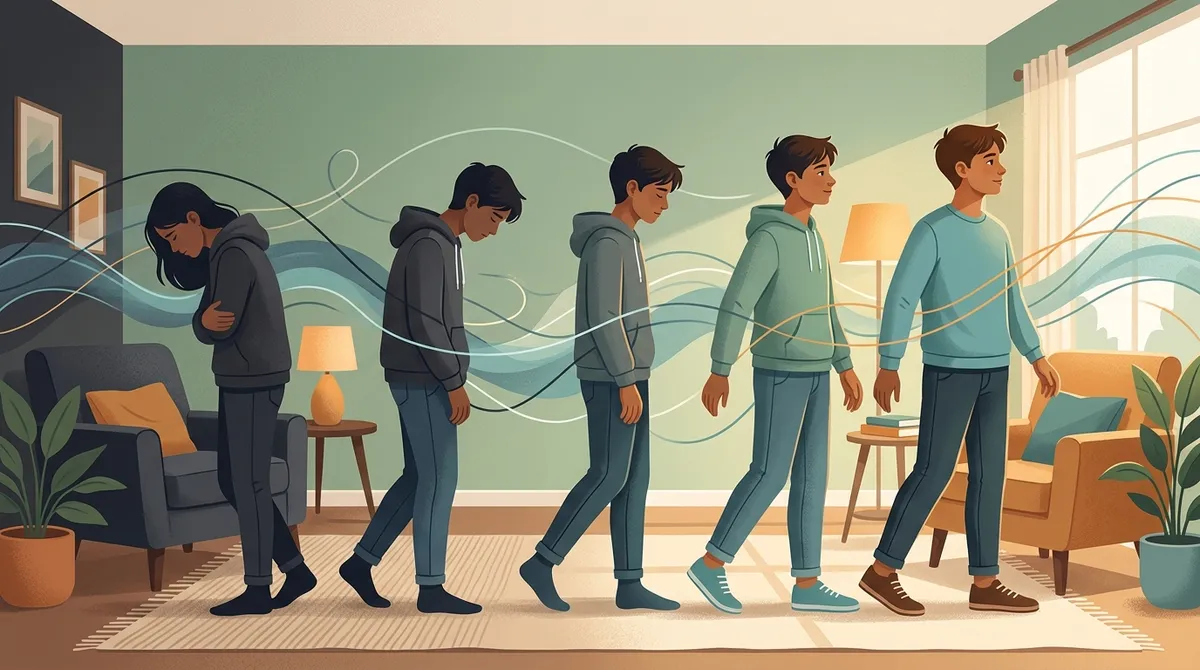
Trauma often leads to sadness, hopelessness, or emotional numbness. Teens may pull away from friends and activities they once loved. Depression treatment paired with trauma-focused care helps teens reconnect with life and find joy again. Early treatment makes a significant difference in long-term outcomes.
5. It Helps Teens Understand Their Reactions
One of the most powerful things therapy does is explain why a teen feels the way they do. Many teens feel confused or ashamed about their reactions. Learning that trauma changes the brain — and that their responses make sense — is deeply healing. This knowledge removes shame and builds self-compassion.
6. It Builds Emotional Regulation Skills
Teens who’ve experienced trauma often struggle to manage big emotions. They may have outbursts, shut down completely, or swing between the two. Therapy teaches practical skills to handle strong feelings. These tools serve teens for life — in school, relationships, and beyond.
Here are key skills teens often develop in therapy:
- Identifying and naming emotions clearly
- Using grounding techniques during distress
- Setting healthy boundaries with others
- Developing a personal coping toolkit
- Communicating needs without shutting down or exploding
7. It Tackles Shame and Negative Core Beliefs
Trauma often plants deep beliefs like “I’m broken” or “It was my fault.” These beliefs affect how a teen sees themselves and the world. Therapists work gently to identify and challenge these distorted thoughts. Over time, teens build a healthier, more accurate self-image.
8. It Supports the Whole Family
Healing doesn’t happen in isolation. A good trauma therapist also helps families understand what their teen is going through. Parents learn how to respond in ways that are supportive rather than accidentally re-traumatizing. This strengthens the family bond and speeds up recovery.
9. It Improves School Performance and Social Life
Trauma takes up mental energy — energy that could go toward learning, friendships, and fun. As therapy helps a teen process their experiences, they often find it easier to focus in school and connect with peers. Many teens report feeling more like themselves again after just a few months of consistent therapy.
10. It Offers Flexible Access — In-Person and Virtually
Getting help has never been easier. Teens in Brandon can see a therapist in person or connect through secure telehealth sessions from home. This flexibility removes barriers like transportation or scheduling conflicts. Telehealth therapy in Florida is especially helpful for teens who feel more comfortable opening up from their own space.
What to Look for in a Trauma Therapist for Your Teen
Choosing the right therapist is important. You want someone who is warm, experienced, and trained in trauma-specific techniques. Here’s a quick comparison of what to look for versus what to avoid:
| Look For | Watch Out For |
|---|---|
| Specialized training in adolescent trauma | No specific experience with teens |
| Uses evidence-based methods (TF-CBT, EMDR) | Only uses generic talk therapy |
| Offers telehealth and in-person options | Limited flexibility in scheduling/format |
| Bilingual support (English/Spanish) if needed | No language accommodations available |
| Clear treatment planning and progress tracking | Vague or unstructured approach |
How West Florida Therapy Supports Adolescents
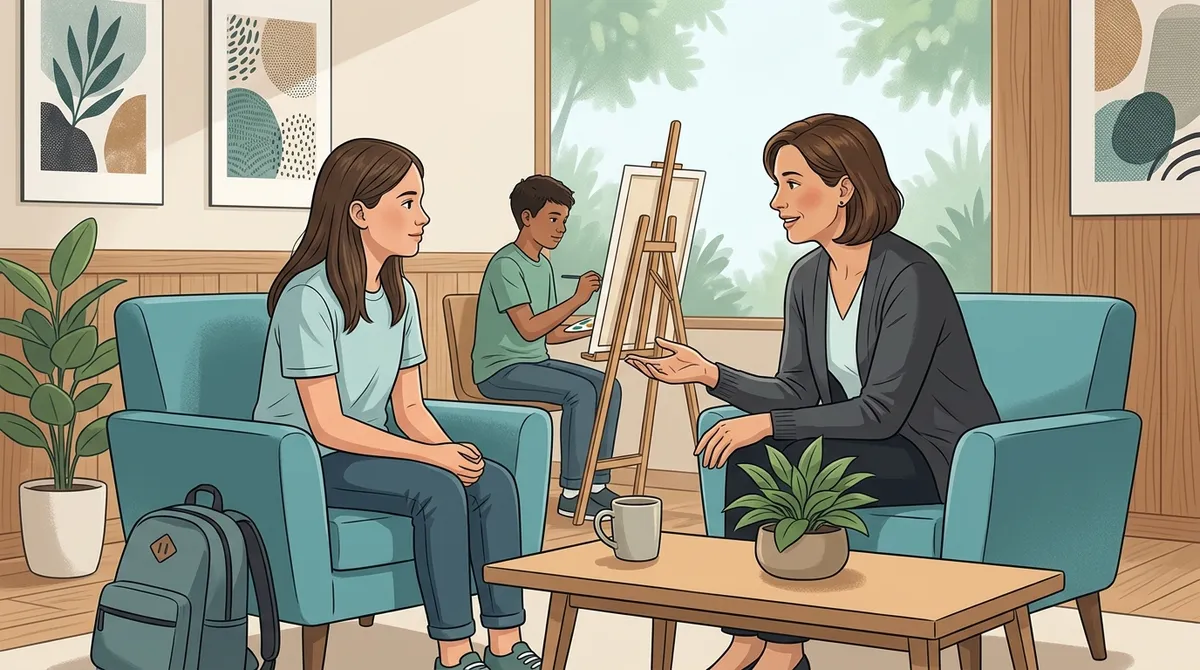
At West Florida Therapy, Margaret Deuerlein is a licensed, caring psychotherapist who works with adolescents, adults, and families. She brings warmth, skill, and deep compassion to every session. Her approach blends evidence-based trauma methods with personalized care — because every teen’s story is different. Whether your child needs help processing a single traumatic event or ongoing family stress, Margaret is here to help.
West Florida Therapy offers in-person sessions in Brandon, FL, as well as virtual therapy throughout Florida. Bilingual services in English and Spanish are available, making it easier for Hispanic families to access care in their preferred language. You can visit West Florida Therapy on Google to read reviews and learn more about the practice.
Common Signs Your Teen May Need Trauma Therapy
Not sure if your teen needs support? Here are signs that trauma may be affecting them:
- Sudden changes in mood, behavior, or personality
- Withdrawing from friends, family, or activities
- Nightmares, sleep problems, or fear of the dark
- Unexplained physical complaints like stomachaches or headaches
- Declining grades or difficulty concentrating
- Increased anger, irritability, or emotional outbursts
- Feelings of hopelessness or talking about feeling worthless
If you recognize several of these signs, it’s worth reaching out for a professional evaluation. Early support leads to much better outcomes for teens. The Mental Health Resources from the CDC offer helpful information for families navigating these challenges.
What the Research Says About Adolescent Trauma Treatment
Research strongly supports trauma-focused therapy for teens. The World Health Organization developed an intervention called EASE (Early Adolescent Skills for Emotions), which consists of 10 structured sessions focused on early adolescents. This program has shown success even in challenging environments. Similarly, trauma-focused CBT has decades of research behind it showing positive results for adolescents across a wide range of trauma types.
Florida families also have access to state-level mental health support. The Florida Department of Children and Families’ Substance Abuse & Mental Health division provides resources and programs statewide. For additional local support options, the Florida Department of Health’s Mental Health Links page is a great starting point.
How the Therapy Process Works
Starting therapy can feel intimidating — for both teens and parents. Here’s what the process typically looks like at a quality practice like West Florida Therapy:
- Free 15-minute consultation: A brief call to understand your teen’s needs and see if it’s a good fit
- Personalized treatment plan: A custom plan based on your teen’s unique experiences and goals
- Regular weekly or bi-weekly sessions: Consistent support that builds momentum
- Ongoing progress tracking: Regular check-ins to celebrate growth and adjust as needed
You can learn more about our therapy process to know exactly what to expect from the start. Understanding the journey ahead makes it much easier to take that first step.
Helping Your Teen Take the First Step
Teens sometimes resist the idea of therapy — and that’s totally normal. Here are a few ways to help your teen feel more open to it:
- Frame therapy as a strength, not a weakness
- Let them have input in choosing their therapist
- Remind them that everything they share is confidential
- Start with a low-pressure virtual session from home
- Share that many teens feel relief after just a few sessions
Also check out this helpful resource on mental health to better understand what your teen is experiencing. For teens dealing with anxiety alongside trauma, combined treatment can address both at the same time.
Conclusion
Your teenager deserves to feel safe, heard, and hopeful again. Brandon trauma therapy for adolescents offers real, lasting help — and the right support can make all the difference. From reducing anxiety and depression to building lifelong coping skills, trauma therapy opens the door to a brighter future. Margaret Deuerlein and the team at West Florida Therapy are ready to walk that road with your family. You don’t have to figure this out alone. Reach out today to schedule your free 15-minute consultation and take the first step toward healing together.
FAQs
Q: What is trauma-informed therapy for adolescents in Brandon, FL?
A: Trauma-informed therapy for adolescents is a specialized approach that helps teens process painful experiences in a safe, supportive environment. In Brandon, FL, therapists use evidence-based methods like trauma-focused CBT, EMDR, and somatic techniques tailored to the unique needs of young people. It’s designed to reduce symptoms like anxiety, depression, and emotional dysregulation while building lasting coping skills.
Q: How does EMDR help adolescents recover from trauma?
A: EMDR, or Eye Movement Desensitization and Reprocessing, helps the brain reprocess traumatic memories so they lose their emotional intensity. During sessions, a therapist guides the teen through specific eye movements or tapping while they briefly focus on a distressing memory. Many teens experience significant relief after just a few EMDR sessions, making it one of the most effective tools available for adolescent trauma recovery.
Q: What is the difference between regular therapy and trauma-focused CBT for teens?
A: Regular therapy helps teens talk through their feelings and challenges in a general way. Trauma-focused CBT (TF-CBT) is more targeted — it directly addresses the thoughts, feelings, and behaviors that stem from a specific traumatic experience. TF-CBT also involves parents or caregivers in the process, which strengthens the family’s ability to support the teen’s healing journey.
Q: Can my teen receive trauma therapy virtually in Florida?
A: Absolutely! Telehealth therapy is available throughout all of Florida, making it easy for teens to access professional trauma support from the comfort of home. Virtual sessions are just as effective as in-person therapy for many adolescents and can feel less intimidating for teens who are hesitant to start. West Florida Therapy offers both in-person and virtual options to fit your family’s needs.
Q: How do I know if my teenager needs trauma therapy?
A: Common signs that a teen may benefit from trauma therapy include sudden changes in mood or behavior, withdrawing from friends and activities, sleep problems, declining grades, and increased emotional outbursts. If your teen experienced a difficult event and their daily life has been affected, it’s a good idea to consult with a trauma-trained therapist. Early support leads to much better long-term outcomes for adolescents.