

Key Takeaways
-
ADHD significantly increases depression risk due to chronic frustration, low self-esteem from repeated failures, social isolation, sleep disruption, and neurological dopamine/serotonin imbalances—a holistic treatment approach addressing both conditions together is essential.
-
ADHD and depression share overlapping symptoms (difficulty concentrating, low motivation, sleep disturbances, forgetfulness), making accurate diagnosis difficult; a qualified mental health professional using standardized screening tools like ASRS and PHQ-9 is necessary for proper identification.
-
Cognitive Behavioral Therapy (CBT) combined with skills-based coaching, medication management when appropriate, and lifestyle changes (exercise, sleep routines, mindfulness) are evidence-based treatments that effectively address co-occurring ADHD and depression.
-
Adolescents with untreated ADHD and depression face amplified academic and social pressures; early intervention through therapy prevents symptom deepening and builds critical coping skills during crucial developmental years.
-
Adults with undiagnosed childhood ADHD often experience years of depression and low self-worth from believing they were ‘bad at life’; adult diagnosis and therapy combining skill-building with emotional processing improves work, relationships, and functioning.
-
Schedule a free consultation with a licensed therapist to begin personalized treatment; consistent weekly or bi-weekly sessions build momentum, track progress, and adjust your plan—mental health support is accessible and deserves to be your priority.
If you’ve ever felt like your mind won’t slow down AND your mood is stuck in a dark place, you’re not alone. Many people living with ADHD also struggle with depression — and it can feel incredibly confusing. Are these two separate things? Is one causing the other? Why does everything feel so heavy and scattered at the same time?
The truth is, ADHD and depression frequently show up together, and understanding why can be the first step toward real relief. Whether you’re an adult who’s been managing ADHD for years, a teenager feeling overwhelmed by school and life, or a parent trying to make sense of what your child is experiencing — this article is for you. Let’s break it all down in a clear, caring, and honest way.
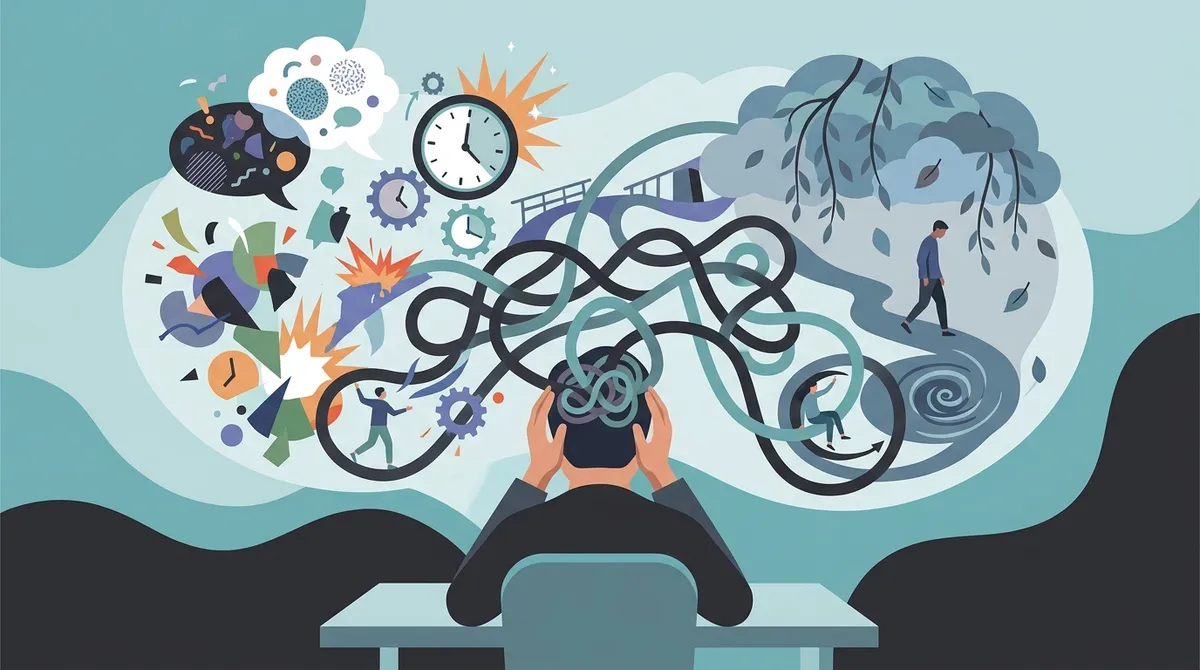
What Is the Connection Between ADHD and Depression?
ADHD (Attention-Deficit/Hyperactivity Disorder) and depression are two distinct mental health conditions. ADHD affects focus, impulse control, and energy regulation. Depression affects mood, motivation, and overall outlook on life. But here’s the thing — they overlap more than most people realize.
Research shows that people with ADHD are significantly more likely to develop depression than those without it. Living with ADHD can be exhausting. Struggling to stay organized, missing deadlines, forgetting important things, and feeling misunderstood by others — day after day — can wear a person down emotionally. Over time, that emotional wear can turn into depression.
For more context on how depression can affect your day-to-day life, check out this helpful overview of what depression is and how it affects your daily life.
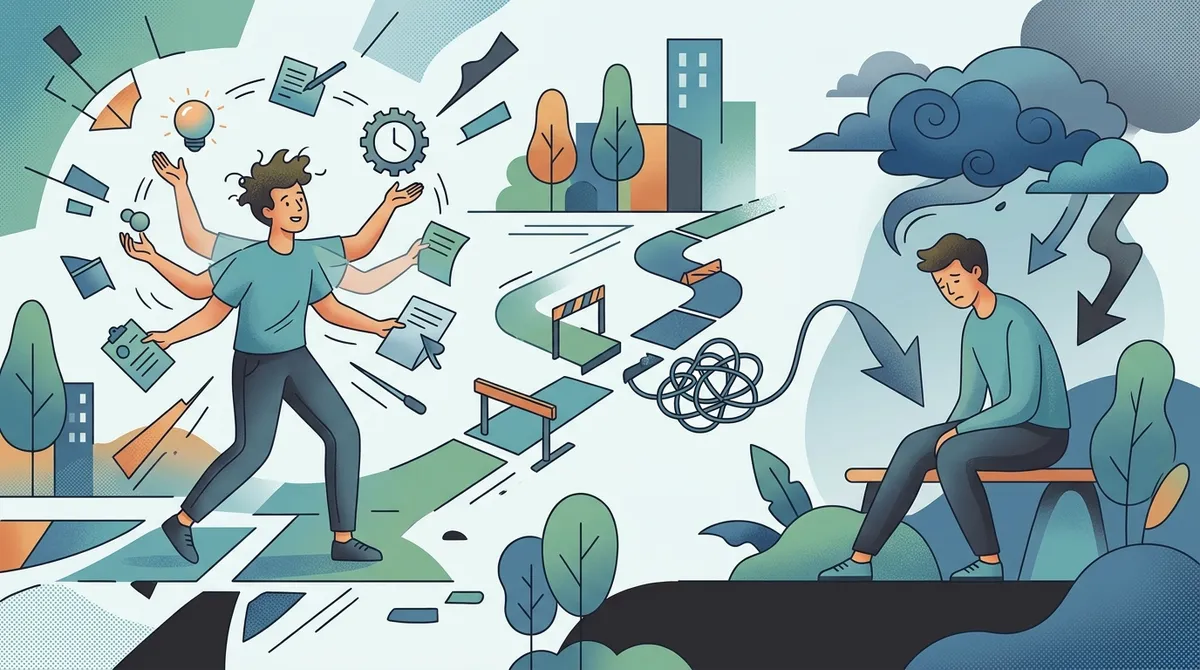
How ADHD Can Lead to Depression
It’s not just a coincidence that these two conditions often co-occur. There are real, understandable reasons why ADHD can increase the risk of depression. Here are some of the most common pathways:
- Chronic frustration: Repeated struggles with tasks, relationships, and responsibilities create a sense of failure over time.
- Low self-esteem: Years of being told you’re “lazy,” “forgetful,” or “not trying hard enough” can damage how you feel about yourself.
- Social difficulties: ADHD can make social interactions harder, leading to loneliness and isolation.
- Sleep problems: Many people with ADHD have disrupted sleep, which is closely tied to mood disorders.
- Emotional dysregulation: ADHD often includes difficulty managing emotions, making it harder to bounce back from setbacks.
- Neurological overlap: Both ADHD and depression involve dopamine and serotonin imbalances in the brain.
Understanding these connections helps explain why treating just one condition at a time often isn’t enough. A holistic, individualized approach is key — and that’s exactly what quality mental health services provide.

Symptoms That Overlap and Why Diagnosis Can Be Tricky
One of the biggest challenges with ADHD and depression is that their symptoms can look very similar. This makes getting the right diagnosis incredibly important — and sometimes complicated.
| Symptom | ADHD | Depression |
|---|---|---|
| Difficulty concentrating | ✓ | ✓ |
| Low motivation | ✓ | ✓ |
| Sleep disturbances | ✓ | ✓ |
| Forgetfulness | ✓ | ✓ |
| Emotional sensitivity | ✓ | ✓ |
| Hyperactivity/restlessness | ✓ | |
| Persistent sadness or hopelessness | ✓ |
Because so many symptoms overlap, a thorough evaluation by a qualified mental health professional is essential. Proper screening tools and clinical interviews help identify whether someone has one or both conditions — and what kind of support will be most effective. For more information on mental health resources available in Florida, Mental Health Links from the Florida Department of Health is a great starting point.

How Mental Health Services Diagnose Co-Occurring ADHD and Depression
Getting an accurate diagnosis is the foundation of effective treatment. Here’s what the evaluation process typically looks like in a mental health setting:
- Initial consultation: A licensed therapist or mental health professional conducts an intake interview to understand your full history, including symptoms, lifestyle, and personal background.
- Standardized screening tools: Tools like the Adult ADHD Self-Report Scale (ASRS) and the Patient Health Questionnaire (PHQ-9) for depression help gather objective data.
- Differential diagnosis: The clinician works to rule out other conditions like anxiety, bipolar disorder, or trauma that could be contributing to your symptoms.
- Collaboration with other providers: If medication may be needed, your therapist may work alongside a psychiatrist or primary care physician to coordinate care.
- Individualized treatment planning: Based on the full picture, a personalized plan is created that addresses both conditions together.
This kind of careful, thorough process ensures you’re not just getting a label — you’re getting real answers and a clear path forward. If you’d like to learn more about how therapy at West Florida Therapy works, you can explore our process to see what to expect from start to finish.
Effective Treatment Options for ADHD and Depression Together
The good news? Both ADHD and depression are highly treatable. When they occur together, treatment needs to address both — and there are excellent options available. Here’s a breakdown of the most common and effective approaches:
Therapy-Based Approaches
Talk therapy is often the cornerstone of treatment for co-occurring ADHD and depression. The most evidence-based options include:
- Cognitive Behavioral Therapy (CBT): Helps you identify and change negative thought patterns. CBT is highly effective for both ADHD and depression.
- Dialectical Behavior Therapy (DBT): Focuses on emotional regulation, distress tolerance, and mindfulness — all incredibly helpful for ADHD-related emotional challenges.
- Skills-based coaching within therapy: Helps build practical tools for focus, time management, organization, and stress reduction.
Working with a skilled therapist helps you understand the “why” behind your struggles and develop tools that actually stick. You can learn more about depression treatment and how it can be personalized to your needs.
Medication Management
For some people, medication plays an important role in managing ADHD and depression. Stimulant medications are often used for ADHD, while antidepressants may help with depression. Some medications, like certain non-stimulants, can address both. A psychiatrist or primary care physician can help determine what’s right for you.
Lifestyle and Skill-Building Strategies
Alongside therapy and medication, everyday habits can make a meaningful difference:
- Regular physical exercise to boost dopamine and reduce depressive symptoms
- Consistent sleep routines to support brain function and mood
- Structured daily routines to reduce ADHD-related chaos
- Mindfulness practices to improve focus and emotional balance
- Support groups or peer connections to reduce isolation
If anxiety is also part of your experience — which is common when ADHD and depression overlap — exploring anxiety treatment options can also be helpful as part of a broader care plan.
ADHD and Depression in Adolescents
Teenagers are especially vulnerable to the combination of ADHD and depression. Academic pressure, social dynamics, and the emotional intensity of adolescence can amplify both conditions significantly. Parents often notice changes in behavior, grades, or mood — and it’s important not to dismiss these as “just a phase.”
Early intervention matters. Getting a teenager into therapy sooner rather than later can prevent symptoms from deepening and help them build healthy coping skills during a critical period of development. At West Florida Therapy, we offer both in-person therapy in Brandon, Florida, and telehealth therapy throughout Florida — making it easier for teens and families to access support no matter where they are.
For parents seeking more guidance on mental health support for young people, Mental Health Resources from the CDC offer valuable information on caring for mental health at every age.
ADHD and Depression in Adults
Many adults with ADHD were never diagnosed as children — they just thought they were “bad at life.” Years of undiagnosed ADHD can lead to significant depression, low self-worth, and burnout. The relief that comes from finally understanding what’s been happening can be profound.
Adults managing both ADHD and depression often benefit from therapy that combines practical skill-building with emotional processing. Addressing mood issues alongside ADHD symptoms leads to better outcomes in work, relationships, and daily functioning. If past experiences or trauma are part of your story, trauma therapy may also be an important component of your healing journey.
What to Expect When You Seek Help
Taking the first step toward help can feel scary — but it doesn’t have to be. Here’s a simple look at what happens when you reach out to a mental health provider for ADHD and depression support:
- Schedule a free consultation: Many therapists, including those at West Florida Therapy, offer a brief phone consultation so you can ask questions and see if it’s a good fit before committing.
- Complete your intake: You’ll share background information and describe what you’ve been experiencing. There’s no right or wrong answer — just your honest story.
- Begin your personalized plan: Your therapist will work with you to build a treatment plan that fits your life, your goals, and your pace.
- Meet consistently: Weekly or bi-weekly sessions help you build momentum and make real progress over time.
- Track your growth: Progress is celebrated, and your plan is adjusted as needed to make sure you keep moving forward.
If you’re in a crisis or having thoughts of suicide, please reach out to the 988 Suicide & Crisis Lifeline by calling or texting 988 — it’s available 24/7. You can also contact SAMHSA’s National Helpline at 1-800-662-HELP for free, confidential referrals. And for additional local and state mental health resources, Substance Abuse & Mental Health services in Florida are available to help.
Why Bilingual Mental Health Support Matters
For Spanish-speaking adults and families in Florida, navigating mental health care in a second language adds an extra layer of stress. Finding a therapist who speaks your language — literally — can make all the difference in how safe and understood you feel during sessions.
At West Florida Therapy, bilingual services in both English and Spanish are available, so you never have to struggle to express what you’re feeling. Healing is most powerful when it happens in your own words.
Finding the Right Support for ADHD and Depression in Florida
Whether you’re in the Tampa Bay area or anywhere across the state of Florida, quality mental health care is within reach. Margaret Deuerlein is a licensed and caring psychotherapist who brings warmth, expertise, and genuine compassion to every session. Her approach is tailored to each person’s unique story — whether you’re dealing with ADHD, depression, or both.
You can visit West Florida Therapy on Google to read reviews and learn more about the experience other clients have had. Real stories from real people can help you feel more confident about taking that first step.
If you’d like to learn more about Margaret and her approach to mental health care, visit the About Margaret Deuerlein page to get a better sense of who you’d be working with.
You Deserve to Feel Better
Living with ADHD and depression is genuinely hard. But it’s not a life sentence. With the right support, the right tools, and the right therapist by your side, things can and do get better. You don’t have to keep white-knuckling through every day.
Your brain works differently — and that’s okay. What matters most is finding a path that works for YOU. Whether you need help understanding your diagnosis, processing years of frustration, or building practical coping skills, therapy can open doors you didn’t even know were there.
Ready to take that first step? Reach out to our team at West Florida Therapy today to schedule your free 15-minute consultation. You deserve support that truly fits your life — and we’re here to help you find it.
FAQs
Q: Can ADHD cause depression?
A: ADHD doesn’t directly cause depression, but the daily challenges of living with ADHD — like chronic frustration, low self-esteem, and social difficulties — can significantly increase the risk of developing depression over time. The great news is that addressing both conditions together through therapy and personalized support can make a real, lasting difference in how you feel.
Q: How do I know if I have ADHD, depression, or both?
A: Because ADHD and depression share many overlapping symptoms — like difficulty concentrating, low motivation, and sleep problems — it can be really hard to tell them apart on your own. A licensed mental health professional can conduct a thorough evaluation using standardized screening tools and a detailed clinical interview to give you clear, accurate answers.
Q: What therapy works best for ADHD and depression together?
A: Cognitive Behavioral Therapy (CBT) is one of the most effective evidence-based approaches for both ADHD and depression, helping you reshape negative thought patterns and build practical coping strategies. Many therapists also incorporate skills training, mindfulness, and emotional regulation techniques — all tailored to your unique needs and goals.
Q: Can children and teenagers be diagnosed with ADHD and depression at the same time?
A: Absolutely — and it’s more common than many parents realize. Adolescents with ADHD face unique social and academic pressures that can contribute to depression, making early intervention really important. Specialized therapy, both in-person and via telehealth, can help teens develop the tools they need to thrive during this critical stage of life.
Q: Is virtual therapy available for ADHD and depression in Florida?
A: Yes! Telehealth therapy is a convenient and effective option for managing ADHD and depression, especially for those who have busy schedules or live outside major cities. West Florida Therapy offers virtual sessions for adults and adolescents throughout all of Florida, making quality mental health care accessible wherever you are.