
Key Takeaways
-
Mixed bipolar episodes combine mania and depression simultaneously, affecting 40% of people with bipolar disorder; early professional diagnosis is critical to avoid misdiagnosis as depression or anxiety alone.
-
Mood-stabilizing medications like lithium, valproate, and atypical antipsychotics are foundational for mixed bipolar treatment; medication adherence is one of the strongest predictors of long-term stability.
-
CBT and DBT are evidence-based therapies that teach practical coping skills for mixed episodes, including interrupting racing thoughts, managing impulsive behavior, and regulating overwhelming emotions.
-
Family-focused therapy significantly reduces relapse rates by educating loved ones about mixed bipolar symptoms and creating shared crisis plans, turning family members into allies in treatment.
-
Consistent lifestyle habits—particularly fixed sleep schedules, 20-30 minutes daily exercise, mood journaling, and substance avoidance—stabilize your biological clock and work best when paired with medication and therapy.
-
Advanced treatment options like electroconvulsive therapy (ECT), intensive outpatient programs (IOP), and telehealth therapy are available for severe episodes unresponsive to standard treatment.
Living with mixed bipolar disorder can feel like riding two roller coasters at once. You might feel energized and hopeless at the same time. You might have racing thoughts while also feeling like you can’t get out of bed. It’s exhausting, confusing, and often isolating — but you are not alone.
Mixed bipolar episodes affect about 40% of people with bipolar disorder during their lifetime. These episodes combine symptoms of mania and depression happening simultaneously, making them especially tough to navigate. The good news? With the right support and treatment, managing mixed bipolar is absolutely possible.
Whether you’re newly diagnosed, supporting a loved one, or simply trying to understand what you’re experiencing, this guide walks you through seven practical, proven ways to manage mixed bipolar disorder. Let’s dive in together.

What Is Mixed Bipolar Disorder?
Mixed bipolar disorder — sometimes called bipolar with “mixed features” — happens when you experience symptoms of both mania and depression at the same time. It’s not just feeling happy one minute and sad the next. It’s feeling both simultaneously.
For example, you might feel a surge of energy and motivation, but also feel hopeless and worthless. You might have racing thoughts while crying uncontrollably. This combination can be especially distressing and, importantly, increases the risk of self-harm. Seeking professional support early is critical. You can explore mood issues support to better understand your options.
Common Symptoms of a Mixed Bipolar Episode
Here’s a quick look at what mixed episodes can look and feel like:
- Racing thoughts combined with deep sadness or hopelessness
- High energy paired with feelings of worthlessness
- Irritability, agitation, or restlessness
- Impulsive behaviors alongside despair
- Difficulty sleeping, even when exhausted
- Difficulty concentrating or making decisions
- Increased risk of self-harm or suicidal thoughts
If you recognize these signs in yourself or someone you love, reaching out to a mental health professional is the most important first step. You can also review helpful Mental Health Resources from the CDC for additional guidance.

1. Get a Proper Diagnosis First
Before any treatment can begin, an accurate diagnosis is essential. Mixed bipolar is often misdiagnosed as depression or anxiety alone, which can lead to ineffective treatment. A licensed therapist or psychiatrist will evaluate your mood history, behaviors, and symptoms over time.
Diagnosis typically involves a detailed clinical interview and mood tracking over several weeks. It’s important to be honest about all your symptoms — including the energized ones — even if depression feels most prominent. Many people only report the lows and miss the mixed picture entirely.
At West Florida Therapy, Margaret Deuerlein is a licensed, caring psychotherapist who takes the time to truly understand your unique experience. Her warm, personalized approach ensures you feel heard from the very first session.
2. Use Mood-Stabilizing Medications
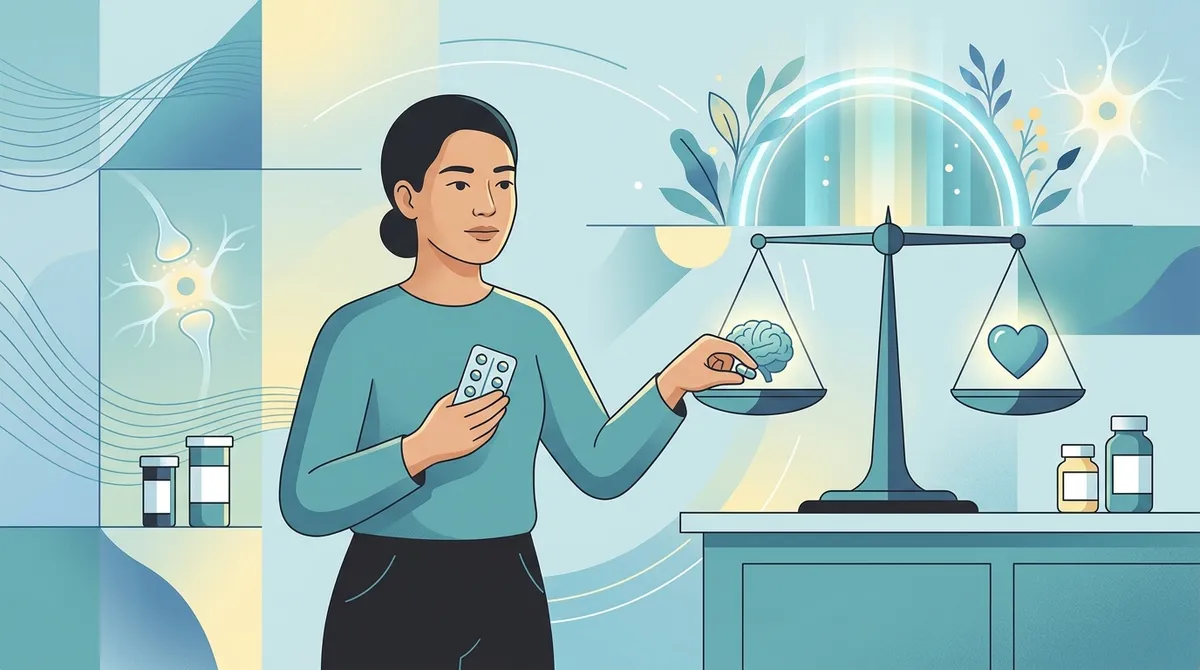
Medication is often the foundation of mixed bipolar treatment. Mood stabilizers help reduce the intensity and frequency of episodes, making it easier to engage in therapy and daily life.
Common medications used for mixed bipolar episodes include:
- Lithium — One of the most well-known mood stabilizers, effective for long-term management.
- Valproate (Depakote) — Widely used for mixed episodes and rapid cycling.
- Atypical antipsychotics — Such as quetiapine or aripiprazole, often used when mood stabilizers alone aren’t enough.
- Lamotrigine — Particularly helpful in preventing depressive episodes in bipolar II.
It’s important to work closely with a psychiatrist to find the right medication combination for you. Never stop or change medications without medical guidance. Medication adherence is one of the strongest predictors of long-term stability.

3. Try Cognitive Behavioral Therapy (CBT)
Cognitive Behavioral Therapy, or CBT, is one of the most researched and effective therapies for bipolar disorder. CBT helps you identify and challenge the negative thought patterns that can fuel depressive episodes. It also helps you recognize early warning signs of mood shifts before they escalate.
In mixed bipolar, CBT can be especially helpful because it teaches practical coping tools for when your mind is pulling in multiple directions at once. You’ll learn to slow down racing thoughts, interrupt impulsive behavior, and ground yourself in the present moment.
CBT is often offered alongside medication and other therapies for the best results. To understand how depression fits into this picture, read more about what depression is and how it affects daily life.
4. Practice Dialectical Behavior Therapy (DBT)
Dialectical Behavior Therapy — DBT — was originally developed for emotional dysregulation and is now widely used for bipolar disorder, especially mixed states. DBT focuses on four key skill areas:
- Mindfulness — Staying present and aware without judgment.
- Distress Tolerance — Getting through a crisis without making things worse.
- Emotion Regulation — Understanding and managing intense feelings.
- Interpersonal Effectiveness — Communicating your needs clearly and maintaining healthy relationships.
These skills are incredibly valuable during mixed bipolar episodes, when emotions feel overwhelming and contradictory. DBT gives you a concrete toolkit for those difficult moments. It can also reduce the risk of self-harm significantly.
If you’re dealing with panic alongside mood episodes, exploring resources on panic attacks may also be helpful as part of your overall mental health care.
5. Involve Family and Loved Ones Through Family-Focused Therapy
Bipolar disorder doesn’t just affect the individual — it affects the whole family. Family-focused therapy (FFT) is a powerful approach that brings loved ones into the healing process. Research shows it can significantly reduce relapse rates and improve communication within families.
Here’s what family-focused therapy typically helps with:
- Recognizing early warning signs of episodes together
- Creating a shared crisis plan for emergencies
- Improving communication and reducing conflict
- Educating family members about mixed bipolar symptoms
- Building a stronger support network at home
Educating everyone in the household about what mixed bipolar looks and feels like creates a team approach to managing the condition. Your loved ones become allies rather than frustrated bystanders. For couples specifically, couples therapy can help partners navigate the unique challenges bipolar disorder brings to a relationship.
You can also find additional local and statewide support through Substance Abuse & Mental Health services in Florida.
6. Build Consistent Lifestyle Habits
Lifestyle changes might sound simple, but they are genuinely powerful tools for managing mixed bipolar. Consistent daily routines help stabilize your internal biological clock, which directly impacts mood regulation.
Here are lifestyle habits that support mixed bipolar management:
- Sleep consistency: Going to bed and waking up at the same time every day is one of the most impactful habits you can build.
- Regular exercise: Even 20-30 minutes of walking per day can reduce mood episode severity.
- Limiting alcohol and substances: These can trigger or worsen episodes significantly.
- Mood journaling: Tracking how you feel each day helps you and your therapist spot patterns and warning signs early.
- Nutrition: Eating regularly and balanced meals supports brain health and energy stability.
- Stress management: Practices like deep breathing, yoga, or mindfulness reduce the triggers that can spark episodes.
These habits work best when paired with therapy and medication, not as a replacement. Think of them as your daily maintenance tools — small actions that add up to major protection over time. You can also explore life goals support to help you build structure and purpose into your everyday routine.
7. Consider Advanced Treatment Options When Needed
For some people, standard therapy and medication may not be enough — especially during severe mixed episodes. That’s okay, and it’s important to know that more intensive options are available.
Here’s a comparison of advanced treatment options for mixed bipolar:
| Treatment Option | Best For | Setting |
|---|---|---|
| Electroconvulsive Therapy (ECT) | Severe episodes unresponsive to medication | Inpatient or outpatient hospital |
| Intensive Outpatient Program (IOP) | High-level support without full hospitalization | Outpatient clinic |
| Partial Hospitalization Program (PHP) | Crisis stabilization during acute episodes | Hospital-based, daytime program |
| Telehealth Therapy | Ongoing therapy from any location in Florida | Virtual, online |
Electroconvulsive therapy (ECT) may sound intimidating, but it’s actually a safe and effective option for people with severe mixed states who haven’t responded to other treatments. It’s performed under anesthesia and monitored by medical professionals.
Telehealth therapy has become increasingly accessible and effective. If you’re anywhere in Florida, you can access telehealth therapy in Florida from the comfort of your home. This makes getting consistent care much easier, especially during difficult episodes when leaving home feels impossible.
Dual diagnosis treatment is also worth mentioning here. If substance use is part of the picture — which it often is with bipolar disorder — addressing both issues together is essential for lasting recovery. Check out resources through Mental Health Links from Florida Health for local service options.
A Comparison of Therapy Types for Mixed Bipolar
Choosing the right therapy can feel overwhelming. Here’s a simple breakdown to help you understand how different approaches compare:
| Therapy Type | Primary Focus | Key Benefit for Mixed Bipolar |
|---|---|---|
| Cognitive Behavioral Therapy (CBT) | Thought patterns and behaviors | Interrupts negative thinking cycles |
| Dialectical Behavior Therapy (DBT) | Emotion regulation and coping | Manages overwhelming mixed emotions |
| Family-Focused Therapy (FFT) | Family dynamics and education | Reduces relapse through family support |
| EMDR Therapy | Trauma processing | Addresses trauma that may trigger episodes |
If trauma is a contributing factor in your bipolar symptoms, EMDR treatment might be an especially valuable addition to your care plan. Many people with bipolar disorder have histories of trauma that intertwine with their mood symptoms.
Steps to Start Your Mixed Bipolar Treatment Journey
Ready to take action? Here are the steps to get started on your path toward stability and well-being:
- Reach out to a licensed therapist or psychiatrist — The first step is making contact with a qualified professional who can evaluate your symptoms.
- Be open and honest in your first session — Share all your symptoms, both the highs and the lows, so your provider gets the full picture.
- Work with your provider to create a personalized plan — Your treatment plan should be tailored to your unique needs and life circumstances.
- Build your support network — Whether it’s family, a peer group, or your therapist, don’t walk this road alone.
- Stay committed to the process — Recovery isn’t linear, but every step forward counts. Progress takes time, and that’s okay.
Margaret Deuerlein, the compassionate psychotherapist behind West Florida Therapy, is dedicated to walking alongside you on this journey. Her bilingual (English/Spanish) services and both in-person and telehealth options make quality care more accessible than ever. You can also visit us on Google to read reviews from real clients who’ve experienced the difference personalized care makes.
Just as Brockway Orthodontics believes in comprehensive, patient-centered care for your physical health, West Florida Therapy brings that same philosophy to your mental and emotional well-being — because every part of you deserves thoughtful, skilled attention.
You Deserve Stability, Support, and Hope
Mixed bipolar disorder is complex, but it is manageable. The right combination of medication, therapy, lifestyle habits, and support can help you build a life that feels stable, meaningful, and joyful. You don’t have to figure this out alone.
If you’re ready to take that first step toward understanding and managing mixed bipolar, we’re here for you. Explore our full range of mental health services or learn more about depression treatment and anxiety treatment options that may complement your care. Recovery is not just possible — it’s waiting for you.
Take the next step toward a more balanced, fulfilling life and get in touch with our team today to schedule your free 15-minute consultation.
FAQs
Q: What are the main symptoms of a mixed bipolar episode?
A: A mixed bipolar episode combines symptoms of both mania and depression at the same time. You might feel high energy alongside deep sadness, have racing thoughts while feeling hopeless, or experience irritability and impulsiveness paired with despair. It’s a lot to carry, and recognizing these signs is the first step toward getting the right help.
Q: How is mixed bipolar disorder different from regular bipolar disorder?
A: In typical bipolar disorder, manic and depressive episodes usually occur at separate times. In mixed bipolar, both sets of symptoms happen simultaneously or overlap closely, which can make the experience feel especially intense and confusing. This is why it’s so important to work with a skilled professional who understands the full picture of your mood patterns.
Q: Is therapy effective for managing mixed bipolar disorder?
A: Absolutely! Therapies like CBT and DBT have strong research behind them for bipolar disorder, including mixed episodes. They help you build practical coping skills, recognize warning signs early, and manage overwhelming emotions. Therapy works best alongside medication as part of a personalized treatment plan crafted just for you.
Q: Can lifestyle changes really make a difference for mixed bipolar?
A: Yes, they genuinely can! Consistent sleep schedules, regular exercise, mood journaling, and reducing alcohol or substance use all support mood stability in meaningful ways. These habits won’t replace therapy or medication, but they’re powerful daily tools that reinforce your overall treatment plan and help protect against future episodes.
Q: When should someone seek professional help for mixed bipolar symptoms?
A: If you’re experiencing a combination of manic and depressive symptoms — especially thoughts of self-harm, extreme irritability, or inability to function day-to-day — it’s time to reach out for professional support right away. Early intervention leads to better outcomes, and you deserve to feel stable and supported. Don’t wait — help is available.