
Key Takeaways
-
Impulsiveness is usually a symptom of underlying conditions like ADHD, mood disorders, trauma, or anxiety rather than a standalone diagnosis, so effective therapy focuses on identifying and treating the root cause.
-
Evidence-based therapies like CBT, DBT, and EMDR are specifically designed to address impulsive behavior by teaching concrete coping skills such as mindfulness, breathing strategies, and cognitive reframing to pause before reacting.
-
ADHD is one of the most common drivers of impulsive behavior, affecting how the brain regulates attention and emotions; therapy for ADHD-related impulsivity often combines behavioral strategies with emotional regulation skills.
-
Therapy begins with a free 15-minute consultation and personalized assessment, then progresses through goal-setting and skill-building sessions where you learn to pause, reflect, and respond intentionally instead of reactively.
-
Brandon offers flexible therapy options including in-person and virtual sessions with bilingual support in English and Spanish, making impulsiveness therapy accessible whether you prefer face-to-face or telehealth formats.
-
Don't wait for a crisis to seek help; starting therapy early when impulsive behavior is affecting relationships, work, or finances leads to faster, more lasting results than waiting until behavior becomes dangerous.
Have you ever said something you immediately regretted? Or made a decision so fast it left you wondering, “What was I thinking?” Impulsive behavior can feel like being on a runaway train — you know you should slow down, but you just can’t seem to hit the brakes. The good news is that you don’t have to keep living that way. Impulsiveness therapy in Brandon is a real, accessible path toward gaining control of your choices, your emotions, and your life. Whether you’re an adult, a teenager, or someone supporting a loved one, understanding what therapy can do for impulse control is the first step toward lasting change.
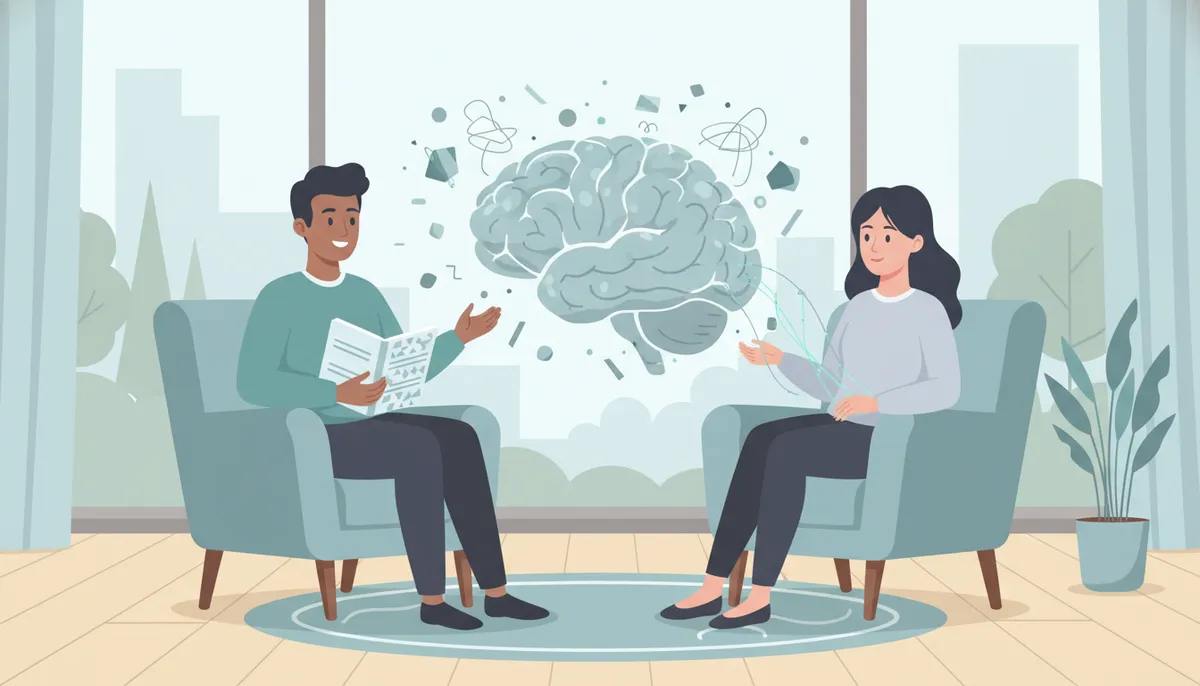
What Is Impulsiveness and Why Does It Matter?
Impulsiveness is the tendency to act without thinking first. It might look like blurting out hurtful words, making risky financial decisions, or reacting with intense anger before you’ve had a moment to breathe. For some people, it’s a mild quirk. For others, it significantly disrupts mental health, relationships, and daily functioning.
Impulsive behavior is rarely a standalone issue. It’s usually a symptom of an underlying condition. Some of the most common causes include:
- ADHD (Attention Deficit Hyperactivity Disorder)
- Mood disorders such as bipolar disorder
- Trauma and PTSD
- Anxiety disorders
- Substance use concerns
- Borderline personality disorder
Because impulsiveness is often a symptom rather than a diagnosis on its own, therapy focuses on identifying and treating the root cause. Understanding that connection is what makes professional support so valuable. You can learn more about how anxiety contributes to reactive behavior by reading Understanding Anxiety Signs, Types, and Treatment Options.
How Does Impulsiveness Therapy Work?
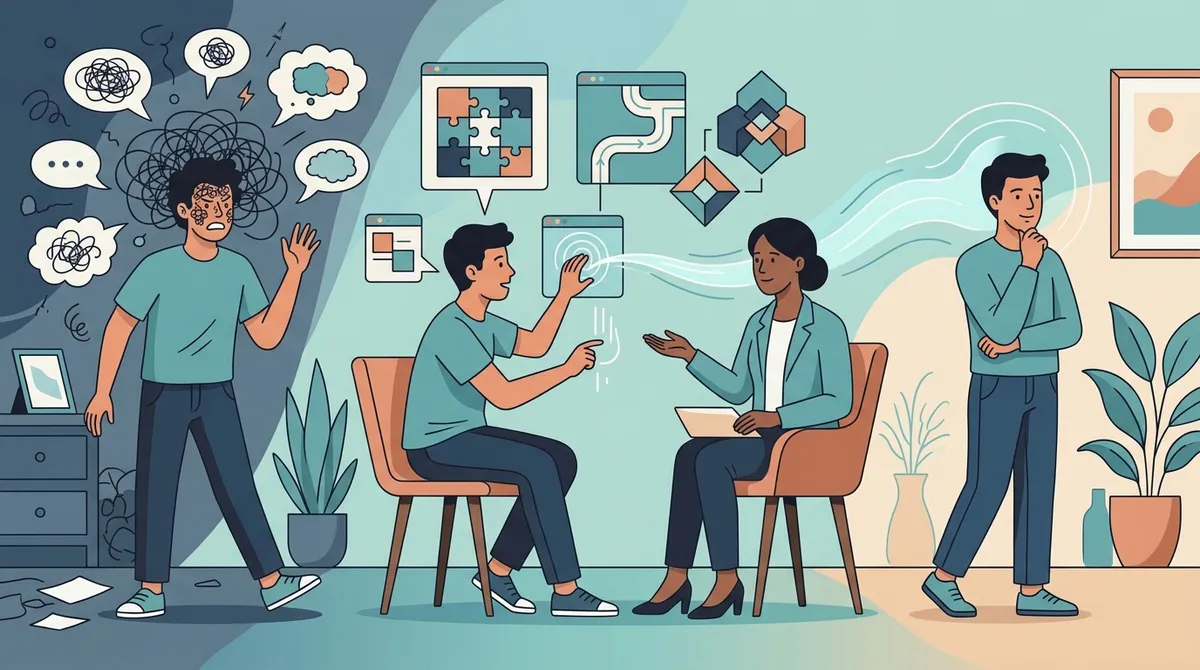
Therapy for impulsive behavior isn’t about lecturing you or telling you to “just think before you act.” It’s a thoughtful, personalized process that helps you understand why your brain reacts the way it does — and gives you practical tools to change those patterns.
Here’s how the process typically unfolds:
- Assessment and diagnosis: Your therapist gets to know you — your history, your challenges, and your goals. This helps identify any underlying conditions driving the impulsiveness.
- Building a personalized treatment plan: No two people are the same. Your therapist creates a plan tailored specifically to your needs, lifestyle, and goals.
- Learning coping skills: You practice techniques to pause, reflect, and respond instead of react. This might include mindfulness, breathing strategies, or cognitive reframing.
- Processing deeper issues: If trauma or mood disorders are involved, therapy works through those layers so healing happens from the inside out.
- Tracking progress: You and your therapist regularly check in, celebrate growth, and adjust your approach as needed.
At West Florida Therapy, this kind of compassionate, structured care is exactly what clients receive — in person in Brandon and virtually throughout Florida.

Types of Therapy That Help With Impulsive Behavior
Several evidence-based approaches have been shown to effectively reduce impulsive behavior. Your therapist will recommend the best fit based on your unique situation.
| Therapy Type | Best For | How It Helps |
|---|---|---|
| Cognitive Behavioral Therapy (CBT) | ADHD, anxiety, mood disorders | Identifies and changes impulsive thought patterns |
| Dialectical Behavior Therapy (DBT) | Emotional dysregulation, BPD | Builds distress tolerance and emotional regulation skills |
| EMDR | Trauma-driven impulsivity | Processes traumatic memories that trigger reactive behavior |
| Acceptance and Commitment Therapy (ACT) | Anxiety, avoidance patterns | Teaches mindful awareness and value-based decision making |
| Schema Therapy | Deep-rooted behavioral patterns | Addresses core beliefs that drive impulsive reactions |
You can explore how EMDR treatment helps people heal from trauma-driven reactions, or learn more about how Acceptance and Commitment Therapy helps in Brandon. For those dealing with emotional intensity, understanding mood dysregulation can be a game changer in the healing process.

Who Benefits From Impulsiveness Therapy in Brandon?
Impulsiveness therapy isn’t just for one type of person. It’s for anyone whose impulsive tendencies are getting in the way of living well. Here are some of the people who benefit most:
- Adults with ADHD who struggle with decision-making, task initiation, and inattention
- Teenagers experiencing emotional outbursts, peer pressure-driven choices, or school-related stress
- Couples where one or both partners react impulsively during conflict, causing damage to the relationship
- Young adults navigating major life transitions and feeling out of control
- Spanish-speaking individuals who need bilingual therapy in a comfortable, understanding environment
- People with trauma histories whose impulsive reactions are survival responses from past painful experiences
If you’re a parent noticing impulsive behavior in your teenager, you might find helpful guidance in this article about 7 Mistakes to Avoid When Choosing Teen Therapy in Brandon. For couples dealing with impulsive conflict patterns, couples therapy can help rebuild communication and trust. You can also learn more about how anger controls your actions more than you think, which is often tied to impulsive reactions.
ADHD and Impulsivity: A Common Connection
One of the most frequent drivers of impulsive behavior is ADHD. If you’ve ever felt like your brain is running at full speed while everyone else seems to have a steady cruise control, you’re not alone. ADHD affects how the brain regulates attention, behavior, and emotions — all of which can fuel impulsive reactions.
Impulsivity in ADHD can look like:
- Interrupting others mid-sentence
- Acting on the first idea without thinking it through
- Difficulty waiting your turn
- Making purchases or decisions that feel urgent in the moment but regrettable later
Therapy for ADHD-related impulsivity often combines behavioral strategies with emotional regulation skills. In some cases, a combined approach of therapy and medication management may be recommended. To learn more about how ADHD overlaps with other conditions, check out Why Do ADHD and Anxiety Often Appear Together? and How to Understand and Manage PTSD and ADHD Together.
For helpful information about mental health resources in Florida, the Substance Abuse & Mental Health division of Florida Families offers guidance for those navigating complex needs.
When Impulsive Behavior Becomes a Crisis
Sometimes impulsive behavior crosses into dangerous territory. This might mean self-harm, reckless behavior that puts you or others at risk, or acting out in ways that have serious consequences. It’s important to know when to seek immediate help.
If you or someone you love is in crisis, please reach out right away:
- Call 911 for immediate emergencies
- Dial 211 to connect with local mental health resources in Florida
- Contact the SAMHSA Disaster Distress Helpline for mental health crises
For non-crisis situations, reaching out to a licensed therapist is always the right move. You don’t have to wait until things feel out of control to ask for help. Starting therapy early makes a big difference. The Mental Health Resources from the CDC also offer useful guidance on supporting yourself and others.
In-Person and Virtual Options in Brandon
One of the great things about getting impulsiveness therapy in Brandon in 2026 is that you have flexible options. Whether you prefer sitting face-to-face with a therapist or logging on from the comfort of your home, support is available.
At West Florida Therapy, in-person therapy in Brandon, Florida is available for those who value that direct connection. And if your schedule, location, or comfort level makes in-person visits difficult, telehealth therapy throughout Florida makes it easy to access the same quality care from anywhere in the state.
Bilingual services in English and Spanish are also available, making therapy more accessible to the Hispanic community in Brandon and surrounding areas including Riverview, Tampa, Valrico, Lithia, Plant City, and Apollo Beach.
How to Choose the Right Therapist for Impulse Control
Finding the right therapist is a personal decision, and it’s okay to take your time. Here are some things to look for:
- Experience treating ADHD, mood disorders, trauma, or whatever underlies your impulsivity
- A warm, non-judgmental approach that makes you feel safe
- Clear communication about their treatment methods and what to expect
- Flexibility with scheduling and session format (in-person or virtual)
- Bilingual services if English is not your first language
Margaret Deuerlein at West Florida Therapy is a caring and skilled psychotherapist who helps adults and adolescents work through impulse control issues with compassion and evidence-based tools. You can learn more about her approach on the About Margaret Deuerlein page. You can also explore our process to see exactly what to expect when you begin therapy.
The Mental Health Links provided by Florida Health can also help you explore additional local resources as you make your decision.
What to Expect in Your First Sessions
Starting therapy can feel a little nerve-wracking — and that’s completely normal. Most people feel relief once they take that first step. Here’s what those early sessions typically look like:
- A free 15-minute consultation: You share a little about what’s going on and ask questions. There’s no pressure and no commitment required.
- An intake session: Your therapist gathers background information about your history, symptoms, and goals. This helps them understand you as a whole person.
- Goal setting: Together, you identify what you want to work on — whether that’s reducing impulsive outbursts, improving relationships, or managing emotions better.
- Skill building: In subsequent sessions, you begin learning and practicing concrete strategies to interrupt impulsive patterns and respond more intentionally.
Remember, therapy is a process — not a quick fix. But with consistency and the right support, meaningful change is absolutely possible. You can also explore helpful reads like 8 Impulsiveness Therapy Mistakes to Avoid in Brandon to set yourself up for success from the start.
Take the First Step Toward More Intentional Living
Living with uncontrolled impulsiveness is exhausting — for you and the people around you. But it doesn’t have to be permanent. With the right therapist and the right tools, you can learn to pause, reflect, and choose your actions with purpose. Impulsiveness therapy in Brandon is not about becoming a different person. It’s about becoming a more in-control, empowered version of yourself.
If you’re ready to start that journey, we’d love to walk alongside you. Visit us on Google — West Florida Therapy to read what others have experienced and get a feel for the welcoming community we’ve built. When you’re ready to take that first courageous step, reach out to our team and schedule your free 15-minute consultation today. Real change starts with one conversation.
FAQs
Q: What is impulsiveness therapy and how does it work?
A: Impulsiveness therapy is a type of mental health counseling that helps you understand why you react quickly without thinking and teaches you practical tools to pause and choose your response. Your therapist will identify any underlying conditions driving the impulsivity — like ADHD, trauma, or mood disorders — and build a personalized plan just for you. It’s a warm, judgment-free process designed to help you feel more in control.
Q: Does impulsive behavior mean I have ADHD?
A: Not necessarily — impulsive behavior is linked to several different conditions, including mood disorders, anxiety, trauma, and borderline personality disorder. ADHD is one of the most common causes, but a thorough assessment with a licensed therapist is the best way to understand what’s going on for you specifically. The good news is that no matter the cause, therapy can make a real difference.
Q: Are there therapists in Brandon, FL who treat impulsivity in teens?
A: Absolutely! Brandon has several mental health providers who work with adolescents experiencing impulsive behavior, and West Florida Therapy offers both in-person and virtual sessions for teens. Working with a therapist early can help teenagers develop self-regulation skills that benefit them for life. It’s never too soon to reach out for support.
Q: Can I access impulsiveness therapy virtually in Florida?
A: Yes! Telehealth therapy is available throughout all of Florida, so you can connect with a licensed therapist from anywhere in the state — including from your couch at home. Virtual sessions are just as effective as in-person visits and offer a level of convenience that makes it easier to stay consistent with your care. West Florida Therapy offers bilingual virtual sessions in both English and Spanish.
Q: How do I know if impulsive behavior is serious enough to seek therapy?
A: If your impulsive actions are affecting your relationships, work, finances, or emotional well-being, that’s a clear sign it’s worth talking to someone. You don’t have to be in crisis to benefit from therapy — in fact, starting early often leads to faster, more lasting results. A free 15-minute consultation is a low-pressure way to explore whether therapy is the right fit for you.