
Key Takeaways
-
Depression causes emotional withdrawal, loss of intimacy, and irritability that strain relationships, while relationship conflict can trigger or worsen depression—addressing both together is essential for healing.
-
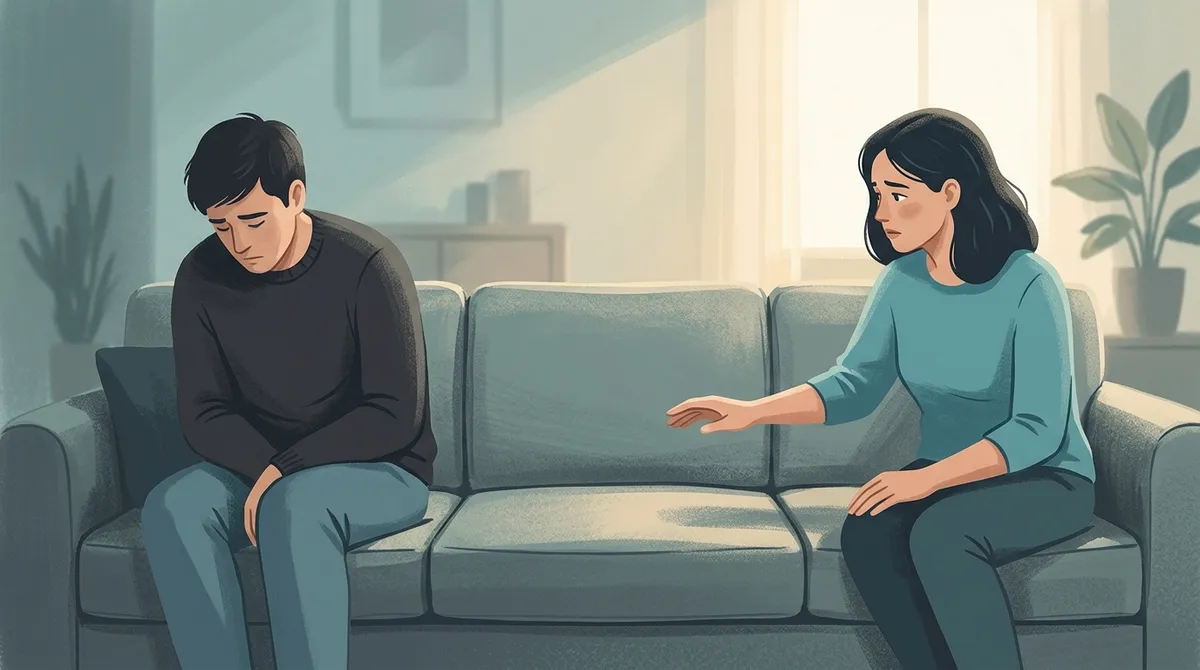
Recognize the withdrawal cycle: a depressed partner pulls away, the other pushes for connection, leaving both isolated; breaking this pattern requires understanding depression is a symptom, not rejection.
-
Set healthy boundaries while supporting a partner with depression—loving someone doesn’t mean absorbing all their pain; seek your own therapy to avoid burnout and resentment.
-
Combine individual therapy (to treat depression symptoms) with couples therapy (to rebuild communication and intimacy) for the most effective treatment outcome.
-
Seek professional help if depression symptoms last over two weeks, arguments repeat without resolution, intimacy is absent, or you feel more like roommates than partners.
-
Start the conversation about therapy during calm moments using “I” statements like “I feel disconnected and miss us,” framing it as joint healing rather than fixing one person.
Have you ever felt distant from your partner but couldn’t explain why? Maybe the arguments feel more frequent. Maybe the connection feels like it’s slipping away. If this sounds familiar, relationship depression might be at the heart of what you’re experiencing. This is more common than most people think — and it’s nothing to be ashamed of.
Relationship depression happens when depression affects the way you connect with your partner — or when relationship stress feeds into depression. The two are deeply linked. When one suffers, the other often does too. The good news? With the right support, both can heal. This article will walk you through what relationship depression looks like, how it affects couples, and what you can do about it today.
What Is Relationship Depression?
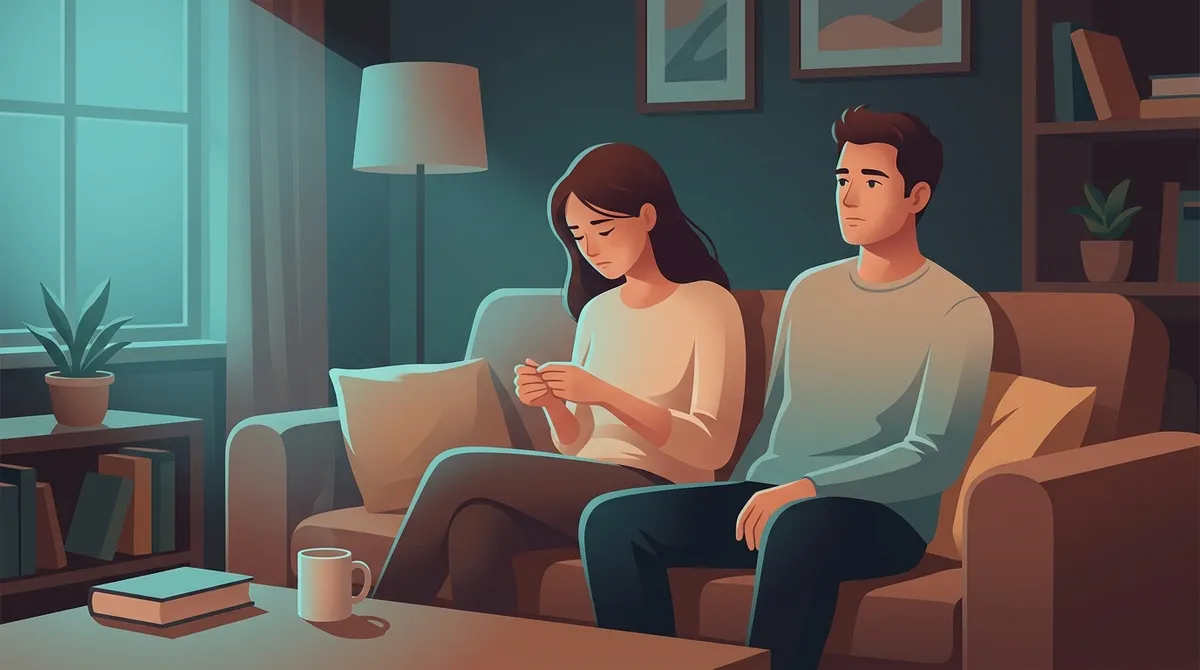
Relationship depression isn’t a single clinical diagnosis. It’s a term used to describe the way depression and romantic relationships affect each other. Depression can cause a person to withdraw emotionally, lose interest in intimacy, and become irritable. All of these things strain even the healthiest relationships.
On the flip side, troubled relationships can trigger or worsen depression. Constant conflict, loneliness within a partnership, and feeling unloved or misunderstood are all emotionally painful. Over time, that pain can turn into full-blown depression.
It’s also worth knowing that people in healthy, committed relationships tend to fare better mentally. Research published in PMC (2020) found that married individuals generally experience lower levels of depression and anxiety compared to those who are unmarried. That’s a powerful reminder of how much our relationships shape our mental well-being.
Signs That Depression Is Affecting Your Relationship
It can be hard to tell whether you’re dealing with a relationship problem or a mental health issue — or both. Here are some of the most common signs that relationship depression may be at play:
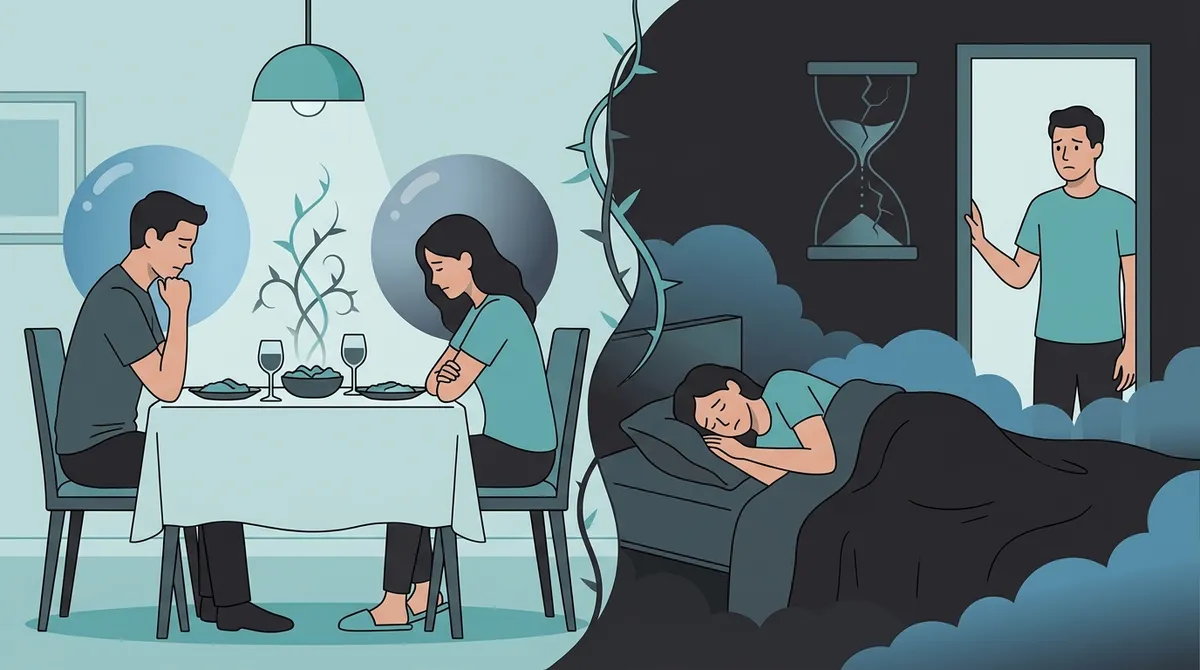
- Emotional withdrawal — One partner pulls away and becomes harder to reach emotionally
- Loss of interest in shared activities — Things you used to enjoy together no longer feel fun or meaningful
- Increased irritability or criticism — Small things trigger big reactions, and tension feels constant
- Reduced physical intimacy — Depression often lowers libido and makes closeness feel difficult
- Communication breakdowns — Conversations feel forced, shallow, or lead to conflict
- Feelings of hopelessness about the relationship — One or both partners wonder if things can ever improve
- Lack of empathy — Depression can make it hard to tune into your partner’s feelings
If several of these feel familiar, it may be time to explore relationship problems through a mental health lens — not just as a communication issue.
How Depression Changes Relationship Dynamics
Depression doesn’t just live inside one person. It moves through a relationship like a ripple in a pond. When one partner is struggling, the other often feels confused, helpless, or even resentful — even if they love their partner deeply.
The Withdrawal Cycle
A person with depression may pull away from their partner to cope. Their partner, feeling rejected, may push harder for connection. This creates a cycle of withdrawal and pressure that leaves both people feeling alone. Understanding this dynamic is the first step toward breaking it.
Depression and Anger in Relationships
Many people don’t realize that depression can show up as anger or irritability — not just sadness. If your partner seems easily triggered or frequently frustrated, that might not just be a personality issue. It could be a symptom worth addressing with professional help. You can learn more about how anger connects to emotional struggles and what to do about it.
When Conflict Is Really a Mental Health Issue
Not all relationship conflict is just about communication skills. Untreated depression, anxiety, and trauma can all drive patterns of conflict that repeat no matter how hard a couple tries. Getting to the root cause — the mental health piece — can unlock real change. The relationship and communication issues page at West Florida Therapy explains how therapy can help untangle these layers.
How to Support a Partner With Depression
If your partner is dealing with depression, you might feel unsure of what to do. You want to help, but you don’t want to make things worse. Here are some practical ways to support your loved one while also taking care of yourself:
- Educate yourself about depression — The more you understand the condition, the less you’ll take its symptoms personally
- Open gentle conversations — Let your partner know you’re there without putting pressure on them to “fix” things immediately
- Encourage professional help — Gently suggest therapy or speaking with a mental health professional
- Set healthy boundaries — Loving someone with depression doesn’t mean absorbing all of their pain yourself
- Seek support for yourself too — Partners of people with depression often benefit from their own therapy
- Stay consistent — Showing up reliably, even in small ways, builds trust and emotional safety
Research from PMC shows that spouses play a meaningful role in encouraging their partners to seek mental health care. Your encouragement can literally change someone’s life. For more guidance, Mental Health Resources from the CDC provide helpful tips on supporting loved ones.
Treatment Options for Relationship Depression
The encouraging truth is that relationship depression is very treatable. There are several effective paths to healing, and you don’t have to choose just one.
Individual Therapy
Individual therapy is often the starting point. Working one-on-one with a therapist helps the person with depression explore what’s driving their symptoms, develop coping skills, and begin to heal. Depression treatment at West Florida Therapy is personalized and compassionate, designed to meet you exactly where you are.
Couples Therapy
When depression has affected the relationship itself, couples therapy can help both partners heal together. A skilled therapist helps couples rebuild communication, trust, and emotional connection. Couples therapy can be one of the most powerful investments you make in your relationship — and your mental health.
Evidence-Based Approaches
Therapists use several proven methods to treat relationship depression. Here’s a quick look at some of the most effective ones:
| Therapy Type | Best For | Key Focus |
|---|---|---|
| Cognitive Behavioral Therapy (CBT) | Depression, negative thought patterns | Changing unhelpful thinking and behavior |
| Emotionally Focused Therapy (EFT) | Couples with emotional disconnection | Rebuilding emotional bonds and attachment |
| Gottman Method | Couples with communication issues | Building friendship, managing conflict |
| Schema Therapy | Deep-rooted patterns from past experiences | Identifying and changing core beliefs |
| EMDR | Trauma linked to relationship distress | Processing painful memories |
You can explore what emotionally focused therapy is and how it can help or learn about how the Gottman Method can transform your relationship.
Telehealth Therapy
Not everyone can make it to an in-person appointment. Thankfully, telehealth therapy is just as effective for many people. West Florida Therapy offers telehealth therapy throughout Florida, so you can get support from the comfort of your home. This makes it easier than ever to take that first step toward healing.
When Should You Seek Professional Help?
Some people wait too long before reaching out for support. Here are clear signs that it’s time to talk to a mental health professional about relationship depression:
- Depression symptoms have lasted more than two weeks
- You or your partner feel hopeless about the relationship’s future
- The same arguments or patterns keep repeating with no resolution
- Emotional or physical intimacy has been absent for a long time
- One or both partners have started to think about separation
- Daily functioning at work or home is being affected
- You feel more like roommates than romantic partners
The sooner you seek help, the more options you have. Florida’s Substance Abuse and Mental Health services also provide resources and referrals if you need additional support beyond therapy.
What to Expect From Margaret Deuerlein at West Florida Therapy
If you’re in Florida and looking for warm, skilled support, Margaret Deuerlein is a licensed psychotherapist with deep experience in depression and relationship challenges. She brings genuine care to every session and works with both individuals and couples to help them heal and reconnect. You can learn more about her approach on the About Margaret Deuerlein page.
West Florida Therapy offers bilingual services in English and Spanish, in-person sessions in Brandon, Florida, and virtual therapy for all of Florida. Whether you prefer to meet face-to-face or online, accessible care is available. Visit us on Google — West Florida Therapy to read reviews and learn more about what clients experience.
How to Talk to Your Partner About Getting Help
Starting the conversation about therapy can feel awkward. Here are some tips for bringing it up in a caring, non-threatening way:
- Choose a calm moment — not during or after a fight
- Use “I” statements: “I feel disconnected and I miss us”
- Frame therapy as something you do together, not a fix for one person
- Normalize it — therapy is a sign of strength, not weakness
- Offer to go together to the first consultation
For additional ideas, explore how to talk about depression with family and friends. It’s a great resource for finding the right words. You can also find helpful guidance at Florida Department of Health’s Mental Health Links.
Taking the First Step Together
Relationship depression doesn’t have to be the end of your story. Many couples have come through depression stronger, closer, and more connected than before. It takes courage to admit something is wrong — and even more courage to do something about it.
If you recognize yourself or your partner in this article, please know that help is close. Whether you need individual support for depression or a space to heal as a couple, there are caring professionals ready to walk this path with you. You can also explore 12 ways couples therapy can transform your relationship to see how real change is possible.
You deserve a relationship that feels good — and a life that feels worth living. Reach out to our team at West Florida Therapy today and take the first step toward healing, connection, and hope. You don’t have to figure this out alone.
FAQs
Q: Can relationship depression actually ruin a relationship?
A: It absolutely can cause serious damage if left untreated — but it doesn’t have to be permanent! Many couples come through relationship depression stronger than before once they get the right support, like individual or couples therapy.
Q: How do I know if it’s depression or just a relationship problem?
A: The two are often connected, which makes it tricky! A good rule of thumb is to pay attention to whether the low mood, withdrawal, or irritability shows up outside the relationship too. A therapist can help you sort out what’s what and create a clear path forward.
Q: Should couples therapy be used when one partner has depression?
A: Yes — often, the best approach combines individual therapy for the person with depression and couples therapy to repair the relationship dynamic. This way, both the person and the partnership get the care they need.
Q: What kind of therapist helps with relationship depression?
A: A licensed therapist with experience in both depression treatment and relationship issues is ideal. Therapists trained in approaches like Emotionally Focused Therapy (EFT), CBT, or the Gottman Method are especially well-suited to help couples navigating this challenge.
Q: Can virtual therapy help with relationship depression in Florida?
A: Absolutely! Telehealth therapy is a convenient and effective option for individuals and couples across Florida. You can access the same quality care from home, making it easier to get started without any extra stress.