
Key Takeaways
-
Cognitive Behavioral Therapy (CBT) is the gold standard treatment for nocturnal panic attacks, achieving significant reduction in attack frequency after just 12-16 sessions by helping you identify and reframe panic-triggering thoughts.
-
Practice the 5-4-3-2-1 grounding technique during an attack by naming 5 things you see, 4 you can touch, 3 you hear, 2 you smell, and 1 you taste to interrupt the panic cycle and reconnect to reality.
-
Use diaphragmatic breathing with a 4-4-6 count (in for 4, hold for 4, out for 6) daily so it becomes automatic during attacks to slow your nervous system and counteract shallow, rapid breathing.
-
Keep a sleep and panic diary tracking attack times, duration, pre-bed emotions, food/drinks, and stress levels to help your therapist identify specific patterns and triggers for your nocturnal panic.
-
Eliminate caffeine by 2 PM and limit evening alcohol, as both trigger or worsen nocturnal panic attacks by overstimulating your nervous system and disrupting sleep cycles.
-
Seek professional therapy as your first step; up to 70% of people with panic disorder experience nocturnal panic attacks, and combined therapy with medication often produces better outcomes than either approach alone.
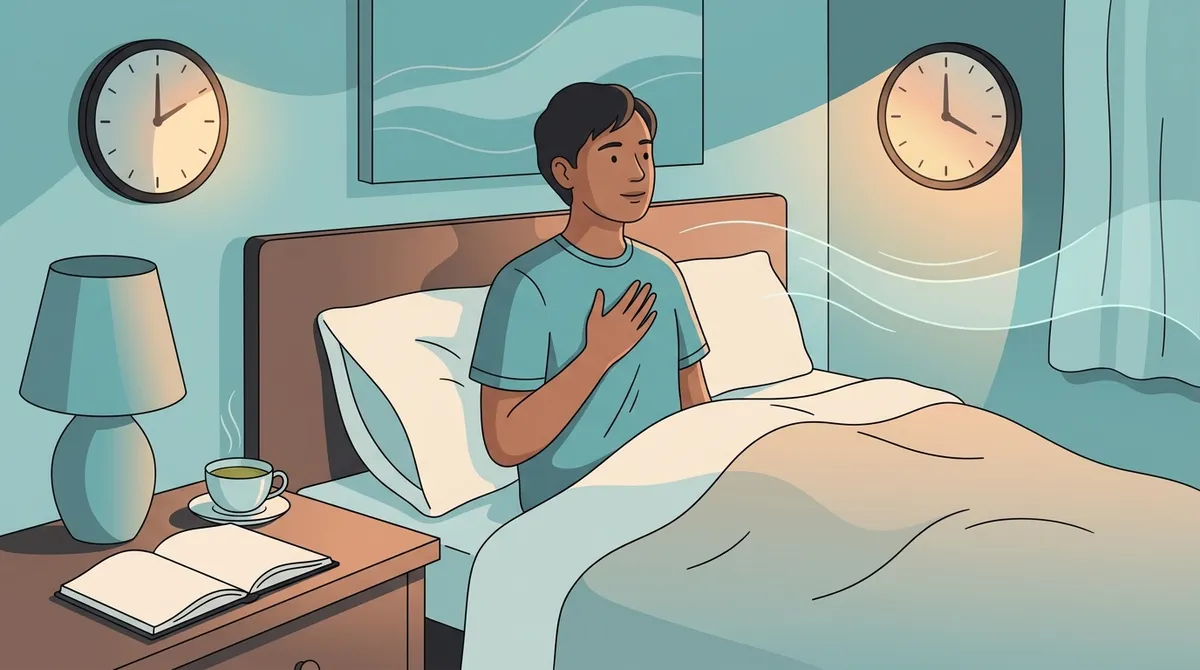
Waking up in the middle of the night with your heart pounding, struggling to breathe, and feeling a wave of overwhelming fear — that is what a nocturnal panic attack feels like. It is terrifying, confusing, and exhausting. And if it has happened to you more than once, you are probably dreading bedtime.
Here is the good news: nocturnal panic attacks are treatable. You do not have to keep losing sleep or living in fear of the night. With the right support and strategies, you can reclaim your rest and your peace of mind. Let’s walk through 12 practical, therapist-backed ways to manage nocturnal panic attacks — and start sleeping better tonight.
What Are Nocturnal Panic Attacks?
Nocturnal panic attacks are sudden episodes of intense fear that jolt you awake from sleep. Unlike nightmares, they happen without a scary dream. They are linked to panic attacks and panic disorder, and they feel very real and very physical.
Common symptoms include:
- Racing or pounding heartbeat
- Shortness of breath or chest tightness
- Profuse sweating or chills
- Feelings of overwhelming dread or doom
- Dizziness or nausea
- Tingling in the hands or feet
According to the Mental Health Resources from the CDC, panic disorder affects about 2–3% of adults annually. Nighttime episodes occur in up to 70% of people with panic disorder. If this sounds familiar, you are definitely not alone.
How Are Nocturnal Panic Attacks Different From Night Terrors?
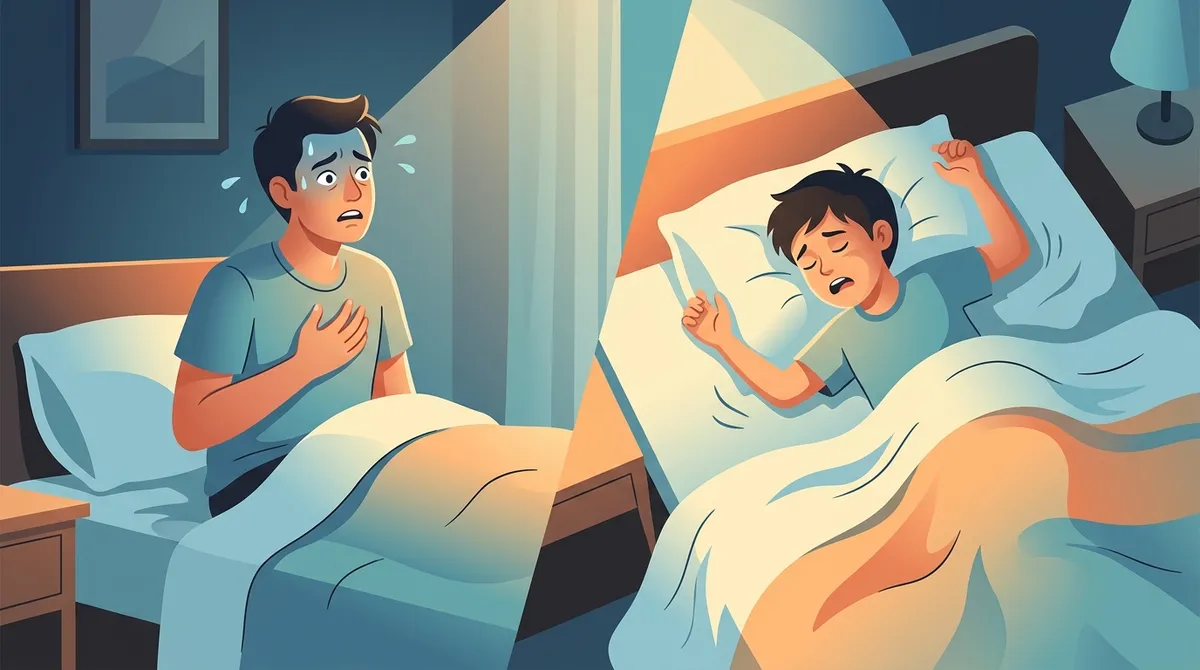
It is easy to mix these two up, but they are quite different. Night terrors typically happen in deep sleep and people usually do not remember them. Nocturnal panic attacks happen during lighter sleep stages. You wake up fully aware, and you remember every terrifying second of it. That awareness is what makes them so distressing.
Understanding what you are dealing with is the first step toward healing. If you are unsure, a licensed therapist can help you figure it out. You can also explore helpful background on Anxiety Treatment to better understand what drives these episodes.
12 Ways to Manage Nocturnal Panic Attacks
1. Seek Professional Therapy First
This is the most important step. A licensed therapist can properly assess your symptoms and create a personalized treatment plan. Therapy is not a last resort — it is the smartest starting point. At West Florida Therapy, Margaret Deuerlein is a caring and skilled psychotherapist who helps adults and teens navigate anxiety, panic, and sleep disruption with compassion and expertise.
2. Try Cognitive Behavioral Therapy (CBT)
CBT is the gold standard treatment for nocturnal panic attacks. It works by helping you identify and change the thought patterns that fuel panic. Research shows that CBT can achieve significant reduction in panic attack frequency after just 12–16 sessions. It is structured, effective, and empowering.
CBT helps you:
- Recognize the thoughts that trigger panic
- Challenge and reframe those thoughts
- Build coping strategies you can use in the moment
3. Practice Diaphragmatic Breathing
When a nocturnal panic attack hits, your breathing becomes shallow and fast. Deep belly breathing helps slow your nervous system down. Try breathing in for 4 counts, holding for 4, and breathing out for 6. Practice this daily so it becomes second nature during an attack.
4. Use Grounding Techniques
Grounding pulls your focus back to the present moment. One popular method is the 5-4-3-2-1 technique:
- Name 5 things you can see
- Name 4 things you can touch
- Name 3 things you can hear
- Name 2 things you can smell
- Name 1 thing you can taste
This simple exercise interrupts the panic cycle and reconnects you to reality. It works and it is free.
5. Explore Medication Options With a Provider
Sometimes therapy alone is not enough, and that is completely okay. Medications such as SSRIs (antidepressants) and anti-anxiety medications can reduce the intensity and frequency of nocturnal panic attacks. When combined with therapy, outcomes are often even better. Talk to your doctor or therapist about whether medication might be a good fit for you. You can also find helpful context through Substance Abuse & Mental Health resources in Florida.
6. Keep a Sleep and Panic Diary
Tracking your panic attacks helps your therapist identify patterns and triggers. Write down:
- What time the attack woke you up
- How long it lasted
- What you were feeling before bed
- Foods or drinks you had that day
- Your stress levels that day
Over time, patterns emerge. Those patterns become powerful tools in your treatment plan.
7. Limit Caffeine and Alcohol Before Bed
Both caffeine and alcohol can trigger or worsen nocturnal panic attacks. Caffeine stimulates the nervous system, and alcohol disrupts sleep cycles, making panic more likely. Cut off caffeine by 2 PM and limit alcohol, especially in the evening hours. Small changes like this can make a big difference.
8. Build a Calming Bedtime Routine
A consistent nighttime routine signals to your brain that it is safe to relax. Here are some helpful habits to try:
- Dim the lights one hour before bed
- Avoid screens (phones, TV) 30–60 minutes before sleep
- Take a warm shower or bath
- Read something light and enjoyable
- Do gentle stretching or light yoga
Predictability is calming for an anxious nervous system. Make your evenings feel safe and soothing.
9. Try EMDR Therapy for Underlying Trauma
Sometimes nocturnal panic attacks are connected to unresolved trauma. Eye Movement Desensitization and Reprocessing (EMDR) is a powerful therapy that helps process traumatic memories. If your panic feels tied to past experiences, EMDR Treatment may be an important part of your healing journey.
10. Practice Mindfulness Meditation
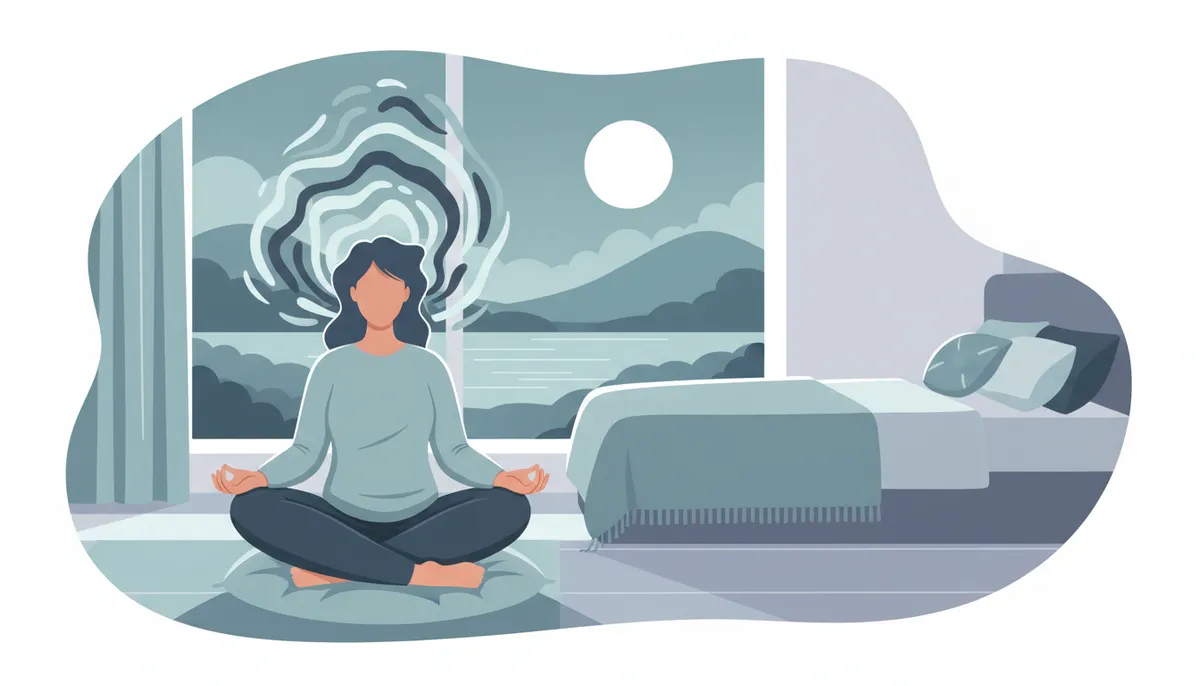
Mindfulness trains your brain to stay present instead of spiraling into fear. Even 10 minutes a day can reduce overall anxiety and lower your vulnerability to panic at night. Apps and guided meditations make it easy to start. The key is consistency, not perfection.
11. Address Daytime Stress and Anxiety
What happens during the day affects what happens at night. High daytime stress feeds nighttime panic. Managing your mental health during the day — through therapy, exercise, social connection, and rest — creates a calmer foundation for sleep. Do not wait for nighttime to deal with anxiety; address it around the clock.
You might also find it helpful to explore our resources on Understanding Anxiety Signs Types And Treatment Options to get a fuller picture of what you are experiencing.
12. Consider Telehealth Therapy for Convenient Access
Getting help should never feel like a barrier. If you are across Florida and cannot make it to an office, virtual therapy is a great option. Telehealth Therapy in Florida allows you to meet with a licensed therapist from the comfort of your own home — on your schedule. This is especially helpful for young adults, busy parents, and anyone in a rural area.
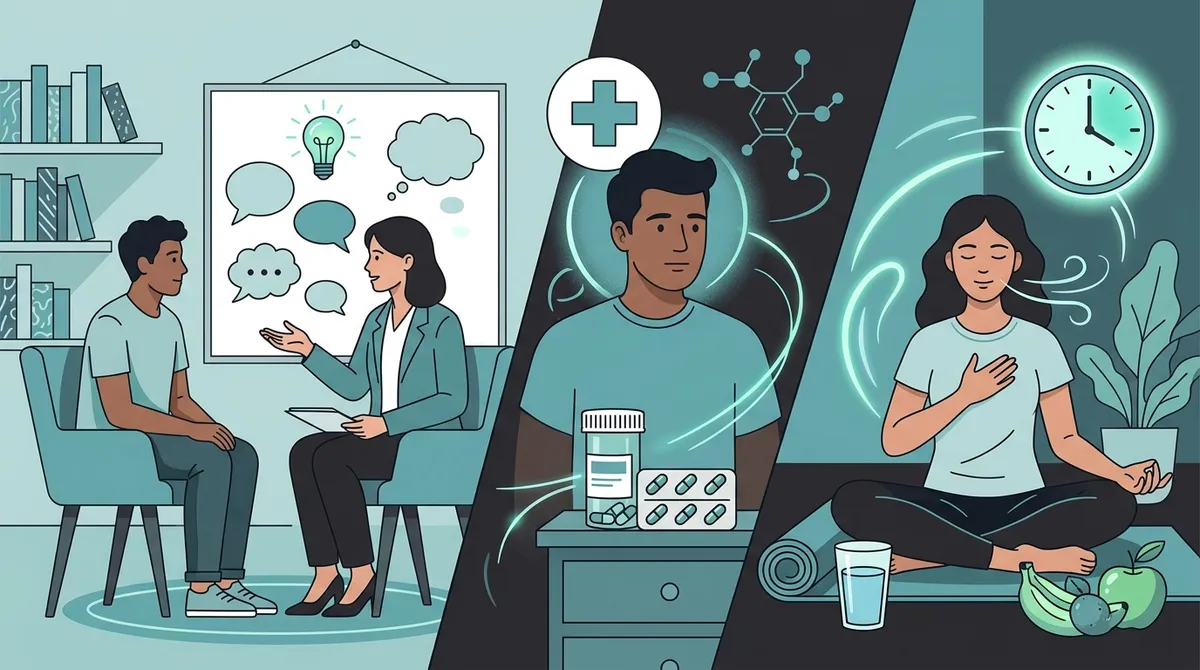
Treatment Comparison: What Works for Nocturnal Panic Attacks
Here is a quick overview of the most common approaches to treating nocturnal panic attacks:
| Treatment Option | How It Helps | Best For |
|---|---|---|
| Cognitive Behavioral Therapy (CBT) | Reframes panic-triggering thoughts | Most people with panic disorder |
| EMDR Therapy | Processes trauma linked to panic | Those with trauma history |
| Medication (SSRIs) | Reduces frequency and intensity | Moderate to severe cases |
| Mindfulness & Relaxation | Lowers overall anxiety levels | Everyone as a supplement |
| Telehealth Therapy | Provides access without travel | Remote or busy individuals |
| Lifestyle Changes | Reduces triggers and improves sleep | Everyone as a foundation |
When Should You Reach Out for Help?
Not sure if your situation warrants professional support? Here are clear signs it is time to reach out:
- You have had more than one nocturnal panic attack
- You are dreading sleep or avoiding going to bed
- Your daily life is being affected by sleep deprivation
- You are worried about your heart or physical health
- You feel anxious throughout the day, not just at night
If any of these apply to you, please do not wait. Connecting with a therapist sooner means faster relief. You can explore available Mental Health Links through the Florida Department of Health as a starting resource. You can also learn more about our approach and Our Process at West Florida Therapy to see how we make starting therapy as easy as possible.
If you are in or near Brandon, Florida, in-person sessions are also available. Learn more about In Person Therapy in Brandon Florida and find out how convenient getting support can be.
What to Expect From Therapy for Nocturnal Panic Attacks
Starting therapy can feel like a big step. But it does not have to feel scary. Here is a simple breakdown of how the process typically works:
- Initial Consultation: You share your symptoms and goals. The therapist listens without judgment.
- Personalized Plan: Together, you build a treatment plan tailored to your specific needs.
- Weekly Sessions: You meet regularly and build skills session by session.
- Track Progress: Your therapist checks in on your growth and adjusts the plan as needed.
Margaret Deuerlein at West Florida Therapy takes this approach with every client. She brings warmth, skill, and genuine care to every session. Bilingual services in English and Spanish are available, making therapy accessible to more people across Florida. You can read more about her approach on the About Margaret Deuerlein page.
A Note for Teens and Young Adults
Nocturnal panic attacks do not only happen to adults. Teenagers and young adults experience them too — often tied to school pressure, social anxiety, or big life transitions. If you are a parent concerned about your teen, or a young adult struggling on your own, know that help is available and it works. Virtual sessions make it easy to get started without disrupting your schedule.
Exploring Life Goals therapy may also help younger clients connect their mental health journey to a bigger sense of purpose and direction.
You Deserve Restful Sleep
Nocturnal panic attacks are not a life sentence. They are a treatable condition, and healing is absolutely within reach. With the right combination of therapy, lifestyle changes, and professional support, many people experience a dramatic reduction in nighttime panic — sometimes within just a few months of starting treatment.
You deserve to feel safe in your own bed. You deserve peaceful, restful sleep. And you deserve support from someone who truly cares about your wellbeing. Visit us on Google to read reviews from real clients and see how West Florida Therapy has helped others just like you.
Ready to take the first step toward better sleep and a calmer mind? Reach out to our team today and schedule your free 15-minute consultation. You do not have to face nocturnal panic attacks alone — and with the right help, you absolutely will not have to.
FAQs
Q: What causes nocturnal panic attacks?
A: Nocturnal panic attacks are often linked to panic disorder, underlying anxiety, or unresolved stress and trauma. Your nervous system can trigger a fight-or-flight response even during sleep, causing you to wake up in a state of intense fear. A licensed therapist can help identify your specific triggers and create a plan to address them.
Q: How are nocturnal panic attacks different from night terrors?
A: Great question! Night terrors typically occur during deep sleep, and people usually have no memory of them afterward. Nocturnal panic attacks happen during lighter sleep stages, and you wake up fully aware and remember the episode clearly. That awareness — and the lingering fear — is what makes nocturnal panic attacks especially distressing.
Q: Is CBT really effective for nighttime panic attacks?
A: Absolutely! Cognitive Behavioral Therapy (CBT) is considered the gold standard treatment for panic disorder, including nocturnal panic attacks. Studies show significant reduction in attack frequency after just 12–16 sessions. It helps you identify thought patterns, challenge fearful thinking, and build real coping skills that work even in the middle of the night.
Q: When should I see a therapist for nocturnal panic attacks?
A: If you have experienced more than one nocturnal panic attack, or if they are causing you to dread bedtime or affecting your daily life, it is time to reach out for help. You do not need to wait until things feel unbearable — early support leads to faster relief and better outcomes.
Q: Can I get help for nocturnal panic attacks virtually?
A: Yes! Telehealth therapy is a wonderful option for anyone across Florida who cannot easily get to an office. You can meet with a licensed therapist from the comfort of your own home, on a schedule that works for you. West Florida Therapy offers virtual sessions statewide, with bilingual services available in both English and Spanish.