
Key Takeaways
-
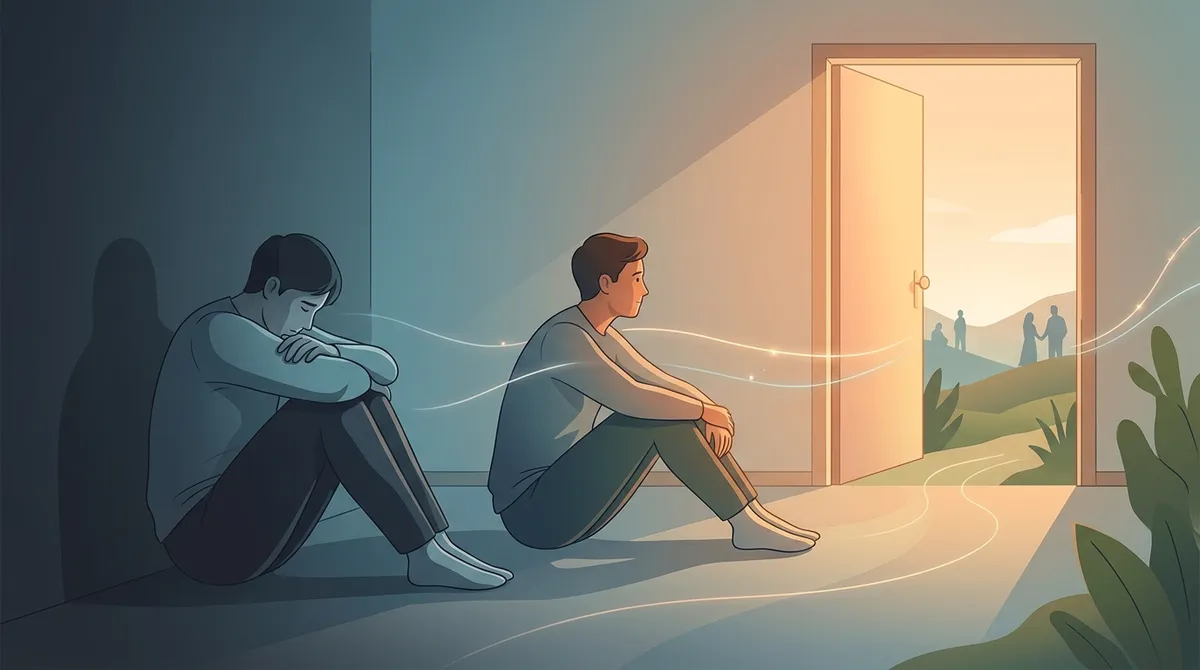
Social isolation and depression form a vicious cycle where withdrawal removes sources of joy and connection, allowing negative thoughts to intensify and depression to deepen—breaking this cycle requires intentional action and often professional support.
-
Research shows social isolation and loneliness independently increase depression risk by over 25%, and chronic isolation increases risks for serious health problems including heart disease, stroke, cognitive decline, and earlier death.
-
Cognitive Behavioral Therapy (CBT) is one of the most effective treatments, helping identify negative thought patterns and encourage behavioral activation—gradually re-engaging with activities and people even when it feels difficult.
-
Telehealth therapy removes critical barriers for isolated individuals by enabling virtual sessions from home, making it significantly easier to take the first step toward professional help when leaving home feels impossible.
-
Warning signs requiring professional attention include withdrawing for weeks, persistent hopelessness, significant changes in eating/sleeping, loss of interest in hobbies, and any mention of self-harm—if multiple signs appear, reach out immediately.
-
Small daily self-care strategies like five-minute walks, setting tiny social goals (texting one friend), establishing routines, limiting social media, and practicing self-compassion work best alongside professional therapy to ease isolation’s grip.
Have you ever noticed how, when you feel down, the last thing you want to do is be around people? It feels easier to stay home, cancel plans, and just… disappear for a while. But here’s the thing — that urge to pull away might actually be making things worse. Self-isolation and depression form a painful cycle, each one feeding the other in ways that can be hard to see when you’re in the middle of it. You withdraw because you feel sad, then you feel sadder because you’re alone. It’s exhausting, and you don’t have to go through it by yourself.
The good news? This cycle can absolutely be broken. With the right support, the right tools, and a little compassion for yourself, healing is possible. Whether you’re personally struggling or worried about someone you love, this guide will help you understand what’s happening — and what to do about it.
What Is Self-Isolation Depression?
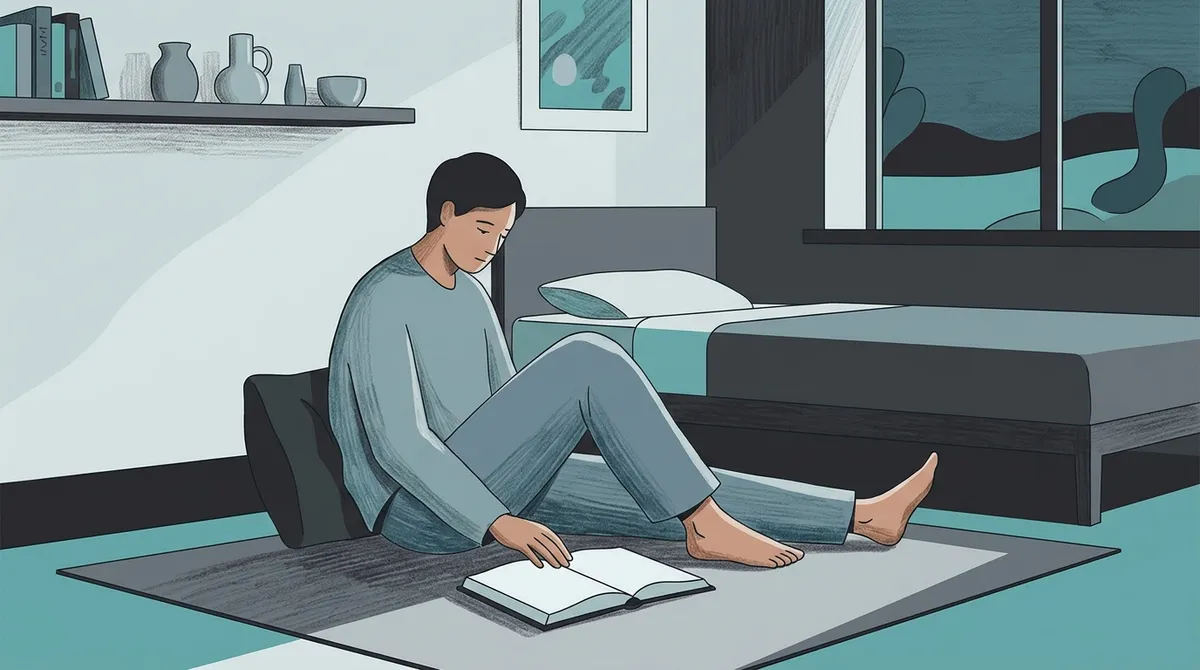
Self-isolation depression refers to the powerful two-way relationship between social withdrawal and depression. When someone is depressed, they often pull back from friends, family, and activities they once loved. And when someone spends too much time alone, depression tends to deepen and grow stronger.
This isn’t a personal weakness or character flaw. It’s a well-documented mental health pattern. According to research, social isolation and loneliness independently increase the risk for depression by more than 25%. That’s a significant number — and it highlights just how much our social connections matter for our mental health.
Understanding what depression is and how it affects your daily life is a great first step toward recognizing this pattern in yourself or someone you care about.

How the Cycle Works
The relationship between isolation and depression isn’t a straight line — it’s more like a loop that keeps spinning. Here’s how that cycle typically unfolds:
- Depression sets in: You start feeling sad, tired, or hopeless. Everyday tasks feel heavy.
- You withdraw: Social interactions feel like too much effort. You cancel plans and stay home.
- Negative self-talk grows: Alone with your thoughts, your inner critic gets louder. You might think, “Nobody cares anyway” or “I’m a burden.”
- Joyful activities disappear: You stop doing things that once made you happy, which removes sources of positive emotion.
- Depression deepens: With less connection and less joy, depression worsens — and the urge to isolate grows stronger.
This is why self-isolation depression can feel so hard to escape on your own. The very symptoms of depression push you toward behaviors that make depression worse. It’s not your fault — but it does require intentional action and often professional support to interrupt the pattern.
The Real Impact of Social Isolation on Mental and Physical Health
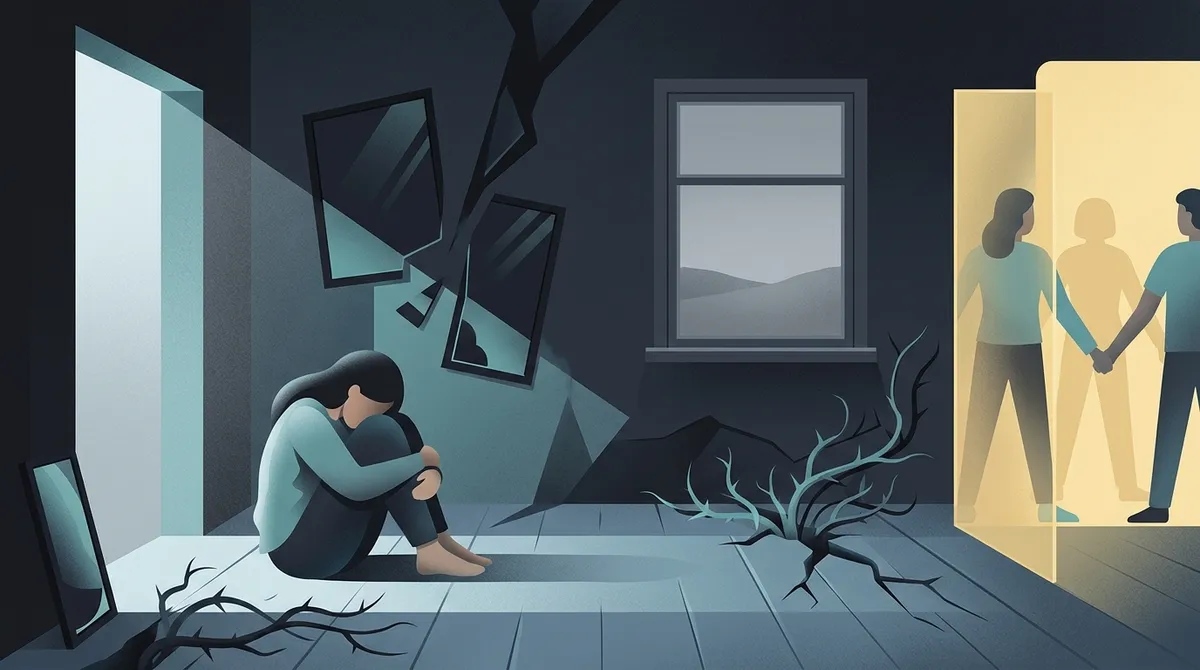
Social isolation doesn’t just affect your mood. It affects your whole body. Research shows that chronic isolation increases the risk of serious health problems, including:
- Depression and anxiety
- Cognitive decline and dementia
- Heart disease and stroke
- Type 2 diabetes
- Suicidal thoughts or behaviors
- Earlier death
These aren’t just statistics on a page. They represent real people whose lives are being affected by something that often goes unspoken. Right now, about 1 in 3 U.S. adults report feeling lonely, and about 1 in 4 lack adequate social and emotional support. That’s a lot of people quietly struggling.
For more information on how mental health connects to overall wellness, the Mental Health Resources from the CDC offer a helpful overview of the broader picture.
Warning Signs to Watch For
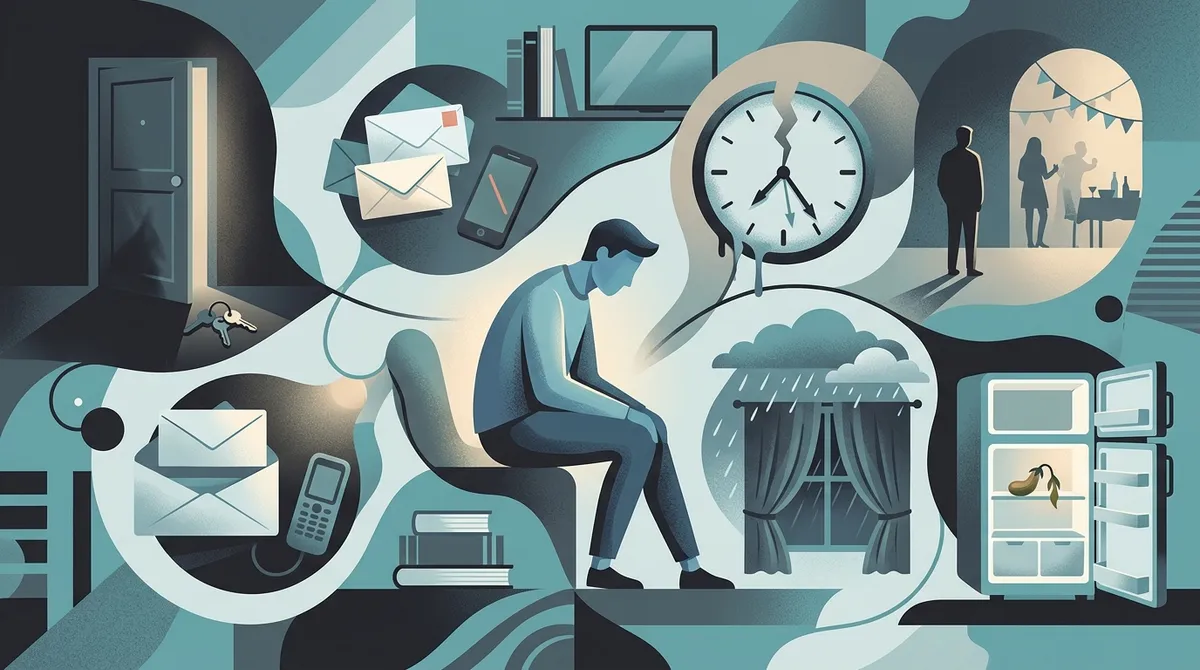
Sometimes it’s hard to tell whether you — or someone you love — has crossed the line from needing alone time into something more concerning. Here are signs that self-isolation depression may need professional attention:
- Withdrawing from friends, family, and social activities for weeks at a time
- Persistent feelings of sadness, emptiness, or hopelessness
- Significant changes in eating or sleeping habits
- Difficulty concentrating or making decisions
- Loss of interest in hobbies or activities that once brought joy
- Talking about feeling like a burden or expressing hopelessness
- Any mention of self-harm or thoughts of suicide
If you notice several of these signs — in yourself or someone else — it’s time to reach out for help. You can also explore mood issues and how therapy can support you in understanding what you’re experiencing.
How Therapy Helps Break the Isolation-Depression Cycle
Therapy is one of the most effective ways to address self-isolation depression. A skilled therapist doesn’t just talk with you about your feelings — they help you understand the root causes of your withdrawal and give you practical tools to start reconnecting with life.
Cognitive Behavioral Therapy (CBT)
CBT is one of the most widely used and well-researched approaches for depression. It helps you identify negative thought patterns — like the belief that no one wants to hear from you — and replace them with more realistic, balanced perspectives. CBT also encourages behavioral activation, which means slowly re-engaging with activities and people even when it feels hard.
Exploring Underlying Issues
Sometimes isolation is driven by something deeper, like unresolved trauma or social anxiety. Therapy creates a safe space to explore those underlying issues. When you understand why you pull away, it becomes much easier to make different choices.
If anxiety is part of your experience, learning about anxiety treatment options can be a powerful complement to depression-focused care.
Building Social Skills and Confidence
Depression and isolation can erode your social confidence over time. Therapy helps you rebuild that confidence gradually, at a pace that feels manageable — not overwhelming.
Treatment Options: What to Expect
Getting help for self-isolation depression can feel daunting, but understanding what the process looks like can make it feel more approachable. Here’s a simple overview of common treatment options:
| Treatment Option | What It Involves | Best For |
|---|---|---|
| Cognitive Behavioral Therapy (CBT) | Changing negative thought patterns and behaviors | Mild to moderate depression with isolation patterns |
| Trauma-Focused Therapy / EMDR | Processing past trauma driving withdrawal | Depression rooted in unresolved trauma |
| Individual Talk Therapy | One-on-one sessions exploring feelings and goals | Anyone feeling disconnected or overwhelmed |
| Telehealth Therapy | Virtual sessions from home | Those struggling to leave home due to isolation |
| Medication (with referral) | Antidepressants to support brain chemistry | Moderate to severe depression cases |
If leaving home feels impossible right now, telehealth therapy in Florida is a wonderful option that brings professional support directly to you — wherever you are.
Can Telehealth Help With Self-Isolation Depression?
Absolutely — and this is especially important to know. One of the cruelest ironies of self-isolation depression is that it makes it harder to seek the very help you need. Getting dressed, driving somewhere, and sitting in a waiting room can feel completely impossible when you’re in a deep depressive episode.
Telehealth therapy removes many of those barriers. You can connect with a licensed therapist from the comfort of your own home, using your phone, tablet, or computer. For people across Florida who are struggling with isolation, this can be a true lifeline.
West Florida Therapy offers virtual therapy sessions throughout the entire state of Florida, making it easy to access compassionate, professional care no matter where you live. Learn more about the therapy process here to see how simple getting started can be.
How to Help a Loved One Who Is Isolating
Watching someone you care about withdraw into themselves is painful. You want to help, but you’re not sure how. Here are some practical steps you can take:
- Check in consistently: Send a text, leave a voicemail, or drop by if appropriate. Let them know you’re thinking of them — without pressure.
- Avoid judgment: Don’t say things like “Just get out of the house!” or “You have nothing to be sad about.” Depression doesn’t respond to logic.
- Offer specific help: Instead of “Let me know if you need anything,” try “I’m bringing dinner Tuesday — does 6 PM work?” Specific offers are easier to accept.
- Encourage professional support gently: Share that therapy has helped others. You might even offer to help them find a therapist or schedule an appointment.
- Take care of yourself too: Supporting someone with depression can be emotionally draining. Make sure you’re getting your own support as well.
You can also find valuable guidance through Florida’s Substance Abuse and Mental Health services, which offer community resources to support both individuals and their families.
Self-Care Strategies That Can Help Right Now
While professional therapy is the most effective long-term solution, there are also everyday strategies that can help ease the grip of isolation and depression. Think of these as small steps — not cures, but gentle nudges in the right direction.
- Get outside daily: Even a five-minute walk can shift your mood and give you a small dose of sunlight and fresh air.
- Set tiny social goals: You don’t have to attend a party. Try texting one friend or saying hello to a neighbor.
- Establish a simple routine: Depression thrives in chaos and unstructured time. A consistent wake time and a few daily anchors can help stabilize your mood.
- Limit social media: Scrolling can feel like connection, but it often increases feelings of loneliness and inadequacy.
- Practice self-compassion: Talk to yourself the way you’d talk to a good friend. You deserve kindness, especially from yourself.
These strategies work best alongside professional support. If you’re curious about how therapy and self-care work together, depression treatment at West Florida Therapy can show you what a complete, personalized plan looks like.
Meet Margaret: A Therapist Who Truly Cares
At West Florida Therapy, Margaret Deuerlein is a licensed and caring psychotherapist who specializes in helping individuals navigate depression, anxiety, trauma, and the painful isolation that often comes with them. Margaret brings warmth, professionalism, and a genuine desire to see her clients thrive.
She offers bilingual therapy in both English and Spanish, making her services accessible to a wider range of people across Florida. Whether you’re coming in person to the Brandon, Florida office or connecting virtually from anywhere in the state, Margaret meets you where you are — without judgment and with full support.
You can visit West Florida Therapy on Google to read reviews from real clients who have experienced the difference that compassionate, personalized therapy can make.
When to Seek Help Right Away
Most of the time, self-isolation depression responds well to therapy and consistent self-care strategies. But there are moments when more urgent help is needed. Please seek immediate professional support if you or someone you know is:
- Talking about wanting to die or not wanting to be here anymore
- Expressing thoughts of self-harm or harming others
- Completely unable to care for themselves — not eating, not sleeping, not functioning
- Experiencing sudden or severe changes in behavior or thinking
Florida has a range of crisis support resources available. The Florida Department of Health’s mental health links can connect you or your loved one with immediate help. You can also call or text 988, the Suicide and Crisis Lifeline, anytime.
Taking the First Step Toward Connection
Self-isolation depression is real, it’s painful, and it is absolutely treatable. You don’t have to keep sitting alone in the dark, waiting to feel better. The cycle can be broken — one small, brave step at a time.
Whether that first step is reading this article, texting a friend, or reaching out to a therapist, it counts. It matters. And it can be the beginning of something truly healing.
If you’re ready to take that next step, we’d love to hear from you. Reach out to West Florida Therapy today and schedule your free 15-minute consultation. You deserve support, connection, and a life that feels worth showing up for — and we’re here to help you get there.
FAQs
Q: What causes the cycle between self-isolation and depression?
A: Depression makes socializing feel exhausting and overwhelming, so people naturally pull away. But that withdrawal removes sources of joy and connection, which allows negative thoughts to grow louder — and depression deepens as a result. It’s a loop that feels hard to escape, but therapy and small daily steps can absolutely break it.
Q: When should someone seek professional help for self-isolation depression?
A: If feelings of sadness and withdrawal have lasted more than two weeks, or if you notice changes in sleep, appetite, or concentration, it’s a good time to reach out to a therapist. Any talk of self-harm or feeling like a burden to others warrants immediate professional support — please don’t wait on those signs.
Q: Can telehealth therapy really help with self-isolation depression?
A: Yes! Telehealth is actually one of the best options for people struggling with self-isolation depression, because it removes the barrier of having to leave home. You can connect with a licensed therapist from the comfort of your couch, which makes it much easier to take that first step toward feeling better.
Q: What therapies are most effective for depression linked to isolation?
A: Cognitive Behavioral Therapy (CBT) is widely considered one of the most effective approaches, as it helps reshape negative thought patterns and gradually re-engage people with life. Trauma-focused therapies like EMDR can also be helpful when past experiences are driving the withdrawal. A good therapist will work with you to find the right fit.
Q: How can I help a friend or family member who is isolating due to depression?
A: The best thing you can do is stay consistent and non-judgmental — keep checking in, offer specific help, and gently encourage them to talk to a professional. Avoid minimizing their feelings or telling them to “just cheer up,” as depression isn’t something a person can simply snap out of. Your steady presence and compassion can make a real difference.