Key Takeaways
-
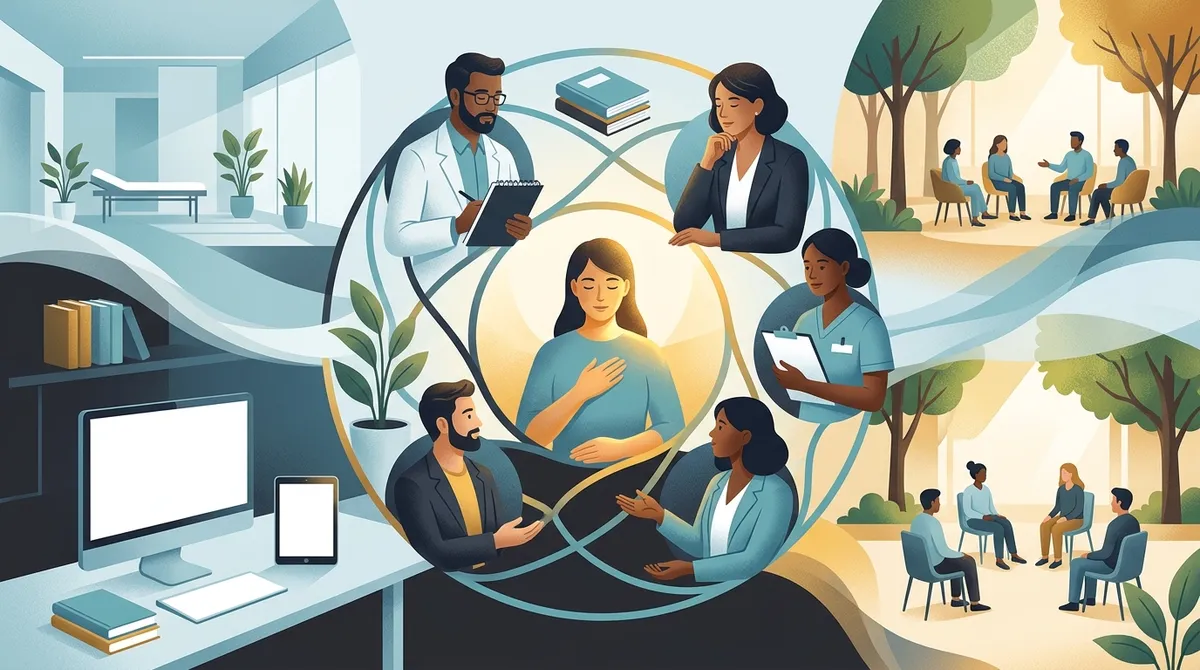
Depression treatment centers offer specialized multidisciplinary care with psychiatrists, therapists, and nurses working together, and they conduct thorough assessments to identify co-occurring conditions like anxiety or trauma for better outcomes.
-
A continuum of care exists ranging from inpatient/residential programs for severe depression to flexible outpatient and telehealth options, allowing you to match treatment intensity to your current needs without putting your life on hold.
-
Evidence-based therapies like CBT, DBT, EMDR, and IPT are proven effective, with CBT being the most widely used; the right approach depends on your situation, whether trauma-related, emotion-focused, or relationship-based.
-
Quality depression treatment should include flexible scheduling, transparent cost/insurance information, licensed professionals, personalized treatment plans, and a safe environment—with virtual options available for convenience.
-
Depression rarely occurs alone; integrated care addressing multiple co-occurring conditions like anxiety, trauma, and mood disorders simultaneously produces significantly better and more lasting results than treating issues separately.
-
Key signs to seek professional help include persistent sadness lasting over two weeks, loss of interest in activities, sleep changes, fatigue, difficulty concentrating, and withdrawal from social activities—reaching out is a smart and caring choice.
Feeling weighed down by depression is exhausting. It touches everything — your sleep, your relationships, your ability to enjoy the things you once loved. If you or someone you care about is struggling, you may have started searching for help and stumbled across the term depression treatment centers. But what do they actually offer, and how do you know which type of care is right for you?
The good news is that depression is highly treatable. With the right support, real recovery is possible. Whether you’re a teenager dealing with overwhelming pressure, a young adult navigating a big life transition, or someone who has carried the weight of sadness for years, there are structured, compassionate options designed just for you. This article will walk you through everything you need to know — simply and clearly — so you can take that first brave step forward.
What Are Depression Treatment Centers?
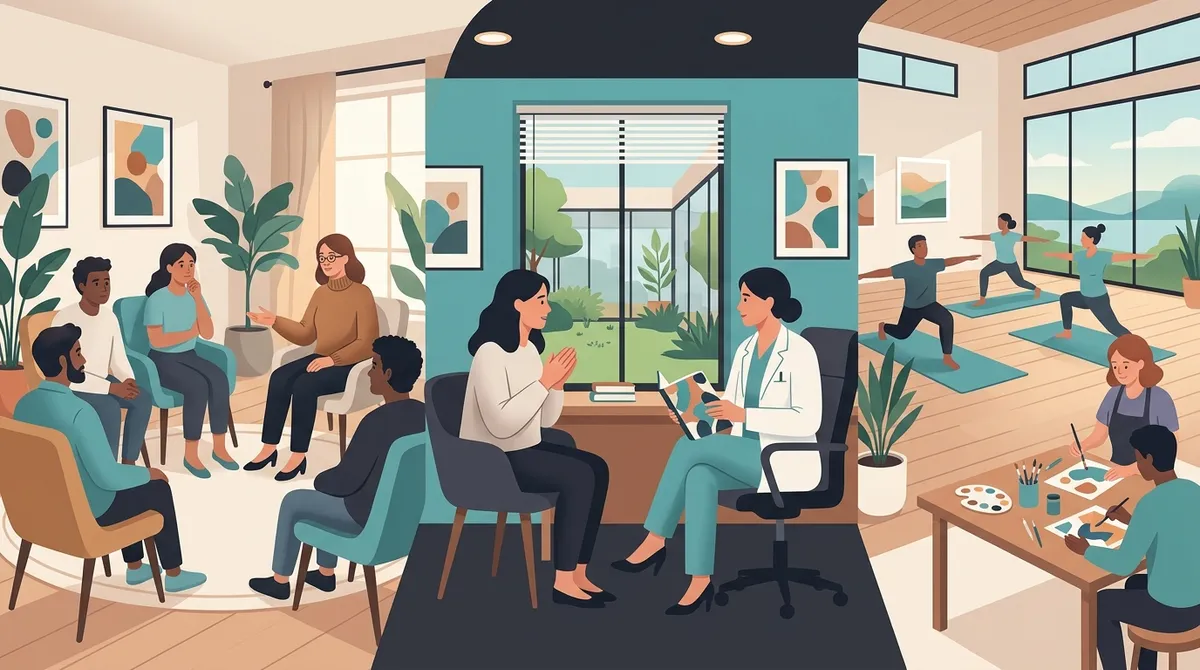
Depression treatment centers are specialized mental health facilities that provide focused, structured care for people experiencing depression. These are not one-size-fits-all places. They bring together teams of trained professionals — psychiatrists, therapists, counselors, and nurses — all working together with one goal: helping you feel better.
Unlike a general doctor’s visit, depression treatment centers are built specifically for mental health. They conduct thorough assessments to understand the depth and type of depression you’re experiencing. They also look for co-occurring conditions like anxiety, trauma, or substance use — because depression rarely travels alone.
According to Florida’s Department of Children and Families Substance Abuse & Mental Health division, integrated care that addresses depression alongside other conditions leads to significantly better outcomes. That’s exactly what quality depression treatment centers aim to provide.
Types of Depression Treatment Programs
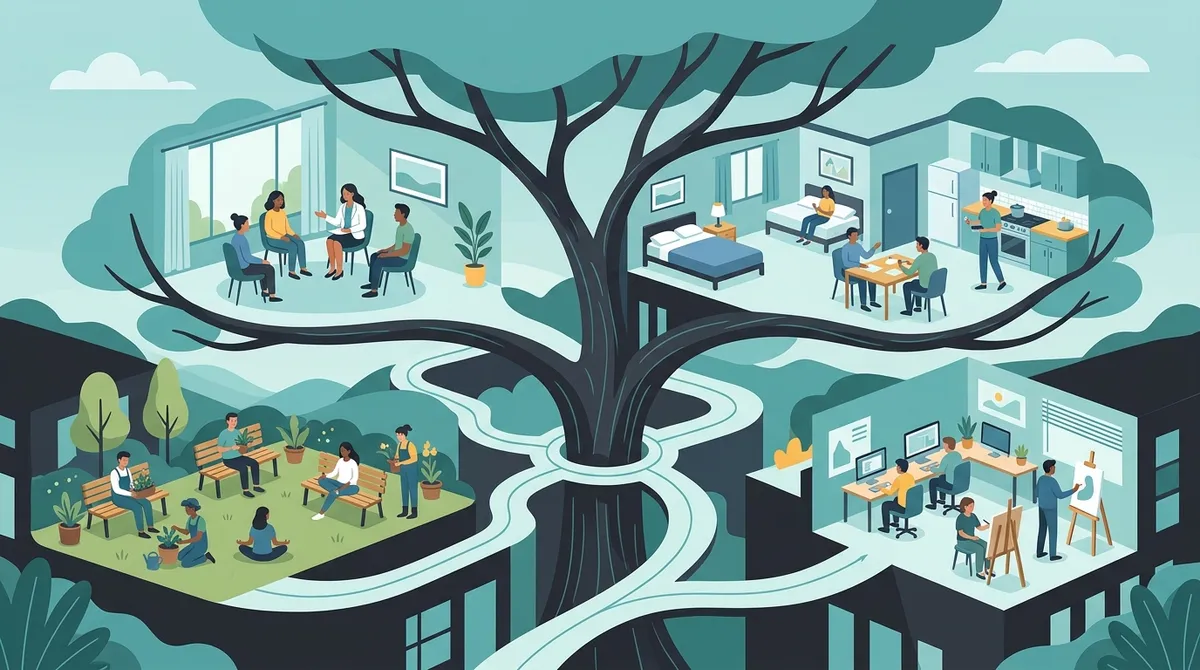
One of the most helpful things to understand is that depression treatment is not a single option. There is a full continuum of care — meaning you can get the level of support that matches your specific needs right now.
| Program Type | Setting | Best For | Intensity |
|---|---|---|---|
| Inpatient / Residential | Live-in facility | Severe depression, safety concerns | Highest |
| Partial Hospitalization (PHP) | Daily program, return home nightly | Moderate to severe depression | High |
| Intensive Outpatient (IOP) | Several sessions per week | Moderate depression with life responsibilities | Medium |
| Outpatient Therapy | Weekly or bi-weekly sessions | Mild to moderate depression | Flexible |
| Telehealth Therapy | Virtual, from home | All levels, especially remote or busy individuals | Flexible |
For many people — especially stressed millennials, busy young adults, or teenagers juggling school — outpatient and telehealth therapy in Florida are the most practical and accessible starting points. You don’t have to put your life on hold to get meaningful help.
What Therapies Are Used in Depression Treatment?
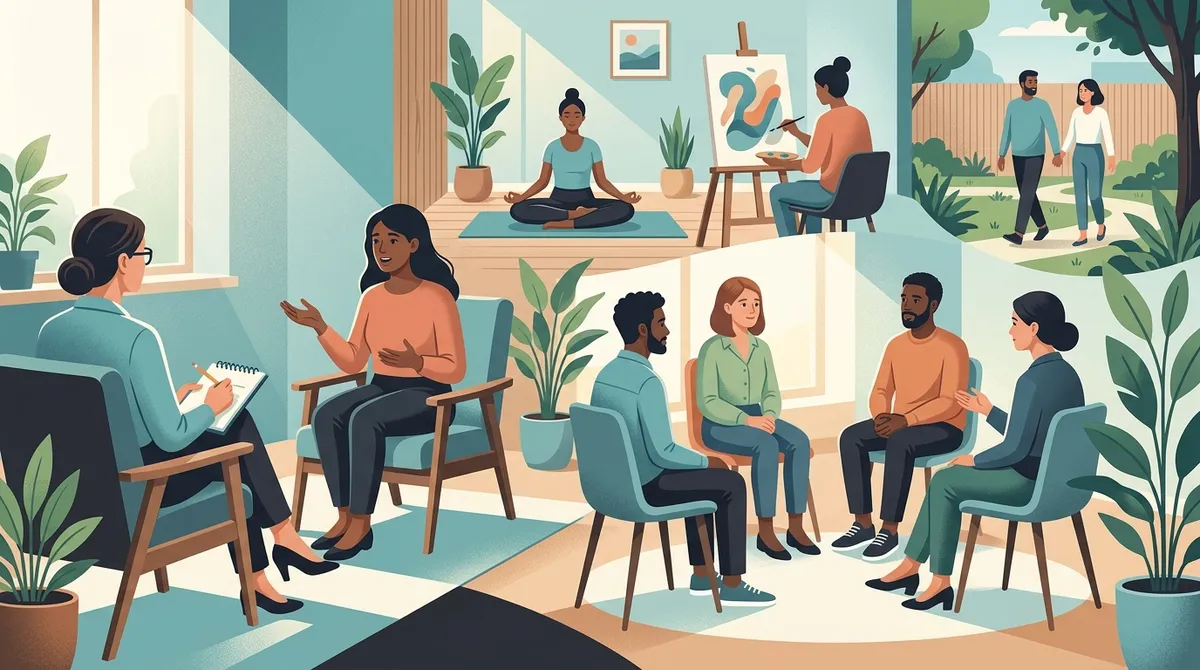
Depression treatment centers use evidence-based therapies — meaning approaches backed by real research and proven results. Here are some of the most common methods you’ll encounter:
- Cognitive-Behavioral Therapy (CBT): This is one of the most widely used and effective treatments for depression. CBT helps you identify negative thought patterns and replace them with healthier, more balanced thinking.
- Dialectical Behavior Therapy (DBT): DBT focuses on emotional regulation, distress tolerance, and building meaningful relationships. It’s especially helpful for people whose depression is tied to intense emotions.
- EMDR (Eye Movement Desensitization and Reprocessing): If your depression is connected to past trauma, EMDR treatment can be incredibly powerful. It helps your brain process painful memories so they no longer hold so much power over you.
- Interpersonal Therapy (IPT): This approach focuses on improving your relationships and communication — because how we connect with others deeply impacts how we feel inside.
- Medication Management: Many depression treatment centers work alongside psychiatrists who can evaluate whether antidepressants or other medications would be helpful as part of your treatment plan.
If you’re curious about what depression actually is and how it affects daily life, our resource on what depression is and how it affects your daily life is a great place to start.
Who Works at Depression Treatment Centers?
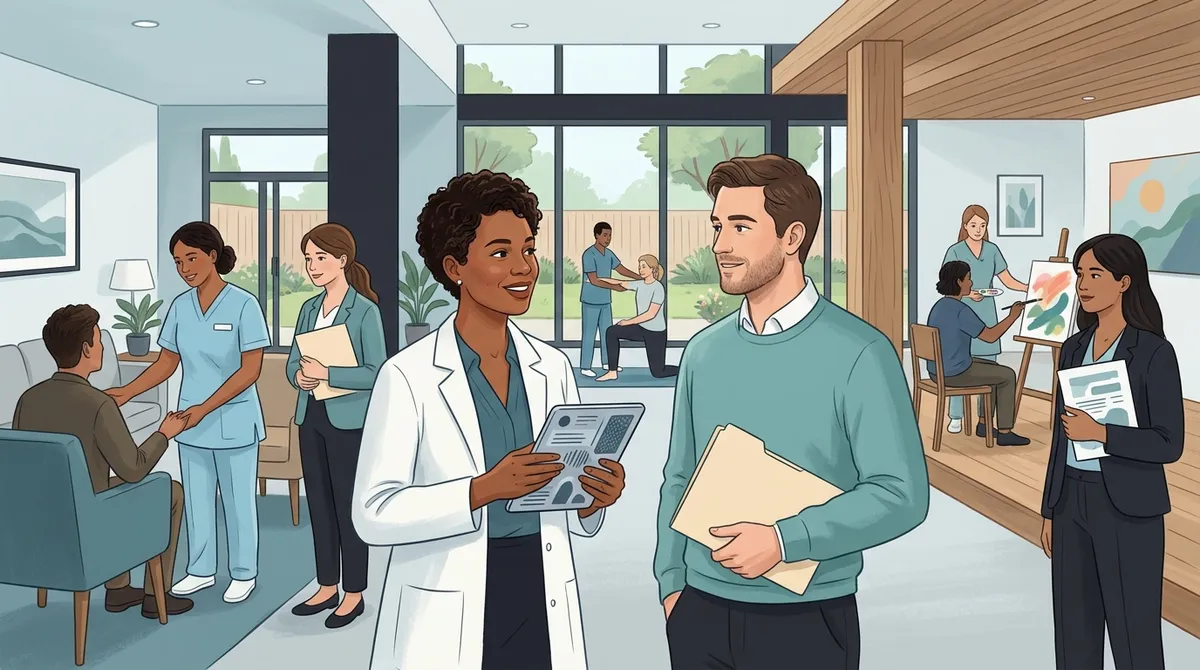
One of the biggest strengths of depression treatment centers is the multidisciplinary team approach. Rather than seeing one person, you benefit from a whole group of professionals who communicate and collaborate on your care.
A typical team might include:
- Psychiatrists who can diagnose and prescribe medication
- Licensed therapists and psychologists
- Social workers who connect you with community resources
- Nurses and support staff for day-to-day care
- Case managers who help coordinate your treatment plan
- Peer support specialists who have their own lived experience with recovery
At West Florida Therapy, licensed psychotherapist Margaret Deuerlein brings a warm, personalized approach to depression care. She is bilingual in English and Spanish, making quality care accessible to a broader community across Florida. Her goal is simple: to walk alongside you as you heal, one session at a time.
How Does the Assessment Process Work?
Starting treatment can feel nerve-wracking, but the intake process is designed to be gentle and supportive. Here’s what you can typically expect:
- Initial Consultation: You’ll have a conversation — often a brief phone call — to share what’s going on and ask questions. This is a chance to see if the provider feels like a good fit for you.
- Clinical Assessment: A trained professional will ask about your symptoms, history, and any other challenges you’re facing. This helps them understand your situation fully and accurately.
- Personalized Treatment Planning: Based on your assessment, a customized care plan is created specifically for you. No cookie-cutter approaches — just care designed around your real life and goals.
- Beginning Sessions: You’ll start meeting with your therapist on a schedule that works for you — weekly, bi-weekly, or more often depending on your needs.
You can learn more about what to expect by visiting our therapy process page. It walks you through each step so nothing feels like a surprise.
Depression and Co-Occurring Conditions
Depression rarely shows up by itself. Many people dealing with depression also experience other mental health challenges. Quality depression treatment centers are equipped to address all of these together.
Common co-occurring conditions include:
- Anxiety disorders — anxiety treatment is often woven directly into depression care
- Trauma and PTSD — explore our trauma therapy options
- Mood disorders — learn more about mood issues and how they connect to depression
- Panic attacks — which can make depression feel even more overwhelming
- Relationship difficulties — stress in relationships can both cause and worsen depression
The CDC’s Mental Health Resources confirm that addressing multiple conditions at once produces better and more lasting results than treating each issue separately. This is why integrated care matters so much.
Depression Treatment for Different Stages of Life
Depression does not discriminate. It affects teenagers, young adults, parents, seniors — people of every age and background. The good news is that care can be tailored to your specific stage of life.
Teens and Adolescents
For teenagers dealing with school pressure, social anxiety, or family stress, depression can feel especially isolating. Mental health support designed specifically for adolescents creates a safe, judgment-free space to open up and heal. Both in-person and virtual options make it easier to fit into a busy school schedule.
Young Adults (18–27)
This age group shows the highest rates of depression and the largest increases in people seeking help. Life transitions — college, new careers, relationships, moving away from home — can bring a wave of overwhelming emotions. Virtual telehealth therapy makes getting support easy, no matter where you are in Florida.
Adults and Couples
Depression often affects not just the individual but the people around them too. Couples experiencing conflict or disconnection may find that one or both partners are dealing with underlying depression. Couples therapy can address both relationship struggles and individual mental health at the same time.
Spanish-Speaking Adults
Language should never be a barrier to getting help. At West Florida Therapy, bilingual services in English and Spanish ensure that everyone feels heard, understood, and supported — no matter what language feels most natural to you.
Signs It May Be Time to Seek Help
Sometimes people aren’t sure if what they’re feeling is “serious enough” to seek professional care. Here are some signs that reaching out to a depression treatment professional is a smart and caring choice for yourself:
- Persistent sadness or emptiness lasting more than two weeks
- Loss of interest in activities you used to enjoy
- Changes in sleep — sleeping too much or not enough
- Fatigue and low energy even after resting
- Difficulty concentrating or making decisions
- Feelings of hopelessness, guilt, or worthlessness
- Withdrawing from friends, family, or social activities
- Thoughts of self-harm or not wanting to be here
If any of these feel familiar, please know — you are not alone, and you deserve support. The Florida Department of Health’s Mental Health Links also provides additional resources for people across the state.
What Makes a Good Depression Treatment Experience?
Not all care is created equal. Here’s what to look for when choosing where to get help:
- Licensed and experienced professionals with specific training in depression and related conditions.
- Personalized treatment plans that reflect your unique history, goals, and challenges.
- A warm, safe environment — whether in-person or virtual — where you feel respected and heard.
- Flexible scheduling options that fit around your work, school, or family responsibilities.
- Clear communication about costs, insurance coverage, and payment options from the very start.
West Florida Therapy accepts Aetna, Cigna, Florida Blue, Optum, Oscar, and United Health Care. Out-of-pocket payments, HSA, and FSA accounts are also welcome. A free 15-minute consultation is available so you can ask questions before committing to anything. You can also visit our Google Business Profile to read reviews from real clients who have experienced the care firsthand.
Your Path Forward Starts Here
Depression is real. It’s hard. And it is absolutely not your fault. But it is also something that responds beautifully to the right care, the right therapist, and a little bit of courage to take that first step.
Whether you’re looking for in-person sessions in Brandon, Florida or in-person therapy near Brandon, or you need virtual support from anywhere in the state, West Florida Therapy is here for you. Margaret Deuerlein and her team are ready to walk with you through this — with warmth, expertise, and genuine care.
You don’t have to keep carrying this weight alone. Reach out to our team today and take that one courageous step toward feeling like yourself again. We’d love to be part of your story.
FAQs
Q: What types of therapy are used in depression treatment centers?
A: Depression treatment centers use a variety of evidence-based approaches, including Cognitive-Behavioral Therapy (CBT), Dialectical Behavior Therapy (DBT), EMDR, and Interpersonal Therapy (IPT). The right approach depends on your unique situation, and a good therapist will help you figure out what feels like the best fit for you!
Q: What is the difference between inpatient and outpatient depression treatment?
A: Inpatient treatment involves staying at a facility full-time with around-the-clock support — ideal for more severe cases. Outpatient treatment, including telehealth therapy, lets you attend sessions while continuing your daily life, which works beautifully for mild to moderate depression. Most people start with outpatient care and find it incredibly effective.
Q: How long does depression treatment typically last?
A: There’s no one-size-fits-all answer here — it really depends on your individual needs and goals. Some people feel significant improvement in just a few months of weekly therapy, while others benefit from longer-term support. Your therapist will check in regularly and adjust the plan as you grow and progress.
Q: Can depression treatment centers help with anxiety and other conditions too?
A: Absolutely! Depression often comes hand-in-hand with anxiety, trauma, or mood challenges. Quality depression treatment addresses all of these together, which leads to much better outcomes than treating each condition separately. It’s whole-person care — and that’s exactly what you deserve.
Q: Do I need to come into an office, or can I get depression treatment virtually?
A: Great news — you have options! At West Florida Therapy, you can attend sessions in-person in Brandon, Florida, or connect virtually through telehealth from anywhere in the state. Virtual therapy is just as effective as in-person care for most people, and it makes getting help so much more convenient for busy schedules.