Key Takeaways
-
IPT is as effective as antidepressants for depression, and combining both produces superior outcomes compared to either treatment alone.
-
IPT focuses on four specific relationship problem areas: grief/loss, role transitions, interpersonal disputes, and interpersonal deficits that fuel depression.
-
The therapy typically runs 12-16 structured weekly sessions with a clear beginning, middle, and end, making progress easier to track.
-
IPT builds lasting communication and emotional awareness skills including identifying emotions, setting boundaries, and navigating conflict with confidence.
-
IPT is accessible across multiple populations including teens, new mothers with postpartum depression, older adults, and can be delivered virtually or in-person.
-
Research shows IPT produces sustained improvements in depression, social functioning, and quality of life long after therapy ends, not just short-term relief.
Feeling disconnected from the people around you can make depression so much worse. You might pull away from friends, struggle in your relationships, or feel like no one truly understands what you’re going through. That’s an exhausting and lonely place to be — and you deserve real support.
Interpersonal therapy for depression (IPT) is a research-backed approach that helps you feel better by improving the relationships in your life. Instead of just talking about the past, IPT focuses on what’s happening right now — your relationships, your communication, and the life changes that may be fueling your depression.
In this article, we’ll walk you through 9 powerful ways IPT can help you heal. Whether you’re a teen struggling at school, a new mom feeling overwhelmed, or an adult navigating a major life change, IPT may be exactly the kind of support you’ve been looking for. Let’s explore how this proven therapy works — and why so many people find it truly life-changing.
What Is Interpersonal Therapy for Depression?
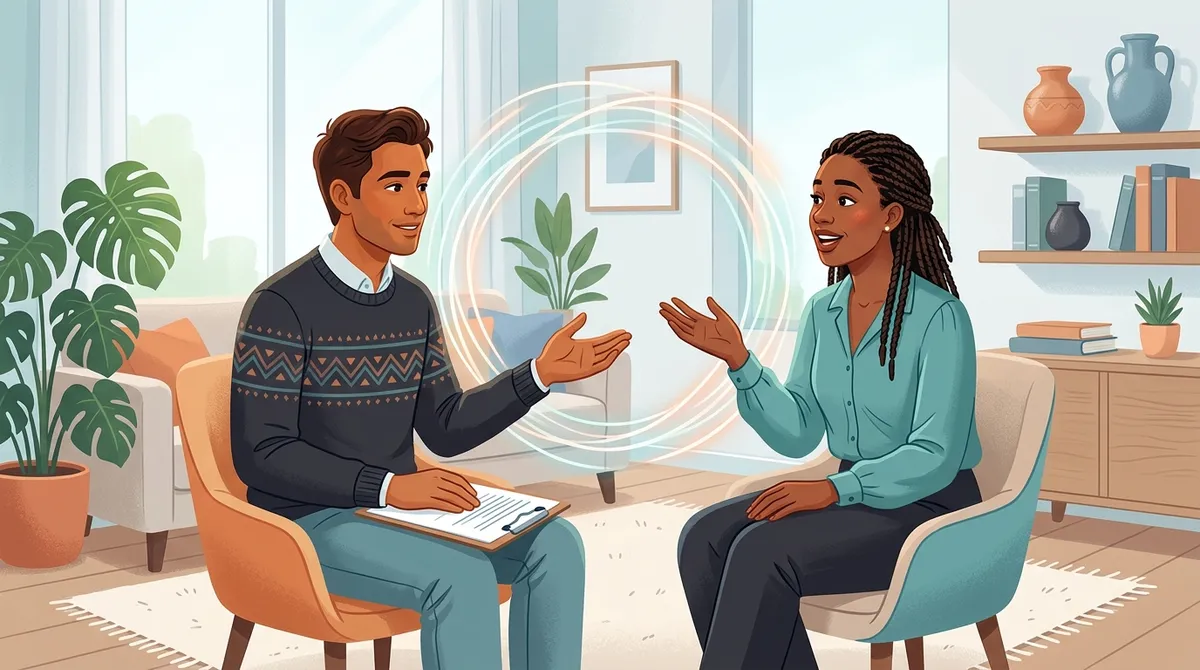
Interpersonal therapy, or IPT, is a short-term, structured type of talk therapy. It was specifically designed to treat depression by helping people improve their relationships and communication skills. The core idea is simple: when your relationships get better, your mood gets better too.
IPT typically runs for 12 to 16 weekly sessions. Your therapist helps you identify which relationship patterns are making your depression worse — and then works with you to change them. According to the International Society of Interpersonal Psychotherapy, IPT has the strongest evidence base for major depression across all age groups.
It’s important to know that IPT doesn’t try to eliminate all stress from your life. Instead, it helps you respond to stress in healthier, more effective ways. That’s a realistic and empowering goal — and one that leads to lasting change.
9 Ways Interpersonal Therapy for Depression Changes Lives
1. It Gives You a Clear Structure for Healing
One of the most comforting things about IPT is that it has a clear beginning, middle, and end. Sessions are organized and focused. You’re not just venting — you’re working toward specific goals with a trained therapist guiding the process.
This structure makes it easier to track your progress. Many people feel a sense of relief knowing there’s a plan in place. You can check out our therapy process to see how we approach structured, goal-focused care at West Florida Therapy.
2. It Focuses on Real-Life Relationships
IPT zeroes in on four key areas where relationship problems often fuel depression:
- Grief and loss — Processing the loss of a loved one
- Role transitions — Adjusting to big life changes like divorce, a new baby, or job loss
- Interpersonal disputes — Working through conflict with a partner, family member, or coworker
- Interpersonal deficits — Building social skills and connection when relationships feel lacking
By tackling these specific areas, IPT makes therapy feel relevant and personal. You’re solving problems that actually affect your daily life. If relationship conflict is part of your depression, you may also find value in relationship support services.
3. It’s as Effective as Antidepressants
Here’s something that might surprise you — IPT has been shown to work just as well as antidepressant medication for many people. Research published in Psychological Medicine found no significant long-term differences in depression outcomes between IPT and antidepressants.
Even better? When IPT is combined with medication, outcomes are often superior to either treatment alone. This means IPT gives you flexible options for healing. The CDC’s Mental Health Resources also support combining therapy with other treatments for best results.
4. It Helps Adolescents Feel Heard and Supported
Teenagers dealing with depression face unique challenges. School stress, social anxiety, and family conflict can all pile up quickly. IPT has been adapted specifically for teens — and the results are impressive.
Studies show that IPT for adolescents produces significant reductions in depression symptoms, with effects lasting through 6-month follow-ups. For teens who feel misunderstood, this therapy creates a safe space to be honest about what they’re going through. Learn more about mental health support for teens and adults here in Florida.
5. It Supports New Mothers Through Postpartum Depression
Postpartum depression is more common than many people realize. IPT has been shown to be highly effective for new moms — even through telephone delivery. One study found that telephone IPT reduced Hamilton Depression Rating Scale scores to 7.92 versus 12.30 for the control group at just 8 weeks.
That means real relief, even when getting to an office feels impossible. IPT helps new mothers process role transitions, build support networks, and reconnect with their sense of self. You don’t have to go through this alone.
6. It Builds Emotional Awareness and Communication Skills
Many people with depression struggle to express how they feel. They bottle things up, avoid difficult conversations, or don’t know how to ask for what they need. IPT directly addresses these patterns.
Through IPT, you’ll learn how to:
- Identify and name your emotions more clearly
- Communicate your needs without shutting down or lashing out
- Set healthy limits in your relationships
- Navigate conflict with more confidence and calm
These are life skills that extend far beyond the therapy room. Many clients say this part of IPT is the most transformative of all.
7. It’s Accessible for Many People and Situations
IPT isn’t a one-size-fits-all approach — it’s been adapted for a wide range of people and circumstances. That’s one of the reasons it’s so widely respected in the mental health field.
IPT has been shown to help with:
- Major depressive disorder in adults
- Depression in older adults and seniors
- Perinatal and postpartum depression
- Depression alongside medical conditions like breast cancer or Parkinson’s disease
- Bipolar disorder and eating disorders (adapted formats)
- Anxiety and PTSD with specialized modifications
If you’re wondering whether IPT might help your specific situation, explore our mood issues page for more information.
8. It Can Be Delivered Virtually — Great for All of Florida
One of the biggest barriers to getting help is simply getting there. Life is busy, and driving to an office isn’t always possible. The good news is that IPT works well in virtual formats too.
At West Florida Therapy, our telehealth therapy in Florida makes it easy to access IPT from wherever you are — whether you’re in Tampa, Orlando, Jacksonville, or anywhere else in the state. You can get real, evidence-based help without leaving your home.
The Florida Department of Children & Families also emphasizes the importance of accessible mental health care — and telehealth is a huge part of that mission.
9. It Creates Lasting Positive Change
One of the most exciting things about IPT is that the benefits don’t just stop when therapy ends. Research consistently shows that IPT produces sustained improvements in depression, social functioning, and overall quality of life.
In geriatric patients, for example, IPT significantly reduced Hamilton Rating Scale depression scores over time. These aren’t just short-term fixes — they’re real, lasting shifts in how you feel and how you relate to the people around you.
When you invest in IPT, you’re investing in a better quality of life for years to come.
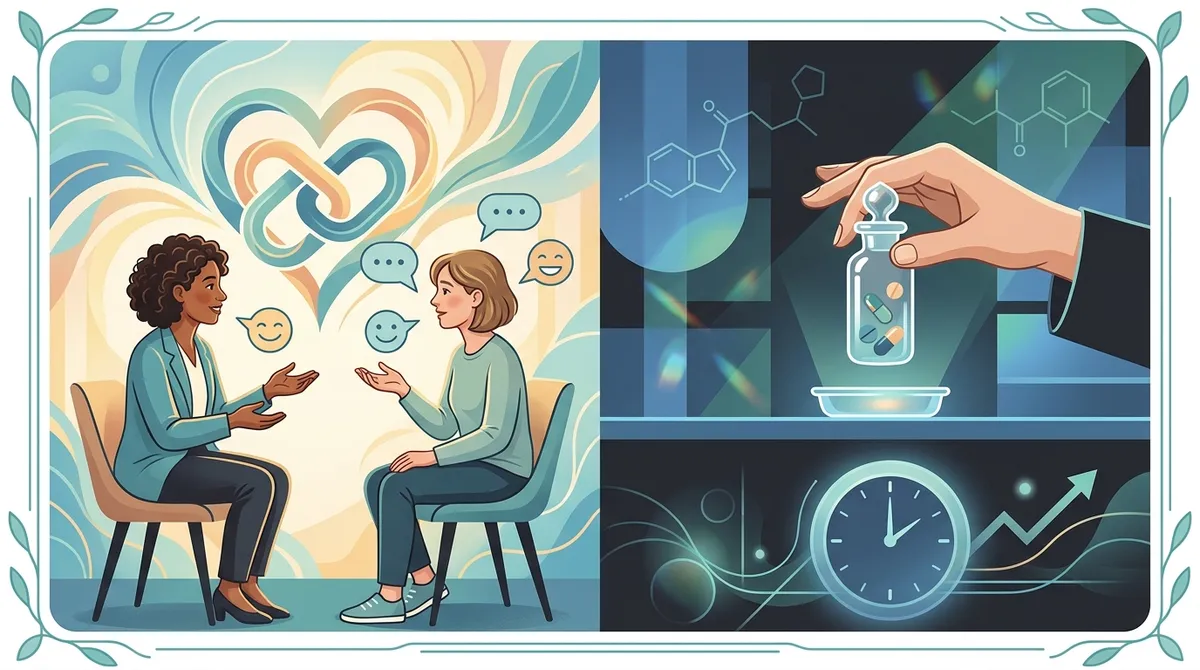
IPT vs. Antidepressants: A Simple Comparison
Many people wonder whether they need therapy, medication, or both. Here’s a simple breakdown to help you understand your options:
| Factor | IPT (Therapy) | Antidepressants | IPT + Medication |
|---|---|---|---|
| Effectiveness for Depression | High | High | Highest |
| Long-Term Benefits | Strong | Moderate | Strong |
| Builds Relationship Skills | Yes | No | Yes |
| Side Effects | None | Possible | Possible (from medication) |
| Works Without Medication | Yes | N/A | N/A |
Always talk to your doctor or therapist to decide what combination is right for you. If you’re ready to explore your options, learn more about us and how we can help.
Is IPT Right for You? Key Signs to Look For
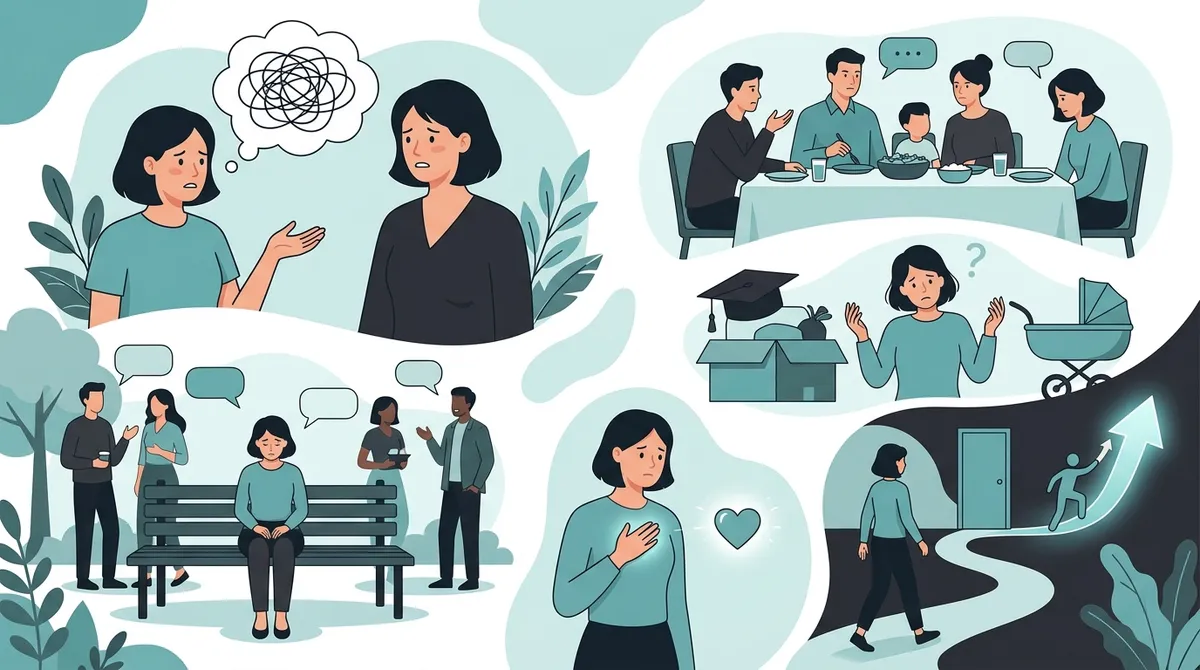
IPT might be a great fit if you recognize any of these patterns in your life:
- You feel depressed after a major life change (job loss, breakup, move, or loss of a loved one)
- Conflict in your relationships seems to drain your energy and mood
- You feel isolated or struggle to connect with others
- You have trouble expressing emotions or asking for support
- You’re a new parent dealing with mood changes or overwhelm
- You’re a teen or young adult feeling disconnected from family or peers
If any of those resonate, IPT could be the missing piece in your mental health journey. You might also find it helpful to read more about what depression is and how it affects daily life to better understand your experience.
How to Get Started with Interpersonal Therapy in Florida
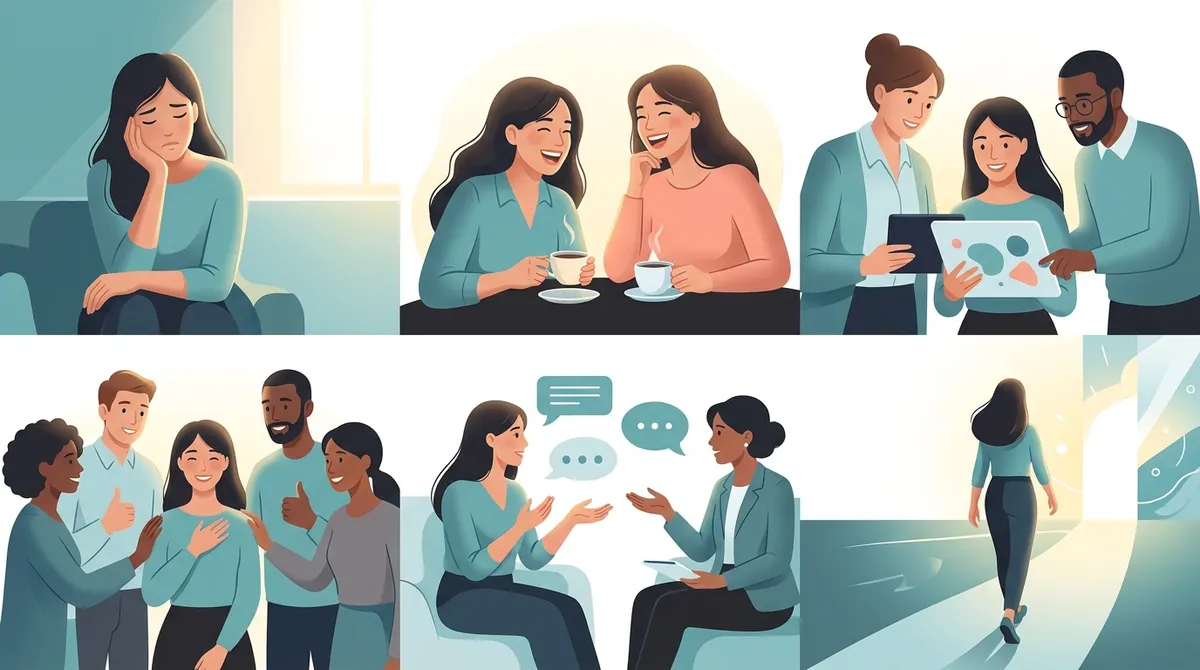
Starting therapy can feel like a big step. But it doesn’t have to be overwhelming. Here’s what the process looks like when you reach out to a therapist trained in IPT:
- Schedule a consultation: A brief phone or video call helps your therapist understand your goals and concerns.
- Build a personalized plan: Together, you create a treatment plan based on your unique challenges and what matters most to you.
- Attend weekly sessions: IPT typically involves 12 to 16 sessions focused on specific relationship and mood goals.
- Track your progress: You’ll check in regularly on how you’re feeling and adjust the plan as needed.
At West Florida Therapy, Margaret Deuerlein is a caring, licensed psychotherapist who provides both in-person therapy in Brandon, Florida, and telehealth sessions throughout Florida. She offers bilingual services in English and Spanish, making care more accessible for Spanish-speaking adults who may face language barriers. You can also visit us on Google to read reviews and learn more about what to expect.
Interested in learning more about other therapy options? Check out our resources on anxiety treatment and trauma therapy as well. The Florida Department of Health mental health resources can also point you toward additional support options in your area.
Your Path Forward Starts Here
Depression doesn’t have to define your story. Interpersonal therapy for depression is one of the most effective, human-centered approaches available — and it works by helping you reconnect with the people and life that matter most to you.
Whether you’re a teenager navigating school stress, a new mom adjusting to parenthood, or an adult facing a major life change, IPT can give you the tools and support to feel genuinely better. You deserve relationships that lift you up, not drag you down. And you deserve to feel like yourself again.
Ready to take the first step? Reach out to our team at West Florida Therapy today to schedule your free 15-minute consultation. We’re here, we’re listening, and we can’t wait to walk this path with you.
FAQs
Q: What is interpersonal therapy for depression and how does it work?
A: Interpersonal therapy (IPT) is a short-term, structured form of talk therapy designed specifically to treat depression by improving your relationships. It works by helping you identify how relationship problems — like conflict, grief, or big life changes — are connected to your mood, then teaching you healthier ways to communicate and connect. Most people complete IPT in 12 to 16 weekly sessions.
Q: Is interpersonal therapy as effective as antidepressants for depression?
A: Yes! Research shows that IPT produces similar long-term results to antidepressant medication for many people dealing with depression. Even better, combining IPT with medication often produces the best outcomes of all. Your therapist can help you figure out which approach — or combination — makes the most sense for your unique situation.
Q: Can teenagers use interpersonal therapy for depression?
A: Absolutely — IPT has been specially adapted for adolescents (called IPT-A), and the results are really encouraging. Studies show significant reductions in depression symptoms for teens, with benefits lasting up to six months after treatment ends. It’s a great option for teenagers dealing with school stress, social challenges, or family conflict.
Q: Can I do interpersonal therapy virtually or does it have to be in person?
A: Great news — IPT works really well in virtual formats too! Telehealth delivery of IPT has been proven effective, even for conditions like postpartum depression. At West Florida Therapy, we offer telehealth sessions throughout all of Florida, so you can access quality care from the comfort of your own home.
Q: What are the main limitations of interpersonal therapy for depression?
A: IPT is very effective, but it’s worth knowing it won’t eliminate all stress or difficult situations from your life — no therapy can do that! What it does is help you respond to those challenges in healthier, more confident ways. It may also not be the best fit for people with very complex trauma histories, where other approaches like EMDR or trauma-focused therapy might be more appropriate.