
Key Takeaways
-
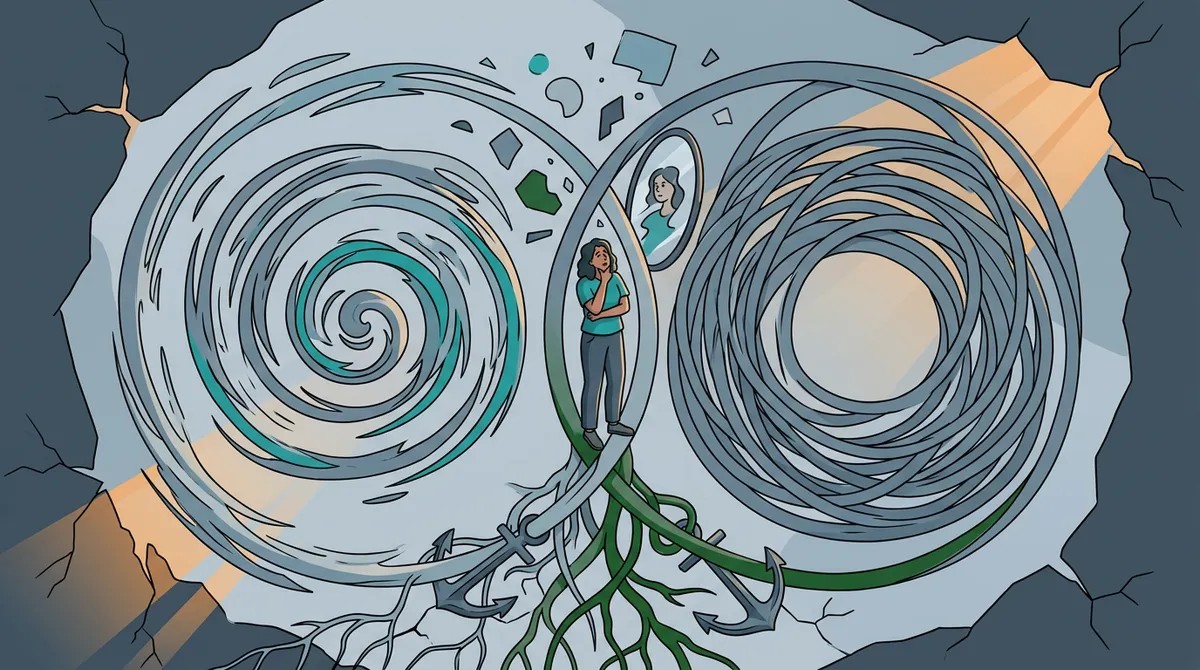
ADHD and social anxiety form a reinforcing cycle where ADHD symptoms (impulsivity, forgetfulness, missing social cues) cause awkward social moments, which create fear and anxiety that worsens ADHD focus and impulse control; treating both conditions simultaneously is essential to break this pattern.
-
Rejection Sensitive Dysphoria (RSD)—an intense emotional reaction to perceived rejection—is a major driver of social anxiety in ADHD and is a neurological response, not a character flaw; recognizing RSD as treatable helps reduce isolation and avoidance behaviors.
-
Cognitive Behavioral Therapy (CBT) combined with social skills training is the gold standard treatment; CBT reframes negative thoughts and builds practical organizational skills, while social skills training provides structured practice in reading cues and managing conversations.
-
Girls with ADHD and adolescents are especially vulnerable to worse mental health outcomes and social anxiety; teenagers face compounded social pressure that requires targeted professional support during critical developmental years.
-
Practical daily strategies like mindfulness, pre-planning conversations, journaling social experiences, and building recovery time between social events can reduce ADHD social anxiety impact while pursuing professional treatment.
-
Seek professional help if you’re regularly avoiding social situations, experiencing relationship damage, or feeling isolated; virtual therapy options and bilingual services in English and Spanish make support more accessible and less intimidating.
Have you ever felt nervous in social situations and wondered if it has something to do with your ADHD? You are not alone. Many people living with ADHD also struggle with social anxiety, and there is a real connection between the two. Understanding why these conditions overlap can be a powerful first step toward feeling better and building a fuller, more connected life.
In this article, we will walk you through the link between ADHD and social anxiety, how they affect each other, and what treatments can help. Whether you are a teenager dealing with school stress, a millennial juggling work and relationships, or a parent concerned about your child, this guide is for you. Let’s explore what is happening in the brain — and what you can do about it.
What Is the Connection Between ADHD and Social Anxiety?
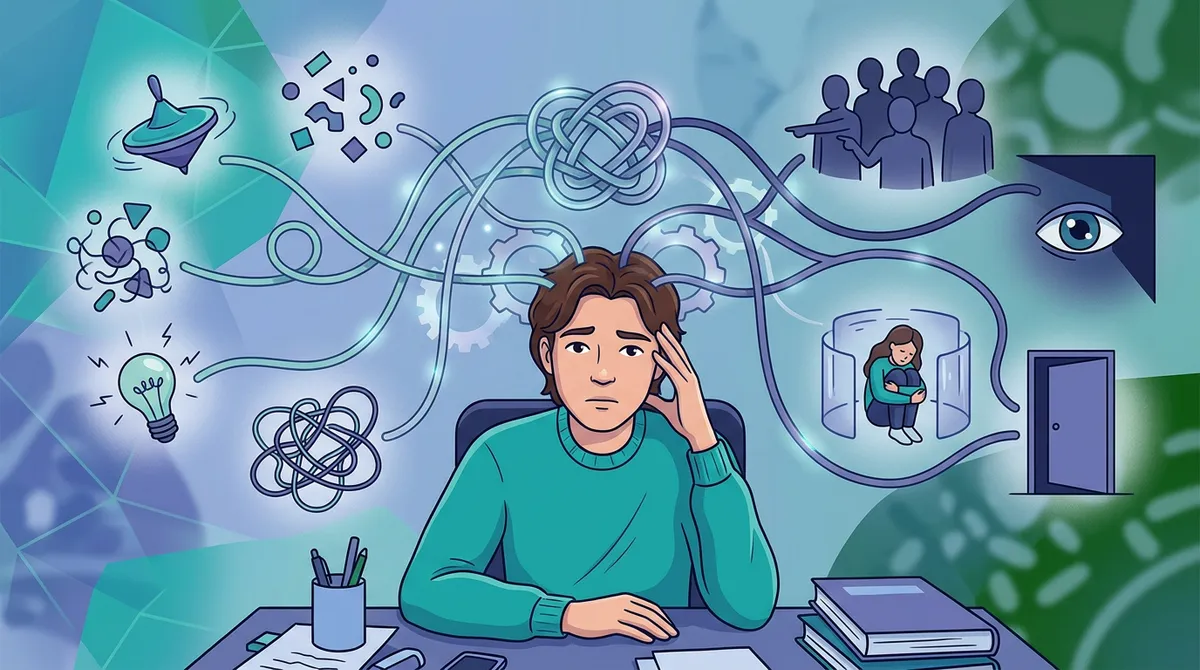
ADHD and social anxiety are two different conditions, but they show up together very often. People with ADHD have a harder time paying attention, managing impulses, and staying organized. These challenges do not just affect school or work — they affect relationships and social life too.
When someone with ADHD repeatedly interrupts conversations, forgets plans, or struggles to follow social cues, social mistakes tend to happen. Over time, those repeated experiences can create a fear of social situations. That fear becomes social anxiety. So in many cases, ADHD actually contributes to the development of social anxiety as a learned response.
For more background on understanding anxiety signs, types, and treatment options, it helps to see anxiety not as a personality flaw, but as the brain’s way of trying to protect itself from more pain.
How ADHD Symptoms Fuel Social Struggles
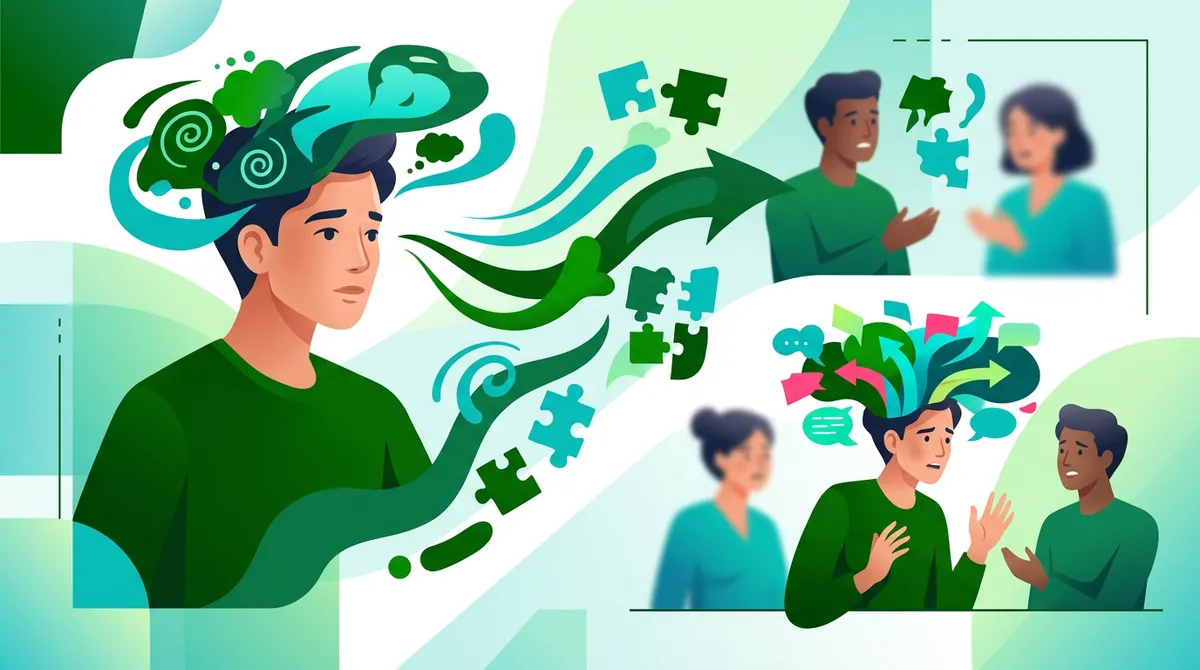
It can be hard to pinpoint exactly when ADHD stops and social anxiety begins. They blur together in daily life. Here are some common ways ADHD symptoms feed into social anxiety:
- Inattention leads to missing parts of conversations, which feels embarrassing
- Impulsivity causes blurting out comments that feel socially awkward in hindsight
- Forgetfulness means canceling plans or missing events, which damages friendships
- Difficulty reading social cues makes interactions feel confusing and unpredictable
- Low frustration tolerance can lead to emotional reactions that others misread
Each of these experiences chips away at confidence. After enough painful moments, the brain starts dreading social situations before they even happen. That is social anxiety in action. You can learn more about how anxiety treatment can help break this cycle.
What Is Rejection Sensitive Dysphoria?
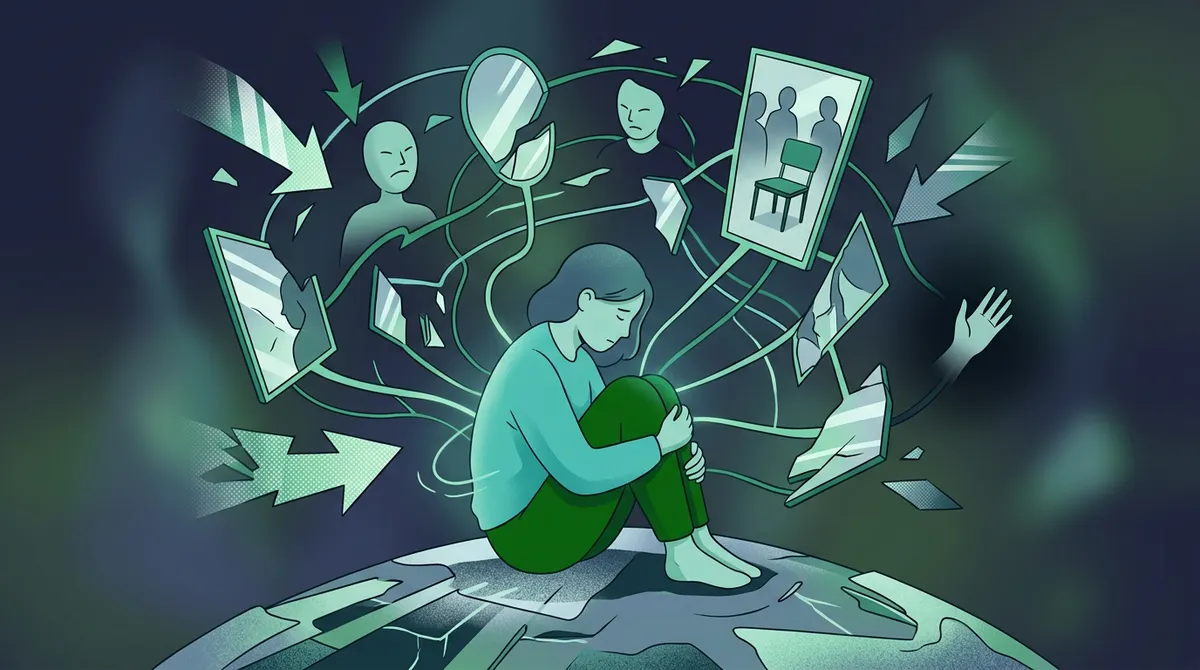
One of the biggest drivers of social anxiety in people with ADHD is something called Rejection Sensitive Dysphoria (RSD). This is an intense emotional reaction to real or imagined rejection or criticism. For people with ADHD, RSD can feel overwhelming — almost like an emotional flood.
RSD makes social situations feel like potential landmines. If there is any chance of being judged or rejected, the safest option feels like staying home and avoiding contact entirely. Over time, this isolation only deepens both the ADHD challenges and the anxiety.
It is important to know that RSD is not a character weakness. It is a neurological response. And with the right support, it is very treatable. For Florida residents, the Substance Abuse & Mental Health resources from the state can be a helpful starting point.
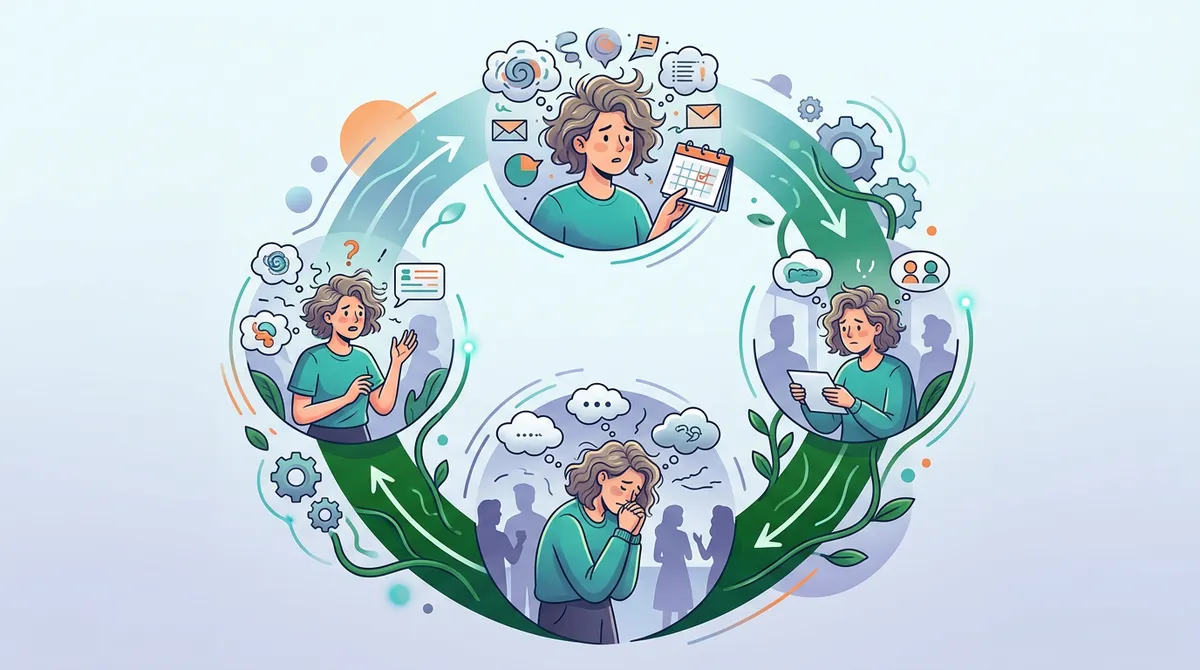
The Reinforcing Cycle of ADHD and Social Anxiety
Here is something important to understand: ADHD and social anxiety do not just coexist — they make each other worse. Research confirms that co-occurring anxiety worsens ADHD inattention and impulsivity in social settings. This creates a reinforcing cycle that can feel impossible to break on your own.
- ADHD symptoms cause social awkwardness or mistakes
- Those experiences create fear of judgment and rejection
- Social anxiety increases stress, which worsens ADHD focus and impulse control
- More ADHD symptoms cause more social struggles, deepening the anxiety
Breaking this cycle requires addressing both conditions at the same time. Treating only one often leaves the other untouched — and the cycle continues. If you recognize this pattern in yourself or someone you love, it may be time to explore professional support. Check out the mental health resources available to get started.
Who Is Most Affected?
ADHD and social anxiety can affect anyone, but some groups are especially vulnerable. Research from 2026 shows that girls with ADHD tend to have worse mental health outcomes overall, even when they face fewer academic difficulties compared to boys. This highlights how deeply these conditions affect emotional and social wellbeing, not just performance.
Adolescents are another high-risk group. The teenage years are already filled with social pressure. Add ADHD and social anxiety into the mix, and school hallways, group projects, and lunch tables can feel unbearable. If you are a parent concerned about your teen, panic attacks and social withdrawal in teenagers often signal something deeper that deserves attention.
Treatment Options That Work for Both Conditions
The good news is that both ADHD and social anxiety respond well to treatment — especially when both are addressed together. Here is a look at the most effective approaches:
Cognitive Behavioral Therapy (CBT)
CBT is the gold standard for treating both ADHD and social anxiety. It helps people identify and reframe negative thought patterns. For ADHD, CBT also builds practical skills like organization and time management. For social anxiety, it reduces avoidance behaviors and builds social confidence step by step.
Working with a skilled therapist trained in CBT can genuinely change how you relate to social situations. CBT gives you real tools — not just insight. Margaret Deuerlein at West Florida Therapy is a caring and experienced psychotherapist who helps adults and teens navigate exactly these kinds of challenges, with both in-person and virtual options available throughout Florida.
Social Skills Training
Social skills training is a behavioral intervention that directly targets the distorted self-perceptions that often come with ADHD and social anxiety. In these sessions, people practice reading social cues, managing conversations, and responding to tricky situations. The goal is to build real-world confidence through repeated, supported practice.
This kind of training works especially well for adolescents. It gives teens structured opportunities to practice what feels natural to others but takes extra effort for those with ADHD. You can explore more about relevant therapy services designed to address these needs.
Medication Options
Medication can also play a key role in managing ADHD and social anxiety. Here is a quick overview of what is commonly used:
| Medication Type | What It Targets | How It Helps |
|---|---|---|
| Stimulants (e.g., amphetamines) | Core ADHD symptoms | Improves focus and impulse control, may reduce anxiety indirectly |
| SSRIs (e.g., sertraline) | Anxiety symptoms | Reduces social anxiety and fear of rejection |
| Viloxazine XR | ADHD with comorbid anxiety | Multi-neurotransmitter action; showed strong results over 1 year of use |
| Centanafadine (in trials) | ADHD symptoms in children/adolescents | Phase 3 data shows improvement, especially at higher doses |
Medication decisions should always be made with a qualified healthcare provider. A psychiatrist or therapist can help determine the right fit for each individual. For more guidance, the CDC’s Mental Health Resources offer a helpful foundation.
What to Expect From Therapy for ADHD and Social Anxiety
Starting therapy can feel intimidating, especially when social anxiety is part of the picture. Here is a simple breakdown of what the process typically looks like:
- Initial assessment — Your therapist will learn about your symptoms, history, and goals
- Creating a treatment plan — Together, you will identify which areas to focus on first
- Weekly therapy sessions — Structured conversations and skill-building exercises
- Homework and practice — Small, manageable tasks to try between sessions
- Progress review — Adjustments are made as needed to keep things moving forward
Therapy is not a quick fix, but it is genuinely effective. Many people start to notice meaningful changes within a few months. And with a therapist who is warm, patient, and knowledgeable — like Margaret Deuerlein — the process feels much less scary.
Practical Daily Strategies for Managing ADHD Social Anxiety
While therapy and medication are important, there are also everyday strategies that can help reduce the impact of ADHD and social anxiety on your life:
- Practice mindfulness to slow down reactive impulses before speaking
- Prepare for social situations by planning a few conversation topics in advance
- Use a journal to process social experiences and identify patterns
- Build in recovery time after social events to avoid burnout
- Reach out to trusted people who understand and accept you as you are
Small, consistent habits add up over time. Every step you take toward understanding yourself better is a step in the right direction. It also helps to learn more about related challenges like mood issues and how they interact with anxiety and attention difficulties.
When to Seek Professional Help
Not everyone with ADHD and social anxiety needs the same level of support. But there are clear signs that professional help would make a real difference:
- You are avoiding social situations regularly because of fear
- Relationships are suffering due to ADHD-related misunderstandings
- Anxiety is preventing you from reaching personal or professional goals
- You feel isolated, misunderstood, or hopeless about social life
- Symptoms are getting worse rather than better over time
If any of these ring true, please know that reaching out for support is a sign of strength, not weakness. The Mental Health Links from Florida Health can help connect you with local resources. And if you are curious about what working with a caring therapist feels like, you are welcome to visit us on Google to read reviews from real clients who have taken that first brave step.
It is also worth knowing that therapy is available in both English and Spanish. For Spanish-speaking adults in Florida who have faced language barriers in mental health care, bilingual services make all the difference. You deserve support in the language where you feel most comfortable.
Conclusion: You Do Not Have to Navigate This Alone
ADHD and social anxiety are a tough combination. But they are also very treatable. Understanding the connection between the two is the foundation for real change. With the right therapy, strategies, and support, it is absolutely possible to enjoy social life again — or maybe for the first time.
Whether you are in Tampa, across Florida, or anywhere in between, help is closer than you think. Virtual sessions make it easy to get started from wherever you are most comfortable. Even a refreshing swim in a beautifully maintained pool — like those crafted by Panther Pools — can be a great way to decompress after a therapy session and practice social ease in a low-stakes environment.
You deserve to feel confident, connected, and calm. If you are ready to take the next step, we invite you to reach out to our team today and schedule your first session with Margaret Deuerlein at West Florida Therapy. You have got this — and we are here to help.
FAQs
Q: Can ADHD actually cause social anxiety?
A: Yes, it really can! When ADHD symptoms like impulsivity or forgetfulness repeatedly lead to awkward social moments, the brain starts to dread those situations — and that dread becomes social anxiety over time. The good news is that treating both conditions together can break that cycle effectively.
Q: What is the best therapy for ADHD and social anxiety together?
A: Cognitive Behavioral Therapy (CBT) is considered the gold standard for treating both ADHD and social anxiety at the same time. It helps you reframe anxious thoughts, build practical skills, and reduce avoidance. A therapist like Margaret Deuerlein at West Florida Therapy can tailor CBT to fit your unique needs.
Q: What is rejection sensitive dysphoria and how does it relate to social anxiety?
A: Rejection Sensitive Dysphoria (RSD) is an intense emotional reaction to perceived rejection or criticism that is common in people with ADHD. It can make social situations feel terrifying, which deepens social anxiety and leads to isolation. The encouraging news is that RSD is a neurological response — not a character flaw — and it responds well to therapy.
Q: Are there new medications in 2026 that treat ADHD and social anxiety together?
A: Yes! Viloxazine XR has shown strong results for ADHD with comorbid anxiety, thanks to its effects on multiple neurotransmitters. Centanafadine is also showing promise in Phase 3 trials for children and adolescents. Always talk with a qualified healthcare provider to find the right medication approach for your situation.
Q: Is virtual therapy available for ADHD and social anxiety in Florida?
A: Absolutely — and it is a great option, especially if social anxiety makes in-person appointments feel overwhelming at first! West Florida Therapy offers virtual sessions for all Florida residents, so you can get the support you need from the comfort of your own home. Bilingual services in English and Spanish are also available.