
Key Takeaways
-
Going through trauma does not automatically mean you have PTSD; only a qualified professional can diagnose it, but you do not need a diagnosis to deserve support.
-
Verify that any therapist holds a Florida license and has specific trauma training, such as EMDR or TF-CBT, before booking.
-
Use a free consultation, often 15 minutes, to ask about experience, approach, fees, insurance, wait times, and privacy, and notice whether you feel heard and safe.
-
Choose between in-person and telehealth sessions based on comfort and schedule, and look for bilingual options if you prefer English or Spanish.
-
Trauma therapy approaches vary, including TF-CBT, EMDR, cognitive processing therapy, DBT skills, and somatic practices, so ask which is recommended and why.
-
Confirm insurance benefits, copays, and deductibles directly with your insurer, and ask about fees early to avoid surprises; healing takes time and is rarely a straight line.
Reaching out for help after something painful is one of the bravest things you can do. Maybe you keep replaying a hard memory. Maybe you jump at small sounds, struggle to sleep, or feel numb around people you love. If that sounds familiar, you are not broken, and you are far from alone. Searching for trauma therapy in Brandon, Florida is a real step toward feeling like yourself again.
The hard part is often knowing where to start. There are many therapists, many methods, and lots of unfamiliar terms. This friendly guide walks you through the process one step at a time. You will learn what trauma therapy is, which approaches are available, how to check a therapist’s credentials, and which questions to ask before your first visit. Whether you are an adult, a teen, a parent, or part of a couple, you can find care that feels safe and right for you.
What Is Trauma Therapy and Who Is It For?
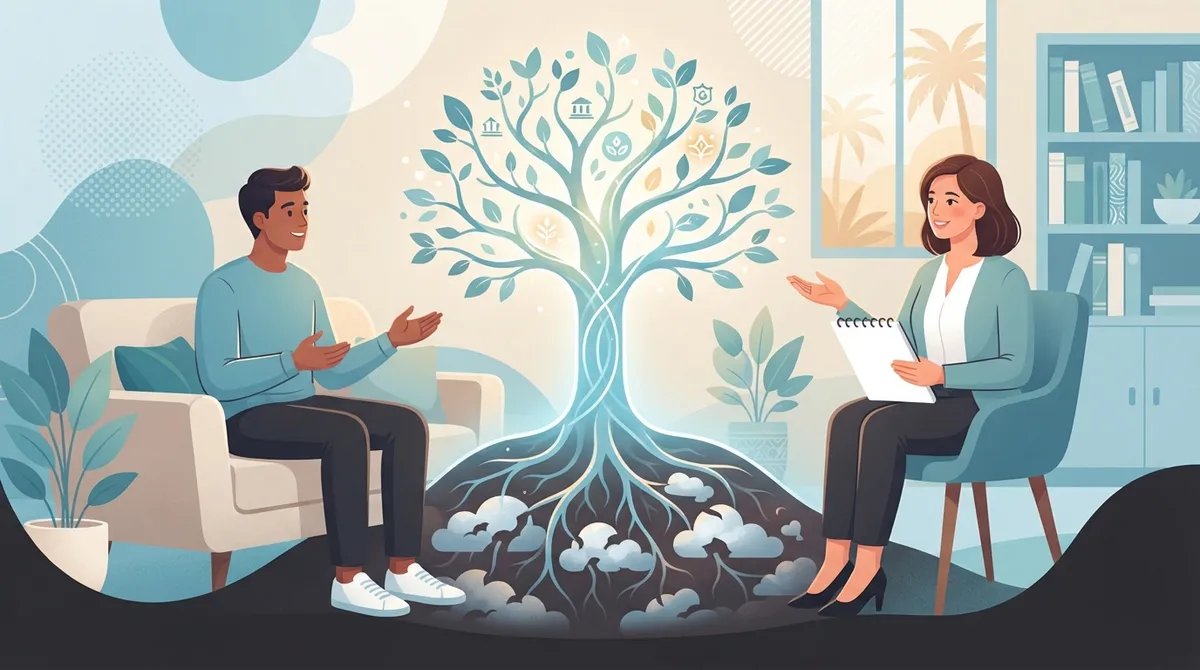
Trauma therapy is a type of counseling that helps people heal from overwhelming or frightening experiences. These can include childhood hardship, violence, accidents, sudden loss, or other events that left a lasting mark. A trained therapist helps you process what happened in a safe, steady way.
Here is something important to know. Going through trauma does not automatically mean you have PTSD. Only a qualified professional can diagnose it after a careful assessment. Still, you do not need a diagnosis to deserve support. If the past is getting in the way of your present, therapy can help.
The National Institute of Mental Health reports that an estimated 3.6% of U.S. adults had PTSD in the past year, and about 6.8% will experience it in their lifetime. Past-year rates were 5.2% among women and 1.8% among men. These are national numbers, not Brandon-specific ones, but they show how common this struggle is.
Trauma therapy can be a good fit for many people, including:
- Adults carrying old wounds from childhood or past relationships
- Teens dealing with scary events, bullying, or family stress
- Women who feel overwhelmed, anxious, or on edge after hard experiences
- Couples whose past pain shows up in their relationship
- Spanish-speaking adults who want to heal in their own language
- Young adults facing isolation, panic, or flashbacks
How to Find Trauma Therapy in Brandon, Florida: Step by Step
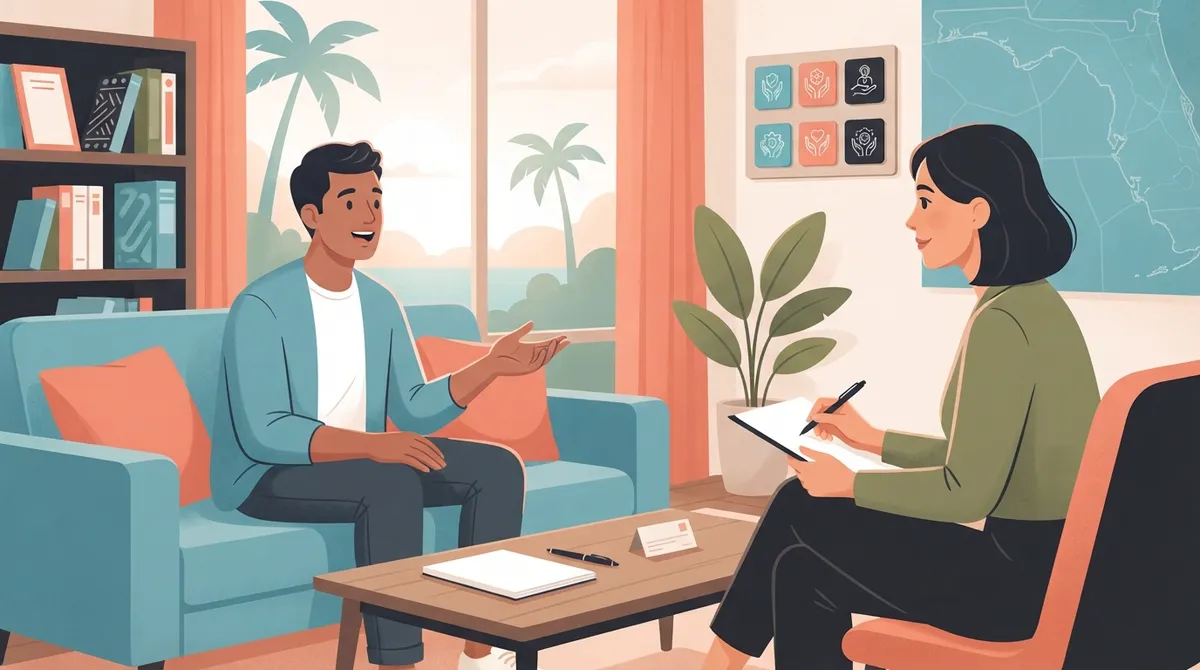
Finding the right therapist does not have to feel like a maze. Here is a simple path you can follow at your own pace.
- Name what you want help with. Jot down what you are noticing, such as nightmares, panic, anger, or feeling disconnected. You do not need perfect words. Just a few notes will do.
- Decide what format works for you. Some people feel safest in a quiet office. Others prefer therapy from home. Brandon has in-person options, and many providers also offer telehealth.
- Search local listings and practice websites. Directories and provider sites can help you build a short list. Keep in mind that availability, insurance, and credentials can change, so always confirm details directly.
- Verify the therapist’s license. In Florida, check that the clinician holds the proper license and has real training in trauma care.
- Ask about fit and approach. Use the question list later in this article to see if the therapist feels like a good match.
- Book a first conversation. Many practices, including West Florida Therapy, offer a free 15-minute consultation so you can ask questions before committing.
Types of Trauma Therapy You May Find in Brandon
Local providers describe a range of methods. No single approach is best for everyone. A good clinician recommends a method based on your needs, age, preferences, and a clinical assessment. Here is a quick look at common options.
| Approach | What It Is | Often Helpful For |
|---|---|---|
| Trauma-Focused CBT (TF-CBT) | A structured therapy that helps you change painful thought patterns tied to trauma | Children, teens, and adults |
| EMDR | A guided therapy that helps the brain reprocess distressing memories | Trauma-related symptoms, PTSD |
| Cognitive Processing Therapy | A talk therapy that examines how trauma changed your beliefs about yourself and the world | PTSD and related distress |
| DBT Skills | Practical tools for handling intense emotions and stress | Strong emotional reactions, relationship strain |
| Mindfulness and Somatic Approaches | Body-based and calming practices that ease tension and stress | Feeling on edge, stuck in the body |
A Closer Look at EMDR
EMDR stands for Eye Movement Desensitization and Reprocessing. It is a structured therapy used for trauma-related symptoms. Your therapist guides you through steps that help the brain process painful memories so they feel less sharp over time. If you are curious, you can read more about how EMDR treatment works.
When considering EMDR, ask whether the clinician is EMDR-trained or certified. Also ask how they prepare you before the heavy work begins. Good preparation helps you feel steady and in control.
Other Helpful Approaches
If you want to learn more about structured talk therapy, take a look at this guide on how cognitive processing therapy helps in Brandon. For those who feel trauma in the body, somatic therapy offers another gentle path.
How to Check a Trauma Therapist’s Credentials
Trust matters a lot when you are sharing something painful. Before you book, take a few minutes to confirm the basics. Here is a friendly checklist.
- Florida licensure: Confirm the therapist is licensed to practice in Florida.
- Trauma training: Ask what specific training they have in trauma, such as EMDR or TF-CBT.
- Experience: Ask how long they have worked with people who share your concern.
- Specialty fit: If you are a teen, a couple, or a Spanish speaker, check that they work with your group.
At West Florida Therapy, Margaret Deuerlein is a caring psychotherapist who helps clients work through trauma, anxiety, and the patterns that come with them. You can also learn more about what a psychotherapist does if you are new to therapy.
Questions to Ask Before Your First Session
It is completely okay to interview a therapist. In fact, good therapists welcome it. Here are some questions worth asking.
- What is your experience with the concern I am facing?
- Which treatment approach do you recommend, and why?
- Do you offer in-person sessions, telehealth, or both?
- What are your fees, and do you accept my insurance?
- How long is the wait for a first appointment?
- How do you protect my privacy and confidentiality?
- How will we check in on my progress?
Write your answers down. Notice how you feel during the conversation. Do you feel heard? Do you feel safe? That gut feeling is valuable information.
In-Person vs. Telehealth Trauma Therapy
Both formats can work well. The best choice depends on your comfort, schedule, and needs.
| Factor | In-Person | Telehealth |
|---|---|---|
| Setting | A calm, private office | Your own space at home |
| Convenience | Requires travel time | No commute needed |
| Best for | People who want a dedicated, separate space | Busy schedules, or those who feel safer at home |
| Availability | Local to Brandon | Available across Florida |
West Florida Therapy offers in-person visits in Brandon and telehealth therapy across Florida. You can read more about in-person therapy in Brandon to see if that setting feels right. Bilingual services in English and Spanish are also available, so you can heal in the language that feels most natural.
Paying for Trauma Therapy in Florida
Cost is a real worry for many people, and it should not stop you from asking. Practices handle payment in different ways, so confirm the details directly.
- Insurance: Many practices work with major plans. Call your insurance company to check your mental health benefits, copays, and deductible.
- Out-of-pocket: Some people pay directly for added privacy and flexibility. HSA and FSA accounts may be accepted.
- Ask early: Bring up fees during your first call so there are no surprises.
You can review the payment options available at West Florida Therapy to see what might work for you.
Local Support Beyond Private Therapy
Therapy is one piece of healing, and sometimes you need extra help. Community resources can fill important gaps. For example, the Crisis Center of Tampa Bay’s Corbett Trauma Center is listed in Brandon as a trauma counseling and victim advocacy resource. Because hours, eligibility, and services can change, call ahead to confirm before you go.
State and national resources can also guide you. The Florida Department of Health shares mental health links, and the Florida Department of Children and Families explains substance abuse and mental health services. The CDC also offers helpful mental health resources. If you are ever in immediate danger or thinking about harming yourself, call 988 or 911 right away.
What to Expect From Your Trauma Therapy Journey
Starting therapy can feel scary. Knowing the steps can make it much easier. Here is how the process typically unfolds at West Florida Therapy. You can see the full process on the website.
- A brief conversation. You start with a free 15-minute phone consultation. You share your concerns and goals, and you ask your questions.
- A personalized plan. Together, you and your therapist build a plan based on your story and what you want to change.
- Steady support. You meet weekly or every other week, in person or by telehealth. Each session builds on the last.
- Check-ins along the way. Your therapist reviews your progress, celebrates your wins, and adjusts the plan when needed.
Healing is rarely a straight line. Some days feel lighter, and some feel heavy. That is normal, and a good therapist will meet you wherever you are.
Common Mistakes to Avoid When Starting Trauma Therapy
A little preparation can save you stress and help you get more from therapy. Watch out for these common missteps.
- Waiting until things feel unbearable. You do not need to hit a breaking point to ask for help.
- Picking a therapist only on price or convenience. Fit and training matter just as much.
- Expecting instant results. Trauma work takes time and patience.
- Skipping the credential check. Always verify licensure and trauma training.
- Giving up after one awkward session. If the fit is off, try another therapist rather than quitting therapy.
If you want to dig deeper, this article on trauma therapy mistakes to avoid in Brandon, FL is a helpful read. You may also like learning how to recognize and heal from psychological trauma.
Take the Next Gentle Step Toward Healing
You have already done something meaningful by learning about trauma therapy in Brandon, Florida. Healing is possible, and you do not have to do it alone. Start small. Make a short list, check credentials, ask your questions, and trust how you feel in that first conversation.
If you are ready to talk, we would love to hear from you. Contact West Florida Therapy to schedule your free 15-minute consultation. You can also visit us on Google — West Florida Therapy to see our Brandon location and learn more. Whether you choose in-person care in Brandon or telehealth anywhere in Florida, in English or Spanish, support is waiting for you.
FAQs
Q: How do I find a trauma therapist in Brandon, Florida?
A: Start by deciding whether you want in-person or telehealth sessions, then search local directories and practice websites to build a short list. Verify each therapist’s Florida license and trauma training, and book a free consultation to see if you feel comfortable. Details like availability and insurance can change, so always confirm them directly.
Q: Can I get trauma therapy online if I live in Brandon?
A: Yes, you can! Many Brandon providers offer telehealth, so you can meet from the comfort of your home. West Florida Therapy offers telehealth across Florida, along with in-person visits in Brandon, so you can choose what feels safest.
Q: How do I know if I have PTSD or just need trauma therapy?
A: Having a painful experience does not always mean you have PTSD, and only a qualified professional can diagnose it. The good news is you do not need a diagnosis to get support. If past events are affecting your sleep, mood, or relationships, therapy can help.
Q: What should I ask a trauma therapist before booking?
A: Ask about their Florida license, trauma training, and experience with your concern. It also helps to ask about their approach, session format, fees, insurance, wait times, and how they protect your privacy. A caring therapist will welcome these questions.
Q: Does insurance cover trauma therapy in Florida?
A: Many insurance plans cover mental health care, but coverage varies by plan. Call your insurance company to ask about your benefits, copay, and deductible, and confirm whether the practice is in-network. Some people also choose to pay out-of-pocket for added privacy and flexibility.