
Key Takeaways
-
CPT is a structured, evidence-based therapy that helps trauma survivors identify and challenge harmful beliefs (stuck points) formed after traumatic events, typically completed in 12 weekly sessions over 3 months.
-
CPT is specifically designed for PTSD and trauma-related symptoms and has been extensively researched and recommended by the U.S. Department of Veterans Affairs as one of the most effective trauma treatments available.
-
Brandon residents can access CPT through multiple delivery options including in-person sessions, telehealth, bilingual English-Spanish services, and flexible payment plans accepted by major insurance providers.
-
CPT differs from general CBT by focusing narrowly on five trauma-related themes—safety, trust, power/control, esteem, and intimacy—rather than broad thought and behavior patterns.
-
You may benefit from CPT if you experience flashbacks, avoidance, hypervigilance, persistent guilt, trust issues, emotional numbness, or sleep problems related to trauma from accidents, abuse, combat, or loss.
-
Self-care practices between sessions—including grounding techniques, journaling to track stuck points, prioritizing sleep, and leaning on trusted support—significantly enhance the healing process alongside therapy.
If trauma has been holding you hostage, you already know how exhausting it feels. Maybe you’re jumpy at loud noises, stuck replaying painful memories, or feeling numb when you want to feel joy again. Here’s the good news: you’re not stuck this way forever. Cognitive Processing Therapy in Brandon offers a clear, structured path out of the fog of trauma and PTSD, and it has helped countless people just like you get their lives back.
This article will walk you through exactly what Cognitive Processing Therapy (CPT) is, how it works, what to expect session by session, and how to find compassionate, bilingual care right here in Brandon, Florida. Whether you’re a busy parent, a stressed-out young professional, or a teenager struggling with anxiety after a hard experience, this guide is for you. Let’s dig in together.
What Is Cognitive Processing Therapy?
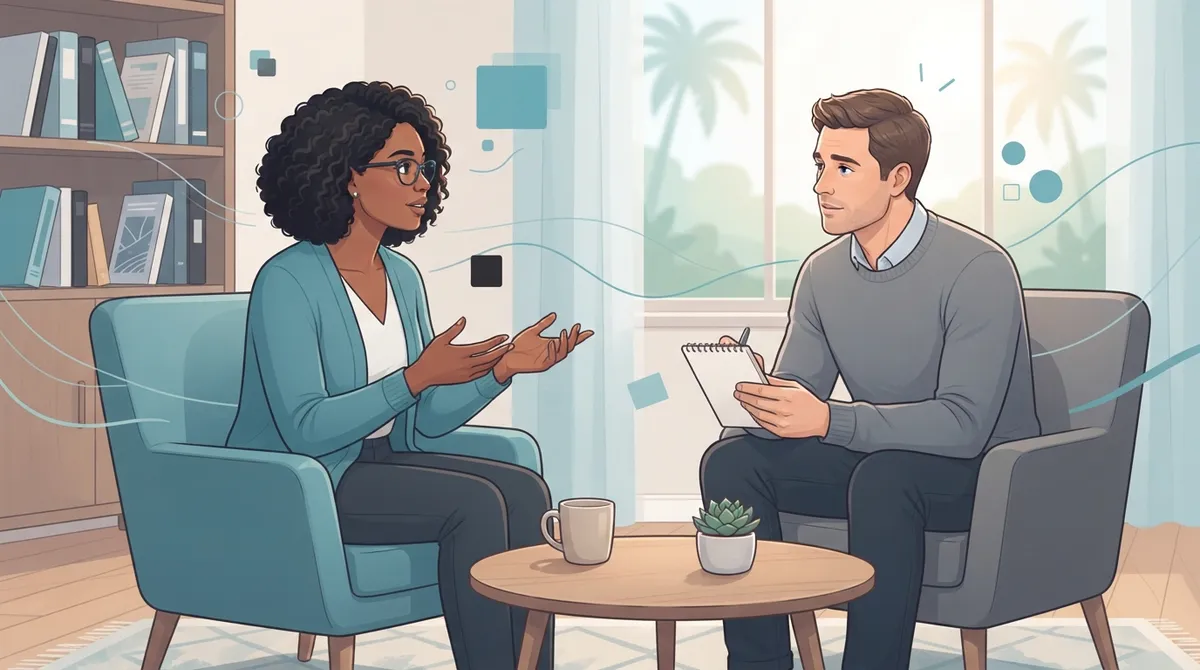
Cognitive Processing Therapy, or CPT, is a specific type of talk therapy built to treat PTSD and trauma-related symptoms. It’s a form of cognitive behavioral therapy, but it’s more focused. Instead of covering many topics, CPT zeroes in on how trauma has changed your thoughts and beliefs.
The idea behind CPT is simple. When something terrible happens, our brains try to make sense of it. Sometimes we get stuck with beliefs that aren’t true or helpful, like “I can’t trust anyone” or “It was my fault.” CPT calls these stuck points. Your therapist helps you notice them, question them, and slowly replace them with more balanced, realistic thoughts.
According to the U.S. Department of Veterans Affairs, CPT is one of the most well-researched and recommended treatments for PTSD available today. It’s used with veterans, survivors of abuse, car accident survivors, and anyone whose nervous system got overwhelmed by a scary or painful event.

Why Cognitive Processing Therapy in Brandon Matters Right Now
Brandon has grown fast, and so has the need for accessible, quality mental health care. Life here moves quickly between commutes, family responsibilities, and the everyday stress of simply getting by. When trauma gets added to that mix, it can feel like too much to carry alone.
Local therapist directories show that CPT is increasingly available in the Brandon area, which is wonderful news. It means residents no longer have to drive far or wait months for trauma-focused care. Providers here understand the local community, and many also offer telehealth therapy so you can get support from home if that feels safer for you right now.
At West Florida Therapy, we’re proud to offer this evidence-based approach to residents throughout Brandon and the surrounding Florida communities. Margaret Deuerlein, a caring and experienced psychotherapist, understands how trauma shows up differently for everyone. She works gently but effectively to help clients move from survival mode into real healing. You can learn more about her approach on the About Margaret Deuerlein page.
How Does CPT Actually Work?
CPT isn’t about reliving your trauma over and over. It’s about examining the beliefs trauma left behind and gently challenging them. Here’s how the process generally unfolds.
Step-by-Step: What Happens in CPT Sessions
- Education about PTSD: Your therapist explains how trauma affects the brain and why you’re feeling the way you feel. This alone brings relief to many clients, because it shows them they aren’t broken.
- Identifying stuck points: You’ll start noticing unhelpful beliefs tied to the trauma, like blaming yourself or believing the world is never safe.
- Learning to challenge thoughts: Using simple worksheets, you practice questioning these beliefs. Is this thought completely true? Is there another way to see it?
- Writing about the trauma (optional): Some CPT programs include a written account of the traumatic event to help process emotions tied to it.
- Practicing new skills: You’ll work on five key themes: safety, trust, power/control, esteem, and intimacy. Trauma often distorts beliefs in these areas.
- Wrapping up and looking forward: In the final sessions, you and your therapist review your progress and create a plan for continuing to use these skills.
Standard CPT is usually delivered over about 12 weekly sessions, spanning roughly three months. Individual sessions typically last 60 minutes, while group sessions run about 90 minutes. This structure gives you a clear beginning, middle, and end, which many clients find comforting compared to open-ended therapy.
Who Benefits Most From Cognitive Processing Therapy?
CPT was designed for PTSD, but it helps with a wide range of trauma-related struggles. You might be a good candidate for CPT if you’re dealing with any of the following:
- Flashbacks or intrusive memories of a traumatic event
- Avoiding places, people, or situations that remind you of trauma
- Feeling constantly on edge, jumpy, or unable to relax
- Persistent guilt, shame, or self-blame related to the event
- Trouble trusting others or feeling safe in relationships
- Numbness or disconnection from your own emotions
- Sleep problems tied to nightmares or racing thoughts
CPT works well for survivors of car accidents, combat, sexual assault, childhood abuse, natural disasters, and sudden loss. If you’re unsure whether your experience “counts” as trauma, that’s a common worry, and it’s okay to bring that question to a session. Our trauma therapy team can help you figure out the right next step.
CPT vs. Other Common Therapy Approaches
People often ask how CPT compares to other therapies they’ve heard of. Here’s a simple breakdown to help clear up the confusion.
| Therapy Type | Main Focus | Typical Length | Best For |
|---|---|---|---|
| Cognitive Processing Therapy (CPT) | Challenging trauma-related beliefs (stuck points) | ~12 sessions | PTSD, trauma survivors |
| General CBT | Broad thought and behavior patterns | Varies, often longer | Anxiety, depression, general stress |
| EMDR | Processing trauma through guided eye movements | Varies, often 6-12 sessions | PTSD, single-event trauma |
| Talk Therapy (General) | Open exploration of feelings and life issues | Open-ended | General emotional support |
If you want to explore another trauma-focused option, our EMDR treatment page explains how that approach compares. Both CPT and EMDR are highly respected, evidence-based choices, and a good therapist can help you decide which fits your story best.
What Does CPT Cost in Brandon?
Cost is a real concern, and we get that. Therapy is an investment in your future, but it should still feel manageable. Local Brandon-area practices generally list individual therapy sessions in the range of $120 to $150, with couples or family sessions running a bit higher, often around $160.
Here are a few ways to make CPT more affordable:
- Check if your insurance plan covers trauma-focused therapy sessions
- Ask about sliding scale fees if you’re paying out of pocket
- Consider telehealth sessions, which can sometimes reduce costs and travel time
- Look into whether your employer offers an Employee Assistance Program (EAP)
West Florida Therapy accepts several major insurance providers, including Aetna, Cigna, Florida Blue, Optum, Oscar, and United Health Care. We also offer flexible payment options for clients who prefer to pay out of pocket for added privacy.
Can CPT Be Done Through Telehealth?
Yes, and this is wonderful news for busy Brandon residents. Many trauma survivors find it easier to open up from the comfort of their own home. Telehealth CPT follows the same structure as in-person sessions, just delivered through a secure video platform.
This flexibility matters for a lot of people, including:
- Parents who can’t easily arrange childcare for appointments
- Young professionals with unpredictable work schedules
- People living in more rural parts of the Brandon area
- Anyone who feels safer opening up from a familiar space
Our in-person therapy in Brandon, Florida option is always available too, so you can choose whatever feels right for you, or even switch between the two as your needs change.
Bilingual Trauma Care for Brandon’s Spanish-Speaking Community
Trauma doesn’t care what language you speak, but healing works best when you can express yourself fully in your first language. Many Spanish-speaking adults in Florida have faced real barriers finding a therapist who truly understands them, not just linguistically, but culturally too.
At West Florida Therapy, bilingual English and Spanish services are available for both individual and couples therapy. This means you don’t have to translate your pain into a second language before someone can help you carry it. You deserve care that meets you exactly where you are.
Supporting Teens and Families Through Trauma
Trauma doesn’t only affect adults. Teenagers dealing with bullying, family conflict, accidents, or loss can also develop PTSD symptoms. CPT can be adapted for adolescents, though it’s always tailored to their developmental stage and comfort level.
If you’re a parent noticing your teen has become withdrawn, anxious, or easily triggered, it’s worth having a conversation with a professional. Our virtual therapy for adolescents in Brandon, FL page shares more about how we support younger clients in a way that feels safe and age-appropriate.
5 Signs It Might Be Time to Try CPT
- You avoid certain places, people, or conversations because they trigger painful memories.
- You feel stuck blaming yourself for something that wasn’t fully in your control.
- Your relationships are suffering because trust feels impossible.
- You’ve tried general talk therapy but still feel weighed down by the same trauma.
- You’re ready for a structured plan, not just open-ended conversation.
If even one of these sounds familiar, it might be worth reaching out. Healing is possible, and you don’t have to figure out every detail before you start. That’s what your therapist is there for.
What Makes a Good CPT Therapist
Not every therapist is trained in CPT specifically, so it’s worth asking a few questions before you commit. Here’s a helpful checklist:
- Are you certified or specifically trained in Cognitive Processing Therapy?
- How many sessions do you typically recommend for PTSD treatment?
- Do you offer both in-person and telehealth options?
- Are bilingual services available if needed?
- What happens if I need to pause or extend treatment?
A good therapist will welcome these questions warmly. At West Florida Therapy, we believe informed clients make the best progress, and we’re always happy to explain our approach before you commit to anything.
Taking Care of Yourself Beyond Therapy Sessions
Trauma recovery isn’t only about the 60 minutes you spend with a therapist each week. What you do in between sessions matters too. Here are a few gentle habits that support the healing process:
- Practice grounding techniques when flashbacks or anxiety spike
- Keep a simple journal to track patterns in your stuck points
- Prioritize consistent sleep, even when nightmares make it hard
- Lean on trusted friends or family for support, when you’re ready
- Be patient with yourself. Healing isn’t a straight line
For more general guidance on protecting your mental wellbeing, the CDC’s mental health resources offer helpful, easy-to-understand tips. The state also provides support through the Florida Department of Health’s mental health links and the Florida Department of Children and Families’ substance abuse and mental health programs, both of which connect Florida residents to statewide resources.
Real Stories, Real Hope
Every client’s trauma story is different, but the relief that comes with finally understanding your own mind is universal. Many clients describe CPT as the first time they felt truly “unstuck.” One stuck point at a time, they start trusting again, sleeping better, and reconnecting with people they love.
You can read more about how structured trauma treatment transforms lives in our related article, 11 Ways Brandon Cognitive Processing Therapy Transforms PTSD Recovery in 2026. It dives even deeper into the personal impact this treatment can have.
Your Next Step Toward Healing
You’ve made it this far in the article, which tells us something: you’re ready for change, even if it feels scary. Cognitive Processing Therapy in Brandon offers a clear, proven path forward, whether you’ve been struggling for months or for years.
You don’t have to have all the answers today. You just have to take one small step. Margaret Deuerlein and the team at West Florida Therapy are here to walk beside you with warmth, patience, and real expertise in trauma recovery. If you’re ready to start, we’d love to hear from you. Reach out to our team today to schedule your free 15-minute consultation and take the first step toward feeling like yourself again.
Curious what other clients say about their experience? Feel free to visit us on Google — West Florida Therapy to read reviews from real people who found healing right here in Brandon.
FAQs
Q: What is Cognitive Processing Therapy used for?
A: CPT is mainly used to treat PTSD and trauma-related symptoms. It helps you identify and challenge unhelpful beliefs, called stuck points, that formed after a traumatic experience. Many clients find it brings real relief within just a few weeks.
Q: How many sessions does CPT typically take?
A: Standard CPT usually runs about 12 weekly sessions, spanning roughly three months. Individual sessions typically last 60 minutes, giving you a clear, structured path from start to finish. Some clients need a bit more time, and that’s completely okay too.
Q: Is Cognitive Processing Therapy available in Brandon, Florida?
A: Yes, several local providers, including West Florida Therapy, offer CPT to Brandon residents both in-person and through telehealth. This makes it easier than ever to access trauma-focused care close to home.
Q: What is the difference between CPT and general CBT?
A: CPT is actually a specialized form of CBT built specifically for trauma and PTSD. While general CBT covers broader thought patterns, CPT focuses tightly on trauma-related beliefs around safety, trust, power, esteem, and intimacy.
Q: Can I do Cognitive Processing Therapy through telehealth?
A: Absolutely! CPT works well through secure video sessions, and many clients actually prefer the comfort of doing trauma work from home. West Florida Therapy offers telehealth throughout Florida, so distance never has to be a barrier to healing.