

Key Takeaways
-
Depression alters brain chemicals that control hunger and motivation, causing unintended weight loss as cooking and eating feel like too much effort. This happens without dietary changes and differs from intentional, healthy weight loss.
-
Sudden, unexplained weight loss paired with low mood, withdrawal from activities, fatigue, or feelings of hopelessness is a warning sign requiring professional support, not something to manage alone.
-
Research shows structured, supportive weight-management programs improve depression symptoms, but harmful methods like severe restriction or diet pill misuse actually increase depression risk—professional guidance matters.
-
Different antidepressants affect appetite and weight differently for each person; discuss any appetite or weight changes with your doctor or therapist rather than pushing through without medical guidance.
-
Comprehensive mental health care addresses depression and eating patterns together through cognitive behavioral techniques, emotional root causes, and coordination with medical providers for better outcomes.
-
Contact 988 (Suicide and Crisis Lifeline) or SAMHSA’s helpline at 1-800-662-HELP immediately if weight loss accompanies thoughts of self-harm, hopelessness, or feelings of being unsafe.
Have you noticed your clothes fitting looser lately, but you haven’t been trying to lose weight? Or maybe food just doesn’t sound good anymore, and you’re skipping meals without meaning to. This can be confusing and even a little scary. Here’s something that might bring relief: depression and weight loss are more connected than most people realize, and you’re definitely not alone in noticing this pattern.
At West Florida Therapy, we talk with clients across Florida every week who are dealing with exactly this. Some are stressed millennials juggling work and life changes. Others are parents worried about a teenager who suddenly has no appetite. Some are Spanish-speaking adults looking for bilingual support to talk about what they’re feeling. Whoever you are, this article will help you understand the link between depression and weight loss, and what steps you can take next.
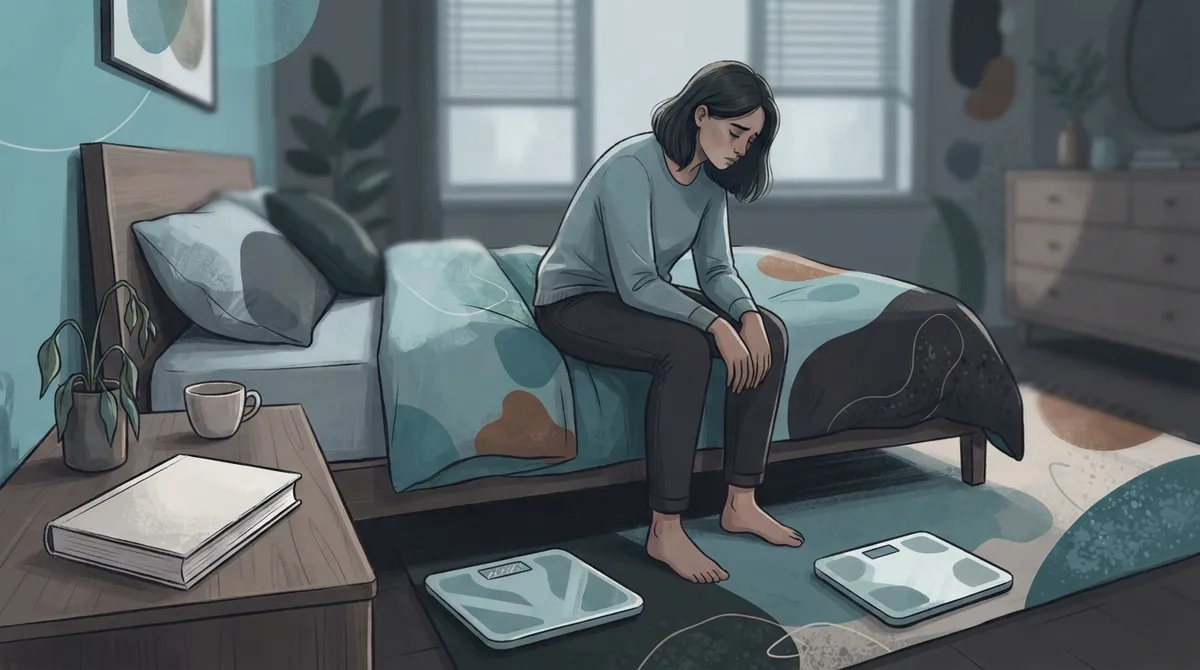
Why Depression and Weight Loss Often Show Up Together
Depression affects your whole body, not just your mood. It can change your appetite, your energy, and even your sense of taste for food you used to enjoy. For many people, depression causes a drop in appetite, which can lead to losing weight without trying.
This happens because depression impacts the brain chemicals that control hunger and motivation. When you’re deeply sad or numb, cooking a meal or even remembering to eat can feel like too much effort. Over time, this adds up to noticeable weight loss.
It’s also worth knowing that depression and weight loss can go the other direction too. Some people gain weight during depression instead. Every person’s experience is different, and that’s completely normal. If you want to learn more about how depression shows up in daily life, our article on what depression is and how it affects your daily life breaks this down further.
Common Signs Depression May Be Affecting Your Appetite
- Food doesn’t taste as good or interesting as it used to
- You forget to eat or skip meals without noticing
- Cooking or grocery shopping feels exhausting
- You feel full quickly, even after small amounts of food
- Eating feels like a chore instead of something enjoyable
- Weight loss happens even though you aren’t dieting
How Antidepressants Can Affect Weight and Appetite
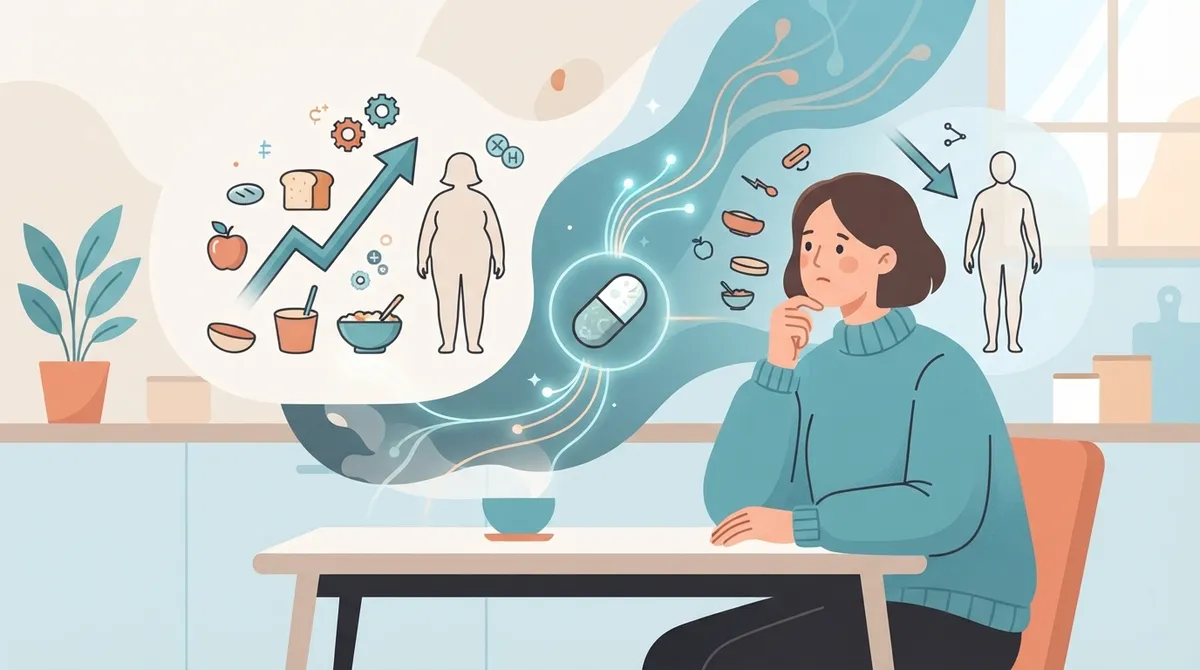
If you’re taking medication for depression, you might notice changes in your weight too. Some antidepressants can increase appetite, while others may reduce it. This varies a lot from person to person and medication to medication.
It’s important to talk with your doctor or therapist about any weight or appetite changes you notice after starting medication. This isn’t something to just push through alone. A good care team, including a psychotherapist and your prescribing doctor, will want to know how you’re doing.
Margaret Deuerlein, a licensed psychotherapist with West Florida Therapy, often works alongside clients’ medical providers to make sure both mental and physical health concerns are addressed together. You can read more about her approach on the About Margaret Deuerlein page.
When Weight Loss Is a Warning Sign Worth Watching
Not every bit of weight loss means something serious is going on. But there are times when it’s smart to pay closer attention. Here’s a simple way to think about it.
- Sudden, unexplained weight loss: If you’ve lost weight without changing your diet or exercise, this deserves attention.
- Loss of interest in food paired with low mood: When sadness and appetite loss show up together, it’s worth exploring further.
- Withdrawal from friends and daily routines: Skipping meals along with skipping social activities can be a bigger pattern.
- Fatigue that doesn’t improve with rest: Depression-related weight loss often comes with constant tiredness.
- Feelings of hopelessness or worthlessness: These feelings combined with weight changes are a sign to seek support soon.
If any of these sound familiar, please know that reaching out for help is a sign of strength, not weakness. Our depression treatment services are here to help you sort through what’s happening and find your way back to feeling like yourself.
Healthy Weight Loss vs. Depression-Related Weight Loss
It helps to know the difference between weight loss that’s part of a healthy lifestyle change and weight loss connected to depression. Here’s a simple comparison.
| Healthy Weight Loss | Depression-Related Weight Loss |
|---|---|
| Intentional, planned changes to diet or activity | Happens without trying, often unnoticed at first |
| Comes with more energy and better mood | Comes with fatigue, sadness, or numbness |
| Food still tastes enjoyable | Food loses appeal or feels unappetizing |
| Social life and hobbies stay active | Withdrawal from friends, family, and activities |
| Motivation stays steady or improves | Motivation drops, even for basic tasks |
Can Losing Weight Actually Improve Depression Symptoms?
This is a great question, and research gives us a hopeful answer. A 2020 systematic review and meta-analysis found that structured, supportive weight-management programs improved depression and other mental health outcomes compared to doing nothing. These benefits showed up right after the program and even 12 months later in some studies.
A 2018 review also found that people whose mental health improved or stayed stable over 12 months were more likely to see success with weight loss during an intensive lifestyle program. This tells us that mental health and physical health truly work together, not separately.
But here’s an important caution. A 2025 study using NHANES data found that healthy weight-loss methods, like managing calories and staying active, were linked to lower rates of depressive symptoms. Harmful methods, like severe restriction or misusing diet products, were linked to a higher risk of depression. This is exactly why working with a professional matters so much.
How Mental Health Services Support Depression and Weight Concerns Together
At West Florida Therapy, we don’t look at weight and mood as separate issues. They’re connected, and treating them together often works better than treating them apart. Here’s what this kind of support usually includes.
Steps Involved in Comprehensive Care
- Initial assessment: We start by understanding your full picture, including mood, appetite, sleep, and daily habits.
- Personalized treatment planning: Your plan is built around your specific needs, not a one-size-fits-all approach.
- Cognitive behavioral techniques: These help you notice and shift unhelpful thought patterns tied to eating and mood.
- Addressing emotional eating or appetite loss: We work on the emotional roots behind eating changes, not just the behavior itself.
- Coordination with medical providers: If medication is part of your care, we stay in communication with your doctor as needed.
- Ongoing check-ins: We track your progress regularly and adjust your plan as things improve or shift.
This kind of care fits into our structured process, which starts with a simple conversation and builds from there. Whether you’re dealing with mood issues, anxiety, or a mix of both, having a clear plan makes a real difference.
Who Benefits Most From This Kind of Support
Depression and weight loss can affect anyone, but certain groups often face unique challenges. Here’s a quick look at who we frequently support.
- Young adults navigating school stress, career changes, or isolation
- Parents concerned about a teenager who has stopped eating regularly
- Spanish-speaking adults who want to talk about their mental health in their preferred language
- Couples where one partner’s depression is affecting shared meals and daily routines
- Women managing depression alongside body image concerns or life transitions
- Adults balancing full-time work with the weight of unmanaged depression
If you’re a parent worried about a teen’s eating habits or mood, our virtual therapy for adolescents offers a comfortable, accessible option. And if you and your partner are both feeling the strain, couples therapy can help you support each other better.
What to Do If You’re Worried About Depression and Sudden Weight Loss
If you or someone you love is dealing with unexplained weight loss along with low mood, here are some steps that can help.
- Talk to a doctor about any physical health causes and rule out other conditions.
- Reach out to a licensed therapist to talk through what you’re feeling.
- Track your eating patterns and mood over a week or two to notice trends.
- Avoid restrictive dieting or diet pills, since these can worsen depression symptoms.
- Consider both in-person and telehealth therapy, whichever feels more comfortable for you.
- Call or text 988 in the U.S. for the Suicide and Crisis Lifeline
- Contact SAMHSA’s National Helpline anytime at 1-800-662-HELP (4357), available 24/7/365
- Visit your nearest emergency room if you feel unsafe
- Reach out to a trusted friend, family member, or therapist right away
West Florida Therapy offers telehealth therapy across Florida, so you don’t have to be near Brandon to get support. Whether you prefer meeting in person or from home, we’re here to make care accessible.
When to Seek Urgent Help
Sometimes depression comes with more serious risk, and it’s important to know when to get help right away. If you or someone you know is having thoughts of self-harm, please treat this as urgent.
You can also find helpful state resources through Mental Health Links from the Florida Department of Health and Substance Abuse and Mental Health services in Florida. The CDC’s mental health resources also offer good general guidance for caregivers and individuals alike.
Taking the First Step Toward Feeling Better
Noticing a connection between your mood and your appetite takes courage. It means you’re paying attention to yourself, and that matters. Depression and weight loss don’t have to be something you figure out alone.
Margaret Deuerlein and the team at West Florida Therapy are here to walk with you through this, whether you need anxiety treatment, depression support, or help understanding what’s going on with your body and mind together. We also understand that everyday wellness matters too. Just like caring for your smile with trusted providers such as Smile District or Charming Smiles of Ocoee supports your overall health, caring for your mental health is just as essential a part of your daily life.
Curious what other Florida clients have said about their experience? You can visit us on Google — West Florida Therapy to read real reviews from people who’ve walked this path before you.
You don’t have to keep guessing about what’s happening with your mood and your body. Reach out today and get in touch with our team to schedule your free 15-minute consultation. Healing starts with one small, brave step, and we’d be honored to take it with you.
FAQs
Q: Can depression cause weight loss?
A: Yes, absolutely. Depression often reduces appetite and motivation, which can lead to unintended weight loss for many people. If you’ve noticed this happening to you, please know it’s a common experience, and support is available.
Q: Why does depression affect appetite and eating habits?
A: Depression changes brain chemicals that control hunger, energy, and pleasure, including the pleasure we usually get from food. This is why eating can start to feel like a chore instead of something enjoyable during a depressive episode.
Q: How do antidepressants affect weight and appetite?
A: Different antidepressants can affect people differently, some increase appetite while others reduce it. It’s always a good idea to chat with your doctor or therapist about any changes you notice after starting medication.
Q: Can losing weight actually improve depression symptoms?
A: Research shows that structured, supportive weight-loss programs can improve mood and mental health outcomes for many people. The key is using healthy, sustainable approaches rather than restrictive or harmful methods.
Q: When should someone seek urgent help for depression and rapid weight loss?
A: If weight loss is sudden, unexplained, and paired with hopelessness or thoughts of self-harm, please reach out for help right away. You can call or text 988, contact SAMHSA’s helpline at 1-800-662-HELP, or visit your nearest emergency room.