

Key Takeaways
-
CBT is highly effective for DPD by helping you identify and replace negative thought patterns like ‘I cannot handle things alone’ with healthier beliefs, while teaching practical assertiveness and independent decision-making skills.
-
Therapy is the gold standard treatment for DPD; there is no medication specifically approved for it, though medication may address co-occurring anxiety or depression alongside psychotherapy.
-
Many people notice meaningful progress within a few months of consistent weekly or bi-weekly therapy sessions, with real change depending more on regular engagement than on the specific therapeutic approach used.
-
Licensed mental health professionals should diagnose DPD through thorough clinical evaluation of your history and patterns; self-diagnosis is unreliable since DPD symptoms overlap significantly with anxiety, depression, and other conditions.
-
Including supportive loved ones in treatment through couples or family therapy can improve outcomes, as DPD affects relationships and partners benefit from learning healthier ways to respond to dependency patterns.
-
Brandon therapists specializing in personality disorders typically charge around $203 per session, but many accept insurance; free 15-minute consultations help you assess fit before committing to treatment.
Do you often feel lost without someone to guide your decisions? Do you fear being alone so much that you stay in unhealthy relationships? If this sounds familiar, you may be dealing with dependent personality disorder (DPD). The good news is that dependent personality disorder therapy in Brandon can help you build real confidence and independence. This article walks you through what DPD is, how therapy helps, and how to find the right support near you.
Living with DPD can feel exhausting. You might second-guess every choice you make or feel a constant need for reassurance. These patterns often affect your relationships, your work, and your sense of self. But here is the most important thing to know — you are not broken, and you are not alone. Effective, compassionate therapy is available right here in the Brandon area, and change is absolutely possible.
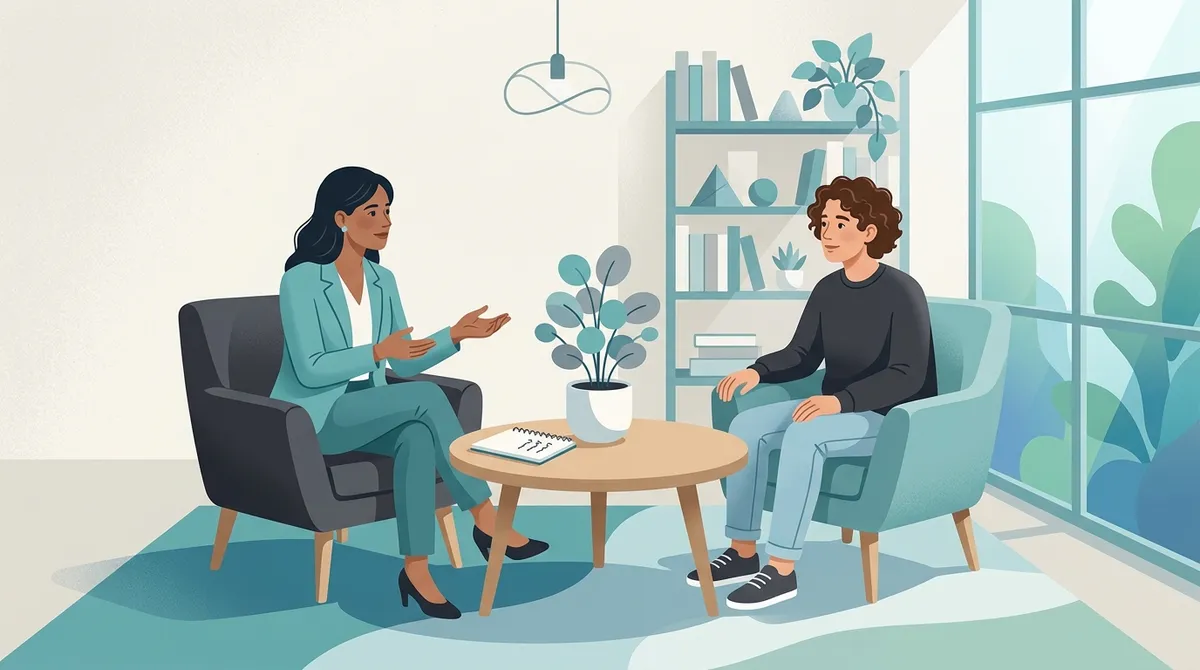
What Is Dependent Personality Disorder?
Dependent personality disorder is a personality disorder that falls under the Cluster C category. Cluster C disorders are characterized by fearful and anxious thinking patterns. According to the Cleveland Clinic, DPD is marked by helplessness, submissiveness, and a strong need to be taken care of by others.
People with DPD often struggle to function independently. They may rely heavily on a partner, parent, or friend to make everyday decisions. This goes beyond being shy or preferring company — it is a deeply rooted pattern that can cause real distress and interfere with daily life. You can learn more about related anxiety-based concerns by reading about understanding anxiety signs, types, and treatment options.
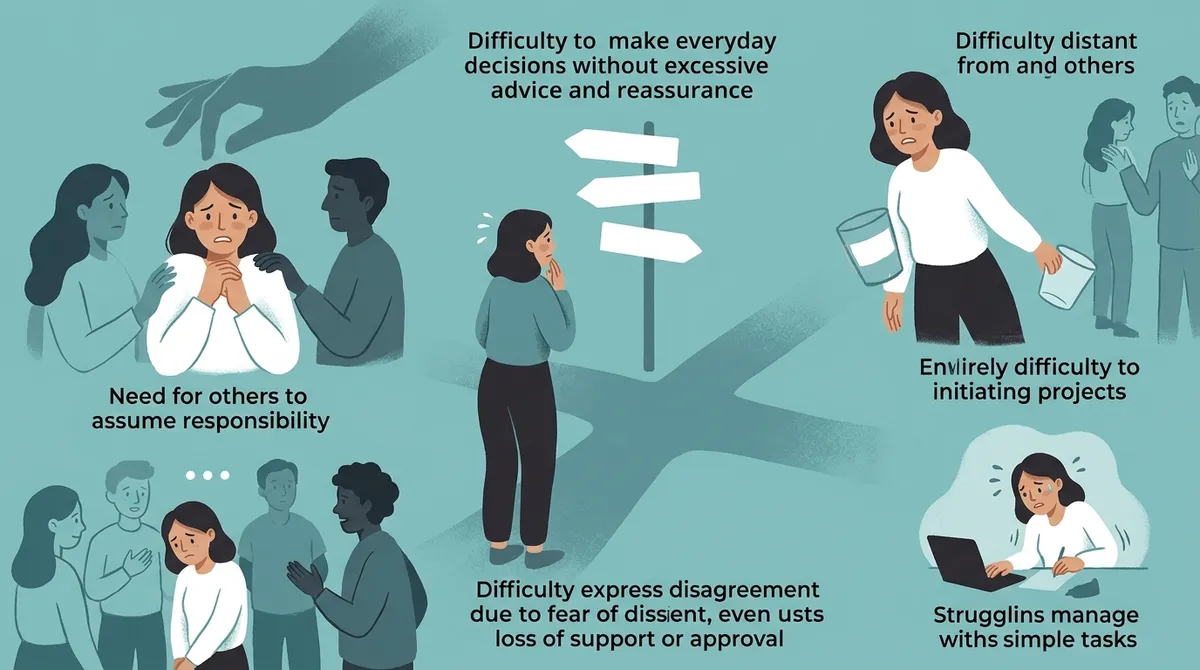
Common Symptoms of Dependent Personality Disorder
Recognizing the signs of DPD is the first step toward getting help. A licensed mental health professional should always make the official diagnosis. Self-diagnosis is not reliable for personality disorders. That said, here are common symptoms to be aware of:
- Difficulty making everyday decisions without reassurance from others
- Fear of disagreeing with others because of losing support
- Feeling helpless or devastated when a close relationship ends
- Urgently seeking a new relationship when one ends
- Going to extreme lengths to get care and support from others
- Struggling to start projects or tasks independently
- Low self-confidence in your own judgment or abilities
- Tolerating mistreatment to avoid being abandoned
These patterns often start in childhood or early adulthood. They can connect deeply to low self-esteem and emotional pain that has built up over years. If you notice several of these signs in yourself, reaching out to a therapist is a wise and courageous step.
How Is Dependent Personality Disorder Diagnosed?
A proper DPD diagnosis comes from a licensed mental health professional. This involves a thorough clinical evaluation that looks at your history, behaviors, and emotional patterns. A therapist or psychologist will ask about your relationships, your decision-making habits, and how you cope with stress and separation.
It is important not to self-diagnose based on online information alone. Many symptoms of DPD overlap with other conditions like anxiety, depression, or other personality disorders. An accurate evaluation ensures you get the right treatment plan for your specific needs. For guidance on finding the right support, explore this resource on how to find the right personality disorder therapy in Brandon.
What Does DPD Therapy Look Like?
Therapy is the gold standard treatment for dependent personality disorder. There is no medication specifically approved to treat DPD itself. However, medication may be used to address co-occurring conditions like depression or anxiety. The Mental Health Resources from the CDC offer helpful context on the importance of professional mental health care.
The most effective approaches to DPD therapy include the following:
- Cognitive Behavioral Therapy (CBT): CBT helps you identify and challenge negative thought patterns. It teaches you to recognize automatic beliefs like “I cannot handle things on my own” and replace them with healthier, more balanced thinking. CBT also builds assertiveness skills and helps you practice making decisions independently.
- Psychodynamic Therapy: This approach explores deeper emotional and relationship patterns. It often looks at early life experiences that shaped your attachment style and need for approval. Understanding these roots can bring powerful insight and lasting change.
- Schema Therapy: Schema therapy targets deep-rooted belief systems formed in childhood. It is especially useful for personality disorders because it addresses core emotional needs and maladaptive patterns. You can learn more about this approach by reading about schema therapy.
Sessions are typically held weekly or bi-weekly. Progress takes time, but with consistent support, real change happens. Many people begin to feel more confident and autonomous within a few months of regular therapy.
Treatment Options Compared
If you are weighing your options for DPD treatment, here is a quick overview to help you understand your choices:
| Treatment Type | Primary Focus | Best For | DPD Effectiveness |
|---|---|---|---|
| Cognitive Behavioral Therapy (CBT) | Thought patterns and behaviors | Building independence and assertiveness | Highly effective |
| Psychodynamic Therapy | Emotional roots and relationships | Exploring deeper emotional patterns | Highly effective |
| Schema Therapy | Core beliefs formed in childhood | Deep-seated personality patterns | Highly effective |
| Medication | Symptom relief (anxiety, depression) | Co-occurring conditions only | Not a direct treatment for DPD |
| Couples or Family Therapy | Relationship dynamics | When dependency affects close relationships | Supportive and complementary |
The Role of Relationships in DPD Treatment
DPD does not just affect the person who has it. It also impacts the people around them. Partners, family members, and close friends often get drawn into the dependency dynamic without realizing it. Treatment tends to work better when supportive loved ones understand what is happening and learn healthier ways to respond.
In some cases, couples therapy can be a helpful addition to individual treatment. If your dependency patterns are creating tension or imbalance in your relationship, working with a therapist together can open new lines of communication and help both partners grow. You can also explore relationship and communication issues that often accompany these patterns.
It is also worth knowing that DPD often overlaps with codependency. If you recognize signs of codependent behavior in your relationships, therapy can help untangle these patterns and build healthier connections.
What to Expect When You Start Therapy
Starting therapy can feel scary — especially when one of your core fears is being judged or rejected. Here is what the process typically looks like when you take that first step:
- Initial Consultation: Your therapist will start with a conversation to understand your concerns and goals. This is a low-pressure meeting designed to see if the relationship is a good fit. Many therapists offer a free 15-minute phone consultation.
- Assessment and Diagnosis: Your therapist will gather more information about your history, relationships, and emotional patterns. This helps create an accurate picture of what you are dealing with.
- Building a Treatment Plan: Together, you and your therapist will create a personalized plan. This plan outlines your goals and the approach that will work best for you.
- Regular Weekly or Bi-Weekly Sessions: You will meet consistently, either in person or via telehealth. Each session builds on the last, helping you develop new skills and insights.
- Tracking Progress: Your therapist will check in regularly on your progress and adjust your plan as needed to keep you moving forward.
You can learn more about what to expect by visiting the our process page at West Florida Therapy. The team there is dedicated to making your first steps into therapy feel safe, supported, and clear.
How Long Does Therapy for DPD Take?
There is no single timeline for DPD therapy. It depends on the severity of your symptoms, your personal history, and how consistently you engage in treatment. Some people notice meaningful changes within a few months. Others benefit from longer-term therapy, especially if DPD is connected to early trauma or complex relationship patterns.
What matters most is consistency. Showing up regularly and being open to the process makes the biggest difference. Over time, therapy helps you develop a stronger sense of self, trust your own decisions, and form relationships based on mutual care rather than fear. For more on how therapy connects to depression that sometimes accompanies DPD, check out how therapy can help you recover from depression.
Finding DPD Therapy in Brandon, Florida
Brandon is a growing community with access to quality mental health services. When searching for a therapist who specializes in dependent personality disorder therapy in Brandon, here are the key factors to look for:
- Licensed mental health professional (LCSW, LMFT, psychologist, or licensed counselor)
- Experience treating personality disorders specifically
- Offers evidence-based approaches like CBT or psychodynamic therapy
- Provides in-person and telehealth options for flexibility
- Bilingual services if you prefer to speak Spanish
- Clear process for initial intake and evaluation
Session fees for personality-disorder-focused therapy in the Brandon area can range. One local therapist directory notes an average session fee of around $203 for personality-disorder-related care in the area. Many therapists also accept insurance, which can significantly reduce your out-of-pocket costs. The Substance Abuse & Mental Health services in Florida can also provide guidance on accessing affordable care.
If you are ready to explore therapy options, the in-person therapy in Brandon, Florida page offers details on what is available locally. Virtual sessions are also available throughout all of Florida through telehealth therapy in Florida.
Meet Margaret Deuerlein: A Caring Therapist for Personality Disorders
At West Florida Therapy, Margaret Deuerlein is a licensed and compassionate psychotherapist who works with adults and adolescents facing a wide range of mental health challenges — including personality disorders like DPD. Margaret brings warmth, expertise, and a genuine commitment to helping you grow. She uses evidence-based methods tailored to your unique story and goals.
West Florida Therapy offers bilingual services in English and Spanish, making therapy accessible for more members of the Brandon community. Sessions are available both in person and via telehealth throughout Florida. You are welcome to visit us on Google — West Florida Therapy to read reviews and learn more about the practice before reaching out.
Florida residents can also access helpful support information through Mental Health Links provided by the Florida Department of Health.
Steps You Can Take Right Now
If you recognize DPD patterns in yourself, here are three simple steps to get started on your healing journey today:
- Acknowledge what you are feeling. You do not need a formal diagnosis to know that something feels off. Noticing the pattern is the first and most important step.
- Reach out for a consultation. A free 15-minute phone call with a therapist costs you nothing and can clarify everything. You have nothing to lose and everything to gain.
- Commit to the process. Therapy works best when you show up consistently. Give yourself the gift of regular, dedicated time to grow and heal.
You deserve to feel capable, confident, and free in your own life. Dependent personality disorder therapy in Brandon is here to help you get there — one session at a time.
Ready to Take the First Step?
You do not have to keep living in fear of being alone or second-guessing every decision you make. Real support is available right here in Brandon. Whether you prefer in-person sessions or the convenience of telehealth, West Florida Therapy is ready to walk alongside you. Reach out to our team today to schedule your free 15-minute consultation and begin your path to greater confidence and independence.
FAQs
Q: What is dependent personality disorder therapy?
A: Dependent personality disorder therapy is a type of mental health treatment that helps people who struggle with excessive reliance on others, fear of abandonment, and difficulty making independent decisions. It typically involves approaches like cognitive behavioral therapy (CBT) or psychodynamic therapy to build confidence, assertiveness, and healthier relationship patterns. The goal is to help you feel capable and secure in your own life — and yes, that is absolutely achievable!
Q: Does CBT help with dependent personality disorder?
A: Yes, CBT is one of the most effective approaches for DPD! It helps you identify and challenge unhelpful thought patterns like ‘I can’t do anything on my own’ and replace them with more balanced, empowering beliefs. It also teaches practical skills like assertiveness and independent decision-making that you can use right away in your daily life.
Q: Can medication treat dependent personality disorder?
A: There is currently no medication specifically approved to treat dependent personality disorder itself. However, medication may be prescribed to help manage related symptoms like anxiety or depression that often occur alongside DPD. Psychotherapy remains the primary and most effective treatment for the disorder.
Q: How long does therapy for dependent personality disorder take?
A: The timeline varies from person to person. Some people notice meaningful progress within a few months of consistent weekly or bi-weekly sessions, while others may benefit from longer-term therapy, especially if DPD is connected to early life experiences or trauma. The key is showing up regularly and staying open to the process — growth truly does happen!
Q: Where can I find dependent personality disorder therapy in Brandon?
A: You can find qualified therapists in Brandon, FL who specialize in personality disorders through local therapy practices like West Florida Therapy. They offer both in-person sessions in Brandon and telehealth options throughout Florida, plus bilingual services in English and Spanish. A free 15-minute consultation is a great first step to see if it is the right fit for you.