Key Takeaways
-
Avoid waiting too long to seek help; if problems persist for more than a few weeks or interfere with school/home life, contact a professional early as 61.8% of Florida youth with depression don't receive treatment.
-
Ask therapists specific questions about their Florida licensure, experience with your child's age/concern, treatment approach, fees/insurance, and wait times before booking to ensure a good fit.
-
Understand that therapy (ongoing skill-building) and psychological evaluations (diagnostic testing) are different services; some children need both, so clarify which your child actually requires.
-
Parents are critical to treatment success, especially for younger children; ask how the therapist will involve you through coaching, family sessions, or progress updates to support skills at home.
-
Call or text 988 immediately if your child is in mental health crisis; don't wait for a regular appointment, and call 911 for immediate danger or medical emergencies.
-
Check insurance coverage before scheduling by contacting both your insurer and provider, asking about referral requirements and copays, since 40% of school-aged Florida kids have mental health needs.
Watching your child struggle is one of the hardest things a parent can go through. Maybe your little one has big worries at bedtime. Maybe your tween has meltdowns that seem to come out of nowhere. Or maybe your child just doesn’t feel like themselves anymore. If you are looking into therapy for children in Brandon, Florida, first of all, take a breath. Reaching out is a loving, brave step.
Here is the good news. Help is available, and families in the Brandon area have more choices than ever. Here is the tricky part. It is easy to make small missteps while searching, and those missteps can cost you time, money, and energy. A recent Florida report estimates that nearly 40% of school-aged kids ages 6 to 17 have a mental health need, and about 80% of those needs are mild to moderate. That means you are far from alone, and many kids improve with the right support.
Let’s walk through four common mistakes and how to avoid each one. Think of this as a friendly roadmap from one caring grown-up to another.
Why Families Seek Therapy for Children in Brandon
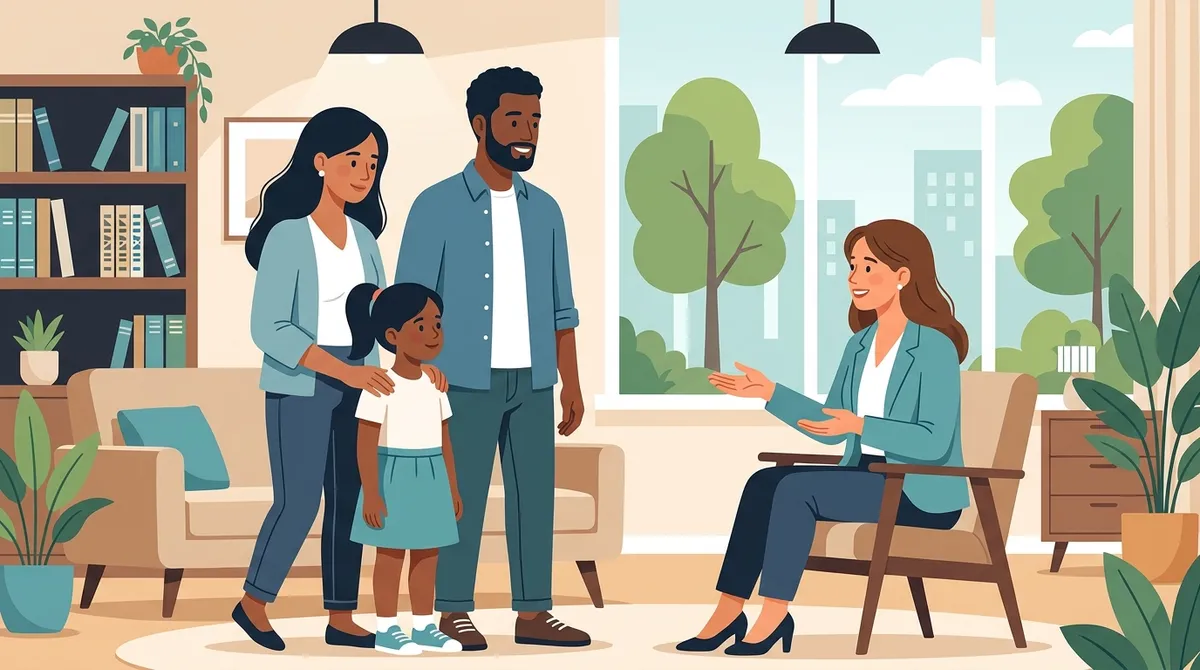
Before we get into the mistakes, it helps to know what kids usually need help with. Families in Brandon reach out for many reasons. Some are big, and some seem small at first.
- Anxiety and constant worry
- Sadness, low mood, or withdrawing from friends
- ADHD-related concerns, like trouble focusing or sitting still
- Anger, big emotions, or behavior problems
- School stress and social struggles
- Trauma or a scary event
- Big life changes, like a move, a divorce, or a loss
The same Florida report says ADHD and anxiety each affect about 1 in 12 Florida children and youth. So if your child is dealing with one of these, many other Brandon families are walking the same road.
Mistake 1: Waiting Too Long to Ask for Help
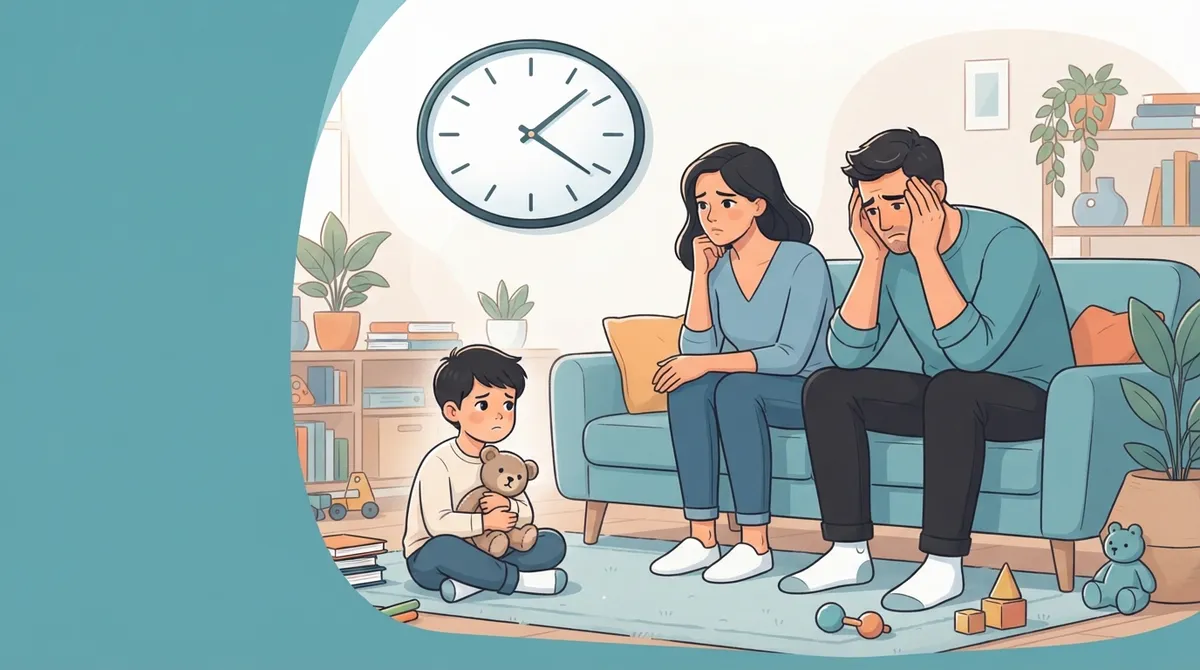
Many parents tell themselves, “It’s just a phase.” Sometimes that is true! Kids grow, change, and bounce back all the time. But waiting too long can let a small worry grow into a bigger one.
Here are a few signs it may be time to talk to a professional:
- The problem lasts more than a few weeks.
- Your child avoids school, friends, or activities they used to love.
- Sleep or appetite changes stick around.
- Emotions or behavior get in the way of daily life at home or school.
- Your child says things like “I’m no good” or “nothing matters.”
Data shows that many kids who need help do not get it. In Florida, an estimated 61.80% of youth with depression did not receive treatment, according to a 2024 state brief. Meanwhile, only about 10.3% of Florida children ages 3 to 17 received mental health care or counseling in a recent 12-month period. Getting started early gives your child a real head start.
You do not need to have it all figured out. A short call to a therapist can help you decide if therapy is a good next step. At West Florida Therapy, we offer a free 15-minute consultation so you can ask questions with no pressure.
A Quick Note on Emergencies
If your child is in an immediate mental health crisis, call or text 988 in the United States. If there is immediate danger or a medical emergency, call 911 or go to the nearest emergency room. Please do not wait for an appointment.
Mistake 2: Choosing a Therapist Without Asking the Right Questions
Not every therapist is the right fit for every child. Providers differ in training, experience, age groups, and style. A little homework up front saves a lot of stress later.
Here are smart questions to ask before you book:
- Are you licensed in Florida, or are you a supervised intern?
- Do you have experience with my child’s age and concern?
- What treatment approach do you use?
- How involved will parents be?
- What are your fees, and do you take my insurance?
- Is telehealth a good fit for my child?
- How long is the wait for a first appointment?
Provider availability and services change often, so always confirm details directly. A directory listing may be out of date, and some practices have limited new-patient openings. A quick phone call clears things up fast.
Why Fit Matters So Much
Research and experience agree on one thing: kids do best when they feel safe and understood. If your child clicks with their therapist, they are more likely to open up. If the first match does not feel right, it is okay to try someone else. That is not failure. That is good parenting.
Mistake 3: Mixing Up Therapy and a Psychological Evaluation
This one trips up a lot of families. Therapy and a psychological evaluation are not the same thing, and mixing them up can leave you waiting for the wrong service.
| Feature | Ongoing Therapy | Psychological Evaluation |
|---|---|---|
| Main goal | Build skills and support healing over time | Clarify emotional, behavioral, or learning concerns |
| How often | Weekly or bi-weekly sessions | Usually a set of testing visits |
| Result | Progress toward your child’s goals | A report with findings and recommendations |
| Diagnosis | May or may not be part of care | May or may not include a formal diagnosis |
| Best for | Anxiety, mood, behavior, and coping support | Questions about ADHD, learning, or development |
Some families need both. For example, an evaluation can point to what is going on, and therapy can then help your child build coping skills. Always ask what an assessment includes and whether it leads to a formal diagnosis. Wait times for testing can also be long at some practices, so ask early.
Mistake 4: Leaving Parents Out of the Picture
Here is something many parents do not expect. For younger children especially, you are a key part of the team. Kids spend most of their time with you, so the skills they learn in the therapy room need support at home.
Depending on your child’s age and needs, care may include:
- Individual sessions where your child works one-on-one with the therapist
- Parent coaching to learn tools you can use at home
- Family sessions to improve communication and teamwork
- Play-based methods for younger kids who express feelings through play
- Cognitive behavioral therapy (CBT) to help older kids change unhelpful thoughts and habits
For tweens and teens, therapists often balance privacy with parent updates. This helps young people feel safe while still keeping you in the loop on what matters. Ask your therapist up front how they handle this. You can also read more about choosing teen therapy in Brandon if you have an older child.
One more tip. Be kind to yourself. Parents sometimes feel guilty when a child needs therapy. Please let that go. Asking for help shows strength, and your child will feel that love.
How West Florida Therapy Can Help
At West Florida Therapy, our focus is on individual and couples therapy for adults and adolescents, with bilingual English and Spanish services. We offer in-person sessions at our Brandon office and telehealth across Florida. If your teen is the one struggling, Margaret Deuerlein, a caring psychotherapist, helps adolescents work through anxiety, school pressure, and family stress in a warm, steady way. You can also learn more about what a psychotherapist does to see if this kind of support fits your family.
If your child is younger than our age range, we are happy to talk through your options and point you toward the right kind of help. You can also visit our West Florida Therapy location on Google to see where we are and read feedback from the community.
What Therapy Looks Like Step by Step
Starting therapy can feel like a big leap. Knowing what to expect makes it much easier. Here is how our process typically works:
- Start with a conversation. A brief phone consultation helps us understand your concerns and goals.
- Build a personalized plan. Together, we create a plan based on your teen’s unique needs.
- Get steady support. Sessions happen weekly or bi-weekly, in person or by telehealth.
- Check progress and adjust. We celebrate wins and update the plan as needed.
In-Person or Online? Choosing What Works
Many Brandon families wonder if online therapy works for young people. For many, it does! Telehealth can be a great fit for busy schedules, teens who feel more at ease at home, and families with long commutes. Others do better face to face, especially if they struggle to focus on a screen. You can explore both options through in-person therapy in Brandon and telehealth therapy in Florida.
For teens, our guide to virtual therapy for adolescents in Brandon explains how online sessions can work well.
Getting Ready: Paying for Care and Checking Insurance
Cost worries are real, and they should never stop you from asking questions. Before scheduling, check your benefits with both your insurance company and the provider. Ask if you need a referral and what your copay will be.
At West Florida Therapy, we are in-network with several insurance providers, including Aetna, Cigna, Florida Blue, Optum, Oscar, and United Health Care. We also take HSA and FSA cards, and offer out-of-pocket options. See our payment options for details. Always confirm your coverage with your insurer first, since plans vary.
Helpful Resources for Parents
You do not have to figure this out alone. Trusted public resources can help you learn more and find support. The Florida Department of Health shares mental health links. The Florida Department of Children and Families offers information on substance abuse and mental health services. And the CDC provides practical mental health resources for caregivers.
A Gentle Checklist Before You Book
- Write down what you have noticed and when it started
- List your top two or three goals for your child
- Check your insurance benefits
- Prepare your questions for the therapist
- Talk to your child in a calm, loving way about what to expect
Tell your child that therapy is a safe place to talk, not a punishment. Kids often relax once they know they are not in trouble.
You’ve Got This
Finding therapy for children in Brandon does not have to feel scary. Avoid these four mistakes: waiting too long, skipping the right questions, confusing therapy with evaluation, and leaving parents out. Do that, and you are already ahead of the game. Every small step you take shows your child they are loved and supported.
If you have questions or want to talk through your options, we would love to hear from you. Contact us today to schedule your free 15-minute consultation and take the next step with a team that cares.
FAQs
Q: How do I find a child therapist in Brandon, Florida?
A: Start by searching local practices, asking your pediatrician for referrals, and checking with your insurance company. Then call a few providers to ask about licensure, experience with your child’s age, fees, and wait times. A quick phone consultation can help you find the right fit.
Q: How can I tell if my child may benefit from therapy?
A: Look for changes that last more than a few weeks, like ongoing worry, sadness, anger, trouble sleeping, or pulling away from friends and activities. If these changes get in the way of school or home life, it is a good time to talk with a professional. Trust your instincts, because you know your child best.
Q: What is the difference between child therapy and a psychological evaluation?
A: Therapy is ongoing support that helps your child build skills and work through challenges. A psychological evaluation is a set of assessments that helps clarify emotional, behavioral, or learning concerns and may or may not lead to a formal diagnosis. Some children need both.
Q: Can children receive therapy online in Florida?
A: Yes, many Florida providers offer telehealth for young people, and it works well for many families. The best choice depends on your child’s age, focus, and comfort with a screen. Ask the therapist whether online sessions suit your child’s needs.
Q: What should I do if my child is having a mental health crisis?
A: Call or text 988 in the United States to reach the Suicide and Crisis Lifeline right away. If there is immediate danger or a medical emergency, call 911 or go to the nearest emergency department. Please do not wait for a regular appointment.