
Key Takeaways
-
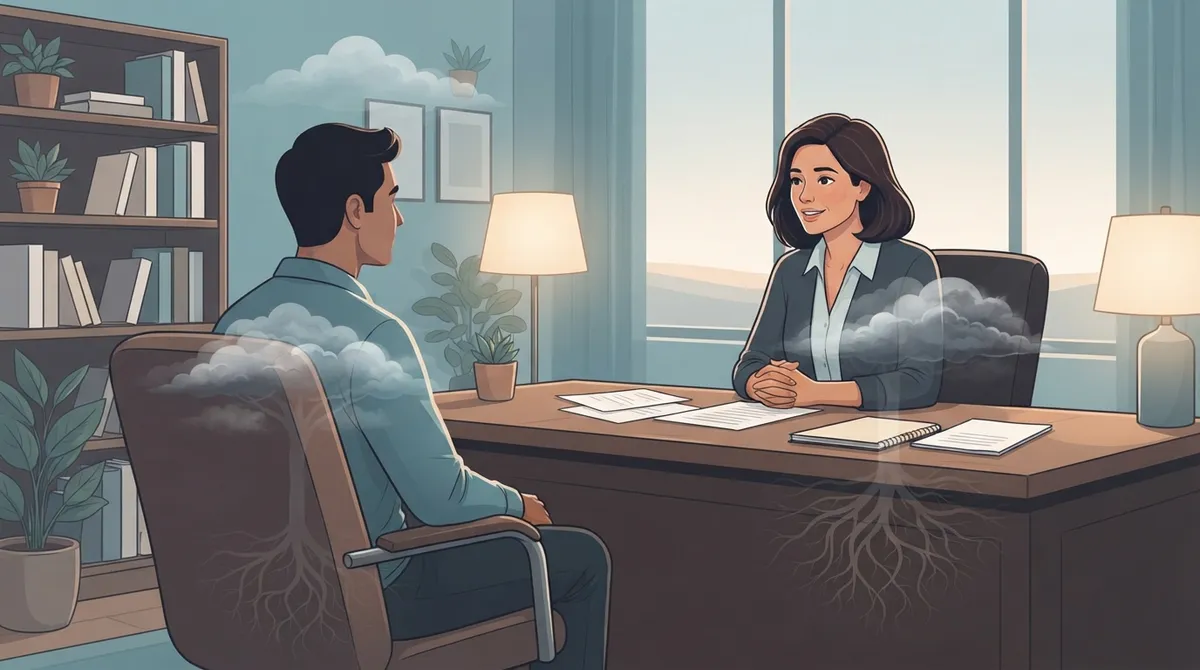
Anger often masks deeper issues like trauma, anxiety, depression, or shame; addressing root causes through a thorough assessment leads to more effective therapy than treating anger in isolation.
-
Verify court or employer requirements before enrolling in anger management programs, as individual therapy and structured classes are different and may not both satisfy legal mandates.
-
Check therapist credentials carefully: confirm Florida license, relevant experience with anger/trauma, session format, costs, and insurance coverage before committing to treatment.
-
Change requires consistent practice over weeks or months; expecting quick fixes leads to disappointment, so commit to weekly or bi-weekly sessions and celebrate small wins like avoiding heated arguments.
-
Don't skip the initial assessment interview, as it determines whether individual therapy, group programs, or more intensive outpatient care best fits your specific needs and situation.
-
Involve close relationships in therapy when anger primarily surfaces with partners or family; couples therapy and improved communication skills directly reduce conflict at home.
We all lose our cool sometimes. Maybe traffic on Brandon Boulevard pushed you over the edge, or a small comment from your partner turned into a big fight. Anger is a normal human feeling. It only becomes a problem when it starts to hurt you, your family, or your job.
If you are searching for anger management therapy in Brandon, Florida, you have already taken a brave first step. But here is the thing: a lot of people stumble early on. They pick the wrong type of help, quit too soon, or expect a quick fix. These slip-ups can leave you feeling stuck and even more frustrated.
The good news? Most of these mistakes are easy to avoid once you know what to watch for. In this friendly guide, we will walk through nine common missteps and how to dodge them. Whether you are a stressed millennial, a parent worried about a teen, or a partner tired of the same old fights, you will find practical tips here. Let’s get started, and remember, being kind to yourself is part of the process.
What Anger Management Therapy Really Is
Anger management therapy is not about getting rid of anger. Anger is not abnormal. Therapy is skills-focused. It helps you respond in ways that are safe, calm, and helpful instead of harmful.
In Brandon, anger management support comes in a few forms. You may find individual counseling, group programs, or broader outpatient mental health care. Many therapists teach you to spot triggers, notice the thoughts that fuel your anger, and practice new ways to cope and communicate. Cognitive behavioral therapy (CBT) is one common approach.
Anger can also show up alongside other struggles, like anxiety, depression, or trauma. A good assessment can show what is really going on underneath. If you want to see how this connects to everyday behavior, this read on why anger controls your actions more than you think is a helpful next step.
Mistake 1: Treating Anger as Your Only Problem
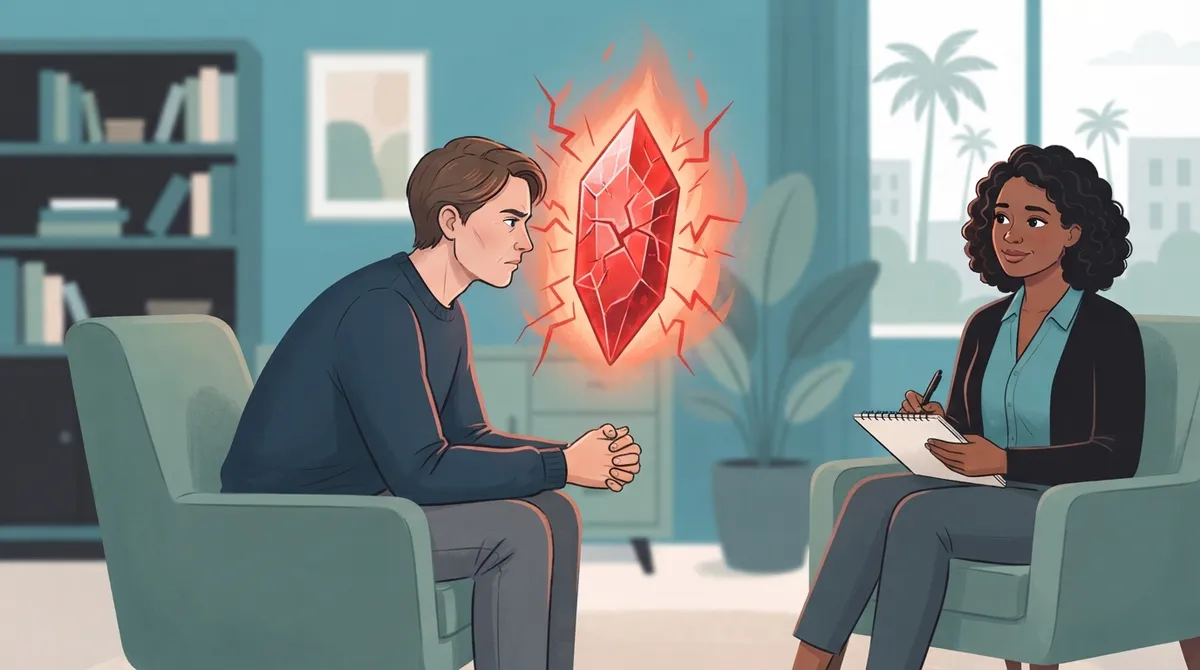
Many people think anger is the whole story. Often, it is the loud signal covering something quieter. Hurt, fear, shame, grief, and exhaustion can all hide behind a short temper.
When you only focus on the outburst, you miss the root. A thoughtful therapist will ask what else is going on. Is there a history of trauma? Are you struggling with low mood or constant worry? Are you using alcohol or other substances to cope?
Looking at the full picture can make therapy work much better. It also feels kinder, because you are not being treated as “just an angry person.” You are a whole person with a story.
Mistake 2: Skipping the Assessment
It is tempting to jump straight into sessions. But a clear assessment helps decide what level of support fits you best. It can tell you whether individual therapy, a group, or a more complete level of care makes sense.
One Brandon-area provider listing, for example, describes a minimum of 12 sessions plus an assessment interview. That is one provider’s program, not a rule for everyone. Session length and requirements vary a lot, so do not assume one plan fits all.
Ask any provider how they assess your needs. A good start gives you a roadmap instead of guesswork.
Mistake 3: Not Checking Credentials and Fit
Not every helper is the right match. Before you commit, check a few basics.
- Florida license: Confirm the clinician is licensed in Florida.
- Relevant experience: Ask if they have worked with anger, relationships, or trauma.
- Type of service: Is it individual therapy or a structured class?
- Format: Is it in-person, online, or both?
- Costs and insurance: Ask about fees and what insurance may cover.
Directory listings can be handy leads, but they are not endorsements. Always confirm details directly. Curious what a therapist actually does? Here is a friendly look at what a psychotherapist does and how they can help.
Mistake 4: Ignoring Court or Employer Requirements
Sometimes anger management is required by a court, a school, or an employer. If that is you, do not guess. Not every program counts toward every requirement.
Before you sign up, ask the court, your attorney, or your employer exactly what they need. Then ask the provider if their service meets it. This simple step can save you time, money, and a lot of stress.
Individual therapy and structured classes are not the same thing. If a specific class or number of hours is required, make sure that is what you are getting.
| Option | Best For | Things to Confirm |
|---|---|---|
| Individual therapy | Personal growth, underlying causes, privacy | License, approach, fees, insurance |
| Group or structured class | Skills practice, peer support, set requirements | Length, number of sessions, proof of completion |
| Broader outpatient care | Anger along with substance use or other needs | Level of care, intake process, availability |
| Couples therapy | Anger showing up in a relationship | Therapist training, session format |
Mistake 5: Expecting a Quick Fix
Change takes practice. You cannot learn to stay calm in one afternoon, just like you cannot learn guitar in one lesson. Skills like deep breathing, naming feelings, and taking a pause grow stronger with repetition.
Expect some ups and downs. A hard week does not mean therapy is failing. It often means you are noticing more, which is progress. Be patient and celebrate small wins, like walking away from one heated argument.
At West Florida Therapy, sessions are built around steady, ongoing support. Weekly or bi-weekly visits help each session build on the last, with regular check-ins to track progress and adjust the plan.
Mistake 6: Quitting When It Gets Uncomfortable
Therapy asks you to look at hard feelings. That can feel awkward, and some people leave right when the real work starts. It is normal to want to bail.
If you feel stuck, say so out loud. Your therapist can change the pace or try a different approach. Honest feedback makes therapy better.
Here are a few signs you may be pulling back too soon:
- You skip sessions after a tough conversation.
- You feel relief but have not practiced any new skills.
- You say “I’m fine now” after one calm week.
Mistake 7: Leaving Out Your Relationships
Anger rarely happens in a bubble. It often shows up with the people closest to us. If conflicts with your partner are a big trigger, working on them together can help.
Couples therapy can teach both people to talk without blame and to repair after a fight. You can learn more about couples therapy or explore conflict resolution skills that calm tense moments. Better communication skills often lower the temperature at home.
For teens, family involvement can matter too. If your teenager is struggling with big emotions, a therapist can help them build skills while keeping parents in the loop.
Mistake 8: Overlooking Online and Bilingual Options
Life in Brandon is busy. Commutes, school pick-ups, and work can make weekly appointments hard. Some people give up because of scheduling alone. You do not have to.
Online therapy can be a great fit. Many Brandon clinicians offer telehealth, and you can learn how telehealth therapy in Florida works. If you prefer face-to-face, there are options for in-person therapy in Brandon too.
Language matters as well. Expressing anger, shame, and hurt is hard enough in your first language. Bilingual English and Spanish therapy lets Spanish-speaking adults and families share what they truly feel without translating in their heads. Always ask what languages a provider offers.
Mistake 9: Waiting Too Long to Reach Out
The biggest mistake is simply waiting. People often put off help until a crisis hits, like a lost job, a damaged relationship, or a scary moment with a loved one.
You do not need to hit rock bottom to deserve support. If your anger leaves you feeling guilty, out of control, or afraid of what you might do, that is reason enough to talk to someone.
One important note: if you or someone else is in immediate danger, or you fear you may hurt yourself or others, call 911 or reach out to a crisis line right away. Therapy is not an emergency service. For more state resources, you can browse Florida mental health links or review substance abuse and mental health services through the state.
How to Get Started: A Simple Plan
Feeling unsure where to begin? Here is an easy path you can follow.
- Name what is happening. Write down when your anger shows up and what seems to trigger it.
- Decide what you need. Think about individual therapy, couples work, or a program with specific requirements.
- Check credentials. Confirm a Florida license, experience, and fees.
- Ask about format. Choose in-person, online, or a mix that fits your life.
- Book a first conversation. A short call can tell you if the fit feels right.
- Practice between sessions. Small daily habits make the biggest difference.
You can also read about anger management therapy approaches that actually work or see 14 ways anger management therapy in Brandon can help you for more ideas.
Getting Support With West Florida Therapy
At West Florida Therapy, Margaret Deuerlein is a caring psychotherapist who helps adults and adolescents work through anger, stress, and the feelings underneath. Her approach is warm, practical, and built around your goals. You can learn more about Margaret Deuerlein and see how the therapy process works.
Sessions are available in person in Brandon and virtually across Florida, in English and Spanish. A free 15-minute consultation is a gentle way to ask questions with no pressure. You can also review payment options, including several major insurance plans and out-of-pocket rates. Always check with your insurance carrier about your benefits.
Curious how others feel about our care? Visit our West Florida Therapy location on Google and read what neighbors in Brandon are saying. Looking for general guidance too? The CDC offers helpful mental health resources.
Final Thoughts
Anger does not make you a bad person. It is a signal worth listening to. By avoiding these nine mistakes, you give yourself a real chance to feel calmer, connect better, and respond the way you want to.
If you are ready to take the next step, we would love to hear from you. Contact West Florida Therapy today to schedule your free 15-minute consultation. Change is possible, and it can start with one conversation.
FAQs
Q: Where can I find anger management therapy in Brandon, Florida?
A: You can find options through private therapy practices, group programs, and broader outpatient mental health services in Brandon. Many clinicians also offer online sessions. West Florida Therapy offers in-person visits in Brandon and virtual therapy across Florida, and it is smart to confirm licenses, availability, and fees with any provider.
Q: What happens during anger management counseling?
A: You will usually talk through your triggers, notice the thoughts and feelings that fuel your anger, and practice new skills like coping, calming, and clear communication. Many therapists use cognitive behavioral therapy (CBT). It is a supportive, judgment-free space focused on helping you respond in safer, healthier ways.
Q: How many sessions does anger management therapy usually take?
A: It really depends on you and the provider. Some structured programs set a minimum number of sessions, like one Brandon-area listing that describes at least 12 sessions plus an assessment. Others work week to week based on your goals, so always ask about length and any court or employer requirements up front.
Q: Is anger management therapy available online in Brandon, FL?
A: Yes, many clinicians offer telehealth, which is wonderful for busy schedules. West Florida Therapy provides virtual sessions throughout Florida along with in-person visits in Brandon. Just confirm that online services meet any special requirements if your program is court or employer ordered.
Q: Can anger management therapy help when anger is tied to trauma, depression, or substance use?
A: It can. Anger often travels alongside other struggles, and a full assessment helps show what is underneath. Treating the whole picture, not just the outbursts, often leads to deeper and longer-lasting relief.