Key Takeaways
-
Adult separation anxiety disorder affects 0.9-1.9% of adults annually and is highly treatable; if symptoms last 6+ months and disrupt your daily life, work, or sleep, consult a licensed therapist for evaluation.
-
Cognitive Behavioral Therapy (CBT) is the first-line treatment, using cognitive restructuring and gradual exposure techniques to challenge fearful thoughts and build tolerance to separation over time.
-
77.5% of adults with separation anxiety develop it in adulthood (not childhood) due to life transitions like divorce, loss, or trauma; this condition can emerge at any age and is not a sign of weakness.
-
Common symptoms include excessive worry when apart from loved ones, physical symptoms (nausea, racing heart), nightmares about loss, and obsessive check-ins; distinguishing these from normal attachment requires professional assessment.
Ever feel your stomach drop when your partner heads out of town, or your chest tighten when your kids leave for school? A little worry is normal. But when that worry turns into panic, nausea, or sleepless nights, something bigger might be going on. Separation anxiety in adults is real, and it’s more common than most people think.
Here in Florida, we talk with people every week who feel embarrassed about these feelings. They think they should have outgrown this by now. The truth is, separation anxiety disorder can start in childhood or show up for the first time as an adult. You are not broken, and you are not alone. Let’s walk through the signs, the causes, and the paths to feeling calmer.
What Is Separation Anxiety in Adults?
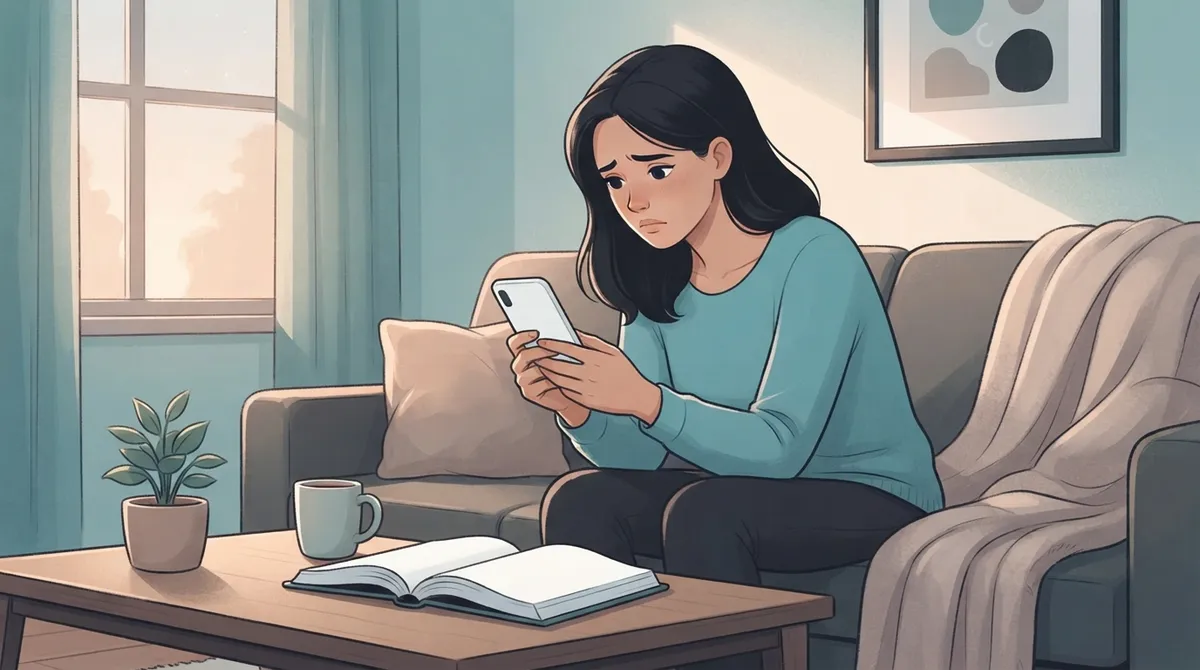
Separation anxiety in adults is an anxiety disorder. It causes intense fear or worry about being away from people you love, like a spouse, partner, parent, or child. This isn’t just missing someone. It’s a deep, often overwhelming fear that something bad will happen when you’re apart.
Doctors used to think this only happened in kids. Now we know better. Research shows adult separation anxiety disorder has a 12-month prevalence of about 0.9% to 1.9%. Lifetime prevalence is even higher, reported at 6.6% in one major U.S. survey. That means millions of adults have dealt with this at some point.
How It Differs From Normal Worry
Everyone feels a pang of sadness saying goodbye to someone they love. That’s healthy attachment. Separation anxiety disorder goes further. It disrupts your daily life, your sleep, your work, and your relationships. If these feelings have lasted six months or longer, it may be time to talk to a professional.
15 Signs of Separation Anxiety in Adults
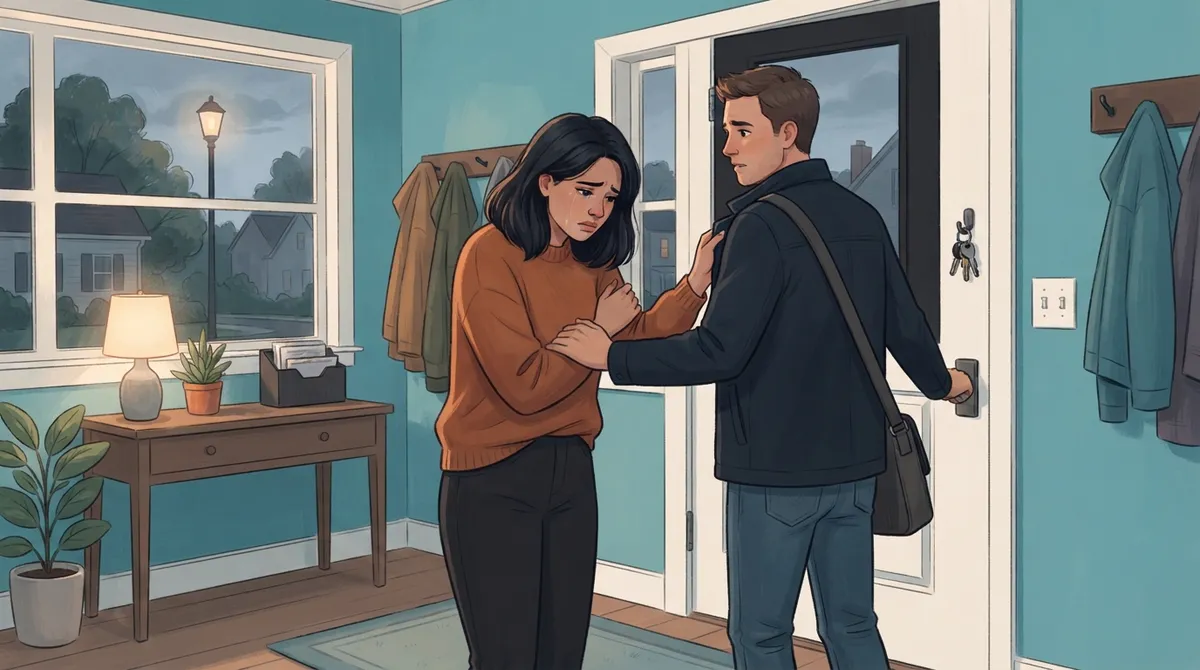
Recognizing the signs is the first step toward relief. Here is a list of common symptoms mental health professionals look for:
- Excessive distress when apart from a loved one, even for short periods
- Constant worry that something terrible will happen to your attachment figure
- Fear of being alone in your home or elsewhere
- Reluctance to leave the house without your partner or family member nearby
- Nightmares centered on separation or loss
- Physical symptoms like nausea, headaches, or a racing heart before separation
- Checking in obsessively through calls or texts
- Difficulty concentrating at work when apart from a loved one
- Avoiding travel, jobs, or social events that require time apart
- Feeling panic when a loved one is late coming home
- Trouble sleeping alone or in a new place
- Overdependence on a partner for daily decisions
- Irritability or anger when separation is required
- Persistent fear of abandonment or rejection
- Avoiding relationships altogether to prevent future separation pain
If several of these sound familiar, it doesn’t mean something is wrong with you. It means your nervous system learned to respond to separation with fear. That pattern can be changed with the right support.
What Causes Separation Anxiety Disorder in Adults?
There isn’t one single cause. Instead, it’s usually a mix of factors that build up over time.
- Childhood attachment issues, including early loss or unstable caregiving
- A history of psychological trauma, such as a sudden loss or major life change
- Genetics and family history of anxiety disorders
- Major life transitions like divorce, a move, or becoming a parent
- Existing anxiety disorders or depression
- Relationship patterns that reinforce fear of loss
Interestingly, a StatPearls review found that 77.5% of adults with separation anxiety disorder reported it started in adulthood, not childhood. So even if you had a happy, secure childhood, this can still develop later in life due to stress, loss, or trauma.
Childhood Roots vs. Adult Onset
About one-third of childhood separation anxiety cases can carry into adulthood if left untreated. This is why early support for adolescents matters so much. Catching it early can prevent years of struggle later on.
How Is Adult Separation Anxiety Diagnosed?
A licensed therapist or psychiatrist will look at your symptoms, how long they’ve lasted, and how they affect your life. For adults, symptoms generally need to last at least six months. This is different from children, who typically need only four weeks of symptoms for a diagnosis.
During an evaluation, a psychotherapist will ask about your history, relationships, and daily patterns. They want to understand the full picture, not just check boxes. This is where working with someone experienced, like Margaret Deuerlein at West Florida Therapy, can make a real difference. She takes time to understand your story before building a plan.
Best Treatment Options for Separation Anxiety in Adults
The good news is that separation anxiety disorder is very treatable. Most people see real improvement with the right combination of support.
1. Cognitive Behavioral Therapy (CBT)
CBT is considered the first-line treatment for separation anxiety in adults. It helps you notice unhelpful thought patterns and replace them with healthier ones. You’ll learn practical tools to manage fear before it takes over. Many clients find that cognitive behavioral therapy gives them a sense of control they haven’t felt in years.
2. Trauma-Focused Therapy
If past loss or trauma is fueling your fear, trauma therapy can help you process those experiences safely. Approaches like EMDR are especially helpful for people whose separation anxiety is tied to a specific traumatic event.
3. Couples or Family Sessions
Sometimes separation anxiety shows up most strongly in a romantic relationship. Couples therapy can help partners understand each other’s needs and build healthier patterns of closeness and independence together.
4. Medication
SSRIs may be recommended for adults with more severe symptoms, especially alongside therapy. This isn’t the right choice for everyone, but for some, it can reduce the intensity of anxiety enough to make therapy more effective.
CBT Techniques That Help Adults With Separation Anxiety
Here’s a simple breakdown of what a CBT-based approach might look like:
| Technique | What It Does | Example |
|---|---|---|
| Cognitive restructuring | Challenges irrational fears | Questioning the belief that a delayed text means disaster |
| Gradual exposure | Builds tolerance to separation | Practicing short periods apart, then longer ones |
| Relaxation training | Calms the body’s stress response | Breathing exercises before a partner leaves for work |
| Journaling | Tracks triggers and progress | Writing down anxious thoughts and testing them against reality |
Steps to Take If You Think You Have Separation Anxiety
Not sure where to start? Here’s a simple path forward:
- Write down your symptoms and how long you’ve had them
- Notice the situations that trigger the most fear
- Talk to a trusted friend or family member about what you’re feeling
- Reach out to a licensed therapist for an evaluation
- Start therapy, whether in-person or through telehealth therapy
- Be patient with yourself as you build new coping skills
Healing doesn’t happen overnight, but every small step adds up. Many clients tell us the hardest part was making that first call. After that, things start to feel more manageable.
Separation Anxiety and Other Mental Health Conditions
Separation anxiety rarely shows up alone. It often overlaps with other conditions, including:
- Depression, especially after a major loss or breakup
- Panic disorder, with panic attacks triggered by separation
- Mood issues that intensify during times apart
- Relationship strain, including relationship problems caused by overdependence
A skilled therapist will look at the whole picture, not just one symptom. That’s why comprehensive mental health support matters so much.
Why Choose West Florida Therapy for Support
At West Florida Therapy, we understand that separation anxiety in adults can feel isolating and confusing. Margaret Deuerlein brings years of compassionate, experienced care to every session, helping clients throughout Florida feel understood rather than judged. Whether you prefer in-person therapy in Brandon or virtual sessions from anywhere in the state, support is within reach.
We also offer bilingual services in English and Spanish, because everyone deserves care in the language that feels most comfortable. You can learn more about our approach on our About page, or read about Margaret’s background on her About Margaret Deuerlein page. Curious what others say about their experience? You can visit us on Google — West Florida Therapy to see reviews from real clients.
Additional Resources for Florida Residents
If you’re looking for more support options, these state and federal resources can help you learn more about anxiety care and community programs:
- Mental Health Links from the Florida Department of Health
- Substance Abuse & Mental Health services through Florida Families
- Mental Health Resources from the CDC
Take the First Step Toward Calmer Connections
Separation anxiety in adults doesn’t have to control your relationships or your daily peace of mind. With the right support, you can learn to feel secure, even when the people you love are not right beside you. Margaret Deuerlein and the team at West Florida Therapy are here to walk alongside you, whether you’re in Brandon or anywhere else in Florida. If you’re ready to feel more at ease, reach out to our team today and take that first brave step toward healing.
FAQs
Q: What are the symptoms of separation anxiety in adults?
A: Common symptoms include excessive worry when apart from loved ones, physical symptoms like nausea or a racing heart, nightmares about loss, and constant checking in with a partner or family member. If these feelings last six months or longer and disrupt your daily life, it’s worth talking to a therapist.
Q: Can adult separation anxiety start later in life?
A: Yes, absolutely. In fact, one study found that 77.5% of adults with separation anxiety disorder said it began in adulthood, not childhood. Life changes like divorce, loss, or major stress can trigger it at any age.
Q: Can CBT help adult separation anxiety?
A: Yes, cognitive behavioral therapy is widely considered the first-line treatment for adult separation anxiety. It helps you challenge fearful thoughts and build practical coping skills, often leading to noticeable improvement within a few months.
Q: Are medications used for adult separation anxiety?
A: Sometimes. SSRIs may be prescribed alongside therapy for adults with more severe symptoms. This decision is made together with a doctor or psychiatrist based on your specific needs and history.
Q: How do you tell the difference between normal attachment and separation anxiety disorder?
A: Missing someone or feeling a little sad during time apart is completely normal. Separation anxiety disorder goes further, causing intense fear, physical symptoms, and disruption to your work, sleep, or relationships. If it’s been happening for six months or more, it may be time to seek support.