Key Takeaways
-
Nearly 25-50% of people with OCD experience depression at some point because chronic obsessive thoughts drain emotional energy, leading to hopelessness and disconnection from activities once enjoyed.
-
Cognitive Behavioral Therapy (CBT) and Exposure and Response Prevention (ERP) are proven effective for OCD depression, with many clients finding combined approaches like CBT plus EMDR create the strongest results.
-
Get an accurate diagnosis from a licensed therapist who understands both conditions, as OCD symptoms are often mistaken for general anxiety and depression alone misses underlying obsessive patterns.
-
Seek professional help immediately if compulsions consume over an hour daily, you have thoughts of self-harm, or symptoms worsen despite your coping efforts—don’t try to manage this alone.
-
Practice daily coping skills between therapy sessions including grounding techniques, setting small achievable goals, limiting reassurance-seeking behaviors, and prioritizing sleep and movement to support brain health.
-
Bilingual therapy services and flexible telehealth options remove barriers to care, making mental health support accessible whether you prefer Spanish-language sessions or virtual appointments from home.
Do you feel stuck in loops of worry, then crash into sadness that won’t lift? You might be dealing with OCD depression, a combination that hits harder than either condition alone. This overlap is more common than most people realize, and it can leave you feeling exhausted, confused, and alone. The good news? You are not alone, and real help exists right here in Florida.
At West Florida Therapy, we work with adults and teens who struggle with obsessive-compulsive disorder alongside depression. Whether you are a busy millennial juggling work stress, a parent worried about your teenager, or a young adult trying to make sense of intrusive thoughts, this guide will walk you through what OCD depression looks like and how to start healing. Let’s break it down together, step by step.
What Is OCD Depression, Exactly?
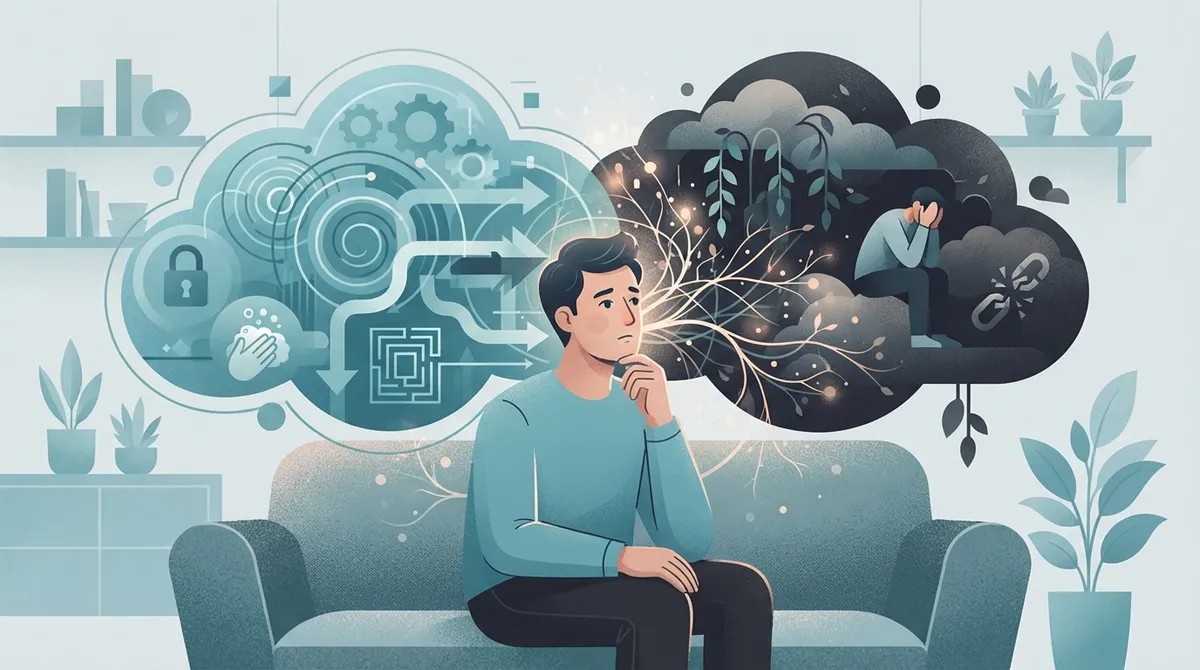
OCD depression refers to the co-occurrence of obsessive-compulsive disorder and major depressive disorder. These two conditions often show up together, and research shows nearly 25 to 50 percent of people with OCD also experience depression at some point. It’s not just bad luck. The constant mental exhaustion from OCD can wear down your mood over time.
Think of it like this: OCD keeps your brain stuck on repeat, replaying fears and forcing rituals to calm them. That mental loop is draining. Eventually, many people start feeling hopeless, tired, and disconnected from things they once enjoyed. That’s where depression creeps in.
Common Signs You Might Be Dealing With Both
It helps to know what to look for. Here are signs that often show up when OCD and depression overlap:
- Intrusive, repetitive thoughts that feel impossible to control
- Compulsive behaviors like checking, cleaning, or counting that bring only brief relief
- Persistent sadness or a sense of emptiness lasting most of the day
- Loss of interest in hobbies, friends, or activities you used to love
- Fatigue, even after a full night’s sleep
- Feelings of guilt or worthlessness tied to your obsessions
- Trouble concentrating at work, school, or home
If several of these sound familiar, it may be time to reach out for professional support. You can learn more about OCD and Depression: What You Need to Know to see how these conditions intertwine.
Why Does OCD Lead to Depression So Often?
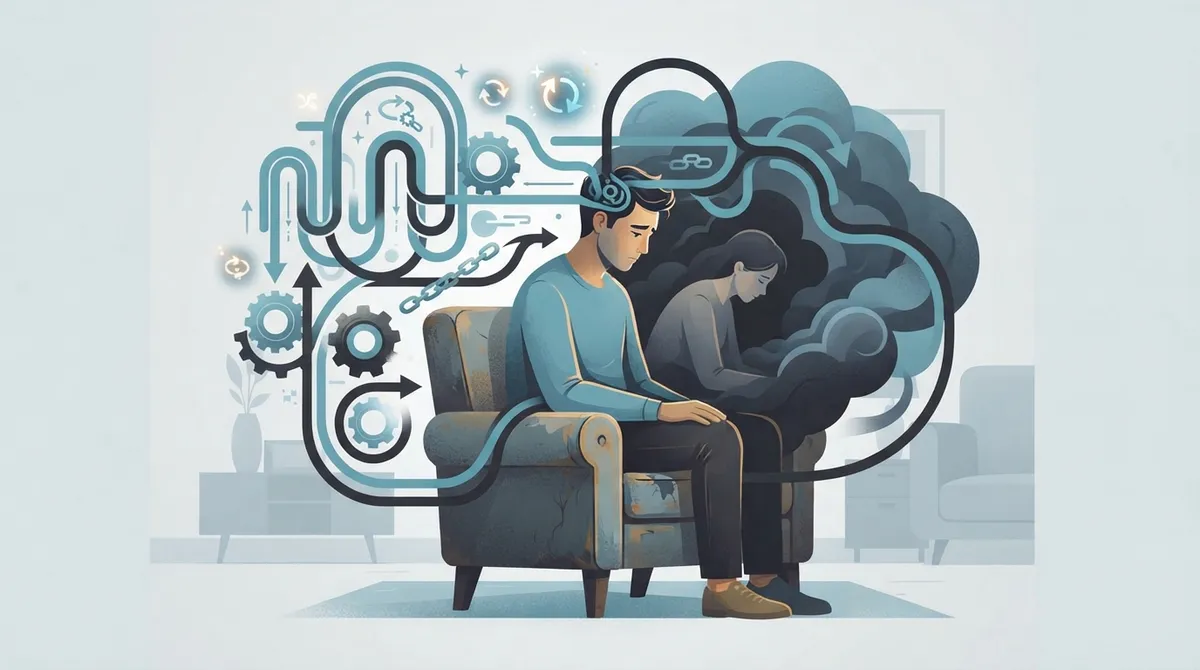
Living with OCD is like carrying a heavy backpack every single day. The mind never fully rests. Over time, this exhausting cycle can chip away at self-esteem and hope. Here are a few reasons the two conditions travel together so often:
- Chronic mental fatigue. Constant obsessive thoughts drain your emotional energy, leaving little left for joy or motivation.
- Shame and isolation. Many people hide their compulsions out of embarrassment, which increases loneliness and sadness.
- Disrupted daily life. OCD rituals can eat up hours each day, making it hard to keep up with work, school, or relationships.
- Brain chemistry overlap. Both conditions involve similar neurotransmitters, like serotonin, which affect mood and anxiety regulation.
- Loss of control. Feeling unable to stop intrusive thoughts can trigger hopelessness, a hallmark symptom of depression.
Understanding these connections is the first step toward breaking the cycle. It also explains why treating just one condition often isn’t enough. A comprehensive approach that addresses both is key.
How to Get an Accurate Diagnosis
Getting the right diagnosis matters. Too often, OCD symptoms get mistaken for general anxiety, or depression gets treated without addressing the underlying obsessive patterns. Here’s how the process typically works:
- Schedule an initial consultation with a licensed therapist who understands both conditions.
- Complete a thorough assessment covering your thoughts, behaviors, mood, and daily functioning.
- Discuss your personal and family history, since both OCD and depression can run in families.
- Receive a clear explanation of your diagnosis and what it means for treatment.
- Collaborate on a personalized treatment plan tailored to your specific symptoms.
Margaret Deuerlein, a psychotherapist with West Florida Therapy, brings warmth and expertise to this process. She takes time to truly listen, helping clients feel understood rather than judged. You can read more About Margaret Deuerlein and her approach to compassionate, effective care.
Treatment Options That Actually Work
The good news is that OCD depression responds well to treatment. You don’t have to white-knuckle your way through this. Here’s a breakdown of proven approaches:
| Treatment Type | What It Involves | Best For |
|---|---|---|
| Cognitive Behavioral Therapy (CBT) | Identifies and reshapes negative thought patterns | Both OCD and depressive symptoms |
| Exposure and Response Prevention (ERP) | Gradual exposure to fears without performing compulsions | OCD-specific symptoms |
| EMDR Therapy | Processes distressing memories linked to trauma or triggers | Trauma-related OCD or depression |
| Individual Therapy | One-on-one sessions focused on personal goals and coping skills | General support and symptom management |
| Telehealth Sessions | Virtual therapy from home, anywhere in Florida | Busy schedules or limited mobility |
For many clients, Emdr Treatment combined with talk therapy creates powerful results. Others find that structured Depression Treatment paired with OCD-focused strategies gives them their life back.
Steps to Start Feeling Better Today
Healing doesn’t happen overnight, but small steps add up. Here’s a simple roadmap to get started:
- Acknowledge that what you’re feeling is real and valid, not a personal failure.
- Reach out to a licensed therapist who specializes in OCD and mood disorders.
- Be honest during your first session, even about the thoughts that feel embarrassing.
- Commit to consistent sessions, whether weekly or biweekly, to build momentum.
- Practice coping skills between sessions, like mindfulness or journaling.
- Track your progress and celebrate small wins along the way.
Our Our Process page walks you through exactly what to expect when you begin therapy with us, from that first phone call to ongoing support.
Special Considerations for Different Life Stages
Support for Teens and Adolescents
Teenagers dealing with OCD depression face unique pressures. School stress, social anxiety, and family dynamics can make symptoms worse. Parents often notice changes like withdrawal, irritability, or declining grades before they realize what’s happening. Our Virtual Therapy for Adolescents in Brandon, FL offers a flexible, accessible option for teens who may feel more comfortable opening up from home.
Support for Young Adults and Millennials
Young adults juggling college, careers, and independence often push their mental health to the back burner. But untreated OCD depression can affect job performance, relationships, and self-worth. If you’re in this stage of life, 15 Reasons to Try Individual Therapy for Adults in Brandon offers helpful insight into why now is a good time to invest in yourself.
Support for Couples
OCD depression doesn’t just affect the individual. It can strain relationships too. Partners may feel confused, frustrated, or helpless watching someone they love struggle. Couples counseling can rebuild connection and understanding. Explore Couples Therapy to see how working together can strengthen your bond during hard times.
Bilingual Support for Spanish-Speaking Clients
Mental health struggles don’t discriminate by language, but access to care sometimes does. That’s why West Florida Therapy offers bilingual services in English and Spanish. If you or a loved one feels more comfortable expressing emotions in Spanish, you deserve a therapist who truly understands you, not just your words. This removes a major barrier many Hispanic families in Florida face when seeking help.
Comparing In-Person and Virtual Therapy Options
Not sure which format fits your life better? Here’s a quick comparison to help you decide:
| Feature | In-Person Therapy | Virtual Therapy |
|---|---|---|
| Location | Office in Brandon, Florida | Anywhere in Florida |
| Convenience | Requires travel | Sessions from home |
| Comfort Level | Face-to-face connection | Privacy of your own space |
| Scheduling | Set appointment times | Flexible, fits busy lives |
| Best For | Those who prefer in-person interaction | Busy professionals, students, or those with mobility limits |
Both formats offer the same quality of care. Learn more about our Telehealth Therapy Florida services or visit us for In Person Therapy In Brandon Florida.
Building Long-Term Coping Skills
Therapy gives you tools that last well beyond your sessions. Here are strategies our clients find helpful for managing OCD depression day to day:
- Practice grounding techniques when intrusive thoughts spike
- Set small, achievable daily goals to counter feelings of hopelessness
- Limit reassurance-seeking behaviors that reinforce OCD cycles
- Build a support network of friends, family, or support groups
- Prioritize sleep, movement, and nutrition to support brain health
- Practice self-compassion instead of self-criticism
According to the Mental Health Resources from the CDC, consistent routines and social connection play a major role in recovery from co-occurring mental health conditions. Combining these habits with professional treatment creates the strongest foundation for healing.
When to Seek Professional Help
Some signs mean it’s time to stop waiting and reach out for support. Consider professional help if you notice:
- Compulsions taking up more than an hour of your day
- Thoughts of self-harm or feeling like life isn’t worth living
- Withdrawing from friends, family, or responsibilities
- Symptoms worsening despite your best efforts to cope alone
If any of these apply to you, please don’t wait. The Mental Health Links from the Florida Department of Health offer additional resources, and our team is ready to help you take that next step.
What Makes West Florida Therapy Different
We understand that reaching out for help takes courage. That’s why our team focuses on creating a warm, judgment-free space for healing. With bilingual services, flexible telehealth options, and specialists like Margaret Deuerlein who genuinely care about your progress, you’re never just a number here.
You can also explore related topics like Understanding Anxiety Signs Types And Treatment Options or What Is Depression And How Does It Affect Your Daily Life to build a fuller picture of your mental health journey. Curious what past clients think? Feel free to Visit us on Google — West Florida Therapy and see their experiences for yourself.
Your Next Step Toward Healing
Living with OCD depression is hard, but you don’t have to figure it out alone. With the right support, real relief is possible. Whether you’re a stressed millennial, an anxious teen, a worried parent, or someone rebuilding a relationship strained by mental health struggles, there is a path forward designed just for you.
Ready to take that first step? Contact Us today to schedule your free 15-minute consultation and start building a treatment plan that fits your life. You deserve to feel like yourself again, and we’re here to help you get there.
FAQs
Q: Can OCD cause depression?
A: Yes, absolutely. Living with constant intrusive thoughts and compulsions is exhausting, and that exhaustion often leads to sadness, hopelessness, and depression over time. The two conditions frequently show up together, which is why treating both matters so much.
Q: What treatment works best for OCD and depression together?
A: Cognitive Behavioral Therapy, especially Exposure and Response Prevention, works wonders for OCD symptoms, while also helping lift depressive symptoms. Many clients also benefit from combining this with EMDR or individual therapy for a more complete approach.
Q: How do I know if I have OCD depression or just anxiety?
A: It can be tricky to tell on your own, which is exactly why a proper assessment helps so much. A licensed therapist can look at your specific thought patterns, behaviors, and mood to give you clarity and the right diagnosis.
Q: Is virtual therapy effective for treating OCD and depression?
A: Yes, telehealth therapy is just as effective as in-person sessions for many people. It offers privacy, flexibility, and convenience, which can actually make it easier to stay consistent with treatment.
Q: Does West Florida Therapy offer bilingual support for OCD depression?
A: Yes, we proudly offer services in both English and Spanish. We believe everyone deserves compassionate, understandable care, no matter which language feels most comfortable for you.