

Key Takeaways
-
Distinguish between anxiety (future-focused ‘what if’ thoughts) and grief (past-focused sadness) after breakup—most people experience both, and identifying which dominates helps you choose appropriate coping strategies.
-
Breakups trigger anxiety because they disrupt routine, shatter identity, and activate your nervous system’s fight-or-flight response; rebuilding daily structure and moving your body are among the most effective ways to restore control.
-
Seek professional help if anxiety persists beyond several weeks, causes panic attacks, interferes with work/school, or you turn to substances to cope—untreated anxiety deepens over time and therapy offers evidence-based tools like CBT and ACT.
-
Label your emotions explicitly (‘I’m feeling anxious right now’) to activate your rational brain and reduce emotional intensity; simultaneously limit social media checking to break the anxiety feedback loop.
-
Breakup anxiety often overlaps with depression, creating conflicting feelings of being wired yet exhausted; recognize signs like two weeks of persistent sadness or loss of interest to determine if you need combined anxiety and depression treatment.
-
Therapy provides structured professional support that friends cannot—a trained therapist identifies patterns, teaches personalized coping tools, and helps you understand why the anxiety feels so physically intense.
You thought you were handling the breakup okay. Then the racing heart started. Sleep became impossible. You replay every conversation, wondering what went wrong. Sound familiar? Anxiety after a breakup is incredibly common, and many people are surprised by how physically and emotionally intense it can feel. But here’s a question worth asking: is what you’re feeling anxiety, grief, or both? Understanding the difference can actually change how you heal.
Breakups shake the foundation of daily life. They disrupt routines, identity, and a sense of the future. Whether you ended the relationship or it ended for you, the emotional aftermath can be overwhelming. In this article, we’ll break down the differences between anxiety and grief after a breakup, help you recognize your symptoms, and explore when it might be time to reach out for professional support.
What Does Anxiety After a Breakup Actually Feel Like?
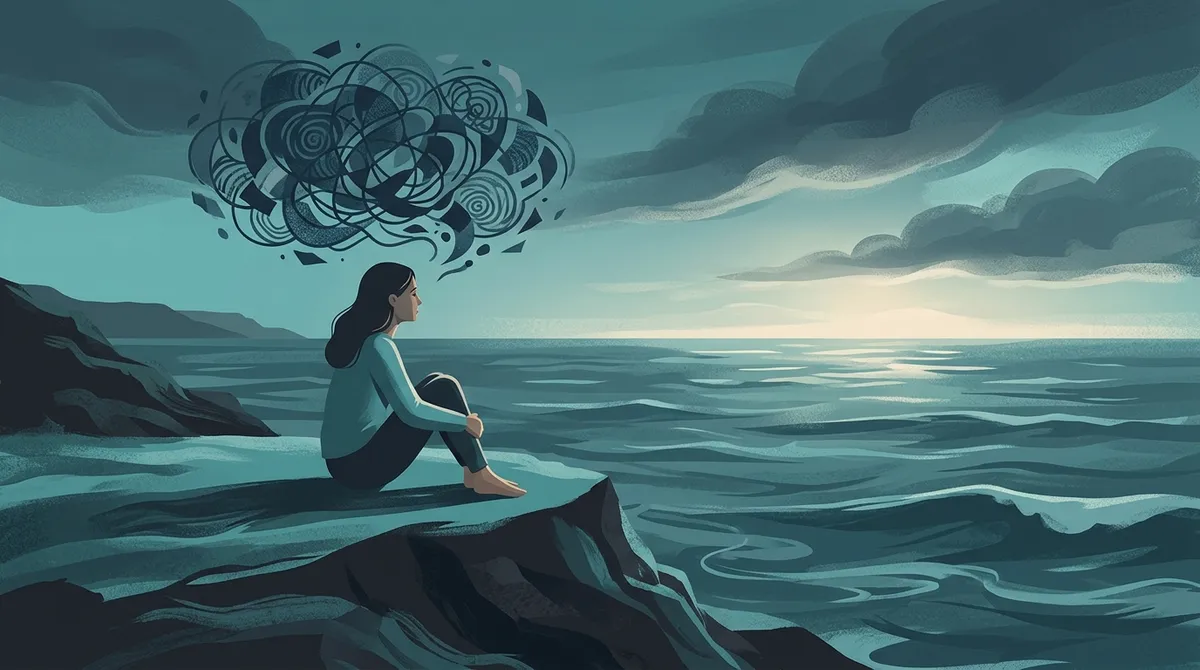
Anxiety is a future-focused emotion. After a breakup, it often shows up as relentless “what if” thinking. What if I never find someone again? What if I made a terrible mistake? What if they were the one? These thoughts can spiral quickly and feel impossible to turn off.
Common signs of breakup-related anxiety include:
- Racing or intrusive thoughts about the relationship
- Difficulty sleeping or staying asleep
- Physical symptoms like a tight chest, rapid heartbeat, or upset stomach
- Constant checking of your ex’s social media
- Difficulty concentrating at work or school
- Feeling restless, on edge, or easily startled
- Avoiding certain places, people, or activities tied to the relationship
If these symptoms sound familiar, you’re not alone. Anxiety treatment can offer real relief, especially when those anxious thought loops feel impossible to escape on your own. You can also learn more about understanding anxiety signs, types, and treatment options to better identify what you’re experiencing.
What Does Grief After a Breakup Feel Like?
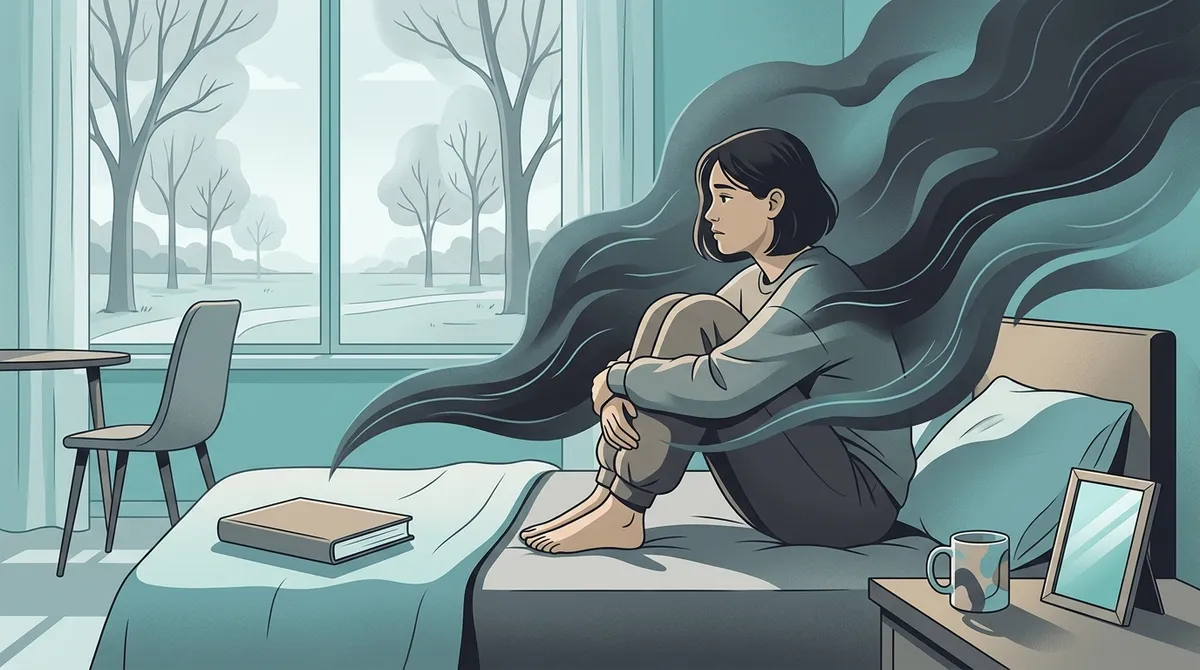
Grief is a past-focused emotion. It’s the deep sadness of losing something that mattered to you. Grief after a breakup is real, valid, and often misunderstood. Many people don’t give themselves permission to mourn a relationship, especially if no one died. But loss is loss.
Common signs of breakup grief include:
- Deep sadness or crying, sometimes without warning
- Missing specific moments, routines, or the person themselves
- A heavy, hollow feeling in your chest
- Loss of motivation or interest in things you used to enjoy
- Feeling like part of your identity is missing
- Longing for how things used to be
Grief follows its own timeline. It doesn’t move in a straight line. Some days feel manageable, and others hit you out of nowhere. Resources from Mental Health Resources confirm that emotional loss — including relationship loss — triggers genuine grief responses in the brain and body.
Anxiety vs. Grief: A Side-by-Side Comparison
It helps to see these two experiences laid out clearly. Here’s a comparison to help you identify which one (or both) you might be dealing with:
| Feature | Anxiety After Breakup | Grief After Breakup |
|---|---|---|
| Time focus | Future-oriented (“What will happen to me?”) | Past-oriented (“I miss what we had”) |
| Core feeling | Fear, worry, dread | Sadness, longing, emptiness |
| Physical symptoms | Racing heart, tension, restlessness | Fatigue, heaviness, low energy |
| Thinking pattern | Racing “what if” thoughts | Replaying good memories |
| Behavior changes | Hypervigilance, avoidance, checking | Withdrawal, low motivation |
| Sleep impact | Trouble falling asleep, racing mind | Sleeping too much or too little |
| Duration concern | Worsens without coping strategies | Gradually eases over time |
Most people experience a mix of both after a breakup. That’s completely normal. However, when anxiety starts dominating and interfering with your daily life, it’s worth paying closer attention. Understanding the connection between mood issues and relationship loss can also help you make sense of what you’re going through.
Why Breakups Trigger Anxiety So Strongly
Relationships create emotional safety and predictability. When that suddenly disappears, your nervous system goes on high alert. Your brain interprets the loss as a threat, which activates the same fight-or-flight response tied to physical danger. This is why anxiety after a breakup can feel so overwhelming and physical, not just emotional.
Here are four key reasons breakups fuel anxiety:
- Loss of routine: Relationships structure our days. When that structure disappears, uncertainty floods in.
- Identity disruption: We often define ourselves partly through our relationships. A breakup can trigger a crisis of “who am I now?”
- Fear of the unknown: The future suddenly feels unpredictable, which is a major anxiety trigger.
- Attachment activation: If you have anxious attachment patterns, breakups can trigger deep fears of abandonment or unworthiness.
If you’ve noticed that breakup anxiety connects to deeper patterns — like always fearing abandonment or struggling in relationships — it may be worth exploring why fear of relationships holds you back.
When Is Breakup Anxiety Normal vs. When to Get Help?
Some anxiety after a breakup is completely expected. Your life just changed significantly. Give yourself grace. But there are signs that the anxiety has moved beyond a normal healing response and into something that needs professional support.
Consider reaching out for help if you notice:
- Anxiety that doesn’t ease after several weeks
- Panic attacks or intense physical symptoms
- Difficulty functioning at work, school, or home
- Turning to alcohol or substances to cope
- Thoughts of self-harm or feeling hopeless
- Anxiety spreading to other areas of life beyond the breakup
The Substance Abuse & Mental Health resources in Florida emphasize that untreated anxiety can deepen over time, especially when compounded by relationship loss. Don’t wait until it becomes unmanageable. If panic attacks are part of your experience, that’s a clear signal that professional support could make a significant difference.
Healthy Ways to Cope With Anxiety After a Breakup
Healing isn’t linear, but there are steps you can take right now to start feeling better. Here are practical strategies that actually help:
- Name what you’re feeling: Simply labeling your emotion (“I’m feeling anxious right now”) activates the rational part of your brain and reduces the emotional charge.
- Limit social media checking: Constantly monitoring your ex’s online activity feeds the anxiety loop. Set boundaries around this habit.
- Rebuild daily structure: Anxiety thrives in uncertainty. Creating a simple daily routine — even small ones like a morning walk — restores a sense of control.
- Move your body: Exercise is one of the most effective natural anxiety relievers. Even a 20-minute walk can shift your nervous system out of high alert.
- Talk to someone you trust: Isolation makes anxiety worse. Lean on supportive friends, family, or a therapist who can hold space for you without judgment.
You can also explore natural remedies for anxiety that complement professional support. Mindfulness is another powerful tool — check out 10 mindfulness techniques that transform mental health in 2026 for ideas you can start using today.
How Therapy Helps With Anxiety After a Breakup
Therapy provides something self-help alone often can’t: a safe, structured space to process your emotions with a trained professional. A therapist can help you untangle whether you’re dealing with anxiety, grief, depression, or a combination, and create a personalized plan to address it.
Several evidence-based approaches work especially well for breakup anxiety:
- Cognitive Behavioral Therapy (CBT): Helps you identify and reframe anxious thought patterns
- Acceptance and Commitment Therapy (ACT): Teaches you to observe anxious thoughts without being controlled by them
- EMDR: Particularly helpful if the breakup involved trauma or triggered past wounds
- Somatic therapy: Addresses the physical symptoms of anxiety stored in the body
At West Florida Therapy, Margaret Deuerlein is a caring, experienced psychotherapist who specializes in helping adults and adolescents navigate anxiety, relationship loss, and emotional pain. She offers both in-person sessions in Brandon, Florida, and telehealth therapy throughout Florida — so support is never far away.
If you’re not sure whether therapy is right for you, Margaret offers a free 15-minute consultation so you can ask questions and see if it feels like a good fit. You can also learn more about what to expect from the therapy process.
What About When Breakup Anxiety Overlaps With Depression?
Sometimes anxiety and depression show up together after a breakup. You might feel both wired and exhausted, both worried about the future and hopeless about it. This overlap is more common than most people realize. The Mental Health Links from Florida’s Department of Health highlight how relationship disruption is one of the leading triggers for both anxiety and depressive episodes.
Signs that depression may be part of the picture include:
- Persistent sadness lasting more than two weeks
- Loss of pleasure in activities you normally enjoy
- Changes in sleep, appetite, or energy
- Feelings of worthlessness or guilt
If this resonates, depression treatment alongside anxiety support may be the most effective path forward. You might also find it helpful to understand 13 signs of separation depression and how to heal.
Moving Forward: You Don’t Have to Do This Alone
Healing from a breakup takes time, and anxiety after a breakup can make that process feel so much harder. But you don’t have to white-knuckle your way through it. Recognizing whether you’re dealing with anxiety, grief, or both is the first step toward real healing.
Be patient with yourself. Reach out to the people who care about you. And if the anxiety isn’t easing, or it’s getting in the way of your daily life, consider talking to a professional. You deserve support, not just survival.
Ready to take that first step? Reach out to our compassionate team at West Florida Therapy and start your healing journey today. You can also visit West Florida Therapy on Google to read reviews from people who’ve been where you are — and found their way through.
FAQs
Q: How long does anxiety after a breakup typically last?
A: There’s no one-size-fits-all answer, but most people notice the sharpest anxiety easing within a few weeks as they rebuild routine and process emotions. If your anxiety is still intense after a month or two, or it’s getting worse rather than better, that’s a great time to chat with a therapist who can offer personalized support.
Q: Can a breakup trigger an anxiety disorder?
A: Yes, it can! For some people, the stress of a breakup can activate or worsen an underlying anxiety disorder, especially if there are pre-existing patterns like anxious attachment or a history of anxiety. The good news is that anxiety disorders are very treatable, and working with a therapist can help you not only recover from the breakup but build stronger emotional resilience going forward.
Q: Is it normal to feel physical symptoms like chest tightness after a breakup?
A: Absolutely — and you’re not imagining it! Your brain processes emotional pain through the same pathways as physical pain, so a racing heart, tight chest, or upset stomach after a breakup are real, valid physical responses to emotional stress. If physical symptoms are intense or persistent, it’s worth talking to both your doctor and a mental health professional.
Q: How is therapy for breakup anxiety different from just talking to friends?
A: Friends are wonderful, but therapy offers something different: a trained professional who can identify patterns, teach evidence-based coping tools, and help you process emotions in a structured, judgment-free space. A therapist like Margaret at West Florida Therapy can help you understand why the anxiety feels so intense and create a personalized plan to move through it more effectively.
Q: What’s the difference between breakup anxiety and breakup grief?
A: Anxiety after a breakup is mostly future-focused — it’s the worry, “what if” thinking, and fear about what comes next. Grief is past-focused — it’s the sadness, longing, and missing what you had. Most people feel both, and that’s completely normal. Understanding which one is louder for you can help you choose the right coping strategies and know when to seek professional help.