
Key Takeaways
-
People with epilepsy are 2-3 times more likely to experience depression, with nearly 1 in 4 epilepsy patients experiencing clinical depression; this bidirectional relationship means seizures disrupt mood-regulating brain chemistry while depression worsens medication adherence and seizure control.
-
Suicide risk is 40-50% higher in people with epilepsy and up to 5 times greater in medication-resistant cases, making routine mental health screening and professional support essential rather than optional in epilepsy care.
-
Cognitive Behavioral Therapy (CBT) is safe and highly effective for epilepsy patients with depression because it carries no risk of drug interactions with anti-seizure medications, unlike some antidepressants that may lower seizure thresholds.
-
Children with epilepsy have 5 times higher rates of depression, anxiety, ADHD, and autism; early intervention through specialized therapy helps them develop coping skills and prevents long-term emotional complications.
-
Over 53% of epilepsy caregivers experience anxiety and 31% struggle with insomnia; seeking individual or couples therapy is necessary self-care for caregivers, not a luxury.
-
An integrated care model with neurologists, psychiatrists, therapists, and primary care providers collaborating ensures safe treatment selection and routine mental health screening as part of comprehensive epilepsy management.
Living with epilepsy is hard enough on its own. But what many people don’t realize is that epilepsy and depression often go hand in hand. In fact, people with epilepsy are two to three times more likely to experience depression than the general population. That’s a staggering number — and it means millions of people are silently battling two serious conditions at once.
Whether you’re managing epilepsy yourself, supporting a loved one, or caring for a child with the condition, understanding this connection is the first step toward getting the right help. The good news? With the right mental health support, people with epilepsy can live full, meaningful lives. Let’s explore why this link exists and what you can do about it.
The Strong Connection Between Epilepsy and Depression
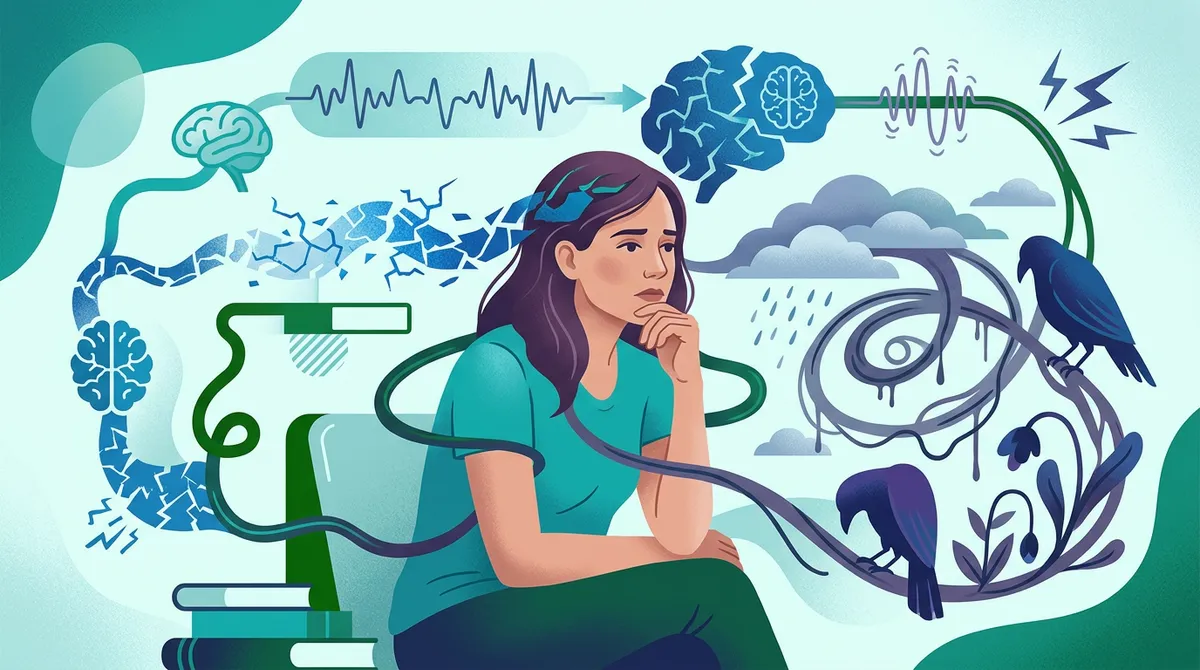
The relationship between epilepsy and depression isn’t just a coincidence. Research shows this link runs deep and goes both ways. People with epilepsy are more likely to develop depression — and people with depression are more likely to develop epilepsy. Scientists call this a bidirectional relationship.
This connection happens because epilepsy affects the brain directly. Seizures can disrupt brain chemistry, including the systems that regulate mood. Anti-seizure medications can also have side effects that impact how a person feels emotionally. Add to that the daily stress of living with an unpredictable condition, and it’s no wonder that mental health challenges are so common among people with epilepsy.
According to recent data, nearly 1 in 4 people with epilepsy experiences depression. That’s 25% of all epilepsy patients — a number too large to ignore. For more on what depression looks and feels like day to day, check out this helpful resource on what depression is and how it affects daily life.
Why People With Epilepsy Are More Vulnerable to Depression
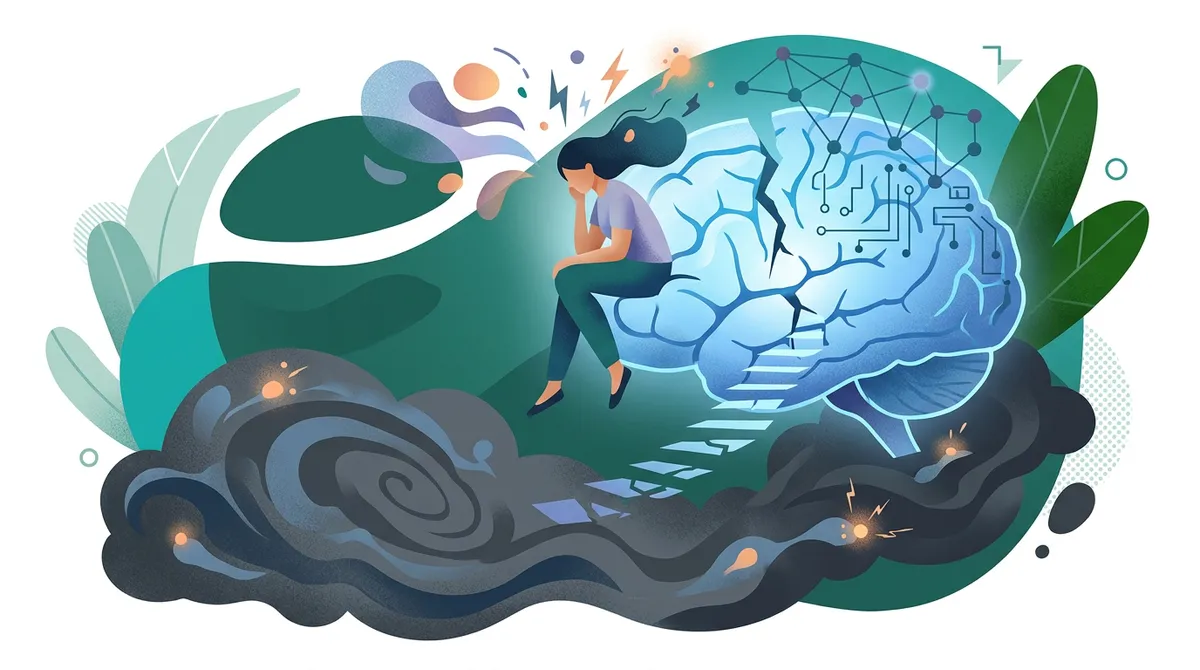
There isn’t just one reason why epilepsy and depression overlap so often. Several factors work together to create this vulnerability.
Biological Factors
Seizures alter brain activity in ways that can disrupt serotonin and dopamine — the brain chemicals closely tied to mood. When these chemicals are thrown off balance, depression can follow. Some anti-seizure medications also affect mood as a side effect, making emotional symptoms harder to manage.
Psychological and Social Factors
Living with epilepsy brings real-life challenges. Fear of having a seizure in public, losing a driver’s license, or feeling misunderstood by friends and family can all contribute to feelings of hopelessness and isolation. These feelings, left unaddressed, often develop into clinical depression.
The Stress of Chronic Illness
Managing any chronic illness is exhausting. The unpredictability of epilepsy adds an extra layer of stress. You never know when a seizure might happen. That constant uncertainty can fuel anxiety and mood issues that spiral into depression if not treated.

Key Statistics You Should Know
Sometimes numbers tell the story better than words. Here’s a snapshot of what the research shows about epilepsy and mental health:
| Statistic | Detail |
|---|---|
| Global epilepsy cases | 50 million people worldwide |
| U.S. epilepsy cases | 3.4 million Americans live with active epilepsy |
| Depression in epilepsy | Nearly 1 in 4 people with epilepsy experience depression |
| Suicide risk | 40-50% higher in people with epilepsy; up to 5 times greater overall |
| Children with epilepsy | 5 times higher rates of depression, anxiety, and ADHD vs. peers |
| Caregiver anxiety | 53% of epilepsy caregivers experience anxiety |
These numbers highlight just how important it is to treat epilepsy and depression as a connected problem — not two separate issues. For information on understanding anxiety signs, types, and treatment options, which often co-occur with depression in epilepsy, this resource is a great place to start.

The Elevated Suicide Risk — Why It Matters
One of the most serious concerns in epilepsy and depression is the elevated risk of suicide. People with epilepsy have a 40-50% higher suicide rate than the general population. In medication-resistant epilepsy cases, that risk climbs even higher.
This isn’t meant to scare you. It’s meant to underscore that emotional support isn’t optional for epilepsy patients — it’s essential. When depression goes untreated, the consequences can be devastating. This is why mental health screening should be a routine part of epilepsy care, not an afterthought.
If you or someone you love is struggling, reaching out to a mental health professional is one of the most important steps you can take.
How Depression Worsens Epilepsy
Here’s something that often surprises people: depression doesn’t just result from epilepsy — it can also make epilepsy worse. This is part of what makes the bidirectional relationship so dangerous.
When depression is present, people are less likely to take their medications consistently. They may skip appointments, isolate themselves, and neglect self-care — all of which can increase seizure frequency. Untreated depression also worsens overall quality of life, making it harder to cope with the daily demands of managing epilepsy.
Treating depression, in turn, can improve epilepsy outcomes. Better mood often means better medication adherence, better sleep, and better overall health. It’s a powerful reminder that the brain and body are deeply connected — and that depression treatment is never just about mood.
Children With Epilepsy and Mental Health
The impact of epilepsy on mental health doesn’t stop with adults. Children with epilepsy face significant emotional challenges too. Research shows they have five times higher rates of depression, anxiety, autism, and ADHD compared to their peers.
Signs of depression in children with epilepsy can look a little different than in adults. Watch for:
- Withdrawal from friends and activities they used to enjoy
- Irritability or frequent emotional outbursts
- Declining grades or loss of interest in school
- Sleep problems or changes in appetite
- Excessive worry or fearfulness about having seizures
- Low self-esteem or negative self-talk
If you notice these signs in your child, don’t wait. Early intervention makes a huge difference. Therapy tailored for adolescents can help children process their emotions and build coping skills. Anxiety treatment is also commonly needed alongside depression support for children with epilepsy.
Caregivers Need Mental Health Support Too
If you’re caring for someone with epilepsy, your mental health matters just as much. Studies show that 53% of epilepsy caregivers experience anxiety, and 31% struggle with insomnia. That’s more than half of all caregivers carrying a heavy emotional load.
Caregiving is an act of love — but it can also be overwhelming. Feeling anxious, burned out, or emotionally drained doesn’t mean you’re doing it wrong. It means you’re human. The Mental Health Resources from the CDC offer some guidance for caregivers navigating these challenges.
Seeking therapy as a caregiver is not a luxury — it’s a necessity. Individual therapy can give you a private space to process your feelings without judgment. And if caregiver stress is affecting your relationship with a partner, couples therapy can help you navigate those tensions together.
Effective Mental Health Treatments for Epilepsy Patients
The good news is that depression in epilepsy is very treatable. The key is finding approaches that are safe and effective given the neurological complexity of epilepsy. Here are the main treatment options:
1. Psychotherapy (Talk Therapy)
Therapy is widely considered safe and effective for depression in people with epilepsy. Cognitive Behavioral Therapy (CBT) is especially helpful. It teaches patients to identify negative thought patterns and replace them with healthier ones. Unlike medications, therapy carries no risk of drug interactions with anti-seizure medications.
2. Carefully Selected Medications
Some antidepressants are safe for people with epilepsy, while others may lower the seizure threshold. A collaborative approach — where a psychiatrist and neurologist work together — is essential for safe medication management. Never add or change medications without input from your care team.
3. Integrated Care Models
The gold standard in epilepsy care is an integrated approach. This means neurologists, psychiatrists, therapists, and primary care providers all working together. Routine mental health screening, interdisciplinary collaboration, and patient-centered planning make a real difference. The Florida Department of Health’s Mental Health Links can help connect you with local resources.
Steps to Getting Mental Health Support With Epilepsy
Not sure where to start? Here’s a simple path forward:
- Talk to your neurologist about your emotional well-being. Ask for a mental health screening as part of your regular epilepsy care.
- Find a therapist experienced in chronic illness or neurological conditions. They’ll understand the unique challenges you face.
- Share your full medication list with any mental health provider so they can choose treatments that are safe for your epilepsy.
- Consider family or caregiver support so that everyone involved in your care gets the help they need.
- Reach out to community resources like the Florida Department of Children and Families Substance Abuse & Mental Health services for additional support.
How West Florida Therapy Can Help
At West Florida Therapy, Margaret Deuerlein and the team understand that mental health challenges rarely exist in isolation. If you or a loved one is managing epilepsy and depression, we offer compassionate, individualized therapy that meets you where you are. Whether you prefer in-person sessions in the office or virtual therapy from anywhere in Florida, we’re here for you. Bilingual services in English and Spanish are also available, so language is never a barrier to getting support.
Margaret Deuerlein is a caring psychotherapist who takes time to truly understand each client’s unique situation. She works with individuals and couples to help them process difficult emotions, build coping skills, and reclaim a sense of hope. You can visit us on Google to read reviews and learn more about what our clients experience.
We know reaching out can feel like a big step. But you don’t have to navigate epilepsy and depression alone. Explore our full range of therapy services and see how we can support your journey toward emotional wellness.
Signs That It’s Time to Seek Help
Sometimes people wait too long before reaching out for mental health support. Here are signs that it’s time to talk to someone:
- You feel sad, empty, or hopeless most of the time
- You’ve lost interest in activities that once brought you joy
- You’re having trouble sleeping or you’re sleeping too much
- You feel like a burden to others
- You’ve had thoughts of harming yourself
- Your seizures seem harder to control despite medication
- You’re withdrawing from friends, family, or support systems
If any of these resonate with you, please don’t wait. Recognizing when you need help is a sign of strength, not weakness. For additional context on how stress and mood interact, our article on acute vs. chronic stress is worth a read.
A Final Note: Hope Is Real
Epilepsy and depression together can feel overwhelming. But please hear this: treatment works. People improve. Life gets better. With the right combination of neurological care and mental health support, many people with epilepsy go on to live joyful, connected, and purposeful lives.
You are more than your diagnosis. And you deserve support that sees all of you — not just the seizures, but the emotional weight that comes with them too.
If you’re ready to take the next step, we’d love to walk that path with you. Reach out to our compassionate team today and let’s talk about how we can help you or your loved one move toward healing.
FAQs
Q: What is the link between epilepsy and depression?
A: Epilepsy and depression share a bidirectional relationship — each condition can increase the risk of the other. Seizures can disrupt brain chemistry that regulates mood, while the stress and stigma of living with epilepsy can contribute to emotional distress. The good news is that with the right mental health support, both conditions can be managed effectively.
Q: How common is depression in people with epilepsy?
A: Depression affects nearly 1 in 4 people with epilepsy, making it one of the most common challenges associated with the condition. Despite how widespread it is, depression in epilepsy often goes unrecognized and untreated. Routine mental health screening is an important part of comprehensive epilepsy care.
Q: What mental health treatments are safe for people with epilepsy?
A: Psychotherapy, particularly Cognitive Behavioral Therapy (CBT), is considered safe and highly effective for treating depression in people with epilepsy since it carries no risk of drug interactions. Some antidepressant medications can also be used safely when selected carefully in collaboration with a neurologist. An integrated care team approach is always the best path forward.
Q: How does epilepsy affect children’s mental health?
A: Children with epilepsy are five times more likely to experience depression, anxiety, ADHD, and autism compared to their peers. Signs to watch for include withdrawal, irritability, declining grades, and fear of seizures. Early therapy and support make a significant difference in a child’s emotional development and quality of life.
Q: Do caregivers of people with epilepsy need mental health support too?
A: Absolutely — and often they don’t get nearly enough! Research shows that over half of epilepsy caregivers experience anxiety, and nearly a third struggle with insomnia. Caring for a loved one with epilepsy is deeply meaningful but also incredibly demanding. Individual or couples therapy can provide caregivers with the tools to manage stress and protect their own well-being.