Key Takeaways
-
Schema therapy helps identify and transform deep-rooted emotional patterns that originated in childhood, providing a comprehensive approach to healing psychological wounds.
-
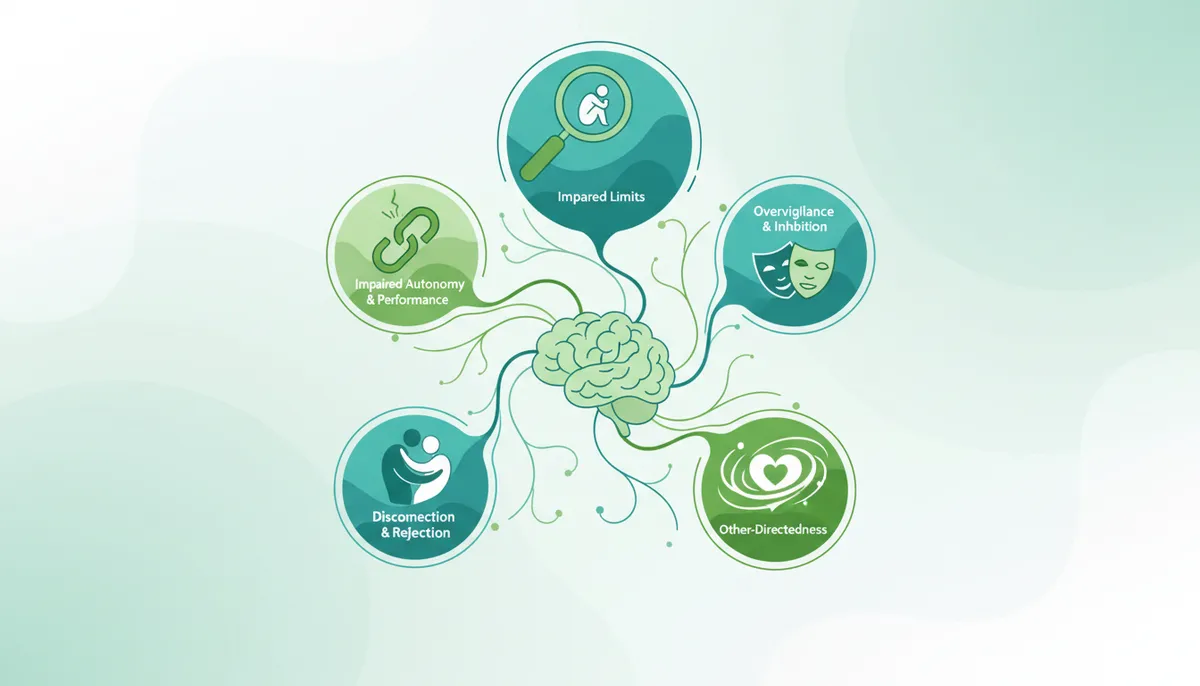
The therapy focuses on understanding five core domains: disconnection, impaired autonomy, impaired limits, other-directedness, and overvigilance.
-
Limited reparenting is a unique technique where therapists provide nurturing support to heal emotional gaps from childhood, creating a corrective therapeutic relationship.
-
Schema therapy combines multiple therapeutic approaches, including cognitive-behavioral, attachment, and emotion-focused techniques to create lasting personal change.
-
Unlike traditional CBT, schema therapy explores deeper emotional roots and works on transforming core beliefs rather than just managing surface-level symptoms.
-
The approach is particularly effective for complex issues like personality disorders, chronic depression, and relationship problems that haven’t responded to other treatments.
Have you ever felt stuck in patterns that keep hurting you? Maybe you find yourself drawn to the same types of unhealthy relationships, or you struggle with feelings that seem to come from nowhere. You’re not alone, and there’s good news: schema therapy might be the answer you’ve been looking for. This powerful approach helps people break free from deep-rooted patterns that started way back in childhood.
Schema therapy is different from regular talk therapy. It digs deeper into the core beliefs and emotional patterns that shape how you see yourself and the world around you. Developed by Dr. Jeffrey Young in the 1990s, this treatment combines the best parts of several therapy types to create something truly effective. Whether you’re dealing with anxiety, depression, relationship problems, or just feeling stuck in life, understanding schema therapy could be your first step toward lasting change.
At West Florida Therapy, we understand how challenging it can be to break free from old patterns. Our compassionate approach helps you identify and transform the beliefs that have been holding you back. Let’s explore what makes schema therapy so special and how it might help you live a happier, more fulfilling life.
What Exactly Is Schema Therapy?
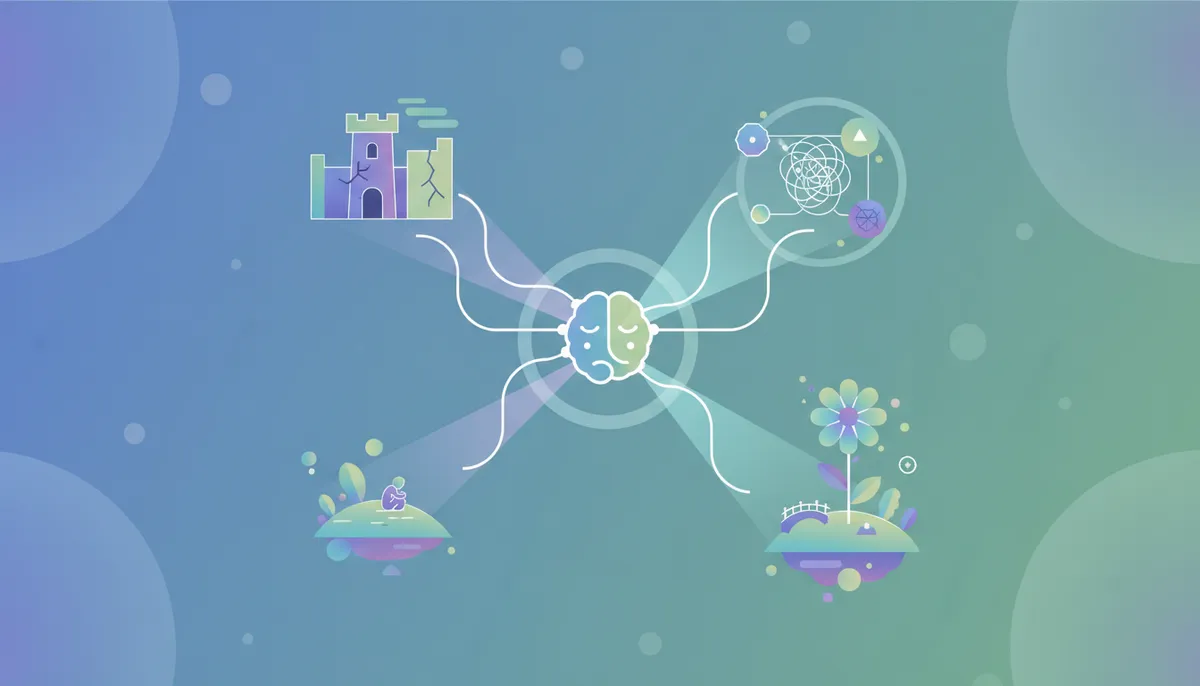
Schema therapy is an integrative treatment approach that helps people identify and change long-standing patterns called early maladaptive schemas. Think of these schemas as mental blueprints that developed during childhood. When your basic emotional needs weren’t met as a kid, your mind created these patterns to help you cope. The problem is that these patterns often cause more harm than good in adult life.
Dr. Jeffrey Young created schema therapy in the 1990s because traditional cognitive-behavioral therapy wasn’t helping everyone. Some people had patterns too deep for regular CBT techniques to reach. Schema therapy addresses this by combining multiple approaches: cognitive-behavioral techniques, attachment theory, psychodynamic concepts, and emotion-focused methods. This powerful combination creates a therapy that works where other treatments might fall short.
The approach focuses on healing emotional wounds from your past. Unlike some therapies that only look at current thoughts and behaviors, schema therapy examines where your patterns came from. This doesn’t mean you’ll spend years talking about your childhood. Instead, you’ll understand how past experiences shaped your present patterns and learn practical ways to change them.
Understanding the Building Blocks: Core Concepts
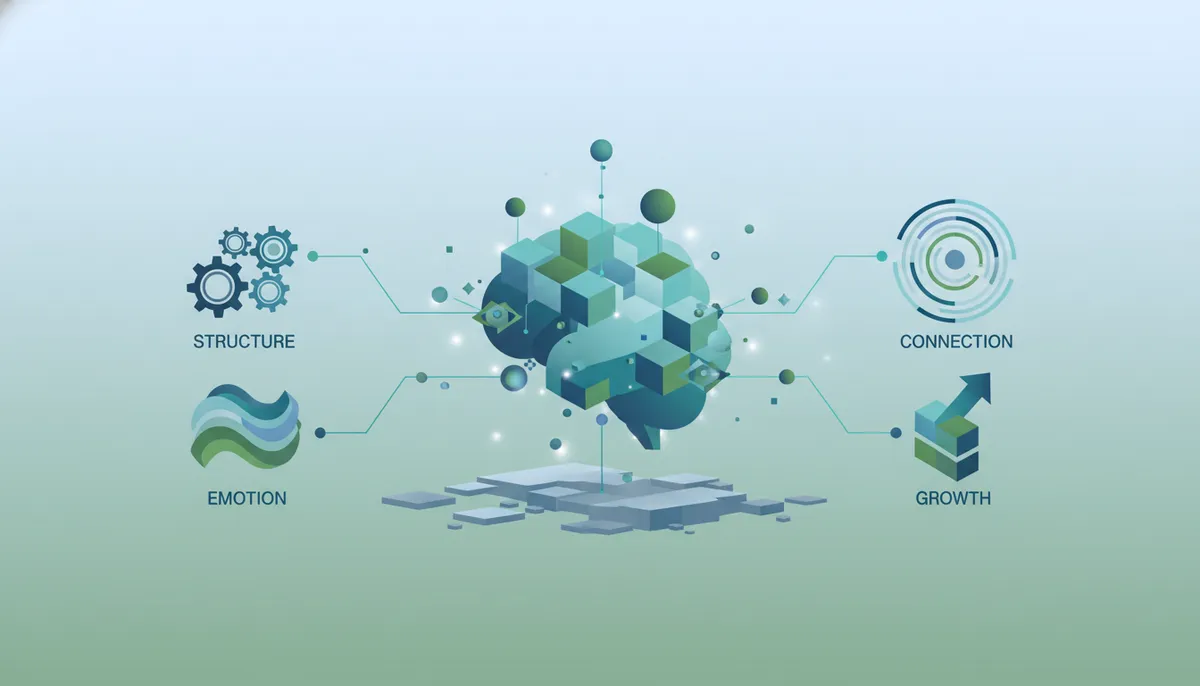
Schema therapy rests on four main concepts that work together to create lasting change. First are the early maladaptive schemas themselves – those self-defeating patterns that repeat throughout your life. These develop from the interplay between your natural temperament and difficult experiences with parents, siblings, or peers during childhood.
Second are schema domains, which group the 18 identified schemas into five categories. Each domain represents an important childhood need that wasn’t fully met. Third are coping styles – the ways you learned to deal with these unmet needs. You might have learned to avoid situations, surrender to negative patterns, or overcompensate by going to extremes.
Fourth are schema modes, which describe your emotional states at any given moment. You might shift between different modes throughout the day. For example, you might be in “vulnerable child mode” when feeling hurt, then switch to “angry protector mode” when defending yourself. Understanding these modes helps you recognize and manage your emotional reactions better.
The Five Schema Domains Explained
The disconnection and rejection domain includes patterns related to safety, security, and belonging. If you grew up feeling abandoned or rejected, you might struggle with trusting others or fear being alone. These schemas make relationships feel scary and unpredictable.
The impaired autonomy and performance domain affects your sense of independence and capability. You might feel incompetent, dependent on others, or convinced that failure is inevitable. These patterns can hold you back from pursuing your goals and dreams.
The impaired limits domain involves difficulty with self-control and respecting boundaries. Without proper limits in childhood, you might struggle with entitlement, self-discipline, or following through on commitments. This can create problems in work and relationships.
The other-directedness domain means putting others’ needs before your own to gain approval or avoid conflict. You might have trouble saying no, setting boundaries, or even knowing what you truly want. Your happiness becomes dependent on pleasing everyone else.
The overvigilance and inhibition domain creates excessive focus on rules, perfection, and control. You might be overly critical of yourself and others, struggle to relax, or believe that expressing emotions is wrong. This rigidity can make life feel joyless and exhausting.
How Schema Therapy Actually Works
Schema therapy uses a variety of practical techniques to create real change. Cognitive techniques help you examine and challenge your schemas. You’ll learn to collect evidence that contradicts your negative beliefs. For instance, if you believe “I’m unlovable,” you’ll identify times when people showed you love and care. Schema flashcards and diaries help you remember these new perspectives during difficult moments.
Emotion-focused techniques bring healing through experiential work. Guided imagery is particularly powerful – you’ll revisit painful childhood memories in your imagination, but this time with your therapist’s support and your adult understanding. This helps you process emotions you couldn’t handle as a child. Role-play and chair work allow you to express feelings and needs that were suppressed long ago.
Behavioral techniques help you practice new, healthier patterns in real life. You’ll rehearse adaptive behaviors in session, then try them out through homework assignments. Each success builds your confidence and proves that change is possible. Your therapist celebrates your progress, reinforcing these new, healthier patterns.
The Power of Limited Reparenting
Limited reparenting is a cornerstone of schema therapy that sets it apart from other treatments. Your therapist takes on a supportive, nurturing role to help heal emotional wounds from your past. This doesn’t mean they become a parent figure in an unhealthy way. Instead, they provide the care, validation, and support you needed but didn’t receive as a child.
Through this therapeutic relationship, you experience what healthy attachment feels like. Your therapist offers consistent support, empathy, and understanding. They create a secure environment where you can express vulnerable feelings without fear of judgment or rejection. This corrective emotional experience helps you develop new, healthier relationship patterns.
This approach addresses the core problem: unmet emotional needs from childhood. By partially meeting these needs within the therapeutic relationship, you learn that your needs matter and can be met in healthy ways. This foundation supports all the other work you’ll do in therapy.
Schema Therapy vs. Traditional CBT: Key Differences
While schema therapy evolved from cognitive-behavioral therapy, it differs in significant ways. Traditional CBT focuses primarily on current thoughts and behaviors. It’s shorter-term and works well for many issues. However, it sometimes struggles with deeply ingrained patterns, especially those related to personality and relationships.
Schema therapy goes deeper by addressing the emotional and relational roots of problems. It acknowledges that logic alone can’t always change patterns formed in childhood. The therapy emphasizes the therapeutic relationship as a vehicle for healing, not just a backdrop for techniques. This makes schema therapy particularly effective for complex issues that haven’t responded to other treatments.
The treatment timeline also differs. CBT often lasts 12-20 sessions, while schema therapy typically takes longer – sometimes a year or more. This extended timeframe allows for deeper healing and more substantial change. However, many people notice improvements within the first few months as they begin understanding their patterns and trying new approaches.
Who Benefits Most from Schema Therapy?
Schema therapy was originally developed for borderline personality disorder, and research shows excellent results for this condition. However, its applications have expanded significantly. People with chronic depression, anxiety disorders, eating disorders, and other personality disorders often benefit greatly from this approach.
If you’ve tried other therapies without lasting success, schema therapy might be your answer. It’s particularly helpful when your problems seem rooted in childhood experiences or relationship patterns. Do you keep choosing partners who hurt you? Do you feel fundamentally flawed or unworthy? Do you struggle with chronic emptiness or emotional instability? These are signs that schema therapy could help.
Adolescents can also benefit from schema therapy, especially those dealing with family issues, social anxiety, or early signs of personality difficulties. The approach helps young people identify unhealthy patterns before they become deeply entrenched. At West Florida Therapy, Margaret Deuerlein offers compassionate support tailored to each person’s unique needs and circumstances.
Real-World Applications
Schema therapy helps with relationship conflicts by identifying patterns that create problems with partners, family, or friends. If you struggle with trust, fear of abandonment, or difficulty with intimacy, understanding your schemas provides a roadmap for change. Couples can also benefit when both partners understand how their schemas interact and trigger each other.
Work-related issues often stem from schemas too. Perfectionism, fear of failure, and imposter syndrome all have schema roots. By addressing these patterns, you can pursue career goals with more confidence and less anxiety. You’ll learn to set appropriate boundaries, handle criticism constructively, and advocate for your needs.
Self-esteem problems respond well to schema therapy because it addresses the core beliefs driving negative self-perception. Rather than just challenging negative thoughts, you’ll heal the emotional wounds that created them. This creates lasting change in how you see and value yourself.
What to Expect in Schema Therapy Sessions
Your first sessions focus on assessment and building trust. Your therapist will ask about your current struggles, childhood experiences, and relationship patterns. Together, you’ll identify your primary schemas and understand how they affect your life. This assessment phase is collaborative – you’re an active partner in understanding your patterns.
Once you’ve identified your schemas, treatment becomes more experiential. You might use guided imagery to revisit childhood memories, or practice new behaviors through role-play. Your therapist creates a safe space for expressing emotions you’ve kept buried. These experiences can feel intense, but they’re also deeply healing.
Between sessions, you’ll complete homework assignments that help you practice new patterns. You might keep a schema diary, use flashcards to remind yourself of new perspectives, or try behavioral experiments in your daily life. These assignments are crucial for creating lasting change. Change happens not just in the therapy room but in how you live your life every day.
The Therapeutic Relationship: Your Foundation for Healing
The relationship with your therapist is central to schema therapy’s effectiveness. Unlike some approaches where the therapist remains neutral and distant, schema therapy requires warmth, empathy, and genuine care. Your therapist will work to understand your experience deeply and validate your feelings and needs.
This relationship provides a corrective emotional experience. If you learned that expressing needs leads to rejection, you’ll discover that your therapist responds with care and support. If you learned that making mistakes means you’re worthless, you’ll experience acceptance even when you struggle. These experiences challenge and change your old schemas at an emotional level.
Treatment plans are individualized based on your specific schemas, goals, and circumstances. There’s no one-size-fits-all approach. Your therapist will adjust techniques and pace based on what works best for you. This flexibility ensures that therapy meets your unique needs and respects your personal journey.
Success Stories and Research Support
Research consistently shows that schema therapy is effective for treating personality disorders, particularly borderline personality disorder. Studies by researchers Rafaeli, Bernstein, and Young in 2011, as well as Jacob and Arntz in 2013, demonstrate its superiority over other treatments for these complex conditions. Success rates are encouraging, with many people achieving significant improvement.
Beyond personality disorders, schema therapy helps with depression, anxiety, and relationship problems. People report feeling more connected to themselves and others, experiencing greater emotional stability, and breaking free from patterns that caused years of suffering. These improvements often persist long after therapy ends because the underlying patterns have been addressed.
The approach’s effectiveness stems from its comprehensive nature. By addressing thoughts, emotions, behaviors, and relationships simultaneously, schema therapy creates deep and lasting change. It doesn’t just help you manage symptoms – it transforms the patterns creating those symptoms in the first place.
Getting Started with Schema Therapy
Finding the right therapist is crucial for schema therapy success. Look for someone specifically trained in schema therapy through programs like those offered by the International Society of Schema Therapy. Experience matters, especially if you’re dealing with complex issues or personality concerns.
During your first conversation with a potential therapist, ask about their training and experience with schema therapy. Discuss your specific concerns and ask how they would approach your situation. Pay attention to how you feel in this conversation. Do you feel heard and understood? Do you sense warmth and genuine interest? These feelings matter because the therapeutic relationship is so important.
Consider practical factors too. West Florida Therapy offers both in-person sessions and virtual therapy throughout Florida, making quality care accessible regardless of your location. Bilingual services are available for Spanish speakers who feel more comfortable discussing emotional topics in their native language. These options ensure you can receive care in a way that works for your life and preferences.
Preparing for Your First Session
Before your first schema therapy session, take some time to reflect on your patterns. When do you feel most stuck? What relationship patterns keep repeating? What beliefs about yourself cause the most pain? Writing down your thoughts can help you communicate clearly with your therapist and make the most of your time together.
Remember that healing takes time. Schema therapy isn’t a quick fix, but the changes it creates are deep and lasting. Be patient with yourself and trust the process. Your therapist will guide you through each step, providing support and encouragement along the way.
Come to therapy with an open mind and willingness to explore difficult feelings. The most powerful healing often comes from facing what you’ve been avoiding. Your therapist will help you do this safely, at a pace that feels manageable. You don’t have to do this alone anymore.
Moving Forward with Hope and Confidence
Schema therapy offers hope for people who’ve struggled with patterns that seemed impossible to change. By addressing the root causes of your difficulties – those early experiences and unmet needs – this approach creates transformation at the deepest level. You don’t have to remain stuck in old patterns that no longer serve you.
Understanding your schemas is just the beginning. The real magic happens when you start experiencing yourself differently – when you realize you can trust, you can succeed, you can set boundaries, you can express your needs. These realizations don’t come from logic alone but from new experiences within therapy and in your daily life.
Whether you’re dealing with anxiety, depression, relationship struggles, or just feeling stuck in life, schema therapy might be the approach you’ve been searching for. It combines the best of multiple therapeutic traditions into a comprehensive treatment that addresses your whole experience – thoughts, feelings, behaviors, and relationships. According to the Florida Department of Health, seeking appropriate mental health care is essential for wellbeing, and schema therapy represents one of the most effective options available.
Taking the first step toward therapy can feel scary, but it’s also an act of courage and self-care. You deserve to feel better, to break free from old patterns, and to create the life you want. With the right support and commitment to the process, meaningful change is possible. For more information about mental health resources and support, the Florida Department of Children and Families offers comprehensive information about available services throughout the state.
Margaret Deuerlein at West Florida Therapy brings compassionate expertise to schema therapy work. Her warm, caring approach creates the safe environment necessary for deep healing. She understands that each person’s journey is unique and tailors treatment to your specific needs and goals. Whether you’re an adolescent struggling with school pressures, an adult dealing with anxiety or depression, or a couple working through relationship challenges, help is available. Don’t forget to check out our reviews on Google to see how we’ve helped others transform their lives.
You don’t have to wait until things get worse to seek help. Starting therapy now means starting your journey toward healing and growth today. The patterns that have troubled you for years can change. The pain you’ve carried can ease. The future you want can become your reality. If you’re ready to break free from old patterns and create lasting change, reach out to schedule your first session. Your journey toward healing and wholeness begins with this one courageous step. You deserve support, understanding, and the opportunity to thrive – and schema therapy can help you get there.
FAQs
Q: How long does schema therapy typically take to work?
A: Schema therapy usually takes longer than traditional CBT, often lasting a year or more for deep-rooted patterns. However, many people notice meaningful improvements within the first few months as they begin understanding their schemas and practicing new behaviors. The extended timeframe allows for deeper healing and more lasting change than shorter-term approaches.
Q: Is schema therapy only for people with personality disorders?
A: Not at all! While schema therapy was originally developed for borderline personality disorder, it now helps with many issues including chronic depression, anxiety, relationship problems, and eating disorders. If you feel stuck in patterns that started in childhood or haven’t found success with other therapies, schema therapy might be perfect for you.
Q: What makes schema therapy different from regular talk therapy?
A: Schema therapy goes deeper than regular talk therapy by addressing the emotional roots of your patterns, not just current symptoms. It combines cognitive techniques with experiential methods like guided imagery and role-play. The therapeutic relationship itself becomes healing through limited reparenting, where your therapist provides the care and validation you may have missed in childhood.
Q: What are the 18 early maladaptive schemas?
A: The 18 schemas are grouped into five domains representing unmet childhood needs. They include patterns like abandonment, mistrust, emotional deprivation, defectiveness, failure, dependence, entitlement, insufficient self-control, subjugation, self-sacrifice, approval-seeking, negativity, emotional inhibition, unrelenting standards, punitiveness, and others. Your therapist will help identify which schemas affect you most and create a personalized treatment plan.
Q: Can schema therapy help with relationship problems?
A: Absolutely! Schema therapy is particularly effective for relationship issues because it addresses the core patterns affecting how you connect with others. Whether you struggle with trust, fear of abandonment, or difficulty setting boundaries, understanding your schemas provides a clear path forward. Both individual therapy and couples work can help transform relationship patterns that have caused problems for years.