

Key Takeaways
-
People with AVPD deeply want social connections but fear rejection so intensely that they avoid interactions, creating a painful cycle of isolation.
-
Childhood experiences of criticism or emotional neglect often contribute to developing avoidant personality patterns, shaping one’s self-perception.
-
Cognitive behavioral therapy can help individuals identify distorted beliefs, challenge negative thought patterns, and gradually build social confidence.
-
AVPD goes beyond social anxiety – it fundamentally affects how someone sees themselves as a person, impacting career, relationships, and personal growth.
-
Small, consistent steps like challenging negative self-talk and taking minor social risks can help break the pattern of avoidance.
-
Professional diagnosis provides validation, understanding, and access to targeted treatments that can significantly improve quality of life.
Have you ever felt like you’re stuck on the outside looking in? Like you desperately want to connect with others, but something invisible holds you back? If you avoid social situations, worry constantly about being judged, or feel like you’re just not good enough, you might be dealing with something called avoidant personality disorder (AVPD). This isn’t just ordinary shyness – it’s a deeper pattern that can really impact your relationships, work, and overall happiness.
The good news? You’re not alone, and there’s real hope for feeling better. Understanding what avoidant personality disorder is and how it works is the first step toward building the connections you crave. Let’s explore this together in a way that makes sense and helps you see a path forward.

Understanding Avoidant Personality Disorder
Avoidant personality disorder is a mental health condition that goes way beyond being a little shy or nervous in social settings. It’s part of what doctors call “Cluster C personality disorders” – a group of conditions marked by anxious and fearful behavior. With AVPD, you experience long-lasting patterns of social discomfort, feelings of not being good enough, and extreme sensitivity to criticism or rejection.
Here’s what makes it different from regular shyness: AVPD affects your whole life, not just occasional situations. It shows up in your friendships, your work, your family relationships, and even how you see yourself. The pattern usually starts showing up by early adulthood and sticks around unless you get help. According to Mental Health Links, about 2.1% of Americans meet the criteria for this disorder – that’s millions of people who understand what you’re going through.
The Core Features That Define AVPD
What does avoidant personality disorder actually look like in real life? Mental health professionals look for specific patterns that show up consistently across different situations. You need to have at least four of these features to receive a diagnosis:
- Avoiding jobs or activities that involve lots of contact with other people because you’re afraid of criticism or rejection
- Being unwilling to get involved with others unless you’re absolutely certain they’ll like you
- Holding back in close relationships because you’re afraid of being shamed or ridiculed
- Being preoccupied with thoughts about being criticized or rejected in social situations
- Feeling inhibited in new social situations because you feel inadequate
- Viewing yourself as socially awkward, personally unappealing, or inferior to others
- Being unusually reluctant to take personal risks or try new activities because you’re afraid of embarrassment
These patterns aren’t occasional worries – they’re persistent and show up in many different areas of your life. Margaret Deuerlein at West Florida Therapy has helped many people work through these challenges, and she understands how exhausting it can be to live with constant fear of judgment.
How AVPD Differs From Social Anxiety
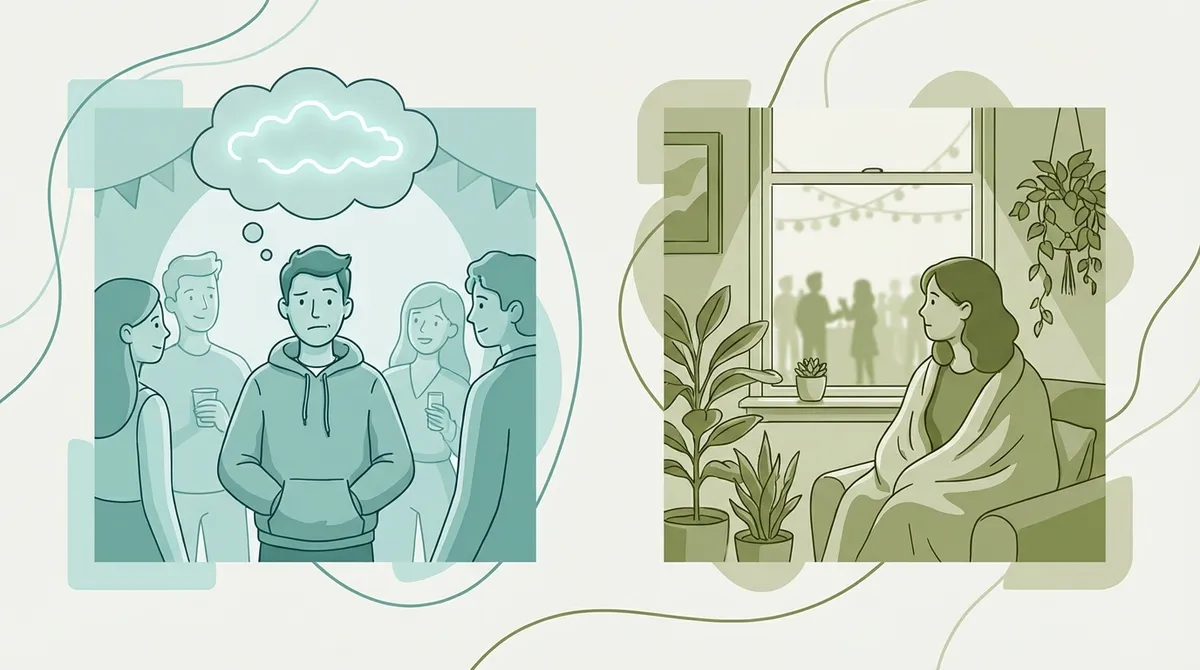
You might be wondering: “Isn’t this just social anxiety disorder?” It’s a great question because these two conditions overlap quite a bit. Both involve fear of social situations and worry about being judged. However, there are important differences.
Social anxiety disorder is usually focused on specific situations – like public speaking, eating in front of others, or attending parties. People with social anxiety often have good self-esteem in other areas of their lives. They might think, “I’m capable, but social situations make me nervous.”
With avoidant personality disorder, the issue goes deeper. It’s not just about situations – it’s about how you see yourself as a person. You might believe you’re fundamentally flawed, inadequate, or unworthy of love. This affects everything: your career choices, your friendships, your romantic relationships, and your willingness to pursue your dreams.
The Impact on Relationships and Daily Life
Living with AVPD can feel incredibly lonely. Here’s the painful irony: people with this condition usually want close relationships and social connections just as much as anyone else. But the fear of rejection feels so overwhelming that avoiding people seems safer than risking the pain of being judged or rejected.
This creates a tough cycle. You avoid social situations to protect yourself from rejection. But avoiding people means missing out on chances to build relationships and discover that many people would actually like you. Without these experiences, the belief that you’re unlikeable gets stronger, which makes you avoid even more. It’s exhausting and heartbreaking.
| Area of Life | How AVPD Affects It |
|---|---|
| Work and Career | Avoiding jobs with teamwork, turning down promotions, limiting career growth due to fear of criticism |
| Friendships | Keeping people at arm’s length, declining social invitations, struggling to maintain close friendships |
| Romantic Relationships | Difficulty forming intimate bonds, fear of vulnerability, avoiding dating despite wanting partnership |
| Family Connections | Withdrawing from family gatherings, struggling to open up even to loved ones |
| Personal Growth | Not trying new activities, avoiding challenges, missing opportunities for development |
What Causes Avoidant Personality Disorder?
Understanding where AVPD comes from can help it feel less like a personal failure and more like something that developed for understandable reasons. Researchers believe several factors work together to create this pattern.
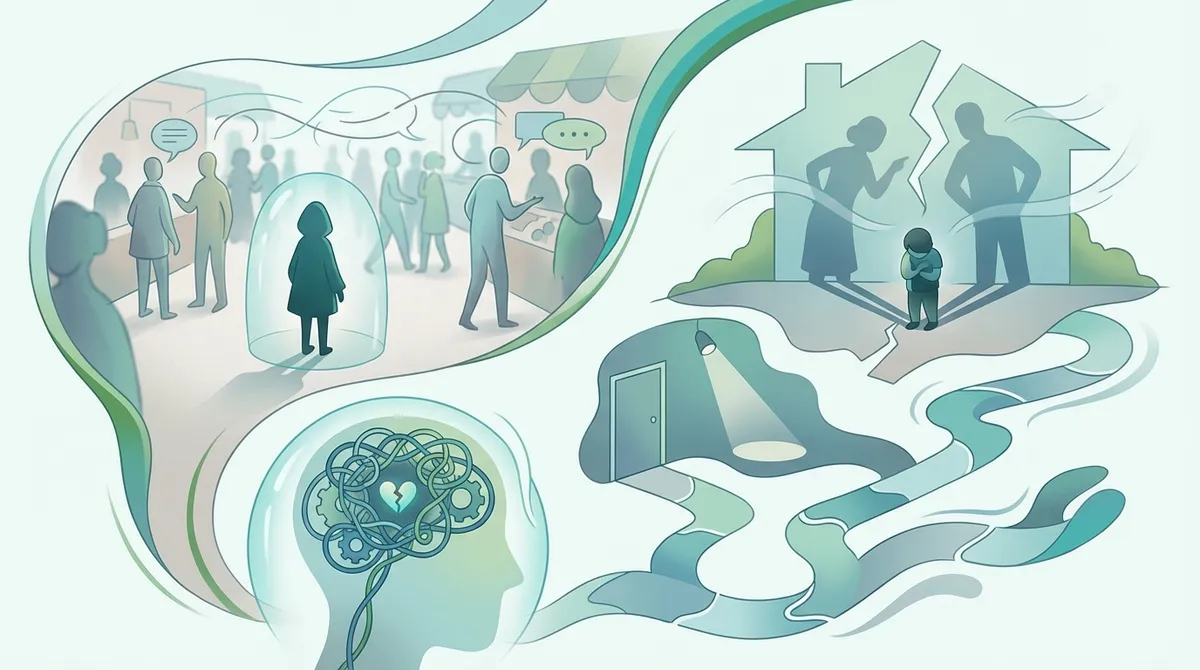
Childhood experiences play a big role. Many people with AVPD grew up in environments where they felt criticized, rejected, or emotionally neglected. Maybe you had parents who were overly critical or who made you feel like nothing you did was ever good enough. Perhaps you experienced bullying at school or felt like you didn’t fit in with your peers. These experiences can shape how you see yourself and the world.
Genetics and temperament matter too. Some people are naturally more sensitive and reactive to their environment. If you were born with a more anxious temperament, and then experienced rejection or criticism, you might be more likely to develop avoidant patterns as a way of protecting yourself.
The Role of Early Relationships
Our early relationships teach us what to expect from others. If your early experiences taught you that people are judgmental, unpredictable, or rejecting, you learned to protect yourself by keeping your distance. This made sense as a survival strategy when you were young and had limited options.
The challenge is that these protective patterns can stick around long after they’re needed. As an adult, you have more choices and more control over your relationships, but those old beliefs and fears can still run the show. Recognizing this pattern is an important step toward change.
Recognizing the Signs and Symptoms
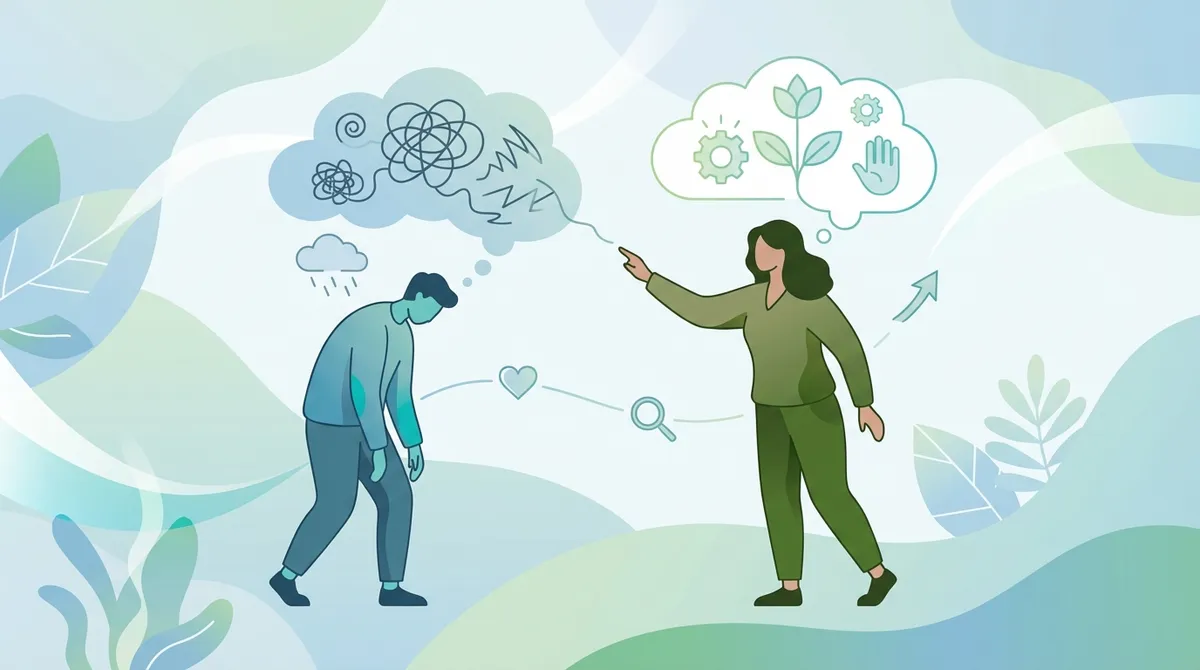
How do you know if what you’re experiencing is avoidant personality disorder or just normal social discomfort? Here are some signs that suggest it might be AVPD:
You consistently avoid work activities that involve significant interpersonal contact. You might choose solitary jobs or turn down opportunities that would mean working closely with others, even if those opportunities would help your career. The fear of being criticized or rejected feels more powerful than your career goals.
You need a lot of reassurance before getting involved with people. You wait for clear, unmistakable signs that someone likes you before you’re willing to open up or spend time with them. Even then, you might hold back emotionally, afraid that if they really knew you, they’d reject you.
You see yourself through a harsh, critical lens. When you look in the mirror – not the physical mirror, but the mirror of self-reflection – you see someone who’s socially awkward, unappealing, or inferior to others. These aren’t fleeting thoughts; they’re deep beliefs that affect how you move through the world.
Physical and Emotional Symptoms
AVPD doesn’t just affect your thoughts and behaviors – it can affect your body too. Many people with this condition experience:
- Physical tension and muscle tightness, especially in social situations
- Rapid heartbeat or feeling like your heart is pounding when you think about social interactions
- Sweating, blushing, or trembling when you’re around others
- Difficulty sleeping due to worry about social situations or replaying interactions
- Fatigue from the constant stress of avoiding and worrying
- Low mood or feelings of sadness about missing out on relationships and opportunities
These symptoms are your body’s way of responding to perceived threats. The challenge is that your system is treating social situations like emergencies, even when they’re actually safe opportunities for connection.
Getting a Proper Diagnosis
If you think you might have avoidant personality disorder, getting a proper diagnosis is an important step. This isn’t something you can diagnose yourself with an online quiz – it requires a comprehensive evaluation by a qualified mental health professional.
A psychotherapist like Margaret Deuerlein will typically spend time getting to know you, understanding your history, and learning about how these patterns affect your daily life. They’ll ask about your relationships, your work, your childhood experiences, and how you see yourself. They’ll want to understand when these patterns started and how they’ve changed over time.
The diagnostic process also involves ruling out other conditions that might explain your symptoms. Mental Health Resources notes that AVPD often occurs alongside other conditions like depression, anxiety disorders, or other personality disorders. Getting clear about what you’re dealing with helps create the most effective treatment plan.
Why Professional Diagnosis Matters
You might wonder if a formal diagnosis is really necessary. After all, does it matter what it’s called if you’re struggling? Actually, getting a proper diagnosis can be incredibly helpful for several reasons:
- It validates your experience – you’re not just being “too sensitive” or “making a big deal out of nothing”
- It points toward specific, evidence-based treatments that work for your particular condition
- It helps you understand yourself better and recognize patterns you might not have seen before
- It can provide access to appropriate support services and resources
- It gives you a framework for understanding and explaining your experiences to others when you choose to
Remember, a diagnosis isn’t a life sentence – it’s a tool for understanding and healing. Many people find tremendous relief in finally having words for what they’ve been experiencing.
Treatment Options That Really Work
Here’s the most hopeful part of this whole conversation: avoidant personality disorder is treatable. With the right support and approach, you can develop healthier ways of relating to yourself and others. You can build the connections you’ve been longing for.
The main treatment for AVPD is psychotherapy – specifically, approaches that help you examine and change the thought patterns and behaviors that keep you stuck. Cognitive behavioral therapy (CBT) is particularly effective because it helps you identify distorted beliefs about yourself and others, challenge those beliefs, and develop new ways of thinking.
In therapy, you might work on things like recognizing when you’re being too harsh with yourself, practicing social skills in a safe environment, and gradually facing situations you’ve been avoiding. This isn’t about forcing yourself into uncomfortable situations – it’s about building confidence gradually, at a pace that feels manageable.
The Power of Therapeutic Relationship
One of the most healing aspects of therapy for AVPD is the therapeutic relationship itself. For many people with this condition, the relationship with their therapist is the first place they experience consistent acceptance without judgment. This safe relationship becomes a laboratory where you can practice being vulnerable, expressing your thoughts and feelings, and discovering that you won’t be rejected.
At West Florida Therapy, Margaret Deuerlein creates a warm, accepting environment where clients can explore these patterns without fear of criticism. This kind of supportive relationship can literally rewire your brain’s expectations about how people will respond to you.
Medication and Additional Support
While there’s no specific medication for avoidant personality disorder itself, medication can sometimes help with symptoms that often come along with it. If you’re also dealing with depression, anxiety, or panic attacks, your doctor might recommend antidepressants or anti-anxiety medications.
These medications don’t change your personality or cure AVPD, but they can make it easier to engage in therapy and face challenging situations. Think of them as tools that can support your overall treatment, not as a substitute for working on the underlying patterns.
| Treatment Approach | How It Helps | What to Expect |
|---|---|---|
| Cognitive Behavioral Therapy | Identifies and changes negative thought patterns and avoidant behaviors | Active participation, homework assignments, gradual exposure to feared situations |
| Schema Therapy | Addresses deep-rooted beliefs from childhood that drive current patterns | Exploring early experiences, reparenting exercises, emotional work |
| Group Therapy | Provides safe environment to practice social skills and receive support | Structured interactions, feedback from peers, gradual confidence building |
| Medication (when needed) | Reduces symptoms of co-occurring depression or anxiety | Regular monitoring, adjustment period, combination with therapy |
Building a Life Beyond AVPD
Recovery from avoidant personality disorder isn’t about becoming a different person – it’s about becoming more fully yourself. It’s about learning that you’re worthy of connection, that vulnerability is strength, and that taking social risks is safer than you’ve believed.
The journey involves small steps. You might start by making eye contact with a cashier or saying hello to a neighbor. These tiny actions might not seem like much, but they’re actually incredibly brave when you’ve spent years avoiding contact. Each small success builds confidence for the next step.
Over time, you’ll develop a more balanced view of yourself. Instead of seeing yourself as fundamentally flawed, you’ll recognize that you’re a complex person with strengths and weaknesses, just like everyone else. You’ll discover that many people actually enjoy your company and that rejection, when it happens, isn’t the catastrophe you feared.
Skills You Can Start Building Today
Even before you start formal therapy, there are things you can practice:
- Challenge one negative thought about yourself each day – ask yourself if there’s another way to look at the situation
- Take one small social risk per week, like texting a friend or attending a low-pressure gathering
- Practice self-compassion – talk to yourself the way you’d talk to a good friend who’s struggling
- Keep a journal of positive social interactions to counter your brain’s tendency to focus on negatives
Remember, progress isn’t linear. You’ll have good days and difficult days. What matters is the overall direction you’re moving in, not whether each individual day is perfect.
When to Seek Professional Help
If you’re reading this and recognizing yourself in these patterns, it might be time to reach out for professional support. You don’t have to wait until things are “bad enough” – if your fears and avoidance are affecting your quality of life, that’s reason enough to get help.
Consider seeking help if you’re avoiding important opportunities because of social fears, if you feel chronically lonely despite wanting connection, if you’re struggling at work due to relationship difficulties, or if you’re just tired of living with constant anxiety about how others see you.
According to Substance Abuse & Mental Health resources, early intervention can make a significant difference in outcomes. The sooner you address these patterns, the easier they are to change.
Finding the Right Support
Finding a therapist who understands avoidant personality disorder is important. Look for someone who specializes in anxiety, personality patterns, or relationship issues. You want someone who creates a warm, accepting environment where you feel safe being vulnerable.
Margaret Deuerlein at West Florida Therapy offers both in-person and virtual therapy sessions throughout Florida, with bilingual services available in English and Spanish. This flexibility means you can get help in a way that feels most comfortable for you, whether that’s meeting face-to-face or connecting from home. Reach out to schedule a consultation and start your journey toward more fulfilling connections.
Don’t forget to check out reviews on Google to hear from others who have found support and healing through therapy.
Living Fully Despite AVPD
Avoidant personality disorder doesn’t have to define your entire life. With understanding, support, and consistent effort, you can build the relationships and life you want. You can learn to see yourself more accurately – not as fundamentally flawed, but as someone worthy of love and connection.
The path forward involves courage, but you don’t have to walk it alone. Millions of people have worked through similar struggles and found their way to more fulfilling lives. You deserve that same possibility. You deserve to feel comfortable in your own skin and to experience the joy of genuine connection with others.
Your story doesn’t end with avoidant personality disorder – it’s just one chapter. With the right support and your own commitment to growth, you can write new chapters filled with deeper relationships, greater confidence, and a more compassionate relationship with yourself. That future is waiting for you, and taking the first step toward help is how you begin creating it.
FAQs
Q: What’s the difference between being shy and having avoidant personality disorder?
A: Regular shyness is temporary discomfort in social situations that doesn’t stop you from living your life. Avoidant personality disorder is a deeper, long-lasting pattern where you avoid relationships, work opportunities, and social connections because you feel inadequate and fear rejection. With AVPD, these patterns affect all areas of your life and cause real distress and limitations.
Q: Can avoidant personality disorder be cured?
A: While AVPD is a long-term condition, it’s definitely treatable with the right support. Through therapy – especially cognitive behavioral approaches – many people learn to manage their symptoms, build healthier relationships, and develop more balanced views of themselves. Recovery is about developing new patterns and skills, not about becoming a completely different person.
Q: How common is avoidant personality disorder?
A: About 2.1% of Americans meet the criteria for avoidant personality disorder, which means millions of people experience this condition. It usually starts showing up by early adulthood and affects both men and women. You’re definitely not alone if you’re dealing with these patterns.
Q: Will I need medication for avoidant personality disorder?
A: There’s no specific medication for AVPD itself, but medication can help if you’re also dealing with depression, anxiety, or panic symptoms that often come with it. The main treatment is therapy, where you work on changing thought patterns and behaviors. Your therapist and doctor can help you decide if medication might support your overall treatment plan.
Q: How long does treatment for avoidant personality disorder take?
A: Treatment length varies for each person depending on how long you’ve had these patterns and how much they affect your life. Many people start seeing improvements within a few months of consistent therapy, but deeper changes often take longer – sometimes a year or more. The good news is that even small improvements can make a big difference in your quality of life, and progress builds on itself over time.