
Key Takeaways
-
Therapy starts with a simple, friendly phone consultation to understand your concerns and goals, not a mysterious or intimidating process—this initial chat helps you assess therapist fit before committing.
-
Your personalized treatment plan is built around your specific life and goals, not a generic program, and gets adjusted over time as your priorities shift or you make progress.
-
Brandon offers flexible session formats: weekly 45-60 minute in-person or telehealth sessions, with therapists recommending approaches like CBT, EMDR, or couples therapy based on your specific needs.
-
Therapy costs range from $75-$300+ per session depending on provider type, with sliding-scale options available; many insurance plans including Florida Blue and UnitedHealthcare cover mental health therapy with copays.
-
Bilingual English-Spanish services, teen-specific approaches, and couples therapy are available locally, ensuring accessibility for diverse populations and removing language barriers to mental health support.
-
Call 988 immediately for mental health crises or self-harm thoughts; regular therapy is not designed for emergencies, but ongoing sessions build coping skills to prevent crisis situations.
Wondering how therapy actually works in Brandon, Florida? You are not alone. So many people pick up the phone, put it back down, and wonder if therapy is really worth it. Here is the good news: therapy is not scary, mysterious, or complicated once you understand the steps. This guide walks you through exactly what happens, from your first phone call to your ongoing sessions, so you can walk in feeling calm and prepared instead of nervous and unsure.
Whether you are a busy young professional dealing with stress, a couple working through communication struggles, a parent worried about your teenager, or someone searching for bilingual support, understanding the process makes the first step so much easier. At West Florida Therapy, licensed psychotherapist Margaret Deuerlein and her team have helped countless Brandon-area residents feel supported and understood. Let’s break down exactly how therapy works, step by step, so you can decide if now is the right time for you.
1. It Starts With a Simple Phone Call
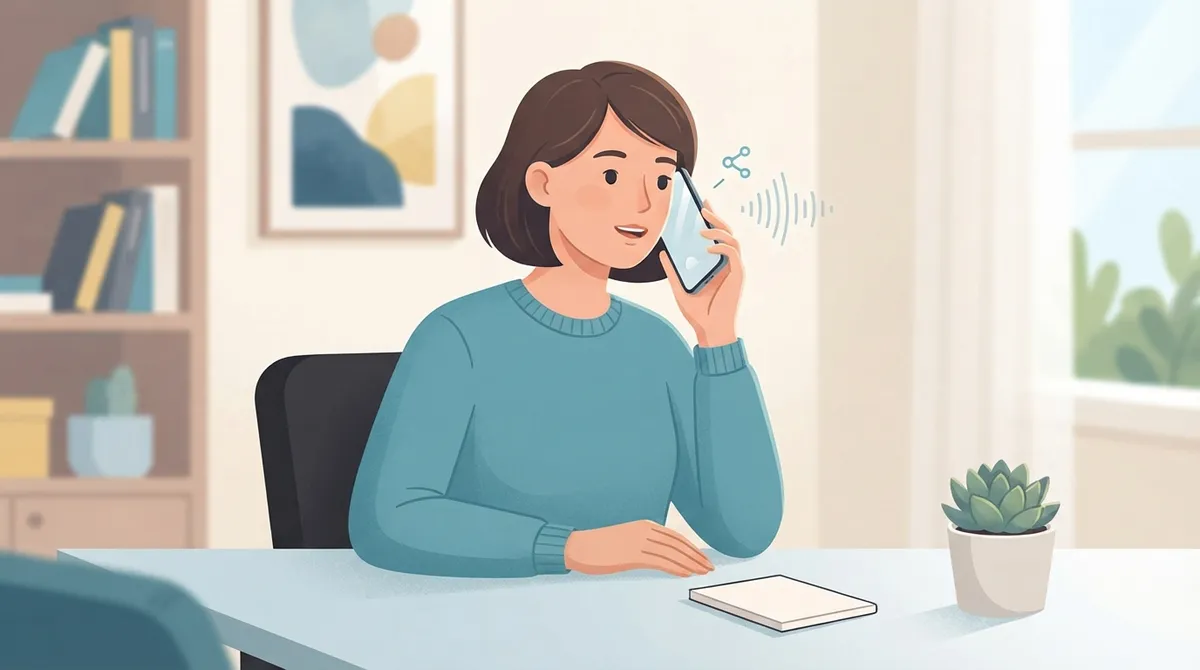
Therapy does not begin with a couch and a stranger staring at you. It begins with a friendly conversation. Most Brandon practices, including our process at West Florida Therapy, start with a short phone consultation. This quick chat helps the therapist understand your main concerns and goals. It also gives you a chance to ask questions and get a feel for whether the therapist is a good match for you.
2. Your First Appointment Is Mostly Listening
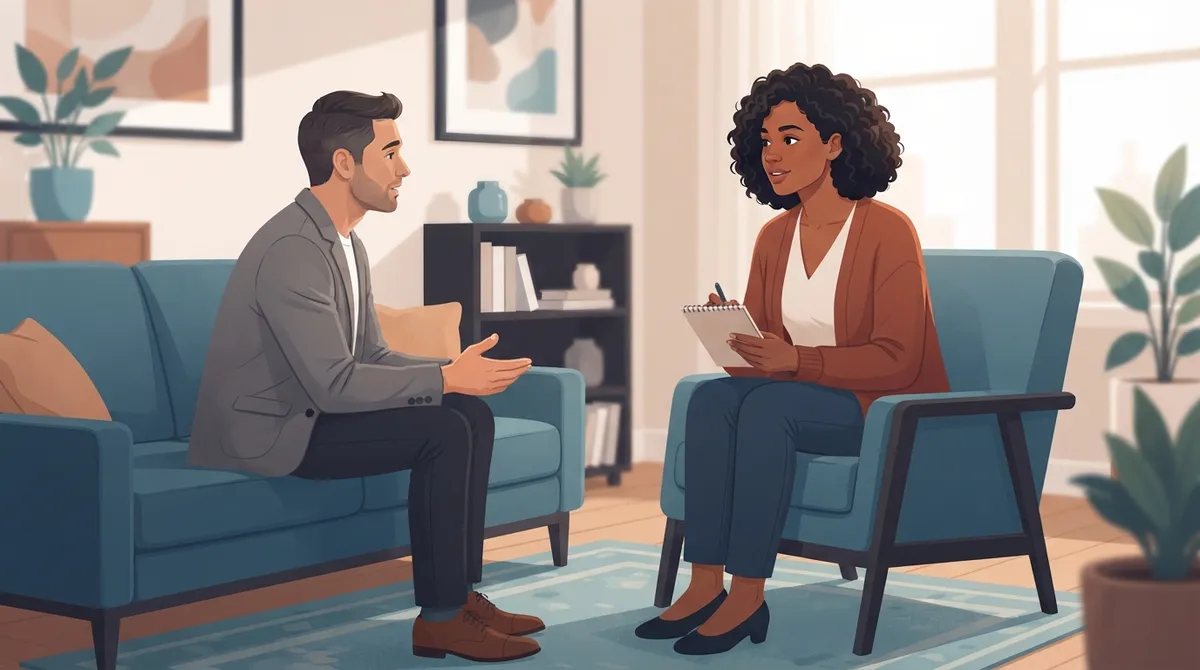
During your intake session, your therapist will ask about your history, your current struggles, and what brought you in. This is not a test. There are no wrong answers. Think of it as telling your story to someone who genuinely wants to understand you. The clinician will also ask about safety concerns to make sure you have the right level of support.
3. You and Your Therapist Build a Plan Together
After the first session or two, your therapist creates a personalized treatment plan. This plan reflects your specific goals, whether that is easing anxiety, working through depression, healing from trauma, or strengthening a relationship. You are not just handed a generic program. Your plan is built around your life.
4. Sessions Typically Run 45 to 60 Minutes
A standard therapy session in Brandon usually lasts 45 to 60 minutes. Many people start with weekly sessions, then move to every other week as they build skills and feel stronger. Your therapist will adjust the schedule based on your needs, not a rigid formula.
5. Different Approaches Fit Different Needs
Not every therapy method works the same way, and that is a good thing. Here is a quick look at common approaches used by Brandon-area clinicians:
| Therapy Approach | Best For | What It Involves |
|---|---|---|
| Cognitive Behavioral Therapy (CBT) | Anxiety, depression, negative thought patterns | Identifying and reshaping unhelpful thoughts |
| EMDR | Trauma, PTSD | Processing distressing memories through guided eye movements |
| DBT Skills | Emotional regulation, intense emotions | Building mindfulness and coping tools |
| Solution-Focused Therapy | Life transitions, goal-setting | Focusing on strengths and practical next steps |
| Couples-Focused Approaches | Communication, conflict, intimacy | Improving connection and understanding between partners |
Your therapist will recommend the approach that fits your goals, not the other way around. Learn more about how cognitive behavioral therapy works or how EMDR treatment helps people heal from difficult experiences.
6. Individual Therapy Focuses on You
If you are dealing with stress, sadness, worry, or just feeling stuck, individual therapy gives you dedicated one-on-one time to talk through what is going on. This is especially helpful for young adults and millennials navigating career changes, relationship shifts, or general overwhelm. You get a private space to be honest without judgment.
7. Couples Therapy Works Differently
When two people come in together, sessions focus on both partners’ perspectives. A trained couples therapist helps you understand communication patterns, rebuild trust, and reconnect emotionally. If you and your partner keep having the same argument, couples therapy can help you finally break the cycle.
8. Teen Therapy Adjusts to Younger Clients
Therapy for adolescents looks a bit different. Sessions often include age-appropriate language, activities, and sometimes family involvement. Parents are typically kept informed of general progress while the teen still has private space to open up. This balance builds trust while keeping parents in the loop.
9. Telehealth Makes Therapy More Accessible
Not everyone can make it to an office, and that is okay. Telehealth therapy lets you meet with your therapist from home, work, or anywhere in Florida with a private internet connection. This is especially helpful for Gen Z clients, busy parents, and anyone juggling a packed schedule.
- No commute or travel time required
- Sessions available from anywhere in Florida
- Same quality of care as in-person visits
- Great option for people managing anxiety about leaving home
10. In-Person Sessions Offer a Different Kind of Connection
Some people simply feel more comfortable meeting face-to-face. In-person therapy in Brandon, Florida gives you a dedicated, quiet space away from home distractions. Many clients switch between in-person and virtual sessions depending on their week.
11. Bilingual Services Remove a Major Barrier
Language should never stand between someone and the mental health support they need. West Florida Therapy offers bilingual English and Spanish services, so Spanish-speaking adults across Florida can express themselves fully and comfortably. Being understood in your first language makes a real difference in how safe and open you feel during sessions.
12. Costs Vary, So Always Ask Questions
Therapy pricing in Brandon varies quite a bit. Here is a general breakdown based on local provider information:
| Service Type | Typical Cost Range |
|---|---|
| Sliding-scale or supervised intern sessions | $75–$120 per session |
| Standard self-pay individual therapy | $100–$200 per session |
| Specialized or private practice sessions | $150–$300+ per session |
| Online therapy (average) | Often about 15% less than in-person |
These numbers are estimates. Always confirm current rates directly with the practice you choose.
13. Insurance Coverage Depends on Your Plan
Many Brandon practices accept major insurers such as Florida Blue, UnitedHealthcare, Cigna, Aetna, Optum, and select Medicaid managed-care plans. Coverage depends on your deductible, copay, and network status. Before your first appointment, call your insurance company and ask about your mental health benefits. You can also review our payment options to see what fits your budget.
Steps to Verify Your Coverage
- Call the number on the back of your insurance card
- Ask if outpatient mental health therapy is covered
- Confirm your copay or deductible amount
- Ask if your specific provider is in-network
- Request written confirmation if possible
14. Choosing the Right Type of Provider Matters
Not all mental health professionals do the same job. Understanding the differences helps you pick the right fit.
- Licensed Mental Health Counselors (LMHCs) provide talk therapy for a wide range of concerns
- Licensed Clinical Social Workers (LCSWs) offer therapy and connect clients to community resources
- Licensed Marriage and Family Therapists (LMFTs) specialize in relationship dynamics
- Psychiatrists and psychiatric nurse practitioners can evaluate and prescribe medication
Always confirm any provider’s Florida license through the Mental Health Links page from the Florida Department of Health. This simple check gives you peace of mind before your first session.
15. Progress Gets Reviewed and Adjusted Over Time
Therapy is not a one-time fix. Your therapist will regularly check in on how you are feeling and whether your goals have shifted. Maybe you started therapy for anxiety and now want to work on relationship problems too. That is completely normal, and your plan can grow with you.
Margaret Deuerlein and the team at West Florida Therapy believe healing is not a straight line. Progress reviews help make sure your sessions stay useful, relevant, and focused on what matters most to you right now. You can read more about Margaret Deuerlein and her approach to compassionate, client-centered care.
What About Urgent Situations?
Regular therapy sessions are not designed for emergencies. If you or someone you love is in immediate danger, call 911. If you are having thoughts of self-harm or need to talk to someone right now, call or text 988 to reach the Suicide & Crisis Lifeline, available 24 hours a day, seven days a week. You can also find local resources through Substance Abuse & Mental Health services in Florida or review general guidance from the Mental Health Resources page from the CDC.
Common Struggles That Bring People Into Therapy
People come to therapy for all kinds of reasons, and there is no wrong reason to reach out. Some common struggles include:
- Feeling overwhelmed by work, school, or family stress
- Struggling with sadness, hopelessness, or low motivation
- Experiencing panic or constant worry
- Facing communication breakdowns with a partner
- Processing a difficult past experience
- Feeling isolated, especially after a big life change
If any of these sound familiar, know that support is available. Whether you relate to panic attacks, ongoing mood issues, or simply feel like something needs to change, therapy offers real tools that work.
Why Local Support in Brandon Makes a Difference
Choosing a Brandon-based provider means working with someone who understands the local community and lifestyle. Whether you prefer meeting in person or connecting virtually from anywhere in Florida, having accessible, flexible options matters. Many clients also appreciate reading real experiences before booking, so feel free to visit us on Google — West Florida Therapy to see what others have shared about their sessions.
Your Next Step Starts Today
Understanding how therapy works in Brandon, Florida takes away so much of the fear and mystery around getting started. From that first friendly phone call to building a plan that fits your life, every step is designed to support you, not overwhelm you. You deserve compassionate, professional care, whether you need help with anxiety, depression, trauma, or relationship struggles.
Margaret Deuerlein and the caring team at West Florida Therapy are ready to walk alongside you. If you are ready to take that first brave step, Contact Us today to schedule your free 15-minute consultation. You do not have to carry this alone, and healing really can start with one simple conversation.
FAQs
Q: How does therapy work in Brandon, Florida?
A: Therapy usually starts with a friendly phone consultation, followed by an intake session where you share your history and goals. From there, you and your therapist build a personalized plan and meet regularly, either in person or through telehealth, to work toward your goals together.
Q: What happens during the first therapy appointment?
A: Your first session is mostly about getting to know you. Your therapist will ask about your current struggles, background, and what you hope to gain from therapy, then start shaping a plan that fits your specific needs.
Q: How much does therapy cost in Brandon without insurance?
A: Self-pay rates in Brandon typically range from about $75 to $300 per session, depending on the provider and service type. Sliding-scale options are often available for those who qualify, so it is worth asking directly about pricing.
Q: Does insurance cover therapy in Brandon, Florida?
A: Many local practices accept plans like Florida Blue, UnitedHealthcare, Cigna, Aetna, and select Medicaid plans, but coverage depends on your specific plan details. It is always a good idea to call your insurer directly to confirm your mental health benefits before booking.
Q: Is online therapy available for people in Brandon?
A: Yes, telehealth therapy is a wonderful option for Brandon residents and anyone across Florida who prefers meeting virtually. It offers the same quality care as in-person sessions, just with more flexibility and convenience.