Key Takeaways
-
Verify any therapist's license through Florida's Department of Health License Verification tool before booking—check for active status, credential type match, and disciplinary history to ensure they're genuinely qualified.
-
Identify your specific needs first (anxiety, couples therapy, Spanish-language services, telehealth) before searching, then contact practices directly to confirm current availability, insurance acceptance, and treatment specialties.
-
Florida licenses four main therapist types with different specialties: LMHCs for anxiety/depression, LCSWs for family issues, LMFTs for couples/relationships, and psychologists for complex diagnoses—match the right credential to your concern.
-
Always contact multiple therapists and ask about experience with your specific issue, insurance/sliding scale options, appointment formats, and cancellation policies before committing to anyone.
-
Use online directories like Psychology Today as a starting point only—call directly to confirm listings are current, as fees change, waitlists fill up, and insurance acceptance may have shifted since posting.
-
Your first appointment is a conversation to assess fit and build trust; if the connection doesn't feel right, it's perfectly acceptable to try another therapist until you find someone you're genuinely comfortable with.
Searching for the right therapist can feel like a lot, especially when you’re already stressed, anxious, or just plain tired. Maybe you’re a busy parent trying to help your teenager. Maybe you’re a couple who keeps having the same argument. Or maybe you just know something feels off, and you’re ready for support. Whatever brought you here, we’re glad you’re taking this step. Finding a therapist in Brandon, Florida does not have to be confusing or scary. With a little guidance, you can find someone who truly gets you.
This guide walks you through exactly how to find a licensed, trustworthy therapist near you. We’ll cover credentials, cost, insurance, telehealth, and what to expect in that first appointment. By the end, you’ll feel confident and ready to make a call. Let’s get started, one small step at a time.
Why Finding the Right Therapist Matters
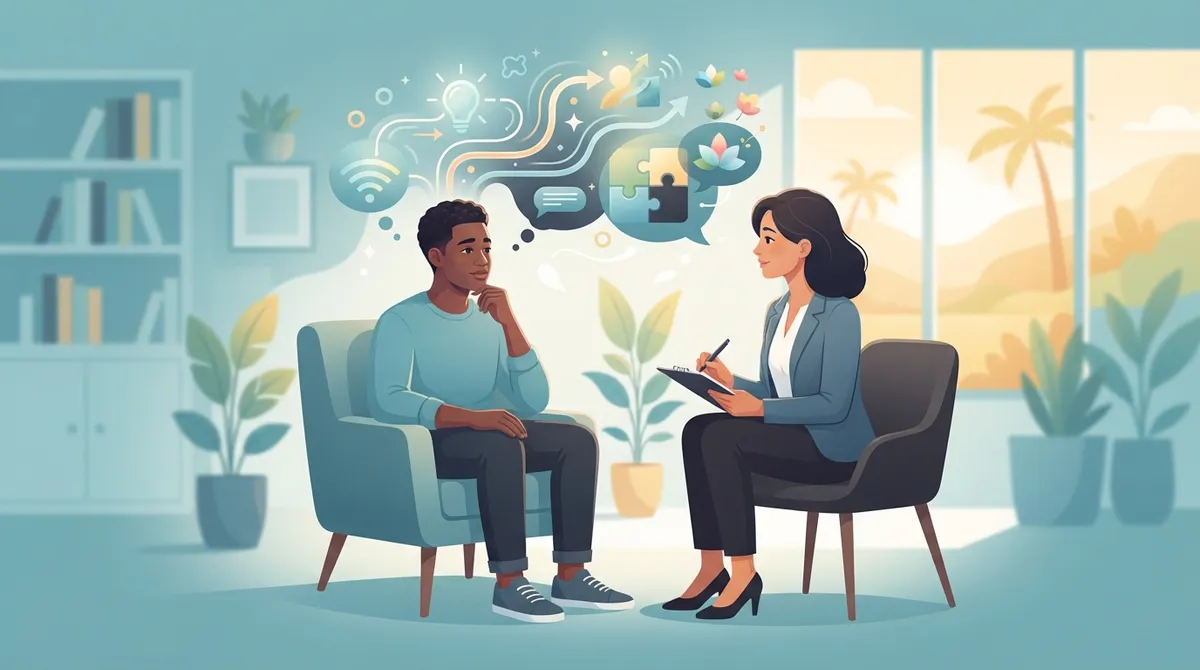
Not every therapist is the right fit for every person. Someone great for couples counseling may not be the best choice for a teenager dealing with social anxiety. That’s okay. It just means you need to know what to look for before you pick up the phone.
Think of it like finding a good doctor. You want someone qualified, but you also want someone who makes you feel heard and comfortable. The good news? Brandon has a wide range of mental health professionals ready to help, no matter your age, background, or concern.
Step 1: Understand Florida Therapist Credentials
Before you start searching, it helps to know who’s who. Florida licenses several types of mental health professionals, and each one has different training. Here’s a simple breakdown:
| Credential | What It Means | Best For |
|---|---|---|
| LMHC (Licensed Mental Health Counselor) | Master’s degree, supervised clinical hours, state exam | Anxiety, depression, life transitions, trauma |
| LCSW (Licensed Clinical Social Worker) | Master’s in social work, clinical supervision, state exam | Individual therapy, family issues, community resources |
| LMFT (Licensed Marriage and Family Therapist) | Master’s degree focused on relationship dynamics | Couples, family conflict, communication issues |
| Psychologist | Doctoral degree (PhD or PsyD) | Testing, complex diagnoses, therapy |
| Psychiatric Provider | Medical training, can prescribe medication | Medication management alongside therapy |
Under Florida Statutes Chapter 491, mental health counselors need at least a master’s degree with 60 semester hours of clinical and classroom training. Marriage and family therapists and clinical social workers have their own specific paths too. Licenses must be renewed every two years, so an active license is a good sign your therapist is staying current.
Step 2: Verify the Therapist’s License
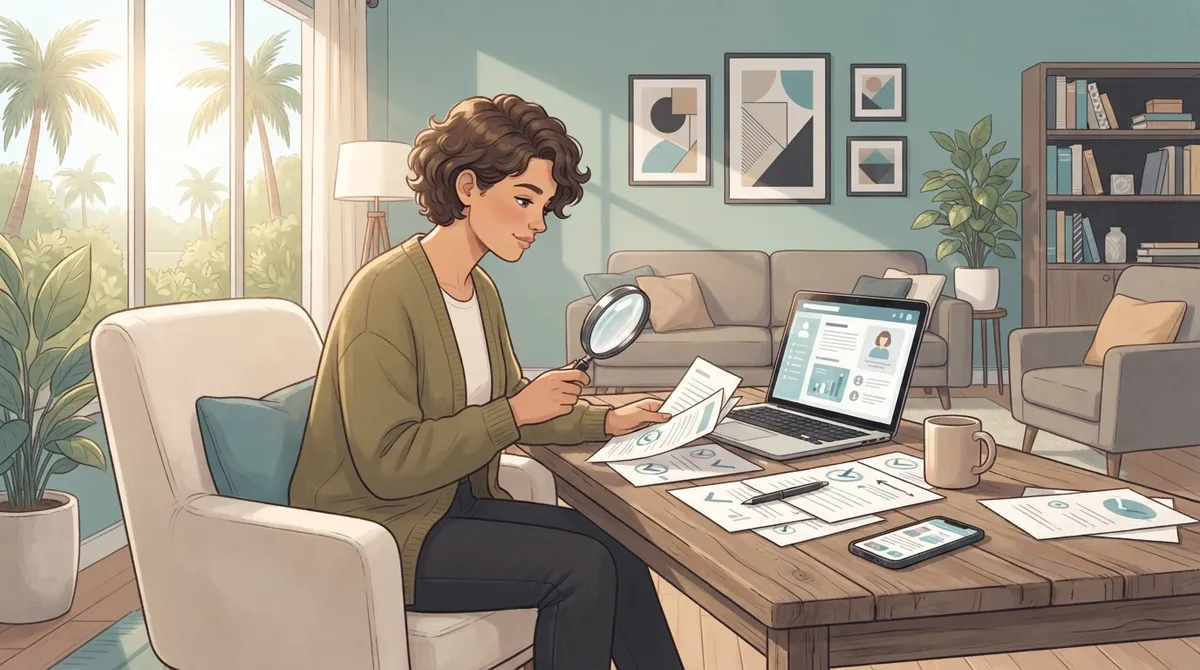
This step is easy to skip, but please don’t. Florida’s Department of Health has a free tool that lets you check any provider’s license status and history. This matters even more if someone is listed as an “intern,” “associate,” or “coach” instead of a fully licensed clinician.
Here’s how to verify a license in just a few minutes:
- Visit the Florida Department of Health’s License Verification page.
- Search the provider’s name or license number.
- Confirm the license type matches what they’ve advertised (LMHC, LCSW, LMFT, etc.).
- Check that the license is active, not expired or restricted.
- Review any disciplinary history listed.
You can also check the Mental Health Links page from the Florida Department of Health for additional resources and state programs.
Step 3: Figure Out What You Actually Need
Before you Google “therapist near me,” pause for a second. What are you really looking for? Being specific will save you a ton of time. Ask yourself these questions:
- What’s the main reason I want therapy? (anxiety, depression, trauma, relationship stress, ADHD)
- Do I want individual therapy, couples counseling, or family sessions?
- Do I need someone who speaks Spanish?
- Would I rather meet in person or online?
- What’s my budget, and do I have insurance?
- Do I need evening or weekend availability?
If you’re dealing with worry that won’t quit, learning more about anxiety treatment options can help you know what to ask for. If sadness or low motivation has taken over, exploring depression treatment approaches is a smart first move. And if past pain keeps resurfacing, learning about trauma therapy can point you in the right direction.
Step 4: Use Online Directories the Smart Way
Directories like Psychology Today let you filter Brandon-area therapists by specialty, insurance, language, and format. This is a great starting point, but don’t stop there. Listings can be outdated. Fees change. Someone’s waitlist might be full.
Always call or email the practice directly to confirm:
- They’re currently accepting new clients.
- They actually treat your specific concern.
- Your insurance is still accepted.
- Their rates match what’s listed online.
- They offer the format you want (in-person or telehealth).
Step 5: Ask the Right Questions Before Booking
Think of this like a first date, minus the awkward small talk. You’re allowed to ask questions before committing to anyone. Here’s what to ask:
- Do you have experience treating my specific issue?
- Do you accept my insurance, or do you offer a sliding scale?
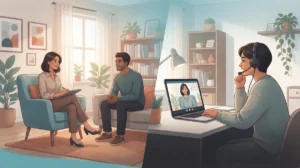
- Do you offer telehealth appointments?
- What’s your cancellation policy?
- Can you coordinate care with my doctor or psychiatrist if needed?
- Do you offer bilingual services?
It’s completely normal to contact more than one therapist before choosing. In fact, it’s a good idea. You deserve to feel comfortable, not just “fine.”
Meet Margaret Deuerlein: A Trusted Local Therapist
If you’re looking for someone warm, experienced, and genuinely invested in your progress, Margaret Deuerlein at West Florida Therapy is a wonderful place to start. She works with adults, adolescents, and couples, offering both English and Spanish-language sessions. Whether you’re struggling with anxiety, working through trauma, or trying to reconnect with your partner, Margaret brings compassion and real clinical skill to every session.
West Florida Therapy offers in-person therapy in Brandon as well as telehealth therapy throughout Florida, so no matter where you are or how you prefer to meet, support is available. You can learn more about the practice’s approach by visiting the therapy process page or reading about services on the about page.
Understanding Cost and Insurance
Money worries shouldn’t stop you from getting help, but it’s smart to plan ahead. Here’s a general breakdown of what to expect:
| Payment Option | What to Know |
|---|---|
| Insurance | Call your provider to confirm mental health benefits, copays, and deductibles |
| Out-of-Pocket | Offers more privacy and flexibility; many practices accept HSA/FSA cards |
| Sliding Scale | Some therapists adjust fees based on income; always ask directly |
Many practices, including West Florida Therapy, work with major insurance providers like Aetna, Cigna, Florida Blue, Optum, Oscar, and United Health Care. You can review specific payment options before your first call to avoid surprises.
Special Considerations for Different Needs
For Spanish-Speaking Adults
Language barriers should never stand between you and good mental health care. Bilingual therapy means you can express your feelings in the language that feels most natural to you. This often leads to deeper understanding and better outcomes.
For Teens and Their Parents
Adolescence comes with its own pressures: school stress, social anxiety, family conflict. A therapist experienced with teens knows how to build trust quickly and speak their language, literally and figuratively. Parents should feel included in the process without their teen feeling exposed or judged.
For Couples
If communication has broken down or trust has been shaken, couples therapy can help you both feel heard again. A skilled therapist won’t take sides. Instead, they’ll help you both find a path forward together.
For Young Adults and Gen Z
Isolation, academic pressure, and uncertainty about the future hit young adults hard. Virtual therapy sessions make it easy to get support without adding more to an already packed schedule.
What Happens at Your First Appointment
Your first session is really just a conversation. There’s no pressure to have everything figured out. Expect your therapist to ask about:
- What brought you to therapy right now.
- Your goals for treatment.
- Confidentiality and its legal limits.
- The treatment approach they plan to use.
- Fees, scheduling, and how progress will be tracked.
This is also your chance to see if the connection feels right. If it doesn’t, that’s okay. Therapy works best when there’s genuine trust, and it’s perfectly fine to try someone else.
When to Seek Immediate Help Instead
Therapy is incredibly valuable, but it’s not designed for emergencies. If you or someone you love is in immediate danger or having thoughts of suicide, please don’t wait for a scheduled appointment. Call 911 for immediate physical danger, or call or text 988 to reach the Suicide and Crisis Lifeline right away. For more state-level resources, the Substance Abuse & Mental Health program through Florida’s Department of Children and Families offers additional support options.
The Mental Health Resources page from the CDC also offers helpful guidance on recognizing warning signs and supporting loved ones through a crisis.
Quick Checklist Before You Book
Here’s a simple list to keep handy while you search:
- Confirm the therapist’s license through Florida’s verification tool.
- Match their specialty to your specific need.
- Ask about insurance, sliding scale, or out-of-pocket rates.
- Check if they offer telehealth or in-person sessions (or both).
- Ask about language options if you need bilingual support.
- Trust your gut after the first appointment.
Taking these steps means you’re not just finding “a” therapist. You’re finding the right one for you.
You Deserve Support, and It’s Closer Than You Think
Finding a therapist in Brandon, Florida doesn’t have to feel overwhelming once you know where to look and what questions to ask. Whether you’re dealing with anxiety, working through grief, healing from trauma, or trying to strengthen your relationship, there’s a caring professional ready to walk alongside you. Margaret Deuerlein and the team at West Florida Therapy genuinely care about helping you feel better, one honest conversation at a time.
You can also visit us on Google — West Florida Therapy to see how other clients describe their experience. Reading real reviews can give you extra peace of mind before reaching out.
If you’re ready to take that first brave step, we’d love to hear from you. Reach out to our team today and let’s find the support that fits your life, your goals, and your story. You don’t have to figure this out alone.
FAQs
Q: How do I find a licensed therapist in Brandon, Florida?
A: Start by figuring out what you need help with, then search directories like Psychology Today or reach out to local practices directly. Always double-check the therapist’s license using Florida’s official verification tool before booking. It only takes a few minutes and gives you real peace of mind.
Q: What’s the difference between an LMHC, LCSW, LMFT, and psychologist in Florida?
A: LMHCs and LCSWs both provide individual therapy but come from different training backgrounds, while LMFTs specialize in relationship and family dynamics. Psychologists hold doctoral degrees and often handle testing or complex diagnoses. All of them can provide excellent care, so it really comes down to your specific needs and comfort level.
Q: Does insurance cover therapy in Brandon, Florida?
A: Many local therapists accept major insurance plans like Aetna, Cigna, Florida Blue, and United Health Care, but coverage details vary by plan. It’s always smart to call your insurance company first to confirm your mental health benefits and any copay requirements. If insurance isn’t an option, many practices also offer sliding-scale or out-of-pocket rates.
Q: Are there therapists in Brandon who offer telehealth or Spanish-language services?
A: Yes, many Brandon-area therapists, including bilingual providers, offer both in-person and virtual telehealth sessions. This flexibility makes it easier to fit therapy into a busy schedule or get support from wherever feels most comfortable. Just be sure to ask directly if language and format preferences matter to you.
Q: What should I ask a therapist before booking my first appointment?
A: Ask if they have experience with your specific concern, whether they accept your insurance, and if they offer telehealth or evening hours. It’s also completely fine to ask about their approach to treatment and how they measure progress over time. Remember, you’re allowed to contact more than one therapist until you find the right fit.