Key Takeaways
-
Therapy helps manage emotional regulation, anxiety, depression, and relationship issues through proven approaches like CBT and DBT, with results depending on your specific concern and therapist fit.
-
Brandon has over 32,000 licensed mental health professionals available, with session costs ranging from $75-$120 per session, and many providers accepting insurance including Medicare, Medicaid, and major plans.
-
Both in-person and telehealth therapy options are available in Brandon; choose based on your comfort level, schedule flexibility, and whether you prefer face-to-face connection or home-based convenience.
-
Bilingual therapy in English and Spanish is available to help overcome language barriers, allowing clients to express themselves fully and feel genuinely understood during treatment.
-
Young adults (18-26), women, couples, and teens show especially strong therapy outcomes for anxiety, depression, life transitions, and relationship/family conflicts in Brandon.
-
If experiencing suicidal thoughts or self-harm, call 988 (Suicide and Crisis Lifeline) or 911 immediately; therapy is for ongoing support, not crisis situations requiring emergency intervention.
Life in Brandon can feel like a lot some days. Between work, family, traffic on 60, and just being human, stress piles up fast. If you have been wondering whether therapy could actually help you, you are in the right place. This guide walks you through the real, research-backed benefits of therapy in Brandon, Florida, so you can make a confident, informed choice for yourself or someone you love.
Therapy is not just for crisis moments. It is a tool for anyone who wants to feel calmer, communicate better, and understand themselves more deeply. Florida’s behavioral health workforce includes over 32,000 licensed counselors, social workers, and psychologists, according to Florida Health CHARTS data. That means help is closer than you think. Let’s break down exactly how therapy works, what it can do for you, and how to take the first step here in Brandon.
What Are the Real Therapy Benefits in Brandon, Florida?
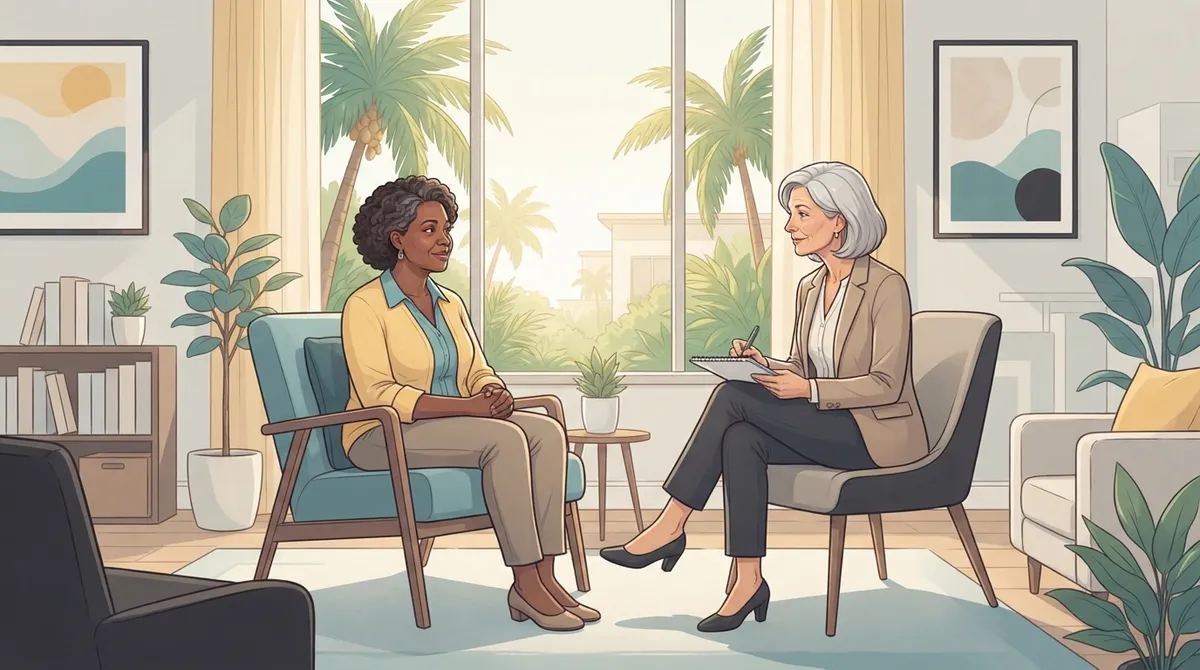
Therapy offers benefits that go far beyond just “talking about feelings.” A licensed therapist helps you build tools that actually stick. Here are some of the most common wins clients experience:
- Better emotional regulation — learning how to manage big feelings instead of feeling controlled by them
- Reduced anxiety and depression symptoms — through proven approaches like CBT and DBT
- Stronger relationships — improved communication with partners, family, and friends
- Increased self-awareness — understanding your patterns, triggers, and needs
- Improved daily functioning — sleeping better, focusing at work, and feeling more like yourself
Of course, results vary. They depend on your specific concern, the type of treatment used, how consistently you attend sessions, and how well you connect with your therapist. That is why finding the right fit matters so much. West Florida Therapy focuses on personalized treatment planning so your care actually matches your life.
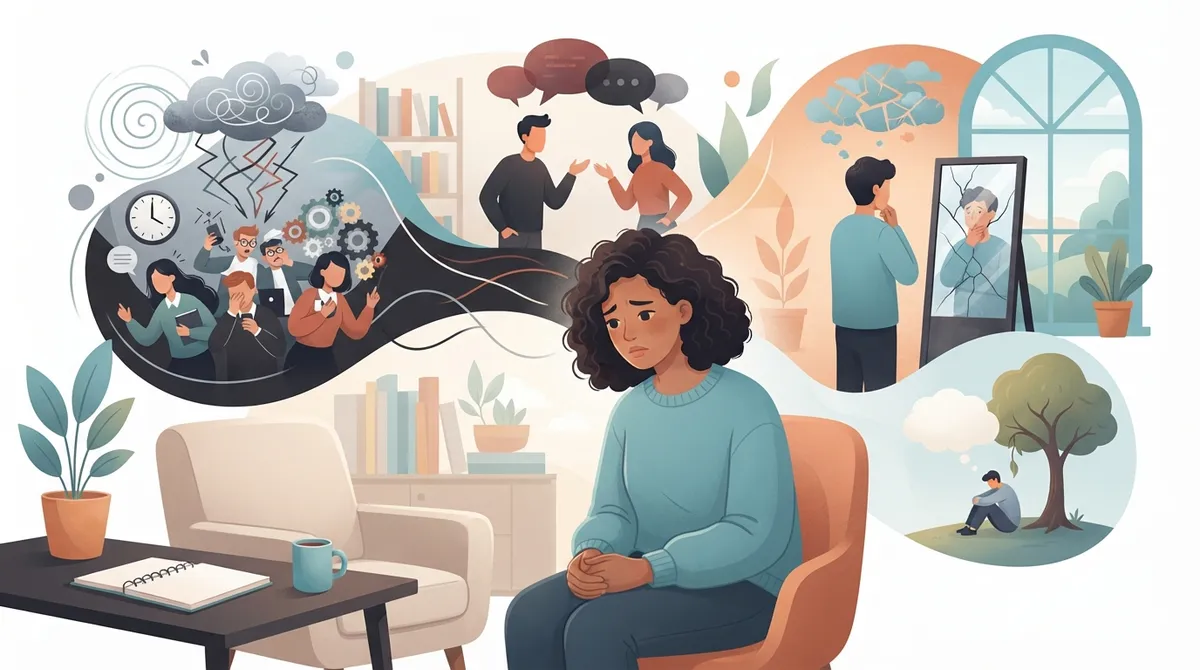
Common Struggles Therapy Can Help With
People come to therapy for all kinds of reasons. There is no “right” reason to start. Some of the most common concerns Brandon therapists see include:
- Anxiety — racing thoughts, constant worry, or panic that gets in the way of daily life. Learn more about understanding anxiety signs, types, and treatment options.
- Depression — low mood, loss of interest, or feeling stuck. See how depression affects daily life and what you can do about it.
- Trauma — past events that still affect how you feel or react today. Read about how to recognize and heal from psychological trauma.
- Relationship conflict — communication breakdowns, trust issues, or feeling disconnected from a partner. Explore common relationship problems and how therapy addresses them.
- Family conflict — tension between parents and teens, or between family members trying to reconnect.
- Grief and loss — processing the death of a loved one or another major life change.
Whatever brings you in, a licensed clinician can assess your symptoms and recommend the right level of care. That might mean weekly individual sessions, couples work, or coordinated care with a psychiatric provider.
Types of Therapy Available to Brandon Residents
Brandon has a good mix of outpatient mental health options. Knowing your choices helps you pick what fits your needs and comfort level.
Individual Therapy
One-on-one sessions focused entirely on you. This format works well for anxiety, depression, trauma, self-esteem, and personal growth. Many Brandon providers use cognitive behavioral therapy (CBT) or trauma-informed approaches like EMDR treatment to help clients make real progress.
Couples Counseling
Relationships take work, and sometimes an outside perspective makes all the difference. Couples therapy helps partners rebuild trust, improve communication, and reconnect emotionally. Approaches like the Gottman Method are popular for couples who want practical, research-backed tools. Learn more in this piece on what the Gottman Method is and how it can save your relationship.
Family and Adolescent Therapy
Teens face real pressures today, from school stress to social anxiety. Family therapy brings everyone into the conversation, while adolescent therapy gives teens their own private space to process feelings. Virtual options make this easier for busy households, as explained in this look at virtual therapy for adults in Brandon.
Psychiatric Medication Management
Some clients benefit from combining therapy with medication. Coordinated care between a therapist and a prescriber can offer more complete support for conditions like anxiety, depression, and mood disorders.
In-Person vs. Telehealth: Which Should You Choose?
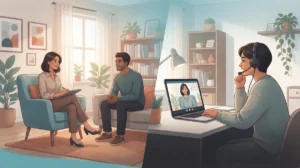
Brandon providers, including West Florida Therapy, offer both in-person and telehealth appointments. Here is a quick comparison to help you decide:
| Factor | In-Person Therapy | Telehealth Therapy |
|---|---|---|
| Convenience | Requires travel to an office | Attend from home or anywhere in Florida |
| Comfort Level | Best for those who value face-to-face connection | Good for those who feel more relaxed at home |
| Scheduling Flexibility | Limited to office hours and location | Often easier to fit into busy schedules |
| Best For | Trauma work, couples sessions, in-office comfort | Busy professionals, students, rural clients |
Both formats can be highly effective. It really comes down to your personal preference and lifestyle. If you are curious about remote options, check out telehealth therapy across Florida or read more about in-person therapy in Brandon, Florida.
How Much Does Therapy Cost in Brandon, FL?
Cost is a real concern for a lot of people, and that is completely understandable. Here is a general breakdown based on current local listings:
- Licensed clinician sessions: approximately $120 per session
- Sliding-scale rates: roughly $90 to $120, based on household income
- Registered intern sessions: around $75 per session
- Group therapy: typically $50 to $75 per session, often less expensive than individual sessions
These numbers are provider-specific and can change, so always confirm current rates directly with the practice. Many Brandon therapists also accept insurance, including Medicare, Florida Medicaid, Aetna, Cigna, UnitedHealthcare, Humana, Florida Blue-related plans, and Tricare. Before booking, it is smart to check your deductible, copay, and whether prior authorization is needed.
How to Choose the Right Therapist in Brandon
Picking a therapist is a personal decision. Here is a simple checklist to guide you:
- Verify Florida licensure. Make sure the provider is properly credentialed to practice in the state.
- Check their specialty. Look for experience with your specific concern, whether that is anxiety, trauma, or couples work.
- Ask about treatment approach. CBT, DBT, EMDR, and trauma-informed care all work differently.
- Confirm session format. Decide if you want in-person, telehealth, or a mix of both.
- Review cost and insurance. Ask about fees, sliding scale options, and accepted insurance plans.
- Ask about availability. Confirm they are accepting new clients and can offer a schedule that works for you.
Margaret Deuerlein at West Florida Therapy brings a warm, caring approach to helping adults, couples, and adolescents work through anxiety, depression, trauma, and relationship struggles. You can learn more about her background and approach on the About Margaret Deuerlein page. Her goal is simple: to make you feel heard, supported, and equipped with real tools for change.
Bilingual Therapy: Breaking Down Language Barriers
For many Hispanic families in Florida, finding a therapist who speaks Spanish fluently can make all the difference. Mental health struggles are hard enough without adding a language barrier on top. Bilingual therapy allows clients to express themselves fully, in the language that feels most natural, without losing nuance in translation.
West Florida Therapy proudly offers services in both English and Spanish, making quality care more accessible to Brandon’s diverse community. If you or a family member have been putting off therapy because of language concerns, this could be exactly what you need. Feeling understood is often the first step toward healing.
When Therapy Becomes Urgent: Know the Warning Signs
Therapy is incredibly helpful for ongoing support, but it is generally not an emergency service. If you or someone you know is at immediate risk of suicide, self-harm, or harming another person, please act right away:
- Call or text 988 (Suicide and Crisis Lifeline)
- Call 911 for immediate danger
- Go to the nearest emergency department
A therapist can help create a safety plan and connect you with local crisis resources, but urgent situations need immediate attention first. For more general guidance, the Florida Department of Health’s mental health resource links and the CDC’s mental health resources are great starting points for education and support.
Who Benefits Most From Therapy in Brandon?
Honestly, almost anyone can benefit from therapy at some point. But a few groups tend to see especially strong results:
- Young adults (18-26): This age group shows the highest rates of seeking treatment, often for anxiety, depression, and life transitions.
- Women: Women are more likely than men to seek therapy, often for anxiety, depression, and relationship concerns.
- Couples: Partners facing communication struggles or trust issues often see major improvement with structured couples counseling.
- Teens and their families: Adolescents dealing with school pressure, social anxiety, or family conflict benefit from age-appropriate, accessible care.
If you fall into one of these groups, or you simply feel like something needs to change, that is reason enough to reach out. You do not need a “big enough” problem to deserve support.
What to Expect From Your First Sessions
Not sure what actually happens in therapy? Here is a simple rundown:
- Initial consultation. A short conversation to understand your goals and see if it is a good fit.
- Assessment and planning. Your therapist gathers background information and builds a personalized plan.
- Regular sessions. Weekly or biweekly meetings where you build skills and process experiences.
- Progress check-ins. Your therapist reviews your growth and adjusts the plan as needed.
This structure gives you clarity from day one, so therapy never feels like a mystery. It is a partnership, built one session at a time.
Take the Next Step Toward Feeling Better
You deserve support, whether you are dealing with anxiety, working through past trauma, trying to save your relationship, or just feeling overwhelmed by life. Therapy benefits in Brandon, Florida are real, backed by research, and available to you right now. There is no shame in asking for help. In fact, it might be one of the strongest things you ever do for yourself.
If you are ready to talk to someone who genuinely cares, reach out to West Florida Therapy today to schedule your free 15-minute consultation. You can also visit us on Google — West Florida Therapy to see what our clients have to say about their experience. Healing starts with one small step, and we would be honored to walk that path with you.
FAQs
Q: What are the main benefits of therapy in Brandon, Florida?
A: Therapy can help you manage anxiety and depression, build healthier coping skills, and improve communication in your relationships. Many clients also feel more self-aware and better able to handle daily stress. Results depend on your specific situation, but the potential for real, lasting change is there.
Q: Does insurance cover therapy in Brandon, FL?
A: It depends on the provider and your specific plan. Many Brandon therapists accept plans like Aetna, Cigna, UnitedHealthcare, Florida Blue, and Medicare, but it’s always smart to call and confirm your benefits first. Your insurance company can tell you about copays, deductibles, and any pre-authorization requirements.
Q: How much does therapy cost without insurance in Brandon?
A: Rates vary, but many licensed clinicians charge around $120 per session, with sliding-scale options between $90 and $120 based on income. Sessions with registered interns are often more affordable, around $75. Group therapy tends to be the most budget-friendly option, typically $50 to $75 per session.
Q: Can I do therapy online instead of in-person in Brandon?
A: Absolutely! Telehealth therapy is widely available and works great for busy schedules or anyone who prefers meeting from home. Many Brandon providers, including West Florida Therapy, offer both in-person and virtual sessions so you can choose what feels right for you.
Q: How do I know if I need urgent mental health help?
A: If you or someone you love is having thoughts of suicide or self-harm, please call or text 988 right away, or call 911 in an emergency. Therapy is wonderful for ongoing support, but it’s not designed for crisis situations that need immediate attention.