
Key Takeaways
-
Waiting until problems feel impossible can make therapy longer and more stressful; reaching out early when the same fight keeps repeating helps prevent small issues from growing.
-
Family therapy doesn't require everyone in every session; therapists may meet with the whole family, parents alone, or a teen alone, so ask who should attend the first session.
-
Verify any Florida therapist's license (LMFT, LMHC, or LCSW) is active through the state license lookup, and confirm they have training in your specific concern.
-
Before starting, call your insurer and provider to confirm in-network status, referral requirements, copays, and whether family sessions are covered when the main patient isn't present.
-
Ask key questions up front: their treatment approach, who should attend, confidentiality limits, fees, cancellation policy, and how progress will be measured.
-
Expect gradual change; signs therapy is working include calmer conversations, less interrupting, families feeling safer sharing, and old patterns appearing less often.
Let’s be honest: deciding to try family therapy in Brandon, Florida can feel like a big step. Maybe the dinner table has gone quiet. Maybe the arguments keep repeating, or your teen has shut the bedroom door and stopped talking. Whatever brought you here, take a breath. Reaching out for help is a sign of love, not failure.
Here’s the good news. Family therapy can help people talk, listen, and reconnect. But a few common missteps can slow progress, waste money, or leave families feeling more frustrated than before. The good news is that these mistakes are easy to avoid once you know what to look for.
In this friendly guide, we’ll walk through seven mistakes families often make when searching for family therapy in Brandon, FL. We’ll also cover what to expect, how to check credentials, and how to tell if therapy is working. Along the way, you’ll see how West Florida Therapy approaches care, so you can feel more confident about your next step.
What Is Family Therapy, and Who Is It For?
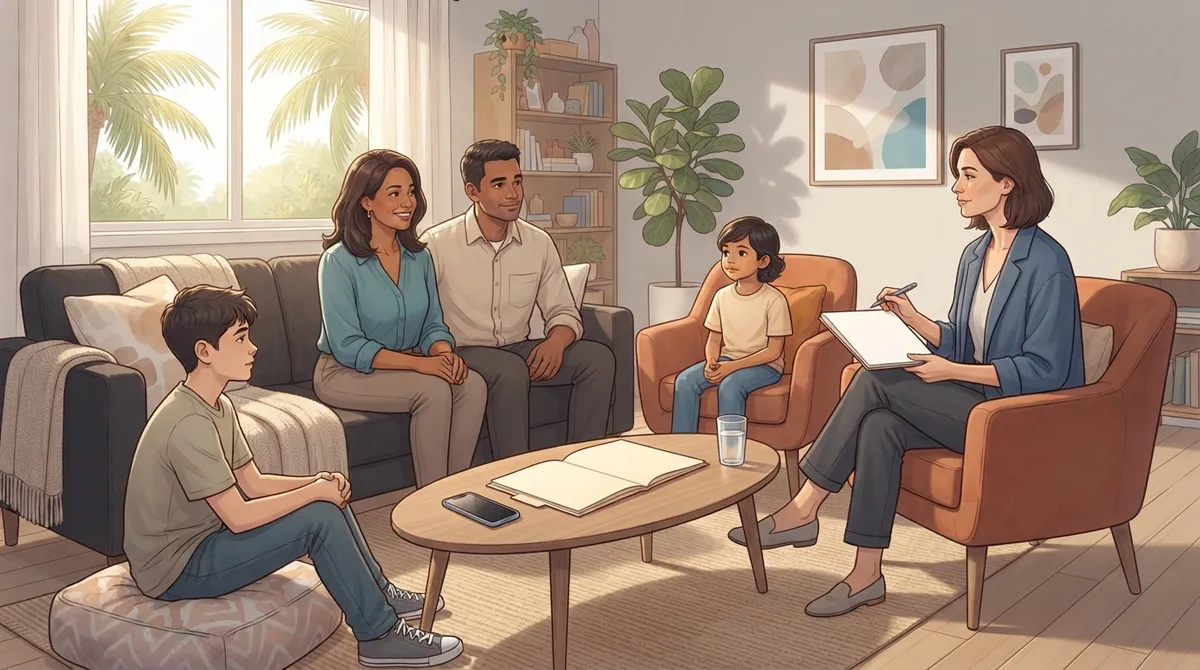
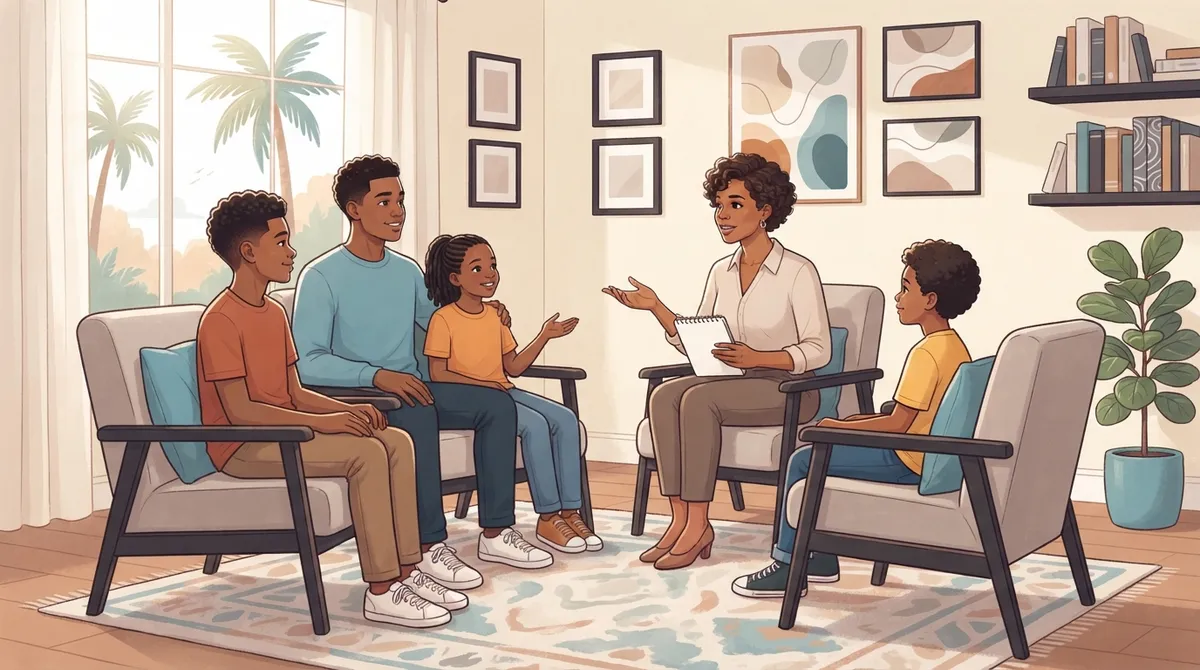
Family therapy is a type of mental health counseling where a therapist works with family members together. The goal is to understand relationship patterns, improve communication, ease conflict, and support healthy change. Sometimes the therapist meets with the whole family. Other times, they meet with smaller groups or one person, depending on the goals.
Families often come to therapy for reasons like these:
- Frequent arguments or tension at home
- Parenting or co-parenting challenges
- Blended-family adjustment
- A child or teen struggling with emotions or behavior
- Grief, divorce, or a big life change
- The effects of trauma or substance use on the family
You don’t need a crisis to start. Many families come in simply because they want to feel closer and communicate better. If you’re curious about the broader picture of emotional support, our guide to mental health is a helpful place to begin.
Mistake 1: Waiting Until Things Feel Impossible
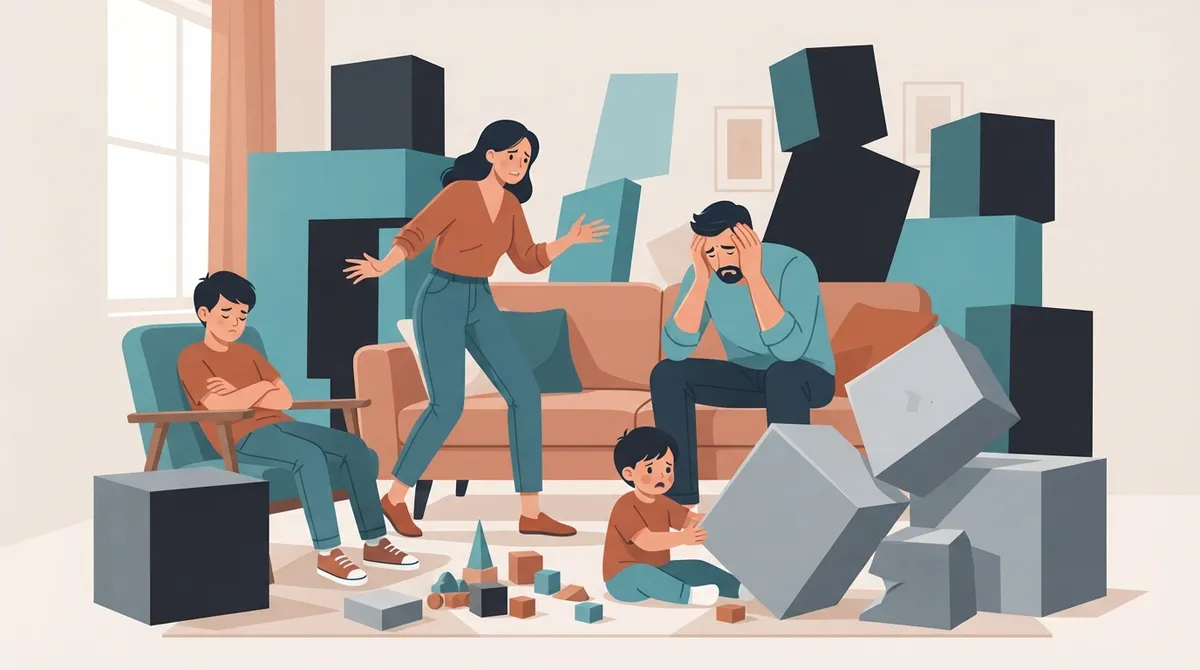
Many families put off therapy because they hope things will settle down on their own. Sometimes they do. But often, small problems grow into big ones while everyone waits.
Think of it like a leaky faucet. A quick fix early on is much easier than repairing water damage later. If you notice the same fight happening again and again, or if someone in the family seems withdrawn or overwhelmed, it’s a good time to reach out.
Early support can make therapy shorter and less stressful. It also shows your kids that asking for help is normal and healthy.
Mistake 2: Assuming the Whole Family Must Attend Every Session
This one surprises people. Family therapy doesn’t always mean every single person is in the room every single time. A good therapist may meet with the whole family, with parents alone, with a teen alone, or in other combinations. It all depends on your clinical goals.
So who should come? Here’s a simple way to think about it:
- Start with the people most affected by the concern you want to address.
- Ask your therapist who should attend the first session.
- Stay flexible. The mix of people may change as therapy moves forward.
If your teenager is hesitant, that’s very common. Many teens warm up once they see that therapy is a safe place to be heard, not a place to be blamed. For more on this, see our post on virtual therapy for adolescents in Brandon, FL.
Mistake 3: Skipping the License Check
This is a big one. In Florida, family therapists may hold different credentials. Common ones include:
| Credential | What It Stands For |
|---|---|
| LMFT | Licensed Marriage and Family Therapist |
| LMHC | Licensed Mental Health Counselor |
| LCSW | Licensed Clinical Social Worker |
Each of these can be a solid path to quality care. What matters is that the license is active and that the clinician has training that fits your family’s needs. You can verify any Florida license through the state’s license lookup before you begin. It only takes a few minutes, and it gives real peace of mind.
It’s also smart to ask about special training. If your concern involves trauma, anxiety, or teen struggles, make sure your therapist has experience in that area. Learn more about the role of a psychotherapist and how they can support you.
Mistake 4: Not Asking the Right Questions Up Front
Picking a therapist shouldn’t feel like a guessing game. A good first call or consultation is your chance to ask questions. Here are some to keep handy:
- Have you worked with families facing our type of concern and our children’s ages?
- What is your treatment approach?
- Who should attend sessions?
- How do you handle confidentiality, and what are its limits?
- How long are sessions, and what are the fees?
- What is your cancellation policy?
- How will we know if therapy is helping?
At West Florida Therapy, we offer a free 15-minute consultation. It’s a relaxed chance to share your concerns, ask questions, and make sure we’re the right fit. There’s no pressure, just a friendly conversation.
Mistake 5: Assuming Insurance Will Cover Everything
Insurance can be confusing, and family therapy adds a few extra wrinkles. Coverage depends on your specific plan and the clinical circumstances. For example, some plans have rules about whether family sessions are covered when the main patient isn’t in the room.
Before you start, call your insurance company and the provider. Ask about:
- Whether the provider is in-network with your plan
- Any referral or authorization requirements
- Your copay and deductible
- Whether family sessions are covered in your situation
Please don’t assume you’re covered just because a practice says it “accepts insurance.” Always double-check. West Florida Therapy is in-network with several major insurers, including Aetna, Cigna, Florida Blue, Optum, Oscar, and United Health Care. We also offer out-of-pocket options and accept HSA and FSA cards. You can read more on our payment options page.
Mistake 6: Overlooking Online Options
Busy schedules, long drives, and packed afterschool calendars can make weekly appointments tough. That’s where telehealth can help. Many families in the Brandon area find that remote sessions fit their lives better.
If you go this route, keep a few things in mind:
- Confirm the therapist is authorized to provide telehealth in Florida.
- Ask whether all participating family members must be physically in Florida during sessions.
- Find a quiet, private spot at home where everyone can talk openly.
West Florida Therapy offers in-person sessions in Brandon and virtual therapy across Florida. Curious how it works? Take a look at our guide on telehealth therapy in Florida, or compare options in our post on in-person vs. telehealth therapy in Brandon. If you prefer face-to-face care, learn about in-person therapy in Brandon, Florida.
Mistake 7: Expecting Instant Results
Here’s a gentle truth: family change takes time. You won’t walk out of the first session with every problem solved. That’s okay! Therapy is more like learning a new skill than flipping a switch.
So how do you know it’s working? Look for small signs:
- Conversations get calmer, even when you disagree
- Family members listen more and interrupt less
- Everyone feels a bit safer sharing their feelings
- Old patterns show up less often, or you catch them sooner
A good therapist will check in on progress often, celebrate wins with you, and adjust the plan when needed. That’s exactly how our process works at West Florida Therapy: a quick consult, a personalized plan, steady weekly or bi-weekly support, and regular progress check-ins.
Family Therapy Options in the Brandon Area
Brandon has a range of behavioral health practices and independent clinicians offering family counseling. Some offer in-person visits, and some also offer telehealth. Since services, fees, and availability change, always confirm details directly with any provider you’re considering. For a broader look at local choices, check out our post on family counseling options in Brandon, Florida.
Here’s a quick checklist to compare any provider:
| What to Compare | Why It Matters |
|---|---|
| License and credentials | Confirms the clinician is qualified in Florida |
| Experience with your concern | Makes sure they understand your family’s needs |
| Session format | In-person, telehealth, or both |
| Fees and insurance | Helps you plan costs ahead of time |
| Language options | Important for bilingual families |
Language can matter more than people realize. For Spanish-speaking families, being able to share feelings in the language of the heart can make therapy feel so much more natural. We offer bilingual services in English and Spanish, and you can learn more in our guide to finding a Spanish-speaking therapist in Brandon, FL.
How Therapy Can Help Different Family Situations
When Teens Are Struggling
Teenagers carry a lot: school pressure, friendships, social media, and big feelings. When a teen is anxious or withdrawn, the whole home can feel it. Family therapy gives everyone tools to talk things through. You might also explore anxiety treatment for a teen or parent who feels overwhelmed.
When Couples Are Parenting Under Stress
Sometimes the tension at home starts between partners. Stress, miscommunication, or life changes can spill over to the kids. Couples therapy can work alongside family sessions to strengthen your partnership and your parenting. If you’re facing relationship problems, you’re not alone, and support is available.
When Grief or Trauma Touches the Family
Loss, accidents, or hard experiences can ripple through a family. Each person may cope differently, and that can cause confusion. Gentle, guided support through trauma therapy can help families heal side by side.
Meet the Therapist Behind the Care
Margaret Deuerlein is a caring, down-to-earth psychotherapist who helps clients feel heard and understood. She meets people exactly where they are, with warmth and practical tools they can use right away. If you’d like to know more about her background and approach, visit her page about Margaret Deuerlein. You can also hear what others say by reading reviews and visiting us on Google, West Florida Therapy.
Sometimes a therapist may also suggest extra support, such as a referral to a care partner like InCare, when a family needs resources beyond therapy sessions. Caring for a family often takes a team, and that’s perfectly okay.
Helpful Resources for Florida Families
Learning more can make the first step feel easier. These trusted sources offer useful information for families across the state:
- The Florida Department of Health shares mental health links and local resources.
- The Florida Department of Children and Families explains substance abuse and mental health services.
- The CDC offers mental health resources for caring for yourself and others.
Ready to Take the Next Step?
If your family is feeling stuck, tired, or disconnected, you deserve support, and you don’t have to figure it out alone. Avoiding these seven mistakes can help you find family therapy in Brandon, Florida that truly fits your needs. Check credentials, ask good questions, verify insurance, consider telehealth, and give the process time to work.
Healing can start with one small, brave conversation. When you’re ready, reach out to West Florida Therapy to book your free 15-minute consultation. We’d be honored to walk this path with your family.
FAQs
Q: What does family therapy help with?
A: Family therapy can help with recurring conflict, parenting or co-parenting challenges, blended-family changes, teen emotional or behavior concerns, grief, divorce, and the effects of trauma. It’s all about helping your family talk, listen, and grow closer.
Q: Can family therapy be done online in Florida?
A: Yes, many families use telehealth for convenience. Just confirm that your therapist is authorized to provide telehealth in Florida, and ask whether everyone must be physically in the state during sessions. West Florida Therapy offers virtual sessions across Florida.
Q: Does insurance cover family therapy in Florida?
A: It depends on your plan and your situation. Call your insurer and your provider to ask about network status, copays, deductibles, and whether family sessions are covered when the main patient isn’t present.
Q: Should children or teens attend family therapy sessions?
A: Often yes, but it depends on your goals and the child’s age. A good therapist will help decide who should come and may meet with different family members in different combinations over time.
Q: How do I know whether family therapy is working?
A: Look for small, steady changes, like calmer talks, better listening, and fewer repeat arguments. Your therapist should also check in on progress regularly and adjust your plan as needed.