
Key Takeaways
-
29.6% of Florida students ages 11-17 reported feeling sad or hopeless in 2024; adolescent therapy addresses everyday struggles like anxiety, school stress, and family conflict before they become crises.
-
Watch for behavioral warning signs lasting more than two weeks: withdrawn from friends, sleep/appetite changes, falling grades, angry outbursts, or talk of hopelessness—these warrant a therapist consultation.
-
Match your teen's needs to the right care level: outpatient therapy for mild-moderate concerns, intensive outpatient for more structure, partial hospitalization for significant symptoms, or residential care for 24-hour support.
-
Before booking, ask providers about their Florida license, treatment methods, confidentiality limits, wait times, telehealth availability, and insurance acceptance to ensure the right fit for your family.
-
Virtual therapy is a practical option for busy teens; many feel comfortable in their own room, and telehealth is available across Florida alongside in-person sessions in Brandon.
-
Know the mental health crisis line: call or text 988 for suicide risk or mental health crisis; call 911 for immediate danger—routine therapy is supportive but cannot replace emergency care.
If you are a parent watching your teen pull away, struggle at school, or seem weighed down by worry, you are not alone. Many Florida families ask the same question: where do we start? Looking into adolescent therapy in Brandon, Florida is a big, caring step. It shows your teen that help is real and that they do not have to figure it all out by themselves.
Here is some perspective. The CDC reports that in 2023, 40% of U.S. high school students felt so sad or hopeless for at least two weeks that they stopped doing some usual activities. In Florida, 29.6% of students ages 11 to 17 reported the same in 2024, according to Florida Health Charts. These are big numbers, and they remind us that teens everywhere are carrying a lot.
This friendly guide walks you through 10 things worth knowing before you book a first session. We will cover what therapy can help with, how to choose a provider, what to ask, and when to seek urgent help. Let’s take it one step at a time.
1. Therapy Can Help With More Than You Might Expect
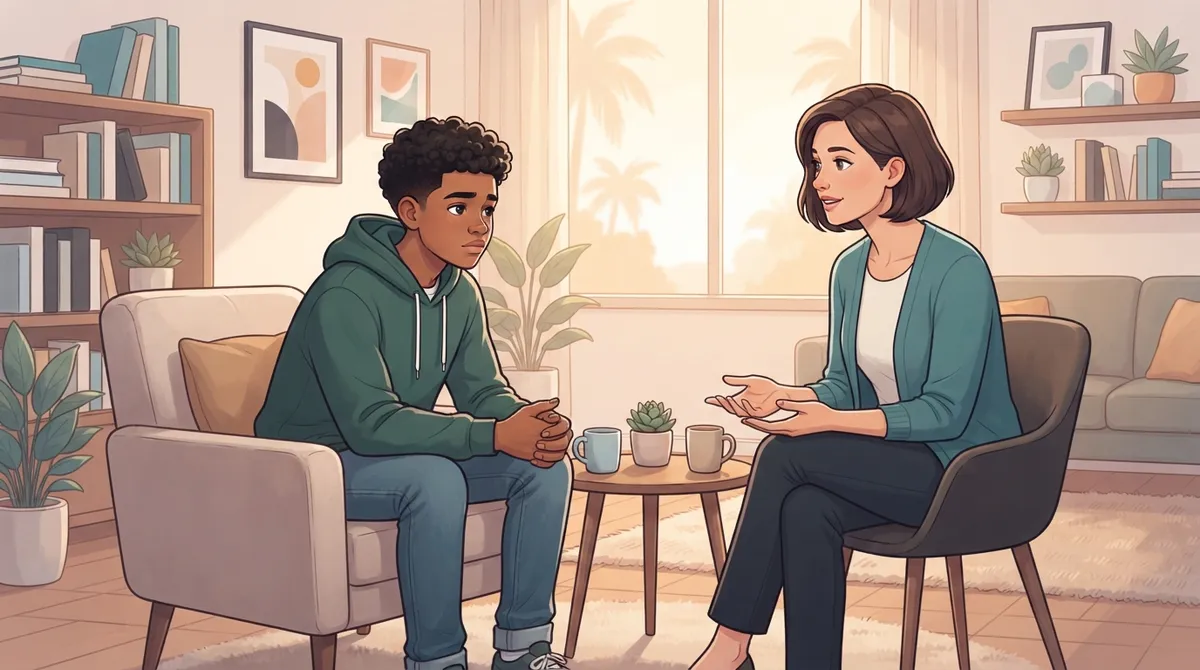
Many parents think teen therapy is only for a serious crisis. In reality, it can help with everyday struggles that build up over time. A licensed clinician can assess your teen’s needs and recommend the right approach.
Common concerns that adolescent therapy can address include:
- Anxiety, worry, and social fears
- Sadness, low mood, and loss of interest in activities
- Trauma and difficult life events
- School stress, grades, and behavior challenges
- Family conflict and communication struggles
- Low self-esteem and body image worries
- Substance use concerns
You do not need a perfect label or a diagnosis to start. If something feels off, that is reason enough to reach out.
2. Warning Signs Are Easy to Miss
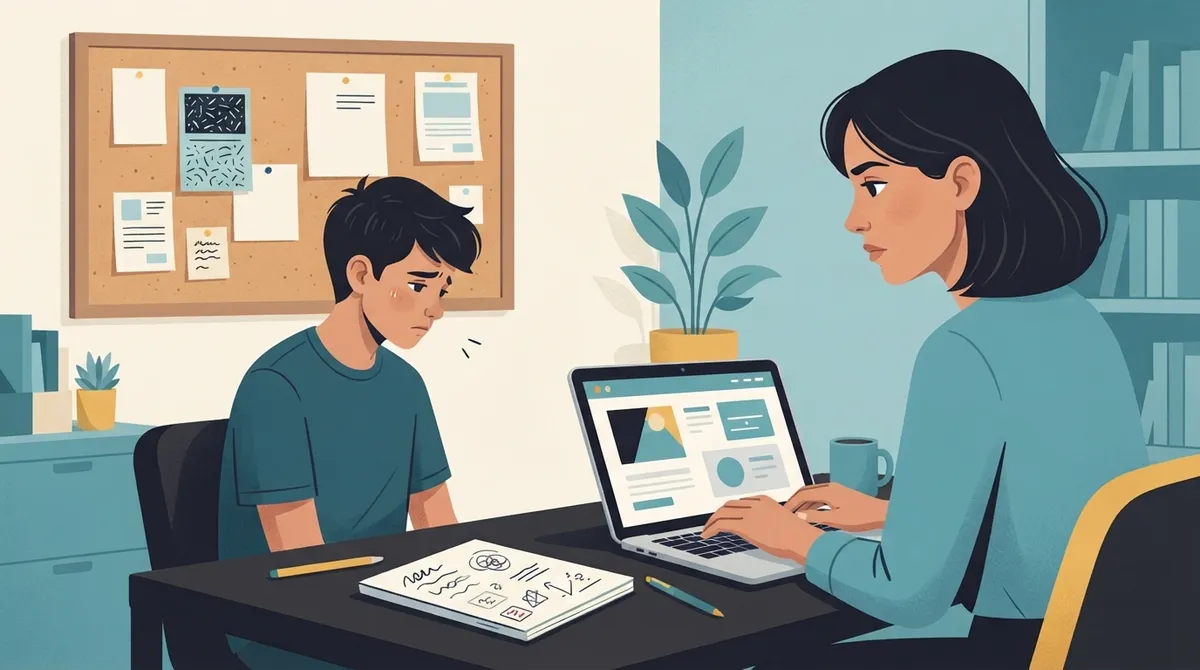
Teens do not always say, “I’m struggling.” Instead, it often shows up in behavior. Moodiness is normal at this age. But changes that last more than a couple of weeks deserve a closer look.
Watch for these signs:
- Pulling away from friends or favorite activities
- Big changes in sleep or appetite
- Falling grades or skipping school
- Angry outbursts or constant irritability
- Frequent headaches or stomachaches with no clear cause
- Talk of feeling hopeless or worthless
If you notice several of these, a conversation with a therapist can help you sort out what is happening. For more on early clues, see our guide on how to recognize mental health warning signs early.
3. Brandon Families Have Several Types of Care to Choose From
Adolescent therapy in Brandon may be available through outpatient counseling practices, psychiatric clinics, and specialized programs for substance use or higher-intensity needs. Some local clinics list services for children and adolescents with both in-person and telehealth options. Always confirm that a provider currently serves your teen’s age group and offers the level of care your teen needs.
At West Florida Therapy, licensed psychotherapist Margaret Deuerlein offers individual therapy for adolescents and adults, along with couples therapy. Sessions are available in person in Brandon and by telehealth across Florida. Sessions are also offered in English and Spanish, which can be a big help for bilingual families. You can learn more about Margaret Deuerlein and her caring approach.
4. Know the Levels of Care
Not every teen needs the same intensity of treatment. A qualified professional should help decide the right fit based on safety, symptoms, daily functioning, and support at home. These options are not interchangeable.
| Level of Care | Intensity | Who It May Fit |
|---|---|---|
| Outpatient therapy | Weekly or bi-weekly sessions | Teens with mild to moderate concerns who are safe and functioning |
| Intensive outpatient (IOP) | Several days per week, a few hours each | Teens who need more structure than weekly therapy |
| Partial hospitalization (PHP) | Most of the day, most days of the week | Teens with significant symptoms who can still live at home |
| Residential care | 24-hour live-in support | Teens who need round-the-clock care and safety |
Most teens begin with outpatient therapy. If a clinician sees a need for more support, they can talk with you about next steps.
5. Different Types of Sessions Serve Different Needs
Therapy is not one-size-fits-all. Depending on your teen’s needs, a clinician may recommend individual, family, or group therapy. When it is clinically appropriate, a psychiatric evaluation may also be part of the plan.
Individual sessions give your teen a private space to talk openly. Family sessions can help everyone learn new ways to communicate. Many families find a mix works best. If your teen is dealing with worry that feels constant, our page on anxiety treatment explains how therapy can help, and you can read about depression treatment too.
6. Trauma Can Look Different in Teens
Trauma does not always look like what we see in movies. For teens, it may show up as anger, trouble focusing, nightmares, or avoiding certain places or people. It can come from many experiences, and it is never your teen’s fault.
Specialized approaches can help teens process hard experiences safely and at their own pace. If you think trauma may play a role, explore trauma therapy and learn more about EMDR treatment. You can also read about how trauma therapy helps adolescents in Brandon.
7. Virtual Therapy Is a Real Option
Busy schedules, sports, and homework can make weekly office visits tricky. That is where telehealth comes in. Many teens feel comfortable talking from their own room, and virtual sessions can work well for a lot of adolescents.
Virtual therapy is available across Florida, so your teen can attend from home. Learn how it works in our guide to virtual therapy for adolescents in Brandon, or see telehealth therapy in Florida. Prefer face-to-face? Read about in-person therapy in Brandon.
Not sure which is better? Our comparison of in-person vs. telehealth therapy can help you decide.
8. Ask These Questions Before You Book
A little preparation goes a long way. Before you schedule, it helps to ask each provider a few simple questions. This is your chance to see if the fit feels right for your teen and your family.
- Are you licensed in Florida, and how much adolescent experience do you have?
- What treatment methods do you use?
- How are parents or caregivers involved?
- What are the rules around confidentiality, and what are its limits?
- How long is the wait for a first appointment?
- Do you offer telehealth?
- What are your fees, and are you in network with my insurance?
Confidentiality matters a lot to teens. Most therapists explain that what your teen shares stays private, except when safety is at risk. Knowing this upfront builds trust for everyone.
Also read our tips on mistakes to avoid when choosing teen therapy in Brandon to make your search smoother.
9. Cost and Insurance Are Easier to Sort Out Than You Think
Money questions stop many families before they even start. The good news is that there are options. Provider websites often list which insurance plans they accept, but you should always confirm coverage and benefits with both your insurer and the clinic.
West Florida Therapy is currently in-network with several major insurance providers, including Aetna, Cigna, Florida Blue, Optum, Oscar, and United Health Care. Many families also pay out of pocket for added privacy and flexibility, and HSA and FSA accounts are accepted. Check the details on our payment options page, and call your insurance carrier to verify your mental health benefits, copays, and deductible.
10. Know When to Get Urgent Help
Routine outpatient therapy is wonderful, but it is not a substitute for emergency care. If your teen is in a mental health crisis or at risk of suicide, call or text 988 in the United States. For immediate danger or a medical emergency, call 911 or go to the nearest emergency department.
Here is why early care matters. Florida Health Charts reports that in 2024, 14.9% of Florida students ages 11 to 17 said they had purposely hurt themselves without wanting to die. These numbers are heavy, but they also show why reaching out sooner is better than waiting. For more support resources, visit the CDC’s mental health resources for caring for others.
What About Substance Use Concerns?
If you are worried about alcohol or drug use, you are not alone, and help exists locally. Some Brandon programs list services for teens ages 13 to 17, including outpatient and intensive outpatient options. Confirm current eligibility, program details, and referral requirements directly with the provider.
For state-level information, the Florida Department of Children and Families shares details on substance abuse and mental health services. The Florida Department of Health also provides helpful mental health links.
How West Florida Therapy Can Support Your Family
Starting therapy can feel like a lot, so our process is simple and gentle. Here is what you can expect:
- Start with a conversation. We begin with a free 15-minute phone consultation to hear your concerns and answer your questions.
- Build a personalized plan. Together, we create a plan shaped around your teen’s experiences and goals.
- Get steady support. Sessions happen weekly or bi-weekly, in person or by telehealth.
- Track progress. We check in often, celebrate growth, and adjust as needed.
You can read more about our process to see what your first steps look like. Curious what others say? Visit us on Google — West Florida Therapy to see our Brandon location and read reviews.
Want to know why so many local teens benefit from one-on-one care? Take a look at these 15 reasons adolescents in Brandon need individual therapy.
Take the First Step Today
Reaching out for adolescent therapy in Brandon, Florida is one of the kindest things you can do for your teen. You do not need to have every answer. You just need to start. With the right support, teens can learn to manage big feelings, rebuild confidence, and reconnect with the people they love.
Ready to talk? Contact us to schedule your free 15-minute consultation. We are here to help your teen feel heard, supported, and hopeful again.
FAQs
Q: How do I find a licensed adolescent therapist in Brandon, Florida?
A: Start by asking each provider about their Florida license and their experience working with teens. Many practices, including West Florida Therapy, offer a free 15-minute consultation so you can see if the fit feels right before you commit.
Q: Can my teenager attend therapy online in Florida?
A: Yes! Telehealth therapy is available across Florida, so your teen can join sessions from home. Many teens feel relaxed in their own space, and in-person sessions are also available in Brandon if you prefer face-to-face.
Q: How involved are parents in a teen’s therapy?
A: It depends on your teen’s needs and the therapist’s approach. Many therapists keep sessions private for the teen while checking in with parents about progress and sharing tips for support at home. Be sure to ask about confidentiality and its limits at the start.
Q: Does adolescent therapy in Brandon accept insurance?
A: Many providers do, but plans vary. West Florida Therapy is in-network with several major insurers, including Aetna, Cigna, Florida Blue, Optum, Oscar, and United Health Care. Always confirm your benefits with your insurance company and the clinic before booking.
Q: What should I do if my teenager is in a mental health crisis?
A: Call or text 988 right away for a mental health crisis or risk of suicide. If there is immediate danger or a medical emergency, call 911 or go to the nearest emergency room. Regular therapy is wonderful for ongoing support, but it is not a replacement for emergency care.