Key Takeaways
-
Telehealth therapy eliminates travel barriers for busy Brandon residents, allowing sessions from home, car, or any comfortable location without sacrificing the quality of care compared to in-person therapy.
-
Florida Medicaid and major insurers (Aetna, Cigna, Florida Blue, Optum, United Health Care) cover real-time video telehealth sessions, though audio-only calls typically aren't covered; confirm coverage before booking.
-
Bilingual telehealth services in English and Spanish are available in Brandon, allowing Spanish-speaking clients to process emotions and discuss mental health concerns in their first language without language barriers.
-
Teens often open up more easily through virtual therapy sessions from familiar spaces than in clinical offices, making telehealth particularly effective for adolescents dealing with school pressure, social anxiety, or family conflict.
-
Telehealth therapists in Florida must be properly licensed to practice in the state and use secure, HIPAA-compliant video platforms; verify credentials and security measures before booking your first appointment.
-
Mental health emergencies require immediate crisis intervention (call 911, text 988, or visit emergency rooms), not scheduled telehealth sessions; virtual therapy is designed for ongoing support and skill-building, not acute crises.
Life in Brandon moves fast. Between work, school, traffic on I-75, and family responsibilities, finding time to drive to an office for therapy can feel impossible. That’s where telehealth therapy comes in, and honestly, it’s changed the game for so many people who once thought getting mental health support just wasn’t realistic for their busy lives.
If you’ve been curious about telehealth therapy in Brandon, Florida, you’re in the right place. This guide walks you through what it is, how it works, who it helps, and what to look for before you book your first session. Whether you’re a busy parent, a stressed college student, or someone simply tired of sitting in a waiting room, we want you to feel confident and informed. You deserve care that fits into your real life, not the other way around.
What Is Telehealth Therapy, Exactly?
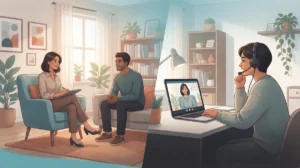
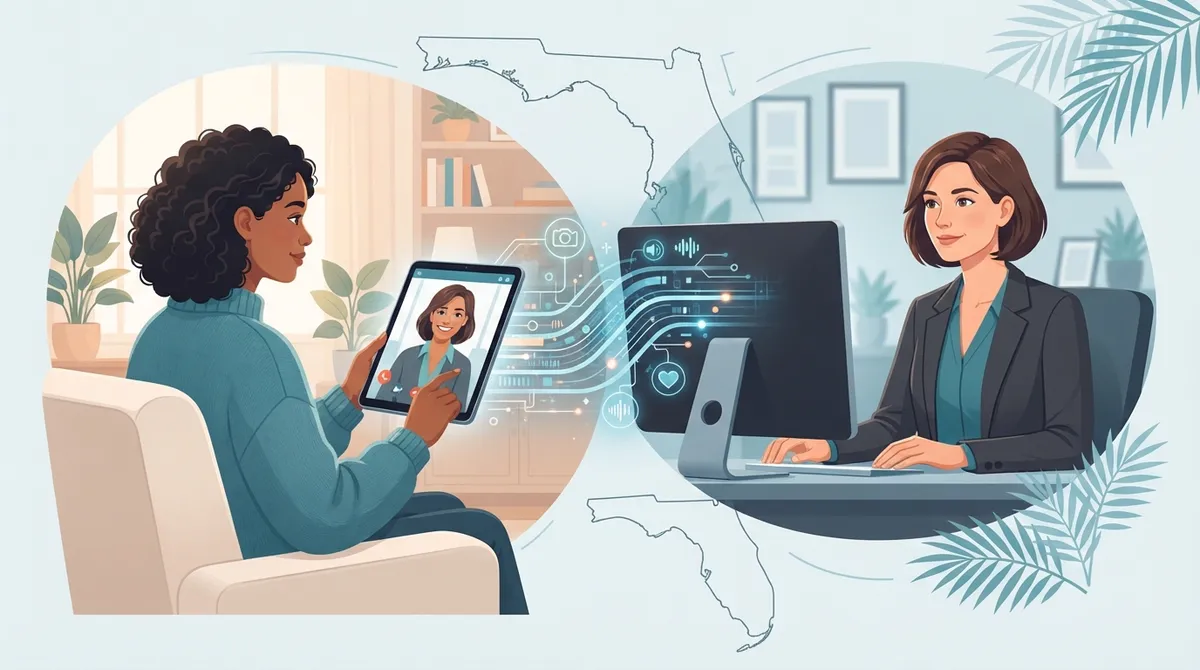
Telehealth therapy is simply counseling delivered through video calls instead of in an office. You log into a secure video platform, and your therapist appears on your screen just like they would in person. The conversation, the connection, and the healing work happen the same way, just through a screen.
In Florida, telehealth is defined by state law as using telecommunications technology to assess, diagnose, and treat behavioral health conditions. This means your therapist still needs proper licensing to practice in Florida, even if they are physically sitting somewhere else. That protects you and makes sure you’re getting care from a qualified professional.
Telehealth can include several types of care, such as:
- One-on-one talk therapy for anxiety, depression, or stress
- Trauma-focused counseling
- Support for ADHD, mood disorders, or relationship struggles
- Psychiatric evaluations and medication management (through psychiatric providers)
- Couples and family sessions conducted virtually
Why Brandon Residents Are Choosing Virtual Therapy
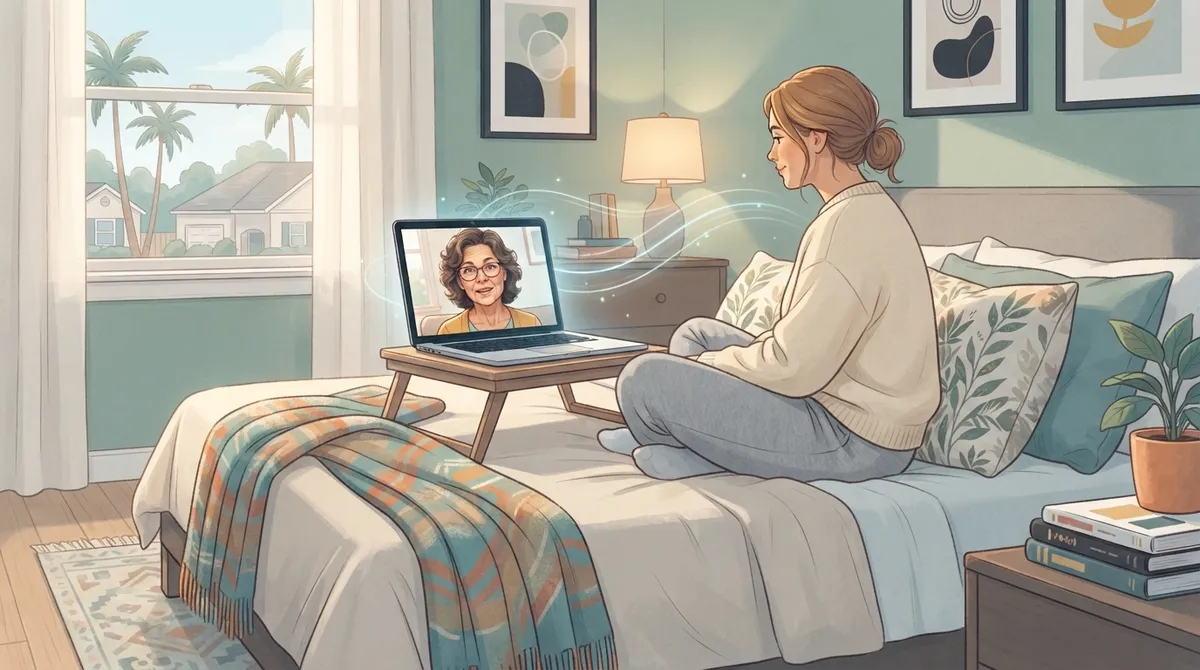
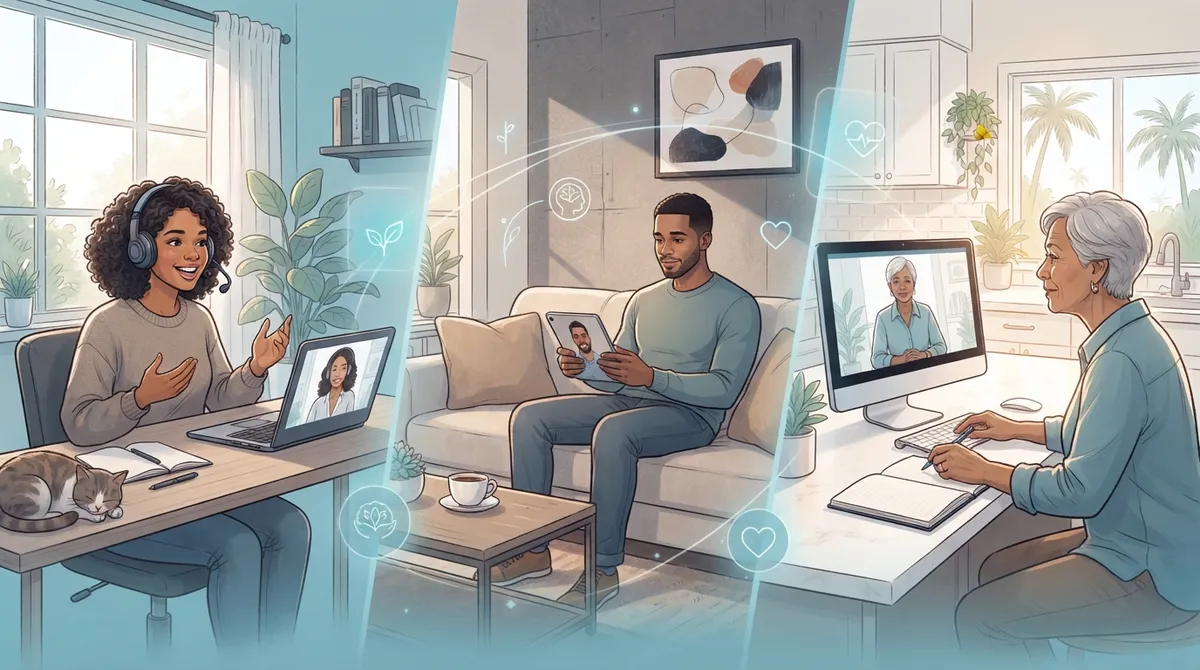
Brandon has grown a lot over the past several years, and with that growth comes more traffic, more commitments, and less free time. Telehealth removes the barrier of travel completely. You can have a session from your bedroom, your car during a lunch break, or even your backyard if that’s where you feel most at ease.
For Spanish-speaking adults in the area, bilingual telehealth options are especially valuable. Being able to talk about your feelings in your first language matters. It’s hard enough to open up about anxiety or personal struggles without also fighting a language barrier. West Florida Therapy offers bilingual English and Spanish services, both in-person and virtually, so language never has to stand between you and support.
Who Benefits Most From Telehealth Therapy?
Almost anyone can benefit from virtual sessions, but a few groups tend to find it especially helpful:
- Busy millennials juggling careers, relationships, and financial stress who need flexible scheduling
- Anxious teens who feel more comfortable talking from a familiar space rather than a clinical office
- Young adults ages 18 to 26, a group that research shows is seeking mental health treatment more than ever before
- Couples who struggle to coordinate schedules but still want to work on relationship problems together
- Parents who can’t easily arrange childcare for an in-office appointment
- People with mobility limitations or transportation challenges
If you’re a parent of a teenager struggling with school pressure or social anxiety, virtual sessions can also feel less intimidating for adolescents than sitting face-to-face in an unfamiliar office. Many teens actually open up more easily through a screen.
Telehealth vs. Telepsychiatry: What’s the Difference?
These terms get mixed up a lot, so let’s clear it up simply. Teletherapy usually refers to talk therapy or counseling sessions with a licensed therapist, psychologist, or counselor. Telepsychiatry refers to appointments with a psychiatrist or psychiatric nurse practitioner, often focused on diagnosis and medication management.
Some people need both. For example, someone dealing with mood issues might see a therapist weekly for talk therapy and a psychiatric provider monthly for medication check-ins. Both can typically be done virtually, which makes coordinating care so much easier than juggling multiple office visits.
| Service Type | Provided By | Common Focus |
|---|---|---|
| Teletherapy | Licensed therapists, counselors, social workers | Talk therapy, coping skills, processing emotions |
| Telepsychiatry | Psychiatrists, psychiatric nurse practitioners | Diagnosis, medication management |
| Couples Telehealth | Licensed therapists trained in relationship work | Communication, conflict resolution, intimacy |
What Conditions Can Telehealth Therapy Help With?
Virtual therapy is not a watered-down version of in-person care. Research and clinical experience both show it can be just as effective for many conditions. Common areas addressed through telehealth include:
- Anxiety treatment, including generalized anxiety and panic symptoms
- Depression treatment and low motivation
- Trauma therapy for past experiences affecting daily life
- ADHD symptom management
- Couples therapy for communication breakdowns
- Stress related to work, school, or major life transitions
If you’re not sure whether your struggles qualify for therapy, they do. You don’t need a crisis to justify seeking help. Feeling overwhelmed, stuck, or simply “not like yourself” is reason enough to reach out.
Meet Margaret Deuerlein: A Caring Voice Behind the Screen
One of the biggest worries people have about telehealth is losing that personal connection. At West Florida Therapy, Margaret Deuerlein brings warmth, patience, and genuine care to every session, whether it happens in the Brandon office or through a secure video call. She understands that opening up to a stranger is hard, and she works to make that first step feel safe and welcoming.
Margaret works with individuals, couples, and adolescents facing anxiety, depression, trauma, and relationship struggles. Her bilingual services also mean Spanish-speaking clients can receive care in the language that feels most natural to them. You can learn more about her approach and background on the About page.
How to Choose a Telehealth Therapist in Brandon
Not all telehealth services are created equal. Before booking, it helps to ask a few important questions. Here’s a simple checklist to guide you:
- Is the provider licensed to practice in Florida?
- Do they use a secure, HIPAA-compliant video platform?
- Do they treat your specific concern, such as anxiety, trauma, or relationship issues?
- Do they accept your insurance, or what are the self-pay rates?
- What is their cancellation policy?
- Do they serve your age group, whether that’s a teen, adult, or couple?
- How quickly can you get an appointment?
Several Brandon-area practices offer virtual behavioral health services, so availability, specialties, and insurance participation can vary quite a bit. Always confirm these details directly with the provider before your first appointment.
Understanding Insurance and Costs
Insurance coverage for telehealth therapy has expanded quite a bit in recent years. Florida Medicaid generally covers real-time, two-way video telemedicine, but it typically does not cover audio-only sessions. That means a phone call alone usually won’t qualify, but a proper video session usually will.
West Florida Therapy accepts several major insurance providers, including Aetna, Cigna, Florida Blue, Optum, Oscar, and United Health Care. We also offer out-of-pocket rates for clients who prefer extra privacy or flexibility outside of insurance requirements. We accept major credit cards along with HSA and FSA accounts, making payment simple no matter which option fits your situation best.
What Happens During Your First Telehealth Session?
Starting therapy, even virtually, can feel intimidating if you don’t know what to expect. Here is a simple breakdown of the process most clients go through:
- Initial phone consultation: A brief call to discuss your goals and see if it’s a good fit.
- Personalized treatment plan: Your therapist builds a plan around your specific needs and history.
- Regular sessions: Weekly or biweekly video appointments to build skills and process emotions.
- Progress check-ins: Your therapist adjusts your plan as you grow and change.
Before your appointment, you’ll want a private, quiet space and a stable internet connection. Many clients find that even ten minutes of quiet time before logging on helps them settle in and get the most from their session.
Is Telehealth Right for Every Situation?
Telehealth is wonderful for many situations, but it isn’t right for everything. If you’re experiencing a mental health emergency, such as thoughts of harming yourself or someone else, please don’t wait for a scheduled appointment. Call 911, go to your nearest emergency room, or call or text 988 to reach the Suicide & Crisis Lifeline immediately. Telehealth therapy is designed for ongoing support and skill-building, not emergency intervention.
For everything else, from everyday stress to long-standing psychological trauma, virtual sessions can offer real, lasting help. The Florida Department of Health’s mental health resources also provide helpful guidance for residents exploring their options across the state.
Telehealth for Couples and Families
Relationship struggles don’t pause for a busy schedule, and sometimes getting both partners into the same office at the same time feels nearly impossible. Telehealth couples sessions solve that problem. Both partners can join from home, even from separate rooms if needed, making it easier to prioritize the relationship without added logistical stress.
Many couples come to therapy dealing with communication breakdowns, trust issues, or feeling disconnected after years together. Virtual sessions provide a private, comfortable space to work through these challenges with guidance from a trained professional who understands relationship dynamics.
Supporting Teens Through Virtual Therapy
Parents often ask whether teens can really open up during a video session. In many cases, the answer is yes, sometimes even more than in person. Teens who feel anxious about face-to-face conversations often relax more when they’re in their own room, on their own device, talking through a screen instead of across a desk.
Adolescent telehealth therapy can address school pressure, social anxiety, family conflict, and mood changes. Parents typically stay involved in scheduling and treatment updates, while the teen gets a private, judgment-free space to talk openly.
Building Trust in a Virtual Setting
Trust is the foundation of good therapy, whether it happens in person or online. A skilled therapist knows how to build that connection through a screen just as effectively as across a room. Eye contact, tone of voice, and genuine presence all still come through in a video call.
West Florida Therapy provides both in-person therapy in Brandon and telehealth options across Florida, so clients can choose whichever format feels most comfortable, or even switch between the two depending on their week. This flexibility means your care can adapt to your life, not the other way around.
Curious what past clients have to say? You can visit us on Google — West Florida Therapy to read real reviews from people who’ve walked this path before you. It’s a great way to get a feel for what to expect before you even make that first call.
A Few Practical Tips Before Your Session
To get the most from your telehealth appointment, keep these simple tips in mind:
- Test your internet connection and camera beforehand
- Choose a private room where you won’t be interrupted
- Use headphones for better sound quality and privacy
- Have tissues, water, and a notebook nearby if you like taking notes
- Let household members know you need quiet time during your session
These small steps make a big difference in how comfortable and focused you feel during your appointment. For more state-level guidance on mental health support, the Florida Department of Children and Families’ mental health services page offers additional resources worth exploring.
Taking the First Step
Reaching out for help can feel like the hardest part, but it’s also the bravest. You don’t need to have everything figured out before starting therapy. You just need to be willing to show up, even if that’s from your couch in pajamas with a cup of coffee in hand.
Whether you’re dealing with anxiety, working through past trauma, trying to strengthen your relationship, or simply feeling overwhelmed by life’s demands, support is available right here in Brandon. The CDC’s mental health resources remind us that seeking care is a sign of strength, not weakness, and we couldn’t agree more.
West Florida Therapy is here to walk alongside you, whether that’s through a screen or in our Brandon office. If you’re ready to take that first step toward feeling better, we’d love to help you get started. Reach out to our team today to schedule your free 15-minute consultation and find the support that fits your life.
FAQs
Q: What telehealth therapy options are available in Brandon, Florida?
A: Brandon offers a nice range of virtual options, including individual therapy, couples counseling, trauma-focused care, and support for anxiety or depression. West Florida Therapy provides both in-person and telehealth appointments, plus bilingual English and Spanish services, so you can pick whatever fits your comfort level and schedule best.
Q: Does online therapy actually work for anxiety, depression, or PTSD?
A: Yes, absolutely! Research consistently shows that video-based therapy can be just as effective as in-person sessions for many conditions, including anxiety, depression, and trauma. What matters most is finding a licensed therapist you connect with, not whether you’re sitting across a desk or looking at a screen.
Q: Does insurance or Florida Medicaid cover telehealth therapy?
A: Many insurance plans do cover telehealth, and Florida Medicaid generally reimburses real-time video sessions, though audio-only calls usually aren’t covered. We recommend calling your insurance provider beforehand to confirm your specific mental health benefits and any copay requirements.
Q: Can children, teens, or couples receive telehealth therapy in Brandon?
A: Definitely! Telehealth works wonderfully for teens who feel more relaxed talking from home, and couples often find it easier to coordinate joint sessions virtually. Many families choose a mix of in-person and virtual appointments depending on what works best each week.
Q: What should I do if I have a mental health crisis during a telehealth session?
A: If you’re ever in immediate danger or having thoughts of self-harm, please call 911 or go to your nearest emergency room right away. You can also call or text 988 to reach the Suicide & Crisis Lifeline anytime, day or night, since telehealth sessions aren’t designed for emergency situations.