
Key Takeaways
-
Depression changes how your brain processes reward and effort, making tasks feel heavier than they are—this is not a willpower issue, and professional treatment can help rebuild motivation one step at a time.
-
Anhedonia (loss of pleasure in activities you once enjoyed) is a core depression symptom distinct from tiredness; flatness in hobbies, socializing, and interests deserves professional attention.
-
Depression-related fatigue persists despite adequate sleep and differs from regular tiredness; combined with sadness or hopelessness lasting over two weeks, it signals the need for professional assessment.
-
Low motivation can stem from multiple sources (anxiety, ADHD, grief, trauma, poor sleep), not just depression—identifying the root cause with a therapist is essential because treatment varies accordingly.
-
Self-help strategies like goal-setting and routines work best paired with professional support, not alone; the National Institute of Mental Health confirms psychotherapy and medication are typically necessary for moderate to severe symptoms.
-
Hopelessness or thoughts of self-harm alongside low motivation require immediate professional help or crisis intervention—this is not something to manage alone and demands urgent action.
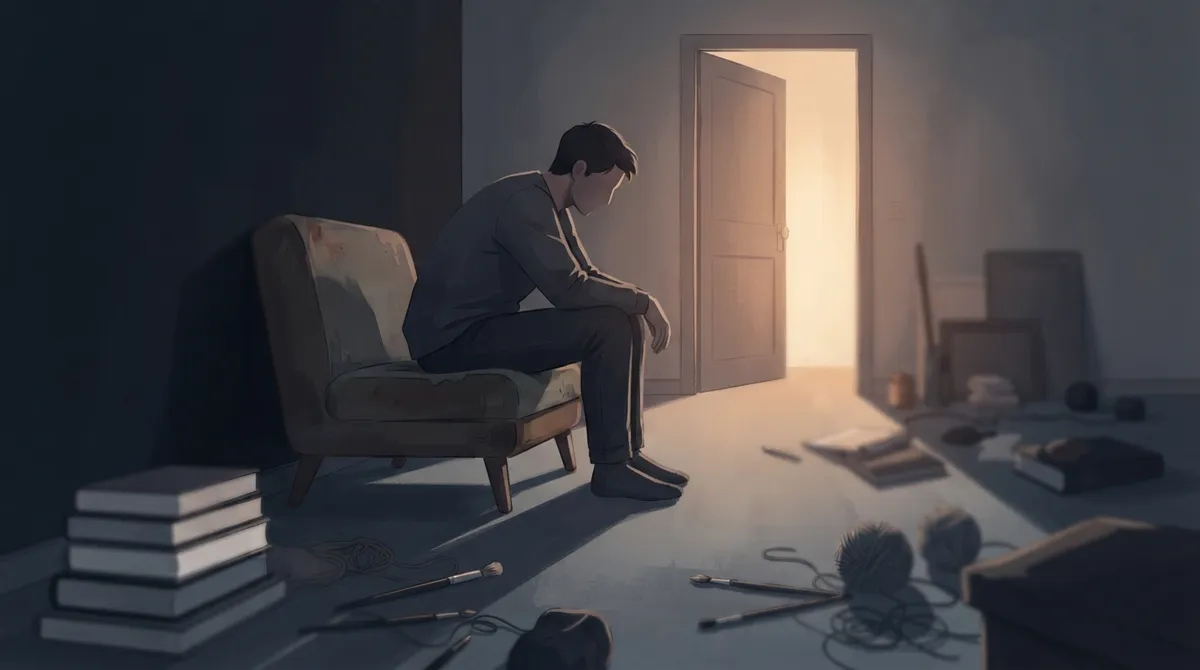
Some mornings, getting out of bed feels like climbing a mountain. The laundry piles up, texts go unanswered, and even things you used to enjoy feel like too much work. If this sounds familiar, you are not lazy and you are not broken. What you might be experiencing is lack of motivation depression, a very real and very common struggle that affects people across Florida and beyond.
Here at West Florida Therapy, we talk with adults, teens, and couples every week who feel stuck in this exact spot. The good news? Low motivation is treatable, and you do not have to figure it out on your own. This guide breaks down nine key signs, what causes them, and what you can actually do about it. Let’s get into it.
1. You Struggle to Start Even Small Tasks
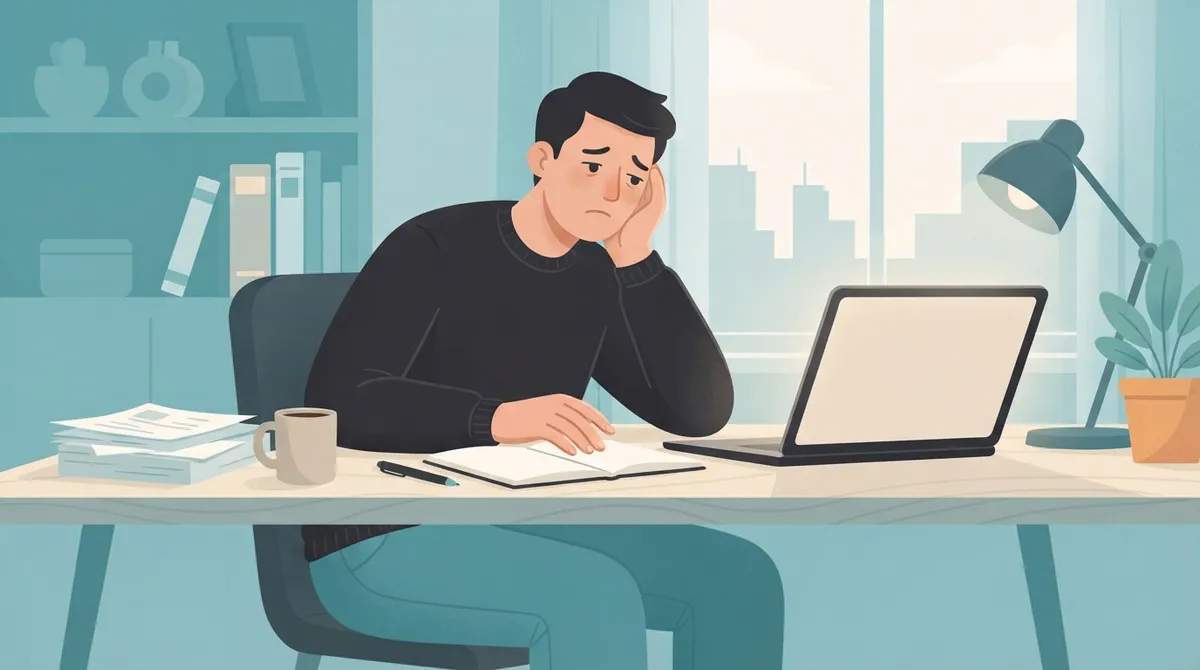
One of the clearest signs of depression-related low motivation is trouble starting things, even easy ones. Answering an email, doing dishes, or making a doctor’s appointment can feel impossible. This is not about willpower. Depression changes how your brain processes reward and effort, making every task feel heavier than it is.
If this sounds like your daily life, our Depression Treatment services can help you understand what is happening and build a plan to move forward, one small step at a time.
2. Things You Used to Love Feel Flat
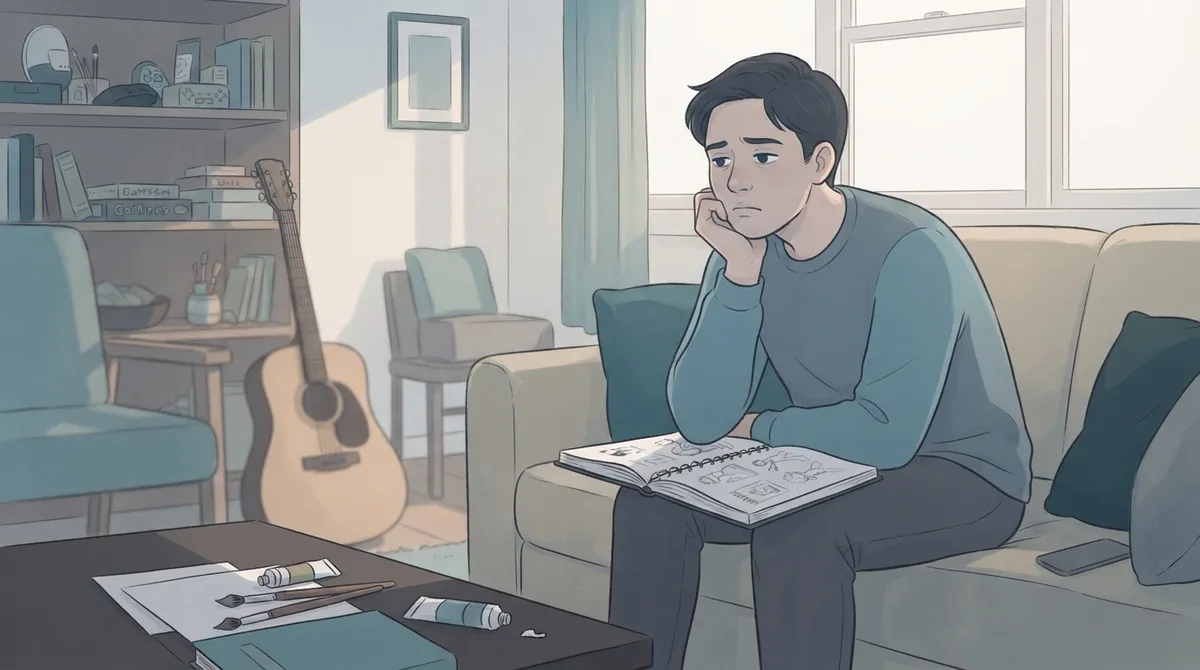
Psychologists call this anhedonia, the loss of interest or pleasure in activities you once enjoyed. Maybe you stopped calling friends, quit your favorite hobby, or dread social plans you used to look forward to. This flatness is different from simply being tired. It is a core symptom of depression that deserves attention.
Our article on what is depression and how does it affect your daily life breaks this down further if you want to learn more.
3. You Feel Exhausted No Matter How Much You Sleep
Depression fatigue is different from regular tiredness. You can sleep nine hours and still wake up drained. This bone-deep exhaustion often goes hand in hand with low motivation, making even simple choices feel overwhelming.
- Waking up tired despite a full night’s sleep
- Feeling mentally foggy throughout the day
- Needing extra effort for basic self-care
- Struggling to concentrate at work or school
Fatigue combined with sadness or hopelessness for more than two weeks is a signal worth taking seriously, according to guidance from the NHS on low mood and depression.
4. Your Sleep or Appetite Has Changed
Depression rarely shows up alone. It often brings along changes in sleep, whether that is sleeping too much or barely sleeping at all. Appetite shifts are common too, some people lose interest in food while others turn to eating for comfort.
These physical changes are your body’s way of signaling something is off. Left unaddressed, they tend to feed the cycle of low motivation and low mood.
5. You Are Isolating From People Who Care About You
When motivation disappears, so does the energy to maintain relationships. Canceling plans becomes a habit. Phone calls go straight to voicemail. This isolation can quietly deepen depression, creating a loop that is hard to break alone.
If you notice this pattern in yourself or someone you love, our piece on isolation and depression signs, connection, and how to heal offers helpful next steps.
6. You Cannot Tell If It Is Depression or Burnout
This is one of the most common questions we hear at our office. Burnout usually comes from ongoing stress, especially work related, and tends to improve with rest and boundaries. Depression is broader, affecting mood, sleep, appetite, and self-worth even when stress is removed.
Here is a simple way to compare the two:
| Feature | Burnout | Depression |
|---|---|---|
| Main Trigger | Work or chronic stress | Can occur without a clear trigger |
| Improves With Rest | Often yes | Often no |
| Mood Changes | Irritability, cynicism | Sadness, hopelessness, guilt |
| Self-Worth Affected | Sometimes | Frequently |
| Duration | Tied to stressor | Persists over weeks or months |
If you are stuck between the two, a licensed therapist can help sort it out. Reaching out for an Mental Health assessment is a smart first move.
7. Your Motivation Struggles Come With Anxiety, ADHD, or Grief
Low motivation is not exclusive to depression. It shows up with anxiety, ADHD, grief, trauma, and even poor sleep. Sorting out the root cause matters because treatment looks different depending on what is really going on.
- Anxiety can create avoidance that looks like laziness but is really fear-based.
- ADHD can make starting tasks genuinely harder due to executive function differences.
- Grief can drain energy and motivation for weeks or months after a loss.
- Trauma can leave the nervous system stuck in survival mode, leaving little energy for daily tasks.
- Poor sleep quality can mimic depression symptoms including fatigue and low drive.
Our Anxiety Treatment and Trauma Therapy pages go deeper into how these overlap with depression symptoms.
8. Nothing Seems to Help, No Matter What You Try
You have tried to-do lists, motivational videos, maybe even a new planner. Still, nothing sticks. This is frustrating but common. Self-help strategies work best alongside professional support, not as a replacement for it.
Here are strategies that genuinely help when paired with therapy:
- Setting tiny, achievable goals instead of big ones
- Building a simple daily routine, even a loose one
- Adding short bursts of movement or walking outside
- Reconnecting with one trusted friend or family member
- Limiting screen time before bed to improve sleep
- Practicing self-compassion instead of self-criticism
The National Institute of Mental Health notes that treatment for depression typically includes psychotherapy, medication, or a combination of both. Self-help alone is rarely enough for moderate to severe symptoms.
Steps to Take This Week
- Write down how long you have felt this way.
- Notice any changes in sleep, appetite, or energy.
- Reach out to one person you trust about how you are feeling.
- Schedule a consultation with a licensed therapist.
- Give yourself permission to ask for help without guilt.
9. You Notice Hopelessness or Thoughts of Self-Harm
This is the most important sign on this list. If low motivation is joined by hopelessness, thoughts of self-harm, or feeling like life is not worth living, please treat this as urgent. This is not something to manage alone or wait out.
If you or someone you know may be in danger, contact emergency services immediately or reach out to a crisis line. The CDC’s mental health resources offer additional guidance for these moments, and the Florida Department of Children and Families Substance Abuse and Mental Health program can connect you to local support across the state.
How Margaret Deuerlein and Our Team Can Help
Margaret Deuerlein is a psychotherapist who genuinely cares about helping people move through depression, low motivation, and the heaviness that comes with it. She and our team at West Florida Therapy work with adults, teens, and couples throughout Florida, offering both in-person sessions in the office and virtual sessions statewide.
We understand that reaching out can feel like a big step, especially if you are running on empty. That is why we offer a free 15-minute consultation, so you can ask questions before committing to anything. Bilingual services in English and Spanish are also available, because everyone deserves care in the language they feel most comfortable in.
You can learn more about her approach on our About Margaret Deuerlein page, or explore our full Our Process page to see exactly what to expect from your first session onward.
What Depression Treatment Actually Looks Like
Treatment is not one-size-fits-all. At West Florida Therapy, we tailor sessions to your specific situation, whether that means processing grief, working through trauma, or simply learning tools to manage daily low motivation.
| Treatment Option | What It Involves | Best For |
|---|---|---|
| Individual Therapy | One-on-one sessions focused on your goals | Adults and teens facing depression or low motivation |
| Couples Therapy | Sessions addressing relationship strain from depression | Couples where one or both partners feel disconnected |
| Telehealth Therapy | Virtual sessions from anywhere in Florida | Busy schedules or those preferring remote care |
| EMDR Treatment | Trauma-focused approach for underlying wounds | Clients whose depression is tied to past trauma |
If relationship strain is part of the picture, our Couples Therapy services can help both partners feel heard again. And if virtual sessions fit your life better, check out Telehealth Therapy Florida to see how easy it is to get started from home.
A Few Words for Parents of Teens
If you are a parent reading this because your teenager seems withdrawn, unmotivated, or different lately, you are not overreacting. Teen depression often looks like irritability, dropping grades, or losing interest in friends and activities. Getting support early makes a real difference.
Our team offers Virtual Therapy for Adolescents in Brandon, FL, making it easier for teens to get help in a format that feels comfortable to them.
You Deserve Support, Not Judgment
Living with lack of motivation depression can feel isolating, but it is more common than you might think. Millions of people experience this same heaviness, and reaching out for help is a sign of strength, not weakness. Whether you are a stressed young professional, a Spanish-speaking adult looking for bilingual care, or a couple trying to reconnect, support is available right here in Florida.
For additional resources, the Florida Department of Health mental health links page offers helpful state-wide information as well. And if you are looking for a trusted local partner for other family needs, practices like Segovia Orthodontics are also part of the caring community here in Florida supporting whole-family wellness.
You can also see what real clients say about their experience by visiting our West Florida Therapy location profile: Visit us on Google — West Florida Therapy.
Take the First Step Today
You do not have to keep pushing through this feeling alone. Whether you are dealing with depression, burnout, grief, or something in between, help is available and healing is possible. Our team, led by Margaret Deuerlein, is ready to listen without judgment and walk with you toward feeling like yourself again.
Reach Out to Our Team Today to schedule your free 15-minute consultation and take that first courageous step forward.
FAQs
Q: Is lack of motivation always a symptom of depression?
A: Not always, but it is very common. Low motivation can also come from burnout, anxiety, ADHD, grief, or poor sleep. A therapist can help you figure out exactly what is going on so you get the right kind of support.
Q: How do I know if it’s depression or just burnout?
A: Burnout usually improves with rest and time away from stress, while depression tends to stick around even when things slow down. If low mood, hopelessness, or changes in sleep and appetite are involved, it is worth reaching out for an assessment.
Q: When should I seek help for low motivation?
A: If it has lasted more than two weeks, or if it is affecting your work, school, relationships, or daily routine, that is a good time to talk to someone. You do not need to wait until things feel unbearable to ask for support.
Q: What treatments help with depression-related low motivation?
A: Psychotherapy, medication, or a combination of both are the most common and effective approaches. Adding small daily routines, movement, and social connection alongside therapy tends to make a real difference too.
Q: Is low motivation ever a mental health emergency?
A: Yes, especially if it comes with hopelessness or thoughts of self-harm. If you or someone you love feels unsafe, please contact emergency services or a crisis line right away, this is not something to handle alone.