

Key Takeaways
-
ADHD and social anxiety create a reinforcing cycle: ADHD symptoms like impulsivity cause awkward social moments, which train your brain to fear social situations, intensifying anxiety and worsening ADHD symptoms in social settings.
-
Cognitive Behavioral Therapy (CBT) combined with medication and skills coaching produces the best outcomes; treating only one condition at a time often falls short because anxiety depletes mental resources needed to manage ADHD symptoms.
-
Non-stimulant medications like Viloxazine XR can address both ADHD and anxiety simultaneously by targeting dopamine, norepinephrine, and serotonin, offering better results than single-condition treatments alone.
-
Build social skills through structured practice and gradual exposure: active listening, pausing before responding, reading body language, and managing nervousness can be learned and strengthened over time in therapy.
-
Organize daily life outside social situations using external reminders, task breakdown, routines, and sensory management to reduce overall stress and enter social settings with greater confidence.
-
Set specific, measurable therapy goals like attending one social event monthly or speaking up once weekly rather than vague targets; celebrate small wins as progress builds through consistent, integrated treatment.
Do you feel distracted in social settings and worried at the same time? You are not alone. Many people live with both ADHD and social anxiety — and the two conditions often feed each other in frustrating ways. ADHD can make you blurt things out or lose focus mid-conversation. That leads to awkward moments. And those awkward moments can make you dread social situations even more. It becomes a cycle that feels impossible to break.
The good news? This combination is very treatable. With the right support, you can feel more confident in social settings and manage your ADHD symptoms at the same time. Whether you are a teenager struggling at school, a young adult navigating college life, or a millennial balancing work and relationships, there is help available. Let’s walk through five proven ways to manage ADHD and social anxiety together — so you can start feeling better, faster.
Why ADHD and Social Anxiety Often Occur Together
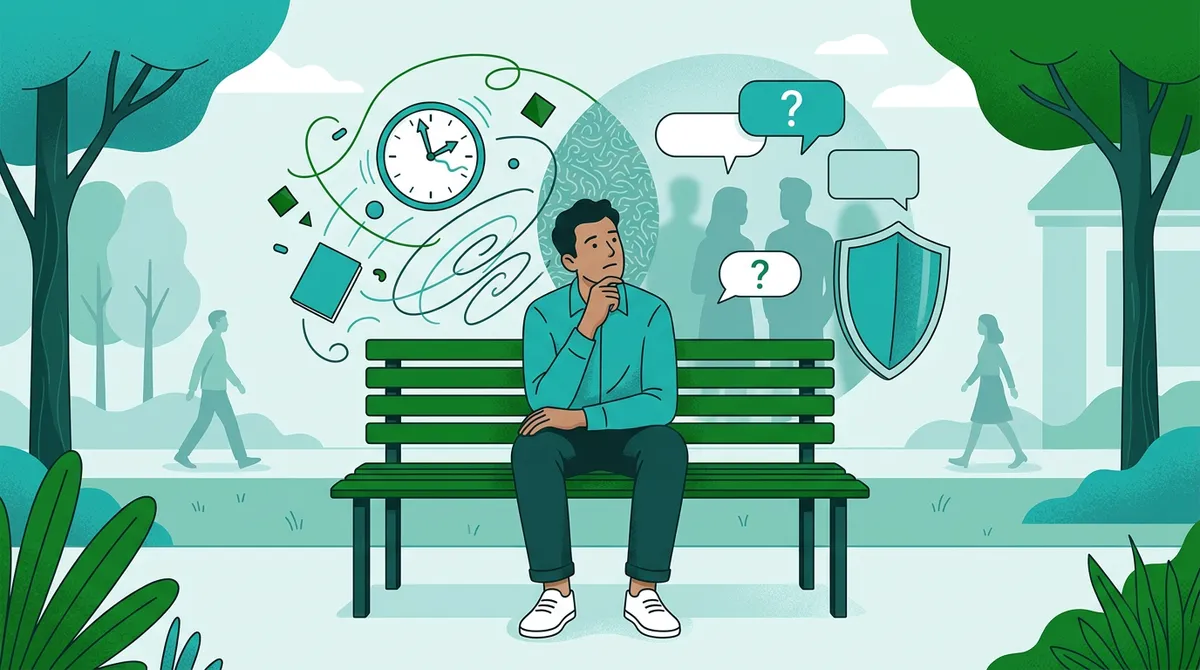
Before we dive into solutions, it helps to understand why these two conditions overlap so often. ADHD affects your ability to focus, control impulses, and regulate emotions. In social settings, this can lead to interrupting others, missing social cues, or saying the wrong thing at the wrong time. Over time, these repeated negative experiences teach your brain to fear social situations. That fear becomes social anxiety.
According to research highlighted by mental health professionals, social anxiety often develops as a learned protective response to ADHD-related social struggles. Your brain says, “Last time I talked in a group, I embarrassed myself. Better stay quiet this time.” It is trying to protect you — but it ends up limiting you instead. You can learn more about Anxiety Treatment options that address these patterns at their root.
To understand anxiety better and how it shows up differently for different people, check out this helpful guide on Understanding Anxiety Signs Types And Treatment Options.
How Social Anxiety Makes ADHD Symptoms Worse
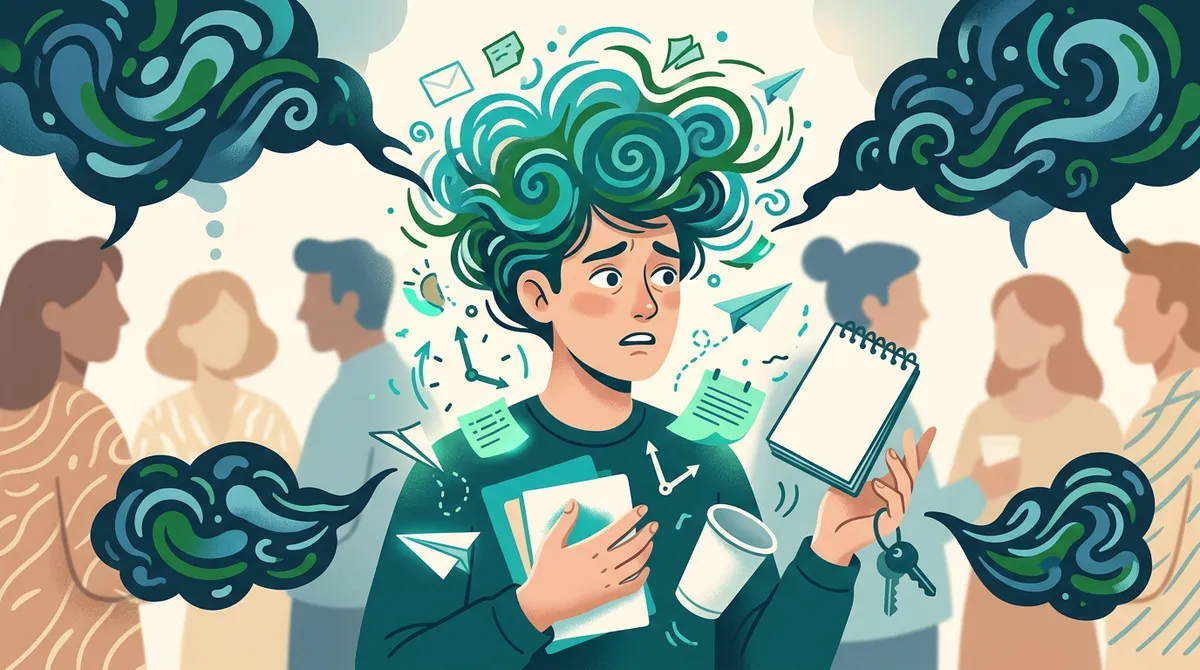
Here is something many people do not realize: social anxiety does not just live alongside ADHD — it actually makes ADHD harder to manage. When you are anxious, your brain uses up a lot of mental energy worrying. That leaves fewer cognitive resources for things like tracking conversations, controlling impulses, or staying focused. So your ADHD symptoms get louder in social situations, which increases your anxiety. And the cycle continues.
This is why treating just one condition at a time often falls short. An integrated approach that targets both ADHD and social anxiety together tends to produce better, longer-lasting results. If you have ever felt your mind go completely blank during a conversation — even though you knew what you wanted to say — this dynamic might explain why. For more on related Mental Health concerns, we have resources that can help you connect the dots.
5 Effective Ways to Manage ADHD and Social Anxiety Together
1. Start with Cognitive Behavioral Therapy (CBT)
CBT is the gold standard for treating both ADHD and social anxiety. It helps you identify negative thought patterns and replace them with more balanced ones. For example, if you think “Everyone noticed I forgot what I was saying,” CBT helps you examine whether that is really true — and what a more realistic thought might look like.
CBT also teaches practical social skills. You practice conversations, learn to read social cues, and build confidence step by step. Working with a therapist who understands both ADHD and anxiety is key. At West Florida Therapy, therapist Margaret Deuerlein brings warmth, experience, and genuine care to every session. She works with adolescents and adults — in person or virtually — to build the skills you need to feel more at ease in social situations. Explore our full range of Services to see how we can support you.
The Mental Health Resources from the CDC also offer helpful guidance on evidence-based treatments for anxiety and related conditions.
2. Explore Medication Options Carefully
Medication can play an important role in managing ADHD and social anxiety. Here is a quick overview of the main options:
| Medication Type | How It Helps | Best For |
|---|---|---|
| ADHD Stimulants | Improve focus and executive function, which can reduce anxiety indirectly | ADHD symptoms with mild anxiety |
| SSRIs | Reduce anxiety and improve mood | Social anxiety disorder with or without ADHD |
| Non-Stimulants (e.g., Viloxazine XR) | Target dopamine, norepinephrine, and serotonin — addressing both ADHD and anxiety | Comorbid ADHD and anxiety |
| Emerging options (e.g., Centanafadine) | Phase 3 data in 2026 shows ADHD improvement in children and adolescents | Younger patients with ADHD |
In 2026, exciting new developments in ADHD medication have emerged. Viloxazine XR, for example, showed continued effectiveness over three years, with a very low dropout rate of just 6%. Newer medications discussed at the APSARD 2026 conference target anxiety comorbidities with improved sleep and fewer side effects. Always work with a qualified prescriber to find the right fit for your needs.
You can also find helpful information through Substance Abuse & Mental Health services in Florida to better understand medication-assisted care options.
3. Build Social Skills Through Structured Practice
Social skills do not always come naturally when you have ADHD and social anxiety — and that is completely okay. They can be learned and strengthened with practice. Skills coaching and group therapy give you a safe space to try new things without fear of judgment.
Here are some skills that therapy can help you develop:
- Active listening techniques to stay engaged in conversations
- How to pause before responding to reduce impulsive comments
- Reading body language and facial expressions
- Starting and ending conversations gracefully
- Managing nervousness before social events
- Setting realistic expectations for social interactions
These skills become stronger the more you use them. A good therapist will help you practice in session and then gradually try them out in real-world settings. This process is called gradual exposure, and it is a core part of treating social anxiety. If you struggle with Panic Attacks in social situations, these skills can also help reduce their frequency and intensity.
4. Address ADHD-Specific Strategies for Daily Life
Managing ADHD symptoms outside of social situations also helps reduce anxiety. When your daily life feels more organized and under control, you go into social settings with more confidence. Here are practical ADHD strategies that can lower your overall stress levels:
- Use external reminders and planners — ADHD brains benefit from visual cues. Write things down, set phone reminders, and use calendars consistently.
- Break tasks into small steps — Big tasks can feel overwhelming and trigger anxiety. Small steps feel manageable and build momentum.
- Create routines for social prep — Before social events, give yourself quiet time to decompress and mentally prepare.
- Practice self-compassion — ADHD is not a character flaw. Treat yourself with the same kindness you would offer a good friend.
- Limit sensory overload — Crowded, noisy environments can spike ADHD symptoms and anxiety. Plan your exits, wear headphones when appropriate, and know your limits.
These strategies work especially well when combined with therapy. A therapist can help you customize them for your unique needs. If you are also working through Mood Issues alongside ADHD and anxiety, an integrated approach becomes even more important.
5. Seek Integrated, Ongoing Mental Health Support
The most effective care for ADHD and social anxiety is integrated — meaning it addresses both conditions at the same time, consistently. This is not something you “fix” once and move on from. It is an ongoing process of growth, learning, and support.
Here is what comprehensive mental health support for ADHD and social anxiety might look like:
- Regular individual therapy sessions (in-person or virtual)
- Medication management with a prescribing provider
- Skills coaching between sessions
- Family or partner involvement when helpful
- Check-ins to adjust the treatment plan as you grow
For Florida residents, accessing quality care is easier than ever. Virtual therapy means you can connect with a skilled therapist from anywhere in the state — at home, in your dorm room, or on your lunch break. The Mental Health Links from the Florida Department of Health are also a great resource for finding local support. You can reach out to our team to learn more about what integrated care looks like in practice.

What to Expect When You Start Therapy
Starting therapy for ADHD and social anxiety can feel a little intimidating — especially if social situations already make you nervous. That is completely normal. Most people find that the therapeutic space feels different from other social situations. It is private, non-judgmental, and entirely focused on you.
In your first few sessions, your therapist will get to know you. They will ask about your symptoms, your history, and your goals. There is no pressure to share everything at once. The pace is entirely yours. Over time, you will start to notice small shifts — a little more confidence here, a little less dread there. Progress is real, and it builds. You can learn more about what working with a Psychotherapist involves before you even make your first appointment.
Treatment Comparison: What Works Best
Wondering how different approaches stack up? Here is a simple comparison:
| Treatment Approach | ADHD Benefits | Social Anxiety Benefits | Best Suited For |
|---|---|---|---|
| CBT Alone | Moderate | High | Mild-to-moderate ADHD with significant anxiety |
| Medication Alone | High | Moderate | Severe ADHD symptoms with manageable anxiety |
| CBT + Medication | High | High | Moderate-to-severe ADHD and social anxiety |
| Integrated Therapy + Skills Coaching | High | Very High | Long-term, holistic management |
Interestingly, a 2022 National Survey of Children’s Health (with over 54,000 respondents) found that pharmaceutical treatment alone sometimes outperformed combination approaches for children’s mental health outcomes. This highlights how individualized care really matters. What works best depends on you — your age, your specific symptoms, your lifestyle, and your goals. If you are also navigating Relationship Problems related to your ADHD and anxiety, therapy can help you address those layers too.
ADHD, Social Anxiety, and Adolescents
Teenagers face a unique challenge. Social life is a major part of adolescence — school hallways, lunch tables, group chats, and first relationships. When ADHD and social anxiety collide during these years, it can feel devastating. Teens may avoid school events, withdraw from friendships, or struggle silently rather than ask for help.
Margaret Deuerlein at West Florida Therapy works with adolescents aged 13 and up, offering in-person sessions in the office and virtual sessions for teens anywhere in Florida. Bilingual services are also available in English and Spanish — making support accessible for more families. Visit us on Google to read reviews from families we have helped and get a feel for our warm, welcoming approach.
If your teen is also dealing with trauma or difficult family experiences, check out our resource on How To Recognize And Heal From Psychological Trauma for additional guidance.
Setting Goals for Your Mental Health Journey
One of the most powerful things you can do when managing ADHD and social anxiety is to set clear, realistic goals for yourself. Not goals like “be less anxious” — those are too vague. Think about specific, meaningful milestones that matter to you.
Here are some examples of great therapy goals for this combination:
- Attend one social event per month without backing out last minute
- Complete a full conversation without apologizing more than once
- Speak up in one meeting or class per week
- Reduce the number of days per month that anxiety prevents activity
- Build one new friendship or deepen one existing one
Your therapist can help you set goals that are ambitious enough to stretch you — but realistic enough to achieve. Celebrate every win, no matter how small. Progress is progress. Explore how therapy can help you clarify your Life Goals beyond just symptom management.
You Deserve Support That Works for You
Living with ADHD and social anxiety is genuinely hard. But it does not have to stay that way. With the right combination of therapy, practical strategies, and ongoing support, real change is possible. People do this every day — and they come out the other side feeling lighter, more confident, and more connected.
Whether you prefer in-person sessions or the flexibility of virtual therapy, whether you speak English or Spanish, whether you are a teenager or a seasoned adult — there is a path forward for you. Margaret Deuerlein and the team at West Florida Therapy are here to walk that path with you. You can learn more about our approach on our About page. When you are ready to take the next step, we would love to hear from you — reach out to start your journey today.
FAQs
Q: What causes ADHD and social anxiety to occur together?
A: ADHD-related social difficulties — like impulsivity or missing social cues — can lead to repeated awkward or embarrassing moments. Over time, your brain learns to fear social situations as a way of protecting you, and that fear becomes social anxiety. It is a really common pattern, and it is not your fault!
Q: What is the best therapy for ADHD and social anxiety?
A: Cognitive Behavioral Therapy (CBT) is the leading evidence-based treatment for both conditions. It helps you identify unhelpful thought patterns, build social skills, and gradually face feared situations with more confidence. Many people find CBT combined with medication and skills coaching to be the most effective approach.
Q: Can medication treat both ADHD and social anxiety at the same time?
A: Yes! Some medications — like newer non-stimulants such as Viloxazine XR — are designed to target the brain chemistry behind both ADHD and anxiety. SSRIs can also help with the anxiety component. A prescribing provider can help you find the right combination based on your specific symptoms and needs.
Q: Is virtual therapy effective for ADHD and social anxiety?
A: Absolutely — and for many people, virtual therapy is actually a great fit! It removes the stress of commuting or sitting in a waiting room, which can feel especially helpful when social anxiety is part of the picture. West Florida Therapy offers virtual sessions for all of Florida, so you can get quality care from wherever you feel most comfortable.
Q: How long does it take to see improvement with therapy for ADHD and social anxiety?
A: Most people start noticing small shifts within the first few weeks of consistent therapy. Meaningful, lasting change typically builds over several months. Remember, progress is not always linear — there will be good days and hard days — but with the right support, the overall trend is absolutely upward!