Key Takeaways
-
Acute stress is a short-term response that activates quickly and can actually enhance performance, while chronic stress persists and gradually damages physical and mental health.
-
Deep breathing exercises provide instant stress relief by activating the parasympathetic nervous system and helping you regain emotional control.
-
Chronic stress weakens your immune system, increases disease risks, and can lead to serious mental health conditions like depression and anxiety.
-
Your perception of stress matters more than external circumstances – how you interpret challenges determines their impact on your body and mind.
-
Repeated exposure to acute stress without adequate recovery can transform into chronic stress, creating a continuous cycle of heightened physiological responses.
-
Identifying the type of stress you’re experiencing helps you choose appropriate coping strategies and interventions.
-
Professional support from therapists can help you recognize stress patterns, develop resilience, and learn personalized stress management techniques.
Stress shows up in everyone’s life, but not all stress affects your body the same way. You might feel your heart racing before a big presentation or notice tension building over months of overwhelming responsibilities. These experiences represent two very different types of stress, and understanding which one you’re dealing with can make all the difference in protecting your health and well-being.
The human body responds to challenges with a complex system designed to keep you safe and alert. When you face a sudden deadline or an unexpected emergency, your body activates the fight-or-flight response. This natural reaction increases your heart rate, sharpens your senses, and floods your system with hormones. In 2026, we’re learning more about how our modern lifestyle creates stress patterns that our ancestors never experienced.
Acute stress happens quickly and resolves just as fast. Chronic stress, however, lingers for weeks, months, or even years. The difference between these two types determines whether stress helps you grow stronger or slowly wears down your physical and mental health. Research shows that viewing stress as a helpful response rather than a harmful enemy can actually improve your health outcomes and emotional well-being.
This comparison explores how acute and chronic stress differ in their effects on your body, which type poses greater health risks, and practical ways to manage both. You’ll discover why short bursts of stress might actually benefit you while prolonged stress requires immediate attention and professional support.

Understanding Acute Stress and How It Works
Acute stress represents your body’s immediate response to a specific challenge or threat. This short-term stress activates quickly and disappears once the situation resolves. When you nearly avoid a car accident, receive unexpected news, or rush to meet a deadline, you’re experiencing acute stress in action.
Your nervous system triggers the fight-or-flight response within seconds. Your adrenal glands release hormones like adrenaline and cortisol. These chemicals increase your heart rate, elevate your blood pressure, and prepare your muscles for immediate action. Your breathing becomes faster and shallower. Your senses sharpen, allowing you to focus intensely on the challenge ahead.
The physical symptoms of acute stress include:
- Rapid heartbeat and increased blood pressure
- Sweaty palms and muscle tension
- Butterflies in your stomach or digestive discomfort
- Heightened alertness and improved focus
- Temporary energy boost and increased strength
- Quickened breathing and dilated pupils
Acute stress doesn’t always feel negative. Positive stress, called eustress, emerges from exciting challenges like starting a new job, planning a wedding, or pursuing an important goal. This type of stress motivates you and enhances your performance without causing lasting harm to your health.
Most people recover from acute stress episodes within minutes or hours. Your body naturally returns to its baseline state once the immediate challenge passes. This recovery process allows your nervous system to reset and your hormone levels to normalize. The temporary nature of acute stress prevents it from causing significant damage to your physical or mental health.
The Science Behind Chronic Stress
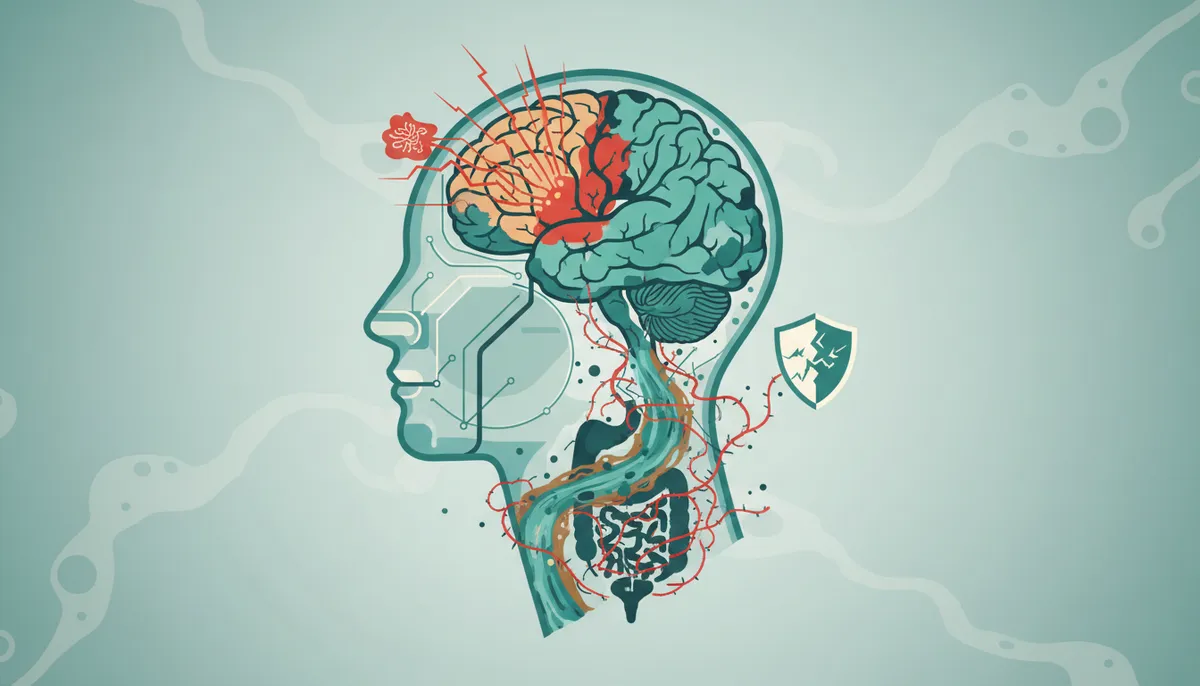
Chronic stress develops when your body remains in a heightened state of alert for extended periods. Unlike acute stress that comes and goes quickly, chronic stress persists for weeks, months, or years. This prolonged activation of your stress response system affects nearly every organ and system in your body.
Your body wasn’t designed to maintain constant stress activation. When stressors continue without relief, your adrenal glands keep producing cortisol and other stress hormones. These elevated hormone levels eventually disrupt your body’s normal functions. The continuous flood of stress chemicals wears down your physical and mental resources.
Common sources of chronic stress include:
- Ongoing financial difficulties or job insecurity
- Relationship conflicts or family problems
- Chronic illness or caring for a sick loved one
- Long-term work pressure or demanding schedules
- Persistent worries about safety or future events
The subjective nature of stress means only you can determine its severity. External observers cannot measure your stress levels through tests or observations. Your perception of a situation as threatening or overwhelming creates the stress response, regardless of how others might view the same circumstances.
Chronic stress weakens your immune system by reducing antibody production. Your body becomes less effective at fighting infections and healing wounds. Many people experiencing chronic stress notice they catch colds more frequently or take longer to recover from illnesses. According to the CDC’s mental health resources, understanding stress patterns helps people recognize when they need additional support.
Margaret Deuerlein at West Florida Therapy helps individuals recognize chronic stress patterns and develop effective coping strategies. Her caring approach addresses the root causes of ongoing stress while building resilience for future challenges.
Physical Health Impacts: A Side-by-Side Comparison
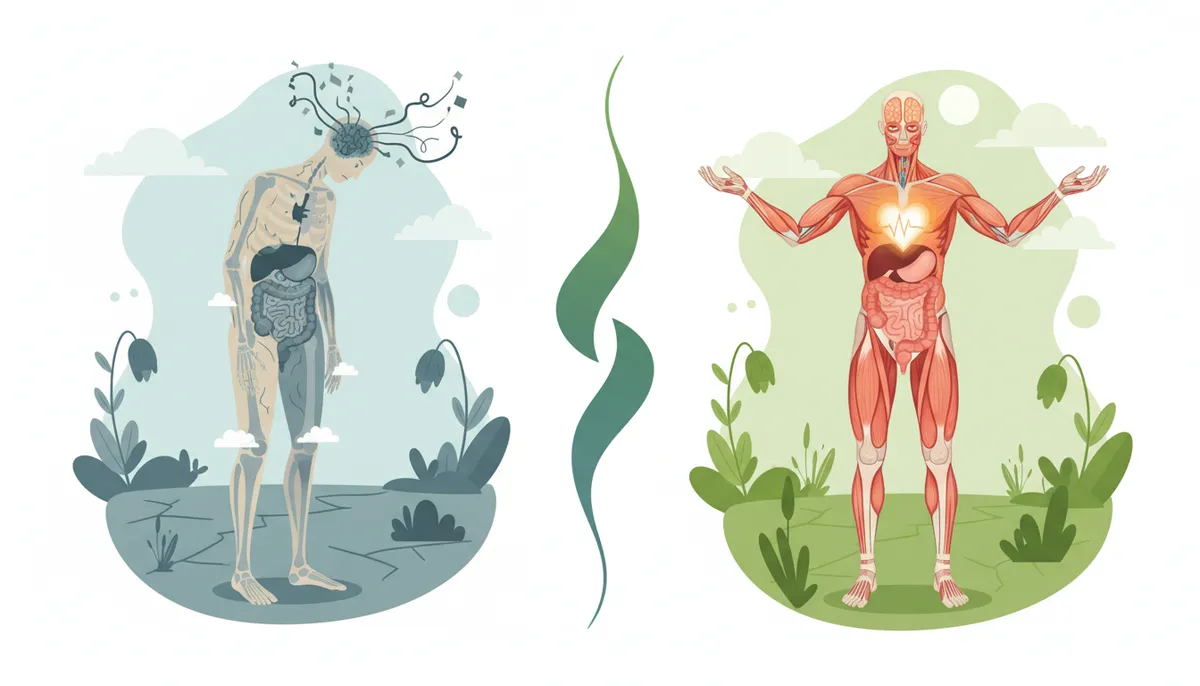
The physical effects of acute and chronic stress differ dramatically in scope and severity. Understanding these differences helps you identify which type you’re experiencing and how urgently you need intervention.
| Body System | Acute Stress Effects | Chronic Stress Effects |
|---|---|---|
| Cardiovascular | Temporary increased heart rate and blood pressure | High blood pressure, heart disease, stroke risk |
| Immune System | Brief enhancement of immune response | Weakened immunity, frequent infections, slow healing |
| Digestive | Butterflies, temporary appetite changes | Ulcers, IBS, chronic stomach problems, nausea |
| Muscular | Muscle tension, quick energy release | Chronic pain, tension headaches, body aches |
| Sleep | Brief sleep disruption or heightened alertness | Insomnia, poor sleep quality, fatigue |
Acute stress causes temporary changes that reverse quickly. Your heart rate spikes but returns to normal within minutes. Your muscles tense but relax once the threat passes. These short-term responses rarely cause lasting damage to healthy individuals.
Chronic stress creates cumulative damage over time. Persistently elevated cortisol levels interfere with your body’s natural repair processes. Your cardiovascular system works overtime for months or years, increasing your risk of serious conditions. The constant production of stress hormones depletes your body’s resources and accelerates aging.
Your skin can also reveal stress levels. Acute stress might cause temporary flushing or paleness. Chronic stress contributes to conditions like hives, eczema flare-ups, and accelerated aging. Some people notice their skin becomes more sensitive or prone to breakouts during prolonged stressful periods.
The digestive system responds particularly strongly to both stress types. Acute stress might give you temporary stomach discomfort or loss of appetite. Chronic stress can lead to serious digestive disorders, including irritable bowel syndrome, chronic acid reflux, and stomach ulcers. Your gut contains millions of nerve cells that communicate directly with your brain, creating a powerful stress-digestive connection.
Mental and Emotional Differences
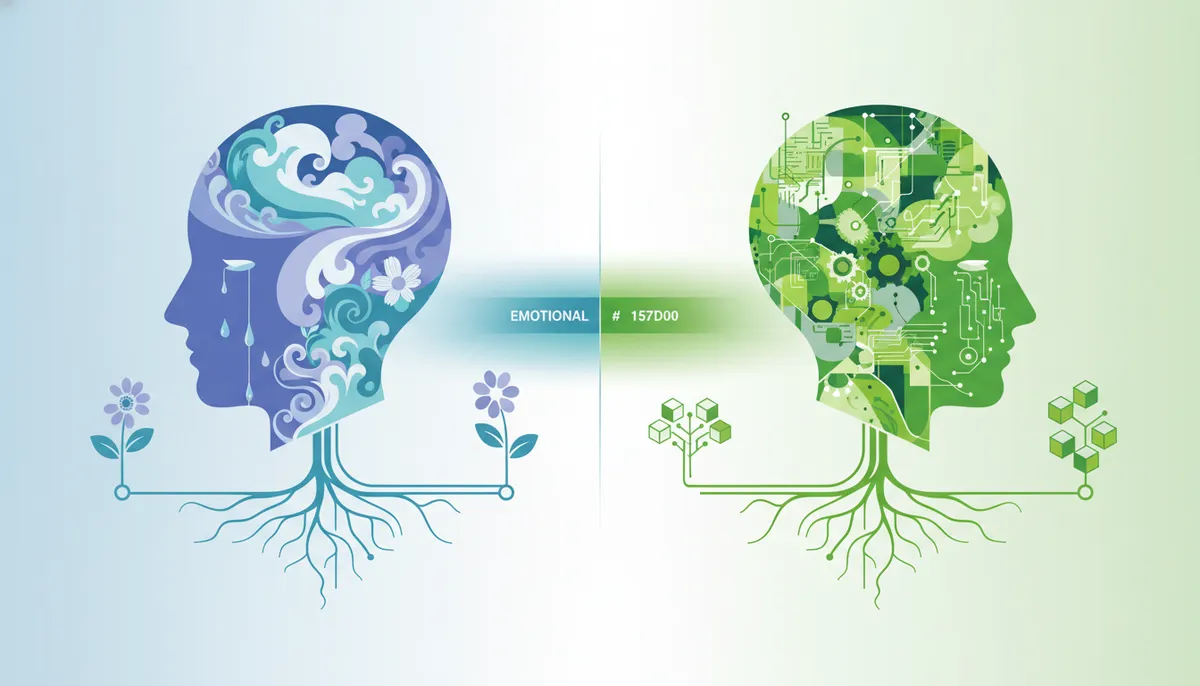
The psychological impacts of acute versus chronic stress vary significantly in both intensity and duration. Your mental health responds differently to short bursts of pressure compared to ongoing stress exposure.
Acute stress often enhances mental performance in the short term. The surge of adrenaline improves focus and concentration. You might find yourself thinking more clearly during a crisis or performing better under pressure. This enhanced state helps you solve problems quickly and make rapid decisions when needed.
However, acute stress can also cause temporary emotional reactions:
- Brief anxiety or nervousness before important events
- Irritability or short temper immediately after stressful situations
- Temporary feeling overwhelmed or scattered
- Quick mood shifts that resolve within hours
- Moments of self-doubt or worry that pass quickly
Chronic stress damages mental health more severely and persistently. The continuous activation of stress responses depletes neurotransmitters that regulate mood. Over time, this depletion contributes to serious mental health conditions. Research shows strong connections between prolonged stress and the development of anxiety disorders and depression.
People experiencing chronic stress often report:
- Persistent feelings of being overwhelmed or unable to cope
- Difficulty concentrating or making decisions
- Memory problems and mental fog
- Constant worry or racing thoughts
- Emotional numbness or feeling disconnected
- Increased irritability and mood swings
The Florida Department of Health mental health resources provides valuable information about recognizing when stress affects your emotional well-being. Seeking support early prevents minor stress reactions from developing into more serious mental health concerns.
Cognitive function suffers under chronic stress. Your ability to learn new information decreases. Creative thinking becomes more difficult. Problem-solving skills that usually come easily might feel impossible. These changes happen because prolonged stress actually alters brain structure, particularly in areas responsible for memory and emotional regulation.
Margaret Deuerlein understands how chronic stress erodes mental health gradually. Her therapeutic approach at West Florida Therapy addresses both the symptoms of stress-related anxiety and the underlying patterns that keep stress levels elevated.
Which Type Poses Greater Health Risks?
Chronic stress clearly presents more significant health risks than acute stress. While acute stress can feel intense in the moment, its short duration prevents serious long-term damage. Chronic stress, however, creates a state of constant biological alarm that progressively harms your health.
The continuous elevation of cortisol from chronic stress disrupts multiple body systems simultaneously. Your cardiovascular system works harder constantly, increasing your risk of heart disease and stroke. Your immune system weakens, making you vulnerable to infections and potentially serious illnesses. Your digestive system struggles with ongoing inflammation and dysfunction.
Mental health risks from chronic stress include:
- Major depressive disorder and persistent sadness
- Generalized anxiety disorder and panic attacks
- Post-traumatic stress responses
- Substance use as a coping mechanism
- Social withdrawal and relationship problems
- Decreased quality of life and life satisfaction
Acute stress rarely causes lasting psychological damage in otherwise healthy individuals. The temporary nature of acute stress allows your mind to process and recover from challenging experiences. You might feel shaken after a stressful event, but these feelings typically resolve naturally within days.
However, repeated exposure to acute stress can transform into chronic stress. When you face frequent acute stressors without adequate recovery time, your body never fully returns to baseline. This pattern, called episodic acute stress, combines the intensity of acute reactions with the duration of chronic stress. People who experience episodic acute stress often feel like they’re lurching from one crisis to another.
The subjective experience of stress matters as much as the objective stressor. Two people facing identical situations might experience vastly different stress levels based on their perception, resources, and coping skills. Research from Stanford University in 2023 revealed that viewing stress as helpful rather than harmful actually improves health outcomes and productivity.
Recognizing Your Stress Type
Identifying whether you’re experiencing acute or chronic stress helps you choose appropriate coping strategies. Several key indicators distinguish these stress types and guide your response.
Time duration provides the clearest distinction. Acute stress episodes last minutes, hours, or occasionally a few days. You can typically identify a specific trigger and notice relief once that situation resolves. Chronic stress persists for weeks or months without clear resolution. The stressor might remain constant, or you might feel stressed even after the original problem disappears.
Ask yourself these questions to identify your stress type:
- Can you identify when this stressed feeling started?
- Does your stress relate to a specific event or ongoing situation?
- Do you feel better once particular situations end?
- Have you felt this way for more than two weeks continuously?
- Does your stress interfere with daily activities and relationships?
- Do you feel unable to relax even when nothing urgent demands attention?
Physical symptoms also reveal stress patterns. Acute stress causes immediate, noticeable changes like rapid heartbeat or sweaty palms. These symptoms spike quickly and fade relatively fast. Chronic stress creates persistent symptoms that become your new normal. You might not notice elevated muscle tension or sleep problems because they’ve developed gradually over time.
Your emotional responses differ between stress types. Acute stress generates intense feelings tied to specific events. You might feel panicked before a presentation but relieved afterward. Chronic stress creates a general sense of being overwhelmed that doesn’t connect to any single situation. This persistent emotional heaviness colors your entire experience.
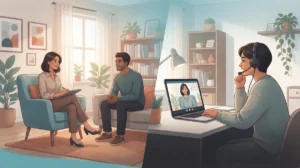
Professional assessment helps when you’re uncertain about your stress patterns. The caring therapists at West Florida Therapy specialize in helping people understand their stress responses and develop personalized management strategies. They provide both in-person sessions and virtual therapy throughout Florida, making support accessible regardless of your location.
Effective Strategies for Managing Acute Stress
Managing acute stress effectively requires quick-acting techniques that calm your nervous system rapidly. These strategies work best for immediate stress relief when you face sudden challenges or pressure.
Deep breathing exercises provide instant stress relief. When you notice stress symptoms starting, take slow, deep breaths through your nose. Count to four while inhaling, hold for four counts, then exhale through your mouth for six counts. This pattern activates your parasympathetic nervous system, which counters the stress response. Repeat this breathing pattern five to ten times for noticeable calming effects.
Additional immediate stress relief techniques include:
- Progressive muscle relaxation by tensing and releasing muscle groups
- Taking a brief walk outside to change your environment
- Listening to calming music or nature sounds
- Calling a trusted friend or family member
- Practicing a quick grounding exercise using your five senses
- Drinking cold water or splashing cool water on your face
Physical movement helps burn off stress hormones quickly. When acute stress hits, your body prepares for action by flooding your system with energy. Using that energy through movement prevents it from creating uncomfortable physical symptoms. A brisk five-minute walk, some jumping jacks, or stretching exercises can make a significant difference.
Positive stress, or eustress, doesn’t require elimination. When you face exciting challenges like job interviews or performance situations, acknowledge that your body’s response helps you succeed. Reframing nervous energy as excitement improves your performance and reduces negative stress effects. Tell yourself, “I’m excited about this opportunity,” instead of, “I’m too nervous to handle this.”
Preparation reduces acute stress from predictable situations. If public speaking stresses you, practice your presentation multiple times. If driving in traffic causes stress, leave earlier to avoid time pressure. Building skills and planning ahead transforms potentially stressful situations into manageable challenges.
Long-Term Solutions for Chronic Stress
Chronic stress requires comprehensive, sustained interventions rather than quick fixes. Addressing ongoing stress means making lifestyle changes and possibly seeking professional support to break the cycle of constant activation.
Building a consistent self-care routine forms the foundation of chronic stress management. This routine should include:
- Regular sleep schedule with seven to nine hours nightly
- Nutritious meals at consistent times throughout the day
- Daily physical activity, even just 20 to 30 minutes
- Dedicated relaxation time without screens or obligations
- Social connections with supportive friends and family
- Activities you genuinely enjoy and find fulfilling
Mindfulness meditation shows particular promise for reducing chronic stress. A 2018 review of scientific research found that mindfulness-based interventions improve stress indicators in the body. Current scientific evidence in 2026 continues supporting mindfulness meditation for reducing anxiety and depression symptoms while improving sleep quality.
Mindfulness practice doesn’t require hours of dedication. Start with five minutes daily of focused attention on your breath. Notice thoughts and feelings without judgment. Let them pass like clouds moving across the sky. Gradually increase your practice time as it becomes more comfortable. Apps and guided recordings can help beginners establish consistent meditation habits.
Setting boundaries protects you from chronic stress sources. Many people experience ongoing stress because they say yes to every request and obligation. Learning to decline requests politely preserves your time and energy for priorities. Boundaries might include limiting work hours, reducing social commitments, or saying no to tasks others can handle.
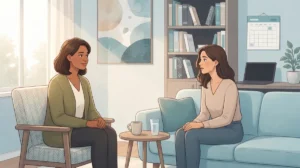
Professional therapy provides essential support for managing chronic stress effectively. Talking with a trained therapist helps you identify stress sources, change unhelpful thought patterns, and develop stronger coping skills. The mood disorder specialists at West Florida Therapy understand how chronic stress affects emotional well-being and overall quality of life.
The Role of Professional Support
Knowing when to seek professional help for stress makes the difference between recovering quickly and developing serious health problems. Many people wait too long to reach out, thinking they should handle stress alone or that their situation isn’t “bad enough” for therapy.
Consider professional support when stress interferes with your daily functioning. If you’re missing work, avoiding social situations, or struggling to complete basic tasks, you’ve reached a point where professional guidance becomes necessary. Similarly, if stress triggers unhealthy coping mechanisms like excessive drinking, overeating, or other harmful behaviors, therapy can help you develop healthier alternatives.
Physical symptoms that persist despite self-care efforts warrant professional attention. Chronic headaches, digestive problems, or sleep disturbances that don’t improve with lifestyle changes might indicate your body needs additional support managing stress. Medical evaluation rules out other health conditions while therapy addresses the stress component.
Warning signs that professional help is needed include:
- Feeling hopeless or thinking life isn’t worth living
- Persistent sadness or crying spells lasting weeks
- Inability to concentrate or make simple decisions
- Complete loss of interest in activities you previously enjoyed
- Significant changes in appetite or weight
- Increasing isolation from friends and family
- Physical symptoms like chest pain or difficulty breathing
Therapy for stress doesn’t mean you’ve failed or that something is wrong with you. Working with a professional simply provides expert guidance and proven strategies for managing challenges more effectively. Margaret Deuerlein offers a caring, supportive environment where you can explore stress sources and build resilience without judgment.
West Florida Therapy provides both individual and couples therapy services for adults and adolescents dealing with stress-related challenges. Bilingual English and Spanish services ensure language never becomes a barrier to getting the support you need. Virtual therapy options throughout Florida make professional help accessible regardless of your location or schedule constraints.
For more information about services that address stress and its effects on mental health, visit the Florida Department of Children and Families resources on mental health support. You can also check out reviews and information about West Florida Therapy on Google to learn how others have benefited from professional stress management support.
Stress Prevention and Building Resilience
Preventing stress from reaching harmful levels requires building resilience before crises occur. Resilience represents your ability to adapt to challenges, recover from setbacks, and maintain well-being despite difficult circumstances. Strong resilience doesn’t eliminate stress but helps you manage it more effectively.
Regular physical exercise builds both physical and mental resilience. Exercise reduces stress hormones, increases mood-boosting endorphins, and improves sleep quality. You don’t need intense workouts to gain benefits. Walking, swimming, dancing, or any activity you enjoy for 30 minutes most days significantly improves stress resilience.
Social connections provide crucial stress protection. People with strong support networks handle stress better and recover faster from challenging experiences. Maintain relationships with friends and family members who listen without judgment and offer genuine support. Join groups or communities that share your interests and values.
Developing problem-solving skills reduces stress from challenges. When you believe you can handle whatever comes your way, situations feel less threatening. Practice breaking down large problems into smaller, manageable steps. Focus on what you can control rather than worrying about factors beyond your influence.
| Resilience Factor | How It Helps | Ways to Build It |
|---|---|---|
| Physical Health | Stronger body handles stress better | Exercise, nutrition, sleep, medical care |
| Emotional Regulation | Manage feelings without being overwhelmed | Mindfulness, therapy, journaling, meditation |
| Social Support | Others provide help and perspective | Nurture relationships, join groups, volunteer |
| Purpose and Meaning | Clear values guide decisions and actions | Reflect on priorities, set meaningful goals |
| Flexibility | Adapt to changing circumstances | Practice accepting change, try new approaches |
Maintaining perspective during stressful times helps prevent acute stress from becoming chronic. Ask yourself whether today’s problem will matter in five years. This question doesn’t minimize real challenges but helps you allocate worry appropriately. Some situations truly deserve significant attention and action. Others resolve naturally and don’t require intense stress responses.
Self-compassion during stressful periods protects your mental health. Treat yourself with the same kindness you’d offer a good friend facing similar challenges. Acknowledge that stress is difficult without adding self-criticism to your burden. Everyone experiences stress, and struggling with it doesn’t indicate weakness or failure.
When Stress Becomes a Mental Health Crisis
Sometimes stress escalates beyond everyday management and becomes a mental health emergency. Recognizing the difference between manageable stress and crisis situations ensures you get appropriate help quickly.
Thoughts of self-harm or suicide always require immediate professional intervention. If you’re thinking about hurting yourself or that others would be better off without you, reach out for help right away. Call the National Suicide Prevention Lifeline at 988, go to your nearest emergency room, or call 911. These thoughts indicate your stress has exceeded your current coping capacity, and you deserve immediate support.
Panic attacks can accompany severe acute stress. During a panic attack, you might experience intense fear, chest pain, difficulty breathing, dizziness, and feeling like you’re dying or losing control. While panic attacks aren’t medically dangerous, they feel terrifying and may indicate you need professional help managing stress and anxiety. The experienced therapists at West Florida Therapy help people understand and manage panic symptoms effectively.
Complete inability to function in daily life signals a mental health crisis. If stress prevents you from getting out of bed, eating, working, or caring for basic needs for several days, you need immediate professional support. Don’t wait for symptoms to worsen before seeking help.
Substance use that increases during stressful periods requires attention. Using alcohol, drugs, or medications to cope with stress often worsens the situation and can lead to serious health problems and addiction. If you notice your substance use increasing or feel unable to manage stress without substances, professional treatment can help you develop healthier coping strategies.
Creating Your Personal Stress Management Plan
Developing a personalized stress management plan prepares you to handle both acute and chronic stress effectively. Your plan should address your specific stressors, symptoms, and preferred coping methods.
Start by tracking your stress patterns for one or two weeks. Note when stress occurs, what triggers it, how your body responds, and which coping strategies help most. This awareness reveals patterns you might not notice otherwise. You might discover that certain times of day, specific situations, or particular people consistently increase your stress levels.
Your stress management plan should include:
- Three to five quick techniques for acute stress relief
- Daily practices that build long-term resilience
- Warning signs that indicate you need extra support
- Contact information for your support network
- Professional resources including therapy options
- Self-care activities you genuinely enjoy
Review and adjust your plan regularly. What works during one life phase might not work during another. Your stress sources change over time, and your management strategies should evolve accordingly. Flexibility in your approach prevents you from feeling stuck when familiar techniques stop working.
Share your plan with trusted friends or family members. They can recognize your stress symptoms sometimes before you notice them yourself. They can also remind you to use your coping strategies when stress clouds your judgment. Having others who understand your plan creates accountability and support.
Consider professional guidance in creating your stress management plan. Therapists bring expertise in evidence-based stress reduction techniques and can help you identify blind spots in your self-assessment. They also provide objective feedback about whether your stress levels warrant professional intervention or whether self-management approaches will suffice.
Moving Forward With Confidence
Understanding the difference between acute and chronic stress empowers you to respond appropriately to life’s challenges. Acute stress, while uncomfortable, serves useful purposes and rarely causes lasting harm. Chronic stress demands serious attention and often requires professional support to resolve effectively.
Your body sends clear signals about stress levels if you learn to listen. Physical symptoms, emotional changes, and behavioral patterns all indicate whether stress is becoming problematic. Responding early prevents minor stress from developing into serious health conditions or mental health crises.
Building resilience through healthy habits creates a strong foundation for managing whatever life brings. Regular exercise, good sleep, meaningful relationships, and effective coping skills protect you from stress’s worst effects. These practices don’t eliminate stress but help you handle it without becoming overwhelmed.
Professional support isn’t a last resort for extreme situations. Therapy provides valuable tools and insights that improve your quality of life and stress management abilities. Margaret Deuerlein at West Florida Therapy offers compassionate, expert guidance for individuals and couples dealing with stress-related challenges. Her bilingual services and flexible scheduling options make quality mental health care accessible throughout Florida.
You don’t have to face stress alone or wait until it becomes unbearable before seeking help. Whether you’re dealing with acute stress from life transitions or chronic stress that’s affecting your health and happiness, support is available. Reach out to West Florida Therapy today to learn how professional guidance can help you manage stress effectively and build the resilience you need to thrive in 2026 and beyond.
FAQs
Q: How long does it take for acute stress to become chronic stress?
A: Acute stress typically becomes chronic when it persists for more than two to four weeks without resolution. However, the transition isn’t always clear-cut. If you experience frequent acute stress episodes without adequate recovery time between them, you might develop episodic acute stress, which can evolve into chronic stress. The key factor is whether your body returns to its relaxed baseline state regularly or remains in a constant state of heightened alert.
Q: Can chronic stress cause permanent damage to your body?
A: Yes, prolonged chronic stress can cause lasting changes to your body and brain. It can lead to permanent cardiovascular damage, weakened immune function, and structural changes in brain areas responsible for memory and emotional regulation. However, many stress-related health problems improve significantly with proper treatment and stress management. Early intervention prevents most permanent damage, which is why seeking help when you notice chronic stress symptoms is so important.
Q: What’s the fastest way to calm down during an acute stress episode?
A: The quickest method is deep breathing using the 4-4-6 technique: breathe in through your nose for four counts, hold for four counts, and exhale through your mouth for six counts. This activates your parasympathetic nervous system, which counteracts the stress response. Combine this with a quick physical activity like walking or stretching to help your body process stress hormones. Most people notice significant calming effects within five to ten minutes of using these techniques consistently.
Q: How do I know if my stress levels require professional help?
A: Seek professional help if stress interferes with your daily functioning, lasts more than a few weeks without improvement, or triggers harmful coping behaviors. Warning signs include persistent difficulty sleeping, changes in appetite, social withdrawal, inability to concentrate, or physical symptoms that don’t improve with self-care. If you’re experiencing thoughts of self-harm or feeling hopeless, reach out for professional support immediately. You don’t need to wait until stress becomes severe before seeking help from a caring therapist.
Q: Is it possible to eliminate stress completely from your life?
A: No, and attempting to eliminate all stress isn’t actually healthy or desirable. Some stress, called eustress, motivates you and helps you grow. The goal isn’t eliminating stress but managing it effectively so it doesn’t harm your health. Focus on building resilience, developing strong coping skills, and seeking support when stress becomes overwhelming. Learning to view stress as a natural part of life that you can handle successfully actually improves your health outcomes and overall well-being.