

Key Takeaways
-
Mood dysregulation involves consistent, intense emotional reactions that are disproportionate to triggers and significantly disrupt daily functioning across multiple settings.
-
Identifying early warning signs like frequent temper outbursts, chronic irritability, and prolonged difficulty calming down is crucial for understanding mood dysregulation.
-
Children and teens with mood dysregulation experience persistent emotional challenges that require professional intervention, structured support, and specialized therapy approaches.
-
Biological factors like genetics, brain chemistry, and environmental experiences can contribute to the development of mood regulation difficulties.
-
Effective treatment combines therapy techniques such as CBT and DBT, skills training, potential medication, and creating a supportive, structured environment.
We all have days when we feel a little up or down. Maybe you’re excited about a weekend plan, or frustrated when traffic makes you late. These normal mood changes are part of being human. But what happens when these feelings become so intense that they take over your life? That’s where mood dysregulation comes in, and understanding the difference can help you or someone you love get the right support.
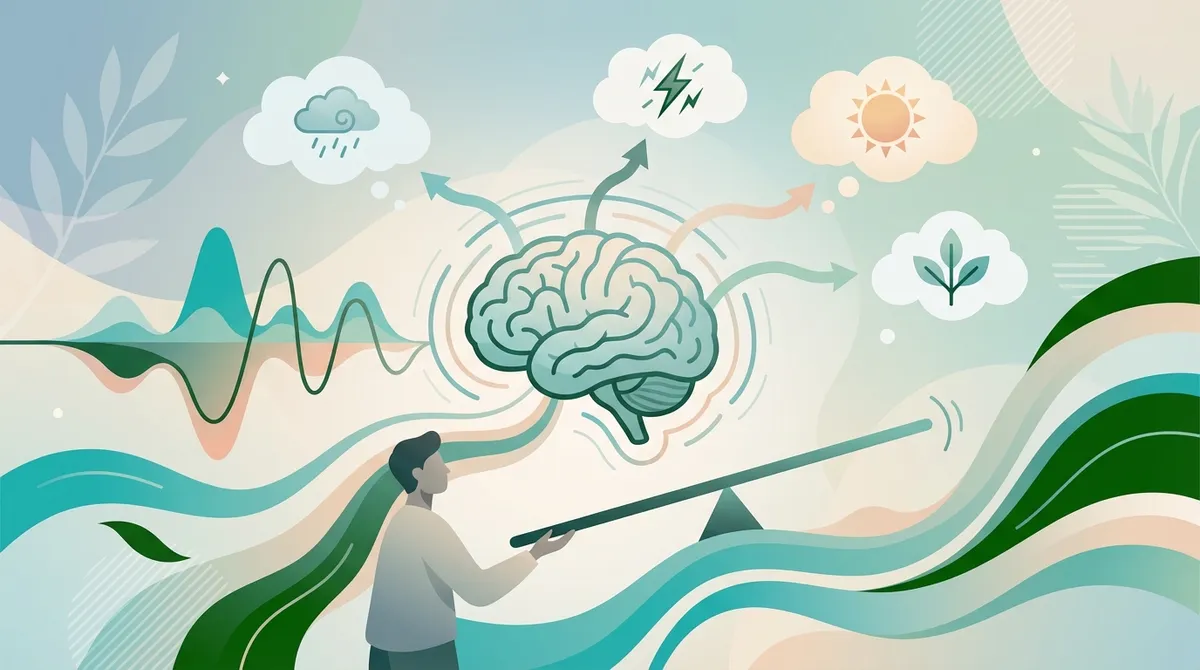
Mood dysregulation is more than just having a bad day or feeling grumpy. It’s a pattern where emotions become overwhelming and hard to control. Think of it like a thermostat that’s broken—instead of keeping things at a comfortable temperature, it swings wildly from too hot to too cold without warning. For children, teens, and even adults, this can make everyday life feel like an emotional rollercoaster that never stops.
In this article, we’ll explore what mood dysregulation really means, how it’s different from typical mood changes, and what you can do if you recognize these patterns in yourself or a loved one. At West Florida Therapy, Margaret Deuerlein understands how challenging these feelings can be, and she’s here to help you find balance and peace.
What Is Mood Dysregulation?
Mood dysregulation refers to a difficulty managing and controlling emotional responses. When someone experiences mood dysregulation, their emotional reactions are often more intense, last longer, and happen more frequently than what’s considered typical. These reactions can seem out of proportion to the situation at hand.
For example, a child with mood dysregulation might have an explosive tantrum over a minor change in plans—not just whining or complaining, but a full meltdown that lasts 20 minutes or more. An adult might feel sudden waves of anger that make it impossible to think clearly or respond calmly.
The key difference between normal mood changes and mood dysregulation is consistency and intensity. Everyone gets upset sometimes. But when these intense reactions happen multiple times a week for months on end, and they interfere with relationships, school, or work, that’s a red flag for mood dysregulation.
Common Signs of Mood Dysregulation
Recognizing mood dysregulation can be tricky because emotions are naturally complex. However, several warning signs can help you identify when emotions have crossed into dysregulation territory:
- Frequent temper outbursts: Intense anger or frustration that happens three or more times per week, often over small triggers
- Chronic irritability: A constantly grumpy or angry mood that persists most days, nearly every day
- Physical reactions: Increased heart rate, muscle tension, sweating, or even headaches during emotional episodes
- Difficulty calming down: Taking much longer than others to return to a calm state after getting upset
- Impact on daily life: Problems at school, work, or in relationships because of emotional reactions
These patterns need to last for at least 12 months and appear in multiple settings—like both at home and at school—before a professional diagnosis can be made. If you’re noticing these signs, reaching out to a caring therapist like Margaret Deuerlein at West Florida Therapy can be an important first step toward understanding and managing these challenges.

Mood Dysregulation vs. Normal Mood Swings
So how do you tell the difference between having a bad day and experiencing mood dysregulation? Let’s break down the key distinctions in a way that makes sense.
| Normal Mood Swings | Mood Dysregulation |
|---|---|
| Happen occasionally in response to clear triggers | Occur frequently (3+ times per week) with minor or unclear triggers |
| Emotions match the situation | Emotions seem much bigger than the situation warrants |
| Person calms down relatively quickly (minutes) | Takes much longer to calm down (30+ minutes or hours) |
| Doesn’t significantly impact daily functioning | Interferes with school, work, or relationships |
| Happens in specific contexts | Occurs across multiple settings (home, school, social situations) |
| Temporary and situational | Persistent pattern lasting months or years |
Think of it this way: if someone cancels plans with you, feeling disappointed is normal. Being sad for an hour or even the rest of the day is understandable. But if that disappointment turns into uncontrollable rage, leads to breaking things, and you’re still furious three hours later, that’s crossing into dysregulation territory.
The Intensity Factor
Intensity is one of the clearest markers of mood dysregulation. Normal emotions have a beginning, middle, and end. They rise, peak, and then naturally come down. With mood dysregulation, emotions shoot up like a rocket and stay at that intense level much longer than expected.
A teenager with normal mood swings might slam a door when angry and then apologize an hour later. A teenager with mood dysregulation might have a two-hour meltdown, say hurtful things they don’t mean, and struggle to understand why they reacted so strongly even after calming down.
Understanding Disruptive Mood Dysregulation Disorder (DMDD)
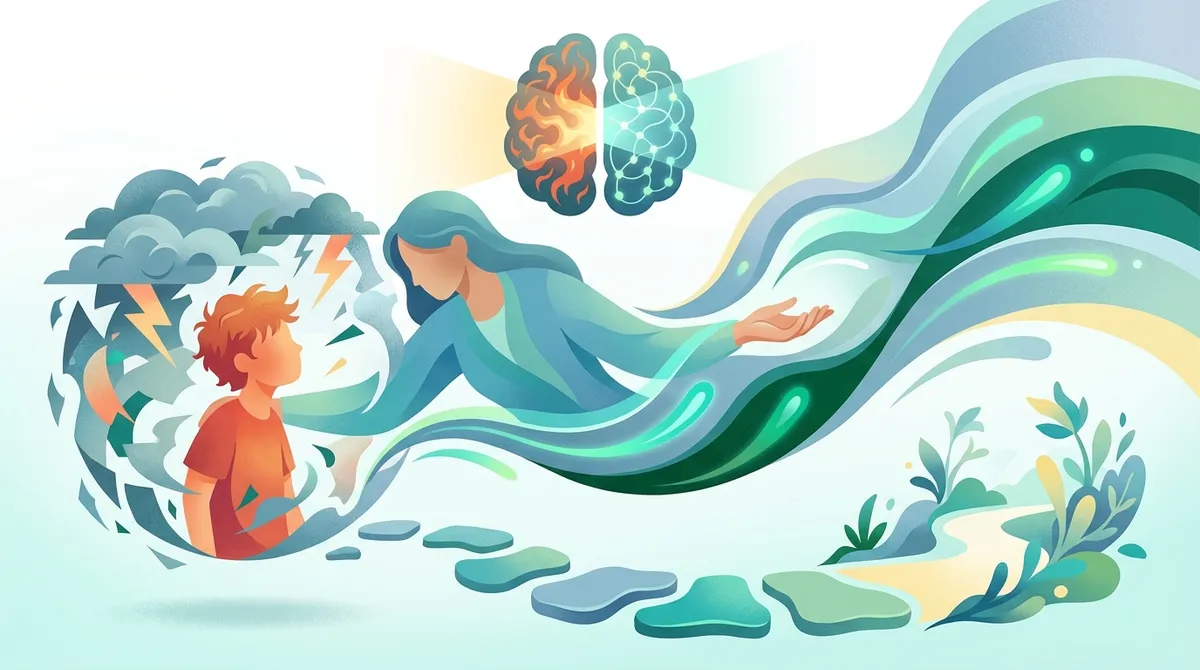
One specific type of mood dysregulation that affects children and teens is called Disruptive Mood Dysregulation Disorder, or DMDD. This condition was added to the DSM-5 (the manual mental health professionals use for diagnosis) to help better understand children who struggle with severe irritability and temper outbursts.
DMDD typically affects children between ages 6 and 18. It’s important to note that DMDD is not the same as pediatric bipolar disorder. Children with DMDD don’t experience the manic or hypomanic episodes that characterize bipolar disorder. Instead, they show a consistent pattern of anger and irritability.
Key Characteristics of DMDD
According to the CDC’s mental health resources, DMDD has specific diagnostic criteria that help professionals identify it:
- Severe temper outbursts: These can be verbal (like yelling or screaming) or behavioral (like hitting, throwing things, or physical aggression). They happen on average three or more times per week.
- Chronic irritable mood: Between outbursts, the child is persistently irritable or angry most of the day, nearly every day. Parents often describe their child as being in a constantly grumpy mood.
- Duration: These symptoms must be present for at least 12 months, with no more than three months symptom-free.
- Multiple settings: The problems must occur in at least two of three settings—at home, at school, or with peers.
- Age requirements: Symptoms must begin before age 10, though diagnosis can’t be made before age 6 or after age 18.
The outbursts in DMDD are out of proportion to the situation. For example, a child might have an hour-long screaming episode because their toast broke in half, or because they were asked to put away their shoes. These aren’t typical tantrums—they’re intense, prolonged, and happen much more often than in other children the same age.
What Causes Mood Dysregulation?
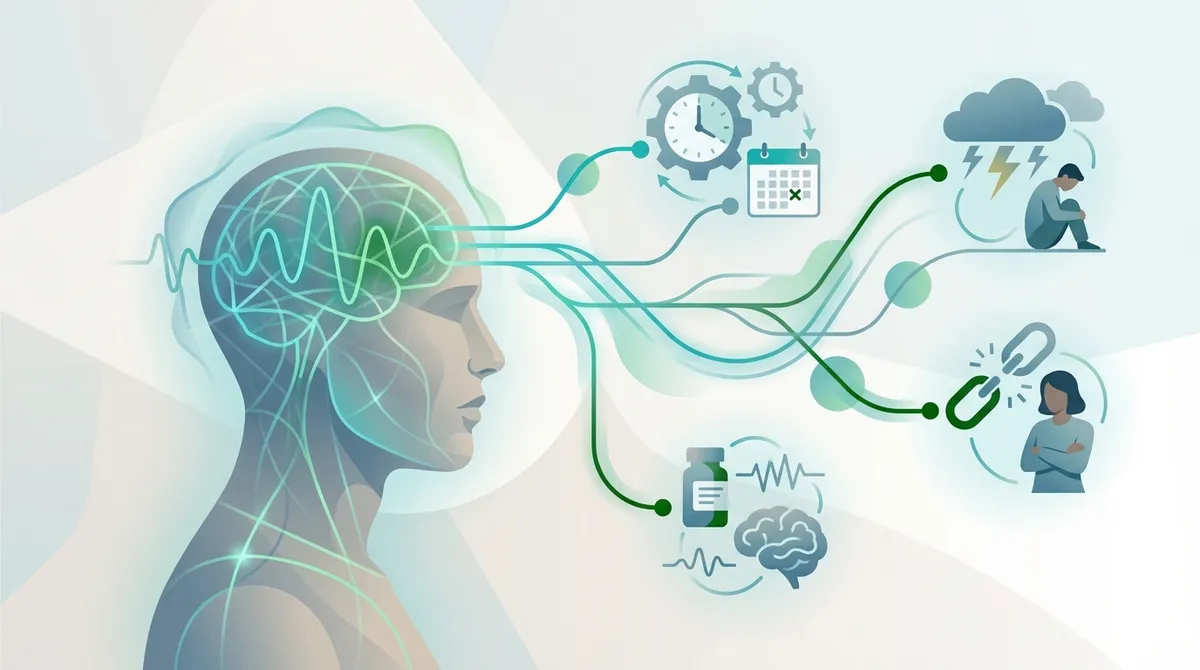
Understanding why mood dysregulation happens can help reduce shame and guilt. It’s not about bad parenting or a child being “bad.” Several factors can contribute to difficulties with emotional regulation.
Biological and Genetic Factors
Research shows that genetics play a significant role in mood dysregulation. If there’s a family history of depression, anxiety, or other mood disorders, children may be more likely to experience mood dysregulation themselves. This doesn’t mean it’s guaranteed, but it does increase the risk.
Brain chemistry and structure also matter. The parts of the brain responsible for emotion regulation—particularly the prefrontal cortex and amygdala—may function differently in people with mood dysregulation. These differences affect how quickly emotions are triggered and how easily someone can calm down.
Environmental Influences
Life experiences shape how we manage emotions. Children who experience trauma, abuse, neglect, or chronic stress are more vulnerable to developing mood dysregulation. Even less severe stressors, like frequent family conflict or instability, can make it harder for a developing brain to learn healthy emotion regulation skills.
According to Florida’s mental health resources, early intervention with these environmental factors can make a significant difference in outcomes. That’s why recognizing the signs early and seeking support is so important.
Developmental Factors
Children’s brains are still developing, especially the parts that control impulses and manage emotions. This development continues into the mid-20s. Some children simply develop these skills more slowly than others, which can look like mood dysregulation during childhood but may improve with proper support and maturity.
The Impact of Mood Dysregulation on Daily Life
Mood dysregulation doesn’t just affect the person experiencing it—it creates ripple effects that touch every part of life. Understanding these impacts can help you recognize when it’s time to seek professional help.
Effects on Relationships
Frequent outbursts and chronic irritability strain relationships. Family members may feel like they’re walking on eggshells, never knowing what might trigger an explosion. Siblings might feel neglected or resentful. Friendships become difficult because other children may not understand why their friend gets so angry over small things.
Parents of children with mood dysregulation often report feeling exhausted, frustrated, and uncertain about how to help. They may blame themselves or worry about their child’s future. These feelings are completely normal, and seeking support through therapy services can provide relief and practical strategies.
Academic and Work Challenges
In school, mood dysregulation can lead to disciplinary problems, difficulty concentrating, and trouble completing assignments. Teachers might see the child as disruptive or defiant, when really they’re struggling with emotion regulation skills they haven’t developed yet.
For adults, mood dysregulation can cause problems at work. Difficulty managing frustration might lead to conflicts with coworkers or supervisors. The energy required to manage intense emotions all day can lead to exhaustion, making it hard to focus or perform well.
Long-Term Mental Health Risks
Children with mood dysregulation, particularly those with DMDD, are at higher risk for developing other mental health conditions as they grow older. Studies show they’re more likely to experience depression or anxiety disorders in adulthood, rather than bipolar disorder as once thought.
This is actually good news in some ways—it means that with proper treatment and support during childhood and adolescence, these long-term risks can be reduced. Early intervention matters tremendously, which is why connecting with a compassionate therapist who understands mood dysregulation is so valuable.
Treatment Options for Mood Dysregulation
The good news is that mood dysregulation can be effectively treated. With the right combination of therapy, skills training, and sometimes medication, people can learn to manage their emotions in healthier ways.
Therapy Approaches
Several types of therapy have proven effective for mood dysregulation:
- Cognitive Behavioral Therapy (CBT): Helps identify thought patterns that contribute to emotional reactions and teaches new ways of thinking and responding
- Dialectical Behavior Therapy (DBT): Originally developed for adults but adapted for children and teens, DBT focuses on four key skills: mindfulness, distress tolerance, emotion regulation, and interpersonal effectiveness
- Parent Training: Teaches parents specific strategies for responding to outbursts and helping their child develop better emotion regulation skills
- Individual Therapy: Provides a safe space to explore feelings, identify triggers, and practice new coping strategies
Margaret Deuerlein at West Florida Therapy specializes in working with individuals and families affected by mood dysregulation. Her warm, caring approach helps clients feel understood and supported as they work toward emotional balance. She offers both in-person sessions in the office and virtual therapy throughout Florida, making quality care accessible.
Skills Training
Learning practical skills is essential for managing mood dysregulation. These might include:
- Recognizing early warning signs: Noticing when emotions are starting to escalate before they become overwhelming
- Using calming techniques: Deep breathing, progressive muscle relaxation, or taking a brief break
- Improving communication: Learning to express feelings in words rather than through outbursts
- Problem-solving skills: Breaking down challenging situations into manageable steps
These skills take time to develop, and that’s okay. Progress isn’t always linear, but with consistent practice and support, most people see significant improvement.
Medication Considerations
While therapy is the primary treatment for mood dysregulation, medication may be helpful in some cases. This is particularly true when there are co-occurring conditions like anxiety or depression. A psychiatrist can evaluate whether medication might be a useful addition to therapy.
It’s important to note that medication alone isn’t typically sufficient for treating mood dysregulation. The most effective approach usually combines medication (if needed) with therapy and skills training.
Supporting Someone with Mood Dysregulation
If someone you care about struggles with mood dysregulation, you might feel helpless or frustrated at times. Remember that your support matters tremendously, even when progress feels slow.
Dos and Don’ts
| Do This | Don’t Do This |
|---|---|
| Stay calm during outbursts | Match their intensity with your own anger |
| Validate their feelings (“I see you’re really upset”) | Dismiss their emotions (“You’re overreacting”) |
| Set clear, consistent boundaries | Give in to avoid conflict |
| Take care of your own mental health | Sacrifice your wellbeing completely |
| Celebrate small victories | Focus only on setbacks |
| Seek professional guidance | Try to handle everything alone |
Creating a Supportive Environment
Structure and predictability can help reduce the frequency of emotional outbursts. When possible, maintain consistent routines for meals, sleep, and activities. Give advance notice about changes in plans. Create a calm-down space at home where someone can go when they feel emotions rising.
According to resources from Florida’s Department of Children and Families, family support is one of the most important factors in successful treatment outcomes. You don’t have to be perfect—just present, patient, and willing to learn alongside your loved one.
When to Seek Professional Help
Don’t wait until things reach a crisis point. If you notice patterns of intense emotional reactions lasting for several months, interfering with daily life, or causing safety concerns, it’s time to reach out for professional support.
Margaret Deuerlein provides compassionate, evidence-based care for individuals and families dealing with mood dysregulation and related challenges. She understands that taking the first step toward help can feel scary, but she creates a welcoming, judgment-free environment where healing can begin. Reach out to schedule a consultation and start your journey toward emotional balance.
Living Well with Mood Dysregulation
Having mood dysregulation doesn’t mean life has to be a constant struggle. Many people learn to manage their emotions effectively and go on to have fulfilling relationships, successful careers, and genuine happiness. The key is getting the right support and being patient with the process.
Recovery looks different for everyone. For some, it means fewer and less intense outbursts. For others, it’s about recovering more quickly after getting upset. Some people find they can identify triggers earlier and use coping skills before emotions escalate. All of these represent meaningful progress.
Remember that setbacks are normal and don’t erase the progress you’ve made. Emotional regulation is a skill that improves with practice, just like learning an instrument or a sport. Some days will be harder than others, and that’s okay.
Building Resilience
As you work on managing mood dysregulation, you’ll likely build other strengths too. Many people develop greater self-awareness, improved communication skills, and deeper empathy for others who struggle. These qualities can enhance every area of life.
Connecting with others who understand can also help. Whether through support groups, therapy, or trusted friends and family, having people who “get it” reduces isolation and provides encouragement during difficult times.
Conclusion: You Don’t Have to Face This Alone
Mood dysregulation can feel overwhelming, whether you’re experiencing it yourself or watching someone you love struggle with intense emotions. But here’s the truth: with proper support, understanding, and treatment, things can get better. You don’t have to navigate this journey alone.
Understanding the difference between normal mood swings and mood dysregulation is the first step. Recognizing the signs, learning about conditions like DMDD, and seeking professional help early can change the trajectory for children, teens, and adults dealing with these challenges.
At West Florida Therapy, Margaret Deuerlein provides specialized care for individuals and families affected by mood issues and emotional regulation difficulties. Her warm, caring approach helps clients feel understood and supported while developing practical skills for managing emotions more effectively. With both in-person and virtual options available throughout Florida, quality mental health care is within reach.
If you’re ready to take that first step toward emotional balance and wellbeing, don’t wait. Contact West Florida Therapy today to schedule a consultation. You deserve support, understanding, and the tools to create a calmer, more balanced life. Margaret is here to help you get there. You can also check out client reviews and learn more on Google to see how West Florida Therapy has helped others find their path to healing.
FAQs
Q: What is the main difference between mood dysregulation and normal mood swings?
A: The main difference is intensity, frequency, and duration. Normal mood swings are occasional, match the situation, and resolve relatively quickly. Mood dysregulation involves intense emotional reactions that happen three or more times per week, last much longer, seem out of proportion to triggers, and interfere with daily life across multiple settings for months at a time.
Q: Can adults have mood dysregulation, or is it only a childhood condition?
A: While Disruptive Mood Dysregulation Disorder (DMDD) is specifically diagnosed in children and teens ages 6-18, adults can absolutely experience mood dysregulation. Adults might struggle with intense emotional reactions, difficulty calming down, and chronic irritability that impacts their relationships and work. Therapy can help adults develop better emotion regulation skills at any age.
Q: How long does it take to see improvement with treatment for mood dysregulation?
A: The timeline varies for each person, but many families notice some improvement within a few months of starting therapy and implementing new strategies. Significant change typically takes 6-12 months of consistent work. Remember that progress isn’t always linear—there will be good days and challenging days. The key is staying committed to the process and celebrating small victories along the way.
Q: Is mood dysregulation the same as bipolar disorder?
A: No, they’re different conditions. Mood dysregulation, including DMDD, involves chronic irritability and frequent temper outbursts but doesn’t include manic or hypomanic episodes. Bipolar disorder involves distinct periods of elevated mood (mania or hypomania) alternating with depression. Children with mood dysregulation are more likely to develop depression or anxiety in adulthood rather than bipolar disorder.
Q: What should I do during an intense emotional outburst?
A: Stay calm and don’t match their intensity with your own anger. Ensure safety first by removing dangerous objects if needed. Use a calm, neutral tone and avoid lengthy explanations during the outburst—save problem-solving for after they’ve calmed down. Validate their feelings without reinforcing the behavior, and give them space if they need it. Once calm, you can discuss what happened and practice better responses for next time.