
Key Takeaways
-
Personality disorders involve persistent, rigid patterns of thinking and behavior that significantly impact relationships, work, and social interactions.
-
The 10 personality disorders are grouped into three clusters: Odd/Eccentric, Dramatic/Emotional, and Anxious/Fearful, each with distinct characteristics.
-
Professional therapy, especially approaches like CBT and DBT, can help individuals develop healthier coping strategies and improve their quality of life.
-
Biological, environmental, and social factors contribute to personality disorder development, with childhood experiences playing a crucial role.
-
Recognizing symptoms and seeking professional help early can lead to better management and potential improvement of personality disorder challenges.
Have you ever wondered why some people seem to consistently struggle with relationships, work, or daily life in ways that feel different from typical challenges? Personality disorders affect millions of people, yet many don’t fully understand what they are or how they impact lives. These conditions involve long-lasting patterns of thinking, feeling, and behaving that differ significantly from what society expects. They typically begin in late adolescence or early adulthood and can make everyday situations feel overwhelming.
Understanding personality disorders isn’t just about learning medical terms—it’s about recognizing how these conditions affect real people and their loved ones. Whether you’re concerned about yourself, a family member, or simply want to learn more, this guide will help you understand the different types of personality disorders, their symptoms, and how professional support can make a real difference. At West Florida Therapy, Margaret Deuerlein works with individuals facing these challenges, providing compassionate care in both English and Spanish.
Let’s explore what personality disorders really are and how recognizing them can be the first step toward getting help.
What Are Personality Disorders?
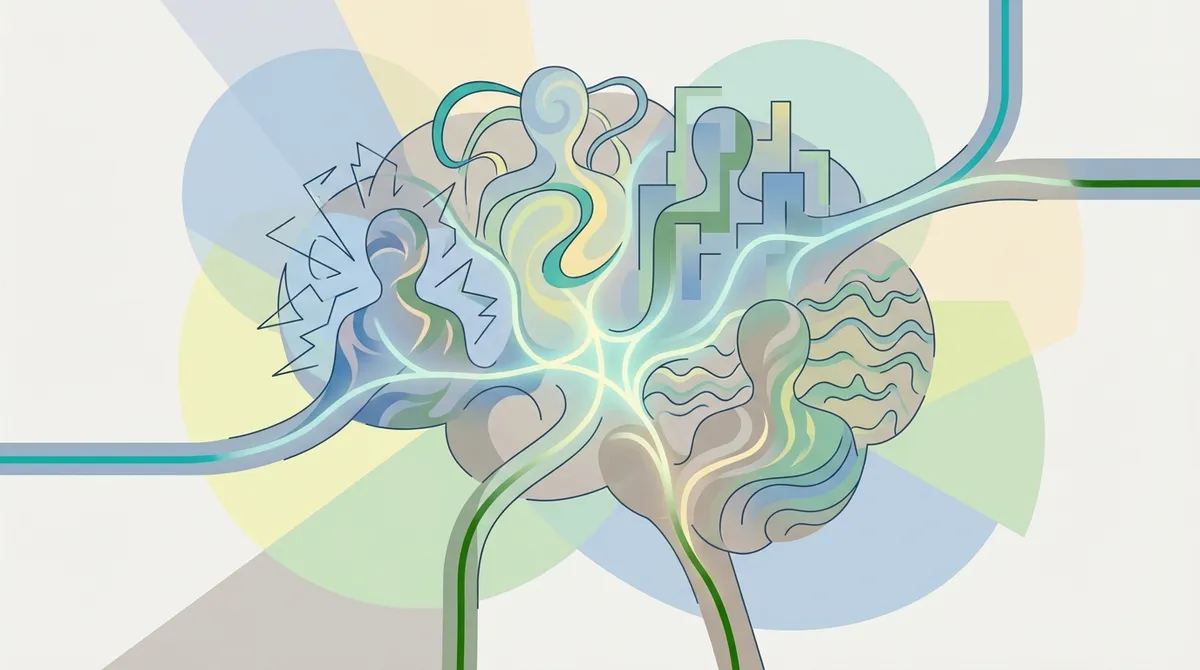
Personality disorders are mental health conditions that involve lasting patterns of thoughts, feelings, and behaviors that are noticeably different from cultural expectations. These patterns are rigid and show up in at least two important areas of life: how you think about yourself and others, how you respond emotionally, how you relate to other people, and how you control your impulses.
Unlike temporary mood changes or reactions to stressful events, personality disorders are stable over time. They typically start by late adolescence or early adulthood and continue throughout life if not treated. These conditions cause real distress and make it harder to function at work, in relationships, or in social situations.
The Centers for Disease Control and Prevention recognizes that mental health conditions, including personality disorders, significantly impact quality of life. The good news is that with proper support and therapy, people can learn to manage symptoms and build healthier patterns.
The Three Main Groups of Personality Disorders
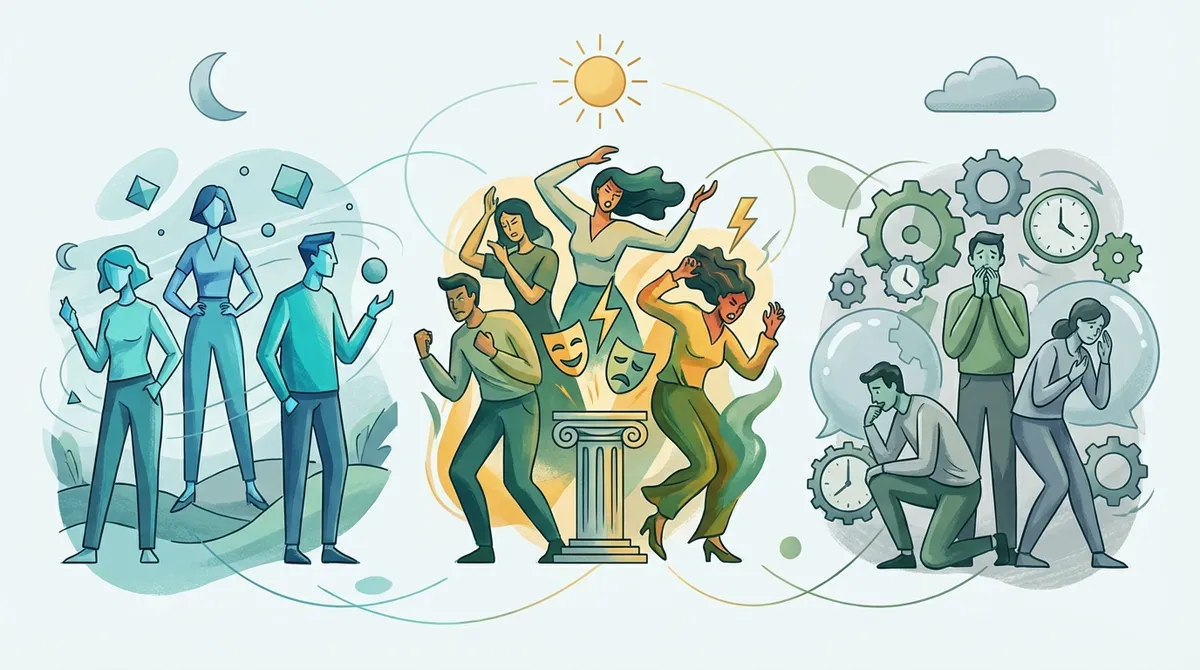
Mental health professionals organize the 10 recognized types of personality disorders into three clusters based on similar characteristics. Understanding these groups helps make sense of the different ways these conditions show up in people’s lives.
Cluster A: Odd or Eccentric Behaviors
This cluster includes personality disorders marked by unusual thinking patterns and behaviors that others might find strange or difficult to understand. People with Cluster A disorders often have trouble forming close relationships and may seem detached or suspicious of others.
The three types in this cluster are:
- Paranoid Personality Disorder: A pattern of distrust and suspicion where people believe others have harmful intentions without good reason
- Schizoid Personality Disorder: A pattern of detachment from social relationships and limited emotional expression
- Schizotypal Personality Disorder: A pattern of discomfort in close relationships, unusual thinking, and eccentric behavior
Cluster B: Dramatic or Emotional Behaviors
This cluster includes disorders characterized by intense emotions, dramatic behaviors, and unpredictable actions. People with Cluster B disorders often struggle with impulse control and maintaining stable relationships.
The four types in this cluster are:
- Antisocial Personality Disorder: A pattern of disregarding and violating the rights of others
- Borderline Personality Disorder: A pattern of instability in relationships, self-image, and emotions, along with significant impulsivity
- Histrionic Personality Disorder: A pattern of excessive emotion and attention-seeking behavior
- Narcissistic Personality Disorder: A pattern of grandiosity, need for admiration, and lack of empathy
Cluster C: Anxious or Fearful Behaviors
This cluster includes disorders marked by anxious and fearful thinking or behavior. People with Cluster C disorders often struggle with worry, fear of criticism, and difficulty making decisions independently.
The three types in this cluster are:
- Avoidant Personality Disorder: A pattern of social inhibition, feelings of inadequacy, and hypersensitivity to criticism
- Dependent Personality Disorder: A pattern of submissive and clinging behavior related to an excessive need to be taken care of
- Obsessive-Compulsive Personality Disorder: A pattern of preoccupation with orderliness, perfectionism, and control
Common Signs and Symptoms to Watch For
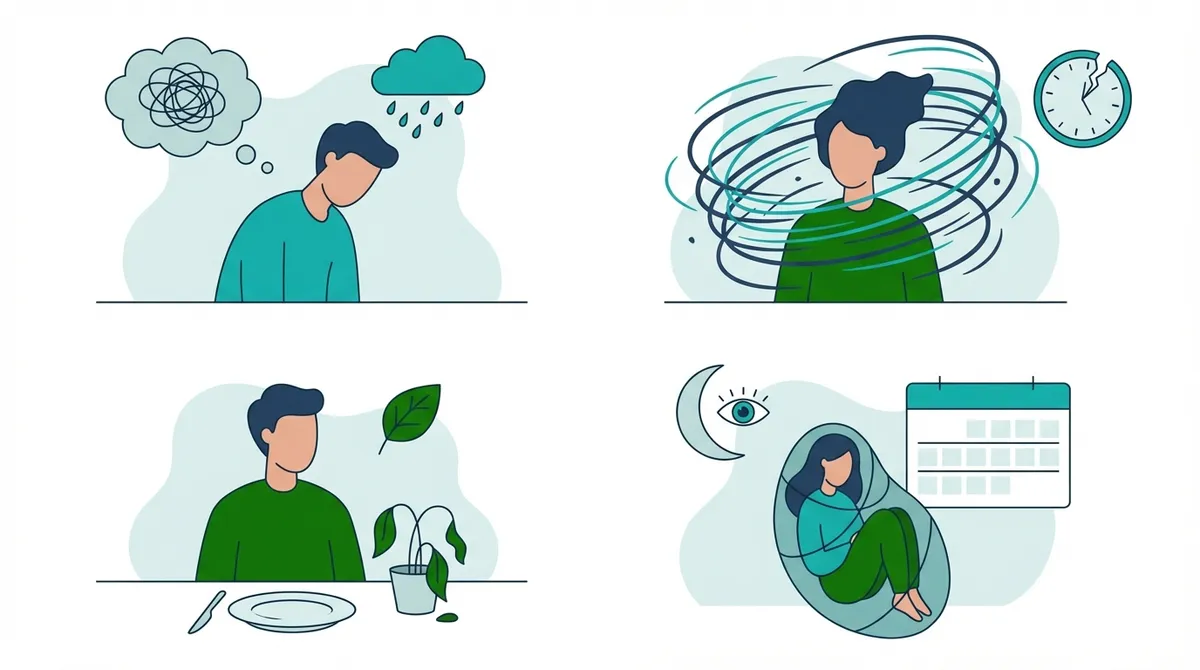
Recognizing personality disorders can be challenging because the symptoms vary widely depending on the specific type. However, there are some general warning signs that might indicate someone is struggling with a personality disorder.
| Area of Life | Possible Signs |
|---|---|
| Relationships | Pattern of unstable or conflicted relationships, difficulty trusting others, intense fear of abandonment |
| Emotions | Extreme mood swings, inappropriate emotional responses, difficulty controlling anger |
| Self-Image | Unstable sense of self, feelings of emptiness, distorted self-perception |
| Behavior | Impulsive actions, risky behaviors, inflexible patterns that don’t adapt to situations |
| Thinking | Suspicious thoughts, odd beliefs, difficulty seeing situations realistically |
It’s important to remember that having one or two of these traits doesn’t mean someone has a personality disorder. These conditions involve persistent, widespread patterns that cause significant problems in multiple areas of life. If you’re concerned about yourself or someone you care about, reaching out to a mental health professional is the best next step.
Margaret Deuerlein at West Florida Therapy provides individual therapy for adults and adolescents struggling with these challenges. Her compassionate approach helps clients understand their patterns and develop healthier ways of relating to themselves and others.
How Personality Disorders Are Diagnosed
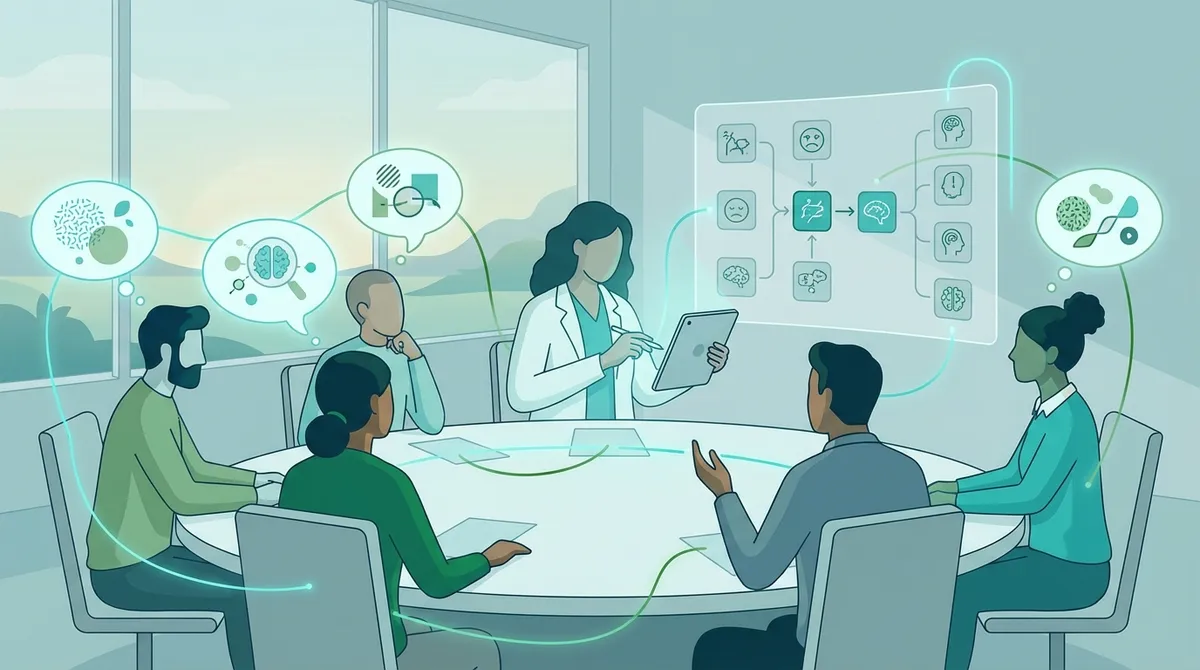
Diagnosing personality disorders requires a thorough evaluation by a qualified mental health professional. Unlike some medical conditions that can be identified with a blood test or scan, personality disorders are diagnosed through careful assessment of a person’s thoughts, feelings, and behaviors over time.
The process typically involves several steps:
- Initial Consultation: A therapist or psychiatrist talks with you about your experiences, relationships, and challenges you’re facing
- Detailed History: The professional learns about your background, including childhood experiences, family relationships, and past difficulties
- Pattern Assessment: The therapist looks for consistent patterns in how you think, feel, and behave across different situations
- Impact Evaluation: They assess how these patterns affect your work, relationships, and daily functioning
- Differential Diagnosis: The professional rules out other mental health conditions that might explain your symptoms
According to Florida Department of Health, getting an accurate diagnosis is crucial for developing an effective treatment plan. It’s worth noting that most people who meet the criteria for one personality disorder also meet criteria for one or more others, which is why a comprehensive evaluation is so important.
Understanding the Causes and Risk Factors
The exact causes of personality disorders aren’t fully understood, but research shows they develop from a complex mix of factors. Understanding these influences can help reduce stigma and encourage people to seek help.
Biological Factors
Some people may be born with temperamental traits that make them more vulnerable to developing personality disorders. Brain structure and chemistry can play a role in how people process emotions and interact with others. Genetics also appear to contribute, as personality disorders sometimes run in families.
Environmental Factors
Life experiences, especially during childhood, significantly influence personality development. Traumatic experiences, neglect, or inconsistent parenting can affect how someone learns to relate to others and manage emotions. However, not everyone who experiences these challenges develops a personality disorder.
Social and Cultural Factors
The environment someone grows up in and cultural expectations also shape personality development. What’s considered problematic behavior can vary across different cultures and communities, which is why mental health professionals consider cultural context when making diagnoses.
How Personality Disorders Change Over Time
One encouraging fact about personality disorders is that they can improve with time and treatment. Research shows that some types, particularly antisocial and borderline personality disorders, tend to become less severe as people age. This happens naturally for some individuals, but professional help can speed up and strengthen this improvement.
However, not all personality disorders follow the same pattern. Obsessive-compulsive and schizotypal personality disorders are less likely to change significantly without intervention. This is why getting professional support is so important—therapy can help people develop healthier patterns regardless of their specific diagnosis.
Many people with personality disorders live fulfilling lives once they learn to understand their patterns and develop better coping strategies. The key is recognizing the need for help and taking that brave first step toward treatment.
Treatment Options That Actually Work
The good news is that personality disorders are treatable. While there’s no quick fix, therapy and support can make a significant difference in how people manage their symptoms and improve their quality of life.
Psychotherapy: The Foundation of Treatment
Talk therapy is the primary treatment for personality disorders. Several approaches have shown effectiveness:
- Cognitive Behavioral Therapy (CBT): Helps identify and change unhelpful thinking patterns and behaviors
- Dialectical Behavior Therapy (DBT): Teaches skills for managing emotions, tolerating distress, and improving relationships
- Psychodynamic Therapy: Explores how past experiences influence current patterns
- Schema Therapy: Addresses deeply held beliefs and patterns developed in childhood
Individual Therapy Benefits
Working one-on-one with a therapist provides a safe space to explore difficult patterns and practice new ways of thinking and behaving. At West Florida Therapy, Margaret Deuerlein offers individual therapy tailored to each person’s unique needs. She understands that personality patterns developed over many years take time and patience to change.
Additional Support Options
While therapy is central, other supports can help:
- Medication may help with specific symptoms like anxiety or depression that often accompany personality disorders
- Support groups connect you with others facing similar challenges
- Family education helps loved ones understand and support recovery
- Skills training teaches practical techniques for managing emotions and relationships
How Personality Disorders Affect Relationships
One of the most challenging aspects of personality disorders is their impact on relationships. The rigid patterns of thinking and behaving that characterize these conditions often create conflict and misunderstanding with partners, family members, friends, and coworkers.
People with personality disorders might struggle with:
- Maintaining stable, trusting relationships over time
- Communicating their needs and feelings effectively
- Understanding and responding to others’ emotions
- Managing conflict without extreme reactions
- Setting appropriate boundaries with others
For couples dealing with these challenges, specialized support can make a tremendous difference. Couples therapy helps partners understand each other better and develop healthier communication patterns. When both people are committed to working together, relationships can improve significantly.
Supporting Someone with a Personality Disorder
If someone you care about has a personality disorder, you might feel confused, frustrated, or helpless at times. Supporting a loved one while taking care of yourself requires patience and understanding.
| Helpful Approach | Why It Matters |
|---|---|
| Educate Yourself | Understanding the condition helps you respond with compassion rather than frustration |
| Set Clear Boundaries | Protecting your own wellbeing allows you to offer consistent support |
| Encourage Treatment | Professional help is essential for lasting change |
| Avoid Blame | Personality disorders aren’t anyone’s fault—focus on moving forward |
| Practice Patience | Change takes time, and progress isn’t always linear |
Remember that you can’t fix or control another person’s condition. The best thing you can do is encourage them to seek help, support their treatment efforts, and take care of your own mental health along the way.
Personality Disorders and Co-Occurring Conditions
It’s common for people with personality disorders to experience other mental health challenges at the same time. Anxiety disorders, depression, and substance use problems frequently occur alongside personality disorders.
This overlap happens for several reasons. The same factors that contribute to personality disorders—such as trauma or biological vulnerability—can also lead to other mental health conditions. Additionally, the challenges of living with a personality disorder, like relationship difficulties or emotional instability, can trigger anxiety and depression.
Understanding these connections is important because treating co-occurring conditions alongside the personality disorder leads to better outcomes. A comprehensive treatment approach addresses all aspects of a person’s mental health, not just isolated symptoms. The Florida Department of Children and Families provides resources for individuals dealing with multiple mental health challenges.
Getting Help: Taking the First Step
Recognizing that you or someone you love might have a personality disorder can feel overwhelming, but it’s also the first step toward positive change. Many people live with these conditions for years without understanding what’s causing their struggles. Once you have clarity, you can start moving toward solutions.
If you’re in Florida and ready to explore support options, West Florida Therapy offers both in-person and virtual sessions throughout the state. Margaret Deuerlein provides compassionate, individualized care for adults and adolescents, with bilingual services available in English and Spanish. Her approach focuses on understanding your unique patterns and helping you develop healthier ways of thinking, feeling, and relating to others.
Treatment for personality disorders works best when you find a therapist you trust and feel comfortable with. Don’t be discouraged if change feels slow at first—personality patterns developed over many years take time to shift. With consistent effort and professional support, meaningful improvement is possible.
Whether you’re struggling with relationship challenges, emotional instability, or simply feeling like something isn’t quite right, reaching out for help is a sign of strength, not weakness. You deserve support, understanding, and the chance to build a more fulfilling life. Get in touch with West Florida Therapy today to learn how individual therapy can help you understand and manage personality-related challenges. You can also visit our Google profile to learn more about how we’ve helped others in your situation.
FAQs
Q: What is the main difference between the three clusters of personality disorders?
A: The three clusters organize personality disorders by similar characteristics. Cluster A involves odd or eccentric behaviors like suspicion and detachment. Cluster B includes dramatic, emotional, and impulsive behaviors. Cluster C features anxious and fearful patterns like worry and need for control. Understanding which cluster someone falls into helps guide treatment approaches.
Q: Can personality disorders be treated successfully?
A: Yes, personality disorders are treatable with consistent professional support. While there’s no quick cure, therapy—especially approaches like CBT and DBT—helps people understand their patterns and develop healthier ways of thinking and relating to others. Many people see significant improvement with time and commitment to treatment. Some personality disorders, like borderline and antisocial types, naturally become less severe as people age, especially with professional help.
Q: How do I know if I have a personality disorder or just going through a difficult time?
A: Personality disorders involve long-lasting patterns that started by late adolescence or early adulthood and affect multiple areas of your life consistently. If you’re just going through a tough time, your struggles are likely temporary and related to specific stressors. Personality disorders cause ongoing distress in relationships, work, and daily functioning regardless of circumstances. A mental health professional can help you understand the difference through a comprehensive evaluation.
Q: Why do personality disorders often occur together with anxiety or depression?
A: Personality disorders frequently occur alongside conditions like anxiety and depression because they share common risk factors like trauma and biological vulnerability. Additionally, the challenges of living with a personality disorder—such as relationship conflicts and emotional instability—can trigger anxiety and depressive symptoms. Treating both the personality disorder and co-occurring conditions together leads to better outcomes than addressing them separately.
Q: What should I do if I think my teenager has a personality disorder?
A: If you’re concerned about your teenager, start by consulting a mental health professional who specializes in adolescent care. While personality patterns are still developing during adolescence, early intervention can prevent problems from becoming more severe. A therapist can assess whether your teen’s behaviors are part of normal development or signs of a personality disorder. West Florida Therapy offers individual therapy for adolescents aged 13-17, providing compassionate support in a safe environment.