

Key Takeaways
-
Recognize your tendency to prioritize others’ needs over your own, which can lead to burnout and resentment.
-
Develop clear, healthy boundaries that allow you to maintain your own identity while supporting others.
-
Understand that your self-worth should not depend on being needed or constantly helping others.
-
Learn to identify and honor your own emotions instead of focusing exclusively on others’ feelings.
-
Stop trying to control or fix others, and accept that each person is responsible for their own growth and choices.
-
Break the cycle of staying in harmful relationships by recognizing your worth and setting appropriate limits.
Have you ever felt like your happiness depends entirely on someone else’s mood? Or maybe you find yourself constantly putting others’ needs before your own, even when it leaves you exhausted and resentful? These feelings might be signs of something deeper called codependency.
Codependency is a pattern of behavior where you become overly focused on another person’s needs, emotions, or problems. It’s like your whole world starts to revolve around someone else, and you lose track of who you are in the process. While caring for others is wonderful, codependency takes it to an unhealthy extreme that can hurt both you and your relationships.
The good news? Understanding codependency is the first step toward creating healthier, more balanced relationships. In this article, we’ll explore nine common signs that codependency might be affecting your life. More importantly, you’ll learn practical ways to recognize these patterns and start making positive changes.
Whether you’re wondering about your own relationship patterns or trying to help someone you care about, this guide will give you the tools and knowledge you need. Let’s dive in and discover how to build connections that support both people equally.
What Is Codependency Really About?
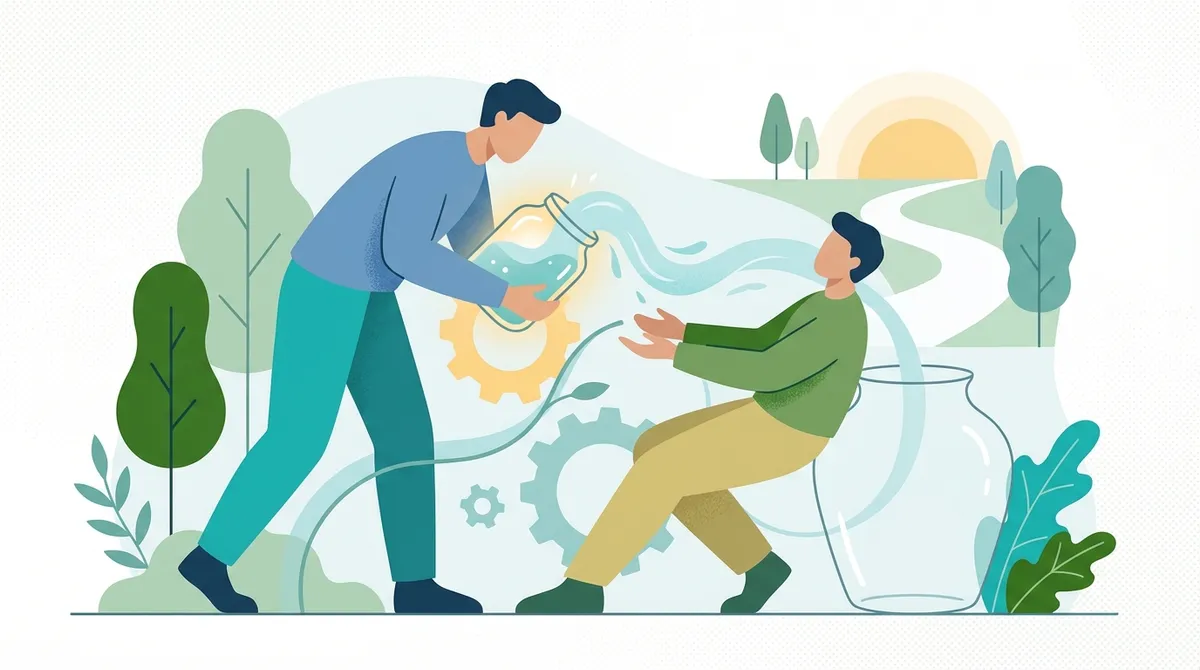
Codependency isn’t just about being a caring person or wanting to help someone you love. It’s a learned pattern that often starts in childhood, especially if you grew up in a home where things felt unpredictable or chaotic. Maybe there was addiction, mental health struggles, or emotional unavailability. Children in these situations often learn to focus on others’ needs as a survival strategy.
Here’s the important part: codependency isn’t an official mental health diagnosis you’ll find in the DSM-5. Instead, it’s a helpful way for therapists and researchers to describe recurring problems in relationships. Think of it as a relationship pattern that develops over time, often passed down through families.
Research from 2018 identified four main themes in codependent behavior. These include sacrificing yourself for others, focusing excessively on other people, needing to control situations (which can create conflict), and having trouble recognizing your own emotions. These patterns can show up in any relationship, not just romantic ones.
Codependency vs. Healthy Interdependence
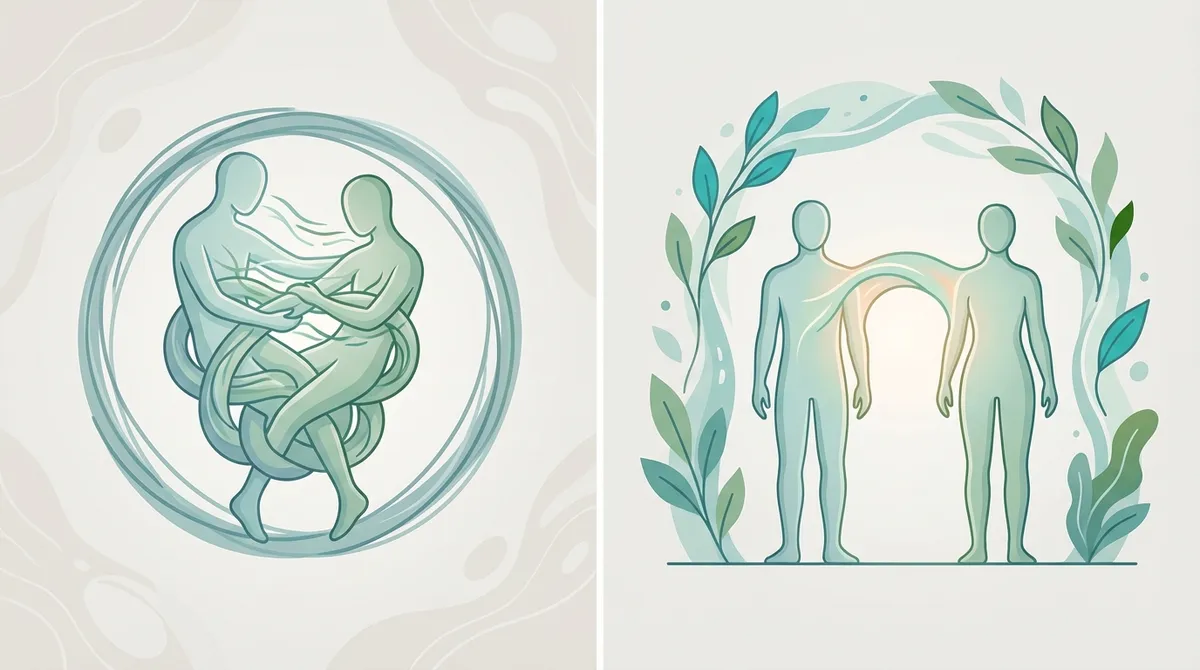
You might be wondering: “Isn’t it normal to rely on people we love?” Absolutely! The difference is in how that reliance works. In healthy relationships, called interdependence, both people maintain their own identity while supporting each other. They can ask for help without losing themselves. They have clear boundaries and respect each other’s independence.
Codependency is different. It’s like the boundaries between people become blurry or disappear completely. One person becomes the caretaker or rescuer, while the other becomes dependent. The caretaker feels responsible for fixing the other person’s problems, and their self-worth becomes tied to being needed. This creates an unbalanced relationship where neither person can truly thrive.
Think of it this way: interdependence is like two trees growing side by side, each with strong roots, supporting each other during storms. Codependency is like a vine wrapping so tightly around a tree that it becomes hard to tell where one ends and the other begins. Both may survive, but neither can grow properly.
Sign #1: You Constantly Put Others’ Needs Before Your Own
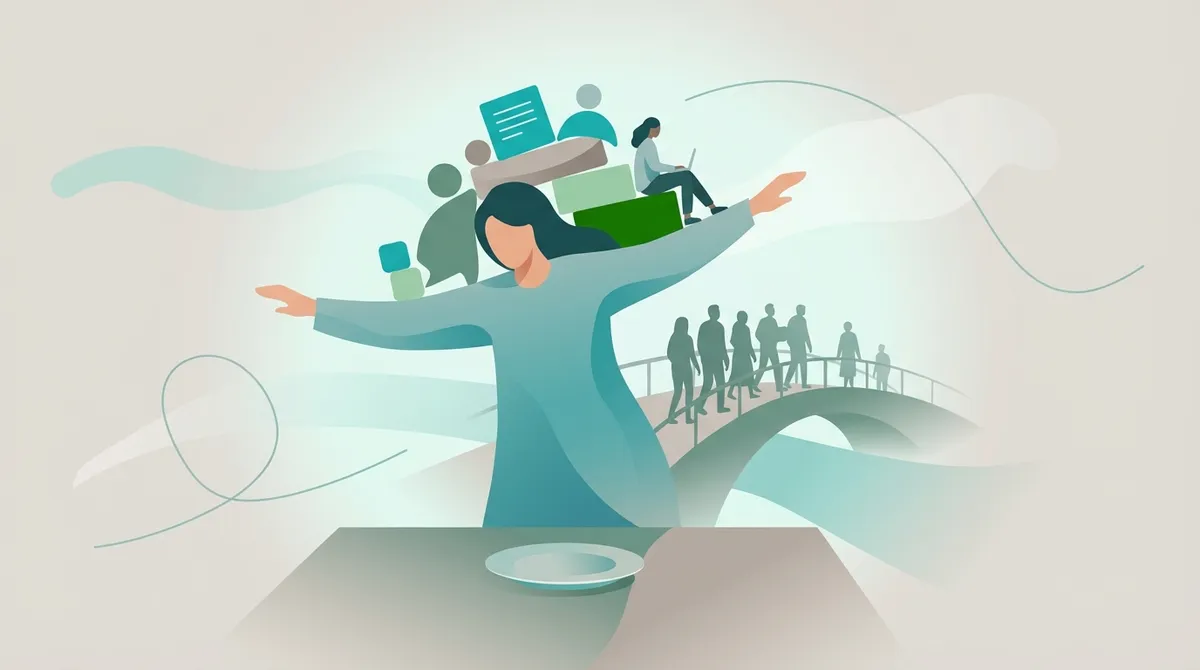
This is often the most noticeable sign of codependency. You find yourself always saying yes, even when you want to say no. Your own plans, dreams, and needs take a back seat to everyone else’s. You might skip meals to take care of someone, cancel your own appointments, or give up hobbies you love.
This pattern goes beyond normal kindness or occasional sacrifice. It’s a chronic habit where you feel guilty or anxious if you prioritize yourself. You might think, “I’m being selfish,” when really you’re just taking care of basic needs like rest, food, or personal time.
Over time, this constant self-sacrifice leads to burnout, resentment, and a feeling of emptiness. You might not even know what you want anymore because you’ve spent so long focusing on others. If this sounds familiar, professional therapy services can help you rediscover your own needs and learn to balance caring for others with caring for yourself.
Sign #2: Your Self-Worth Depends on Being Needed
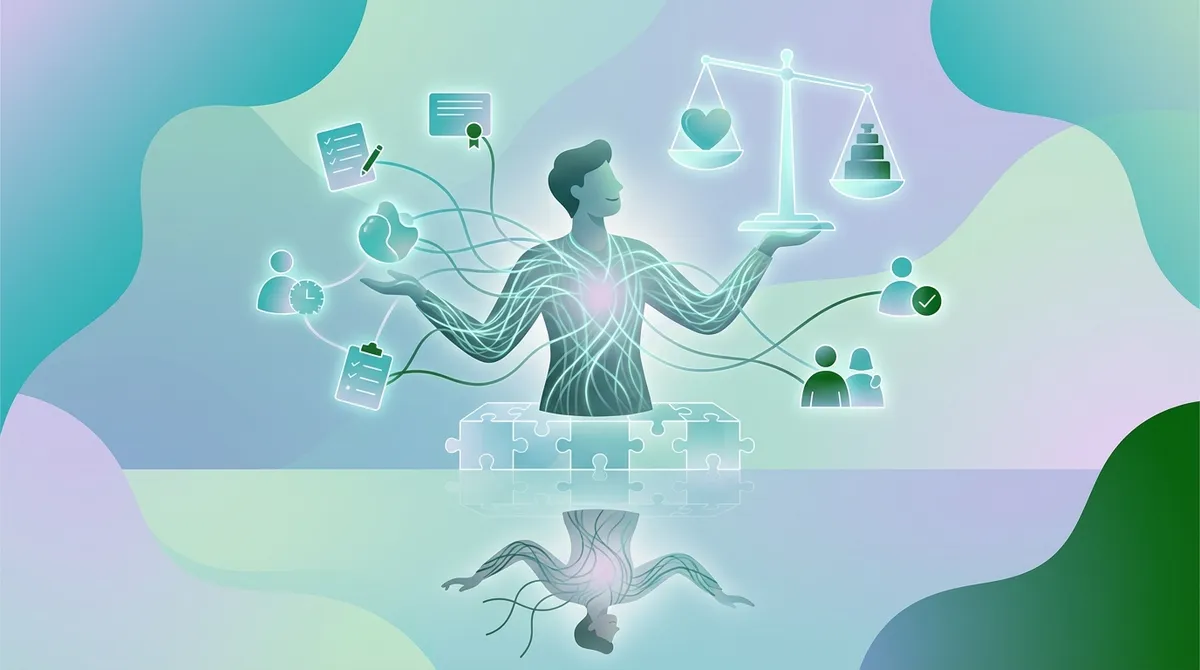
Do you feel most valuable when someone needs you? Does your sense of purpose come from helping, fixing, or rescuing others? This is a core feature of codependency. Your identity becomes wrapped up in being the helper, the problem-solver, the one who holds everything together.
The challenge with this pattern is that you might unconsciously seek out people who need help or stay in situations where you’re needed. If someone starts doing better and needs you less, you might feel anxious or worthless. This can actually prevent both you and the other person from growing and becoming more independent.
Research shows that people with codependent patterns often have low self-esteem at their core. They don’t feel inherently valuable just for being themselves. Instead, they need external validation through being needed or appreciated for what they do for others.
Sign #3: You Have Poor or Unclear Boundaries
Boundaries are like invisible lines that define where you end and another person begins. They help you protect your time, energy, emotions, and physical space. In codependent relationships, these boundaries are often weak, unclear, or nonexistent.
You might have trouble saying no without feeling guilty. Perhaps you share too much personal information too quickly, or you take on other people’s emotions as if they were your own. When someone you care about is upset, you feel responsible for fixing it. If they’re happy, you feel happy. Their mood dictates your entire emotional state.
Setting boundaries might feel mean or selfish to you. You might worry that establishing limits will hurt the relationship or make someone angry. But here’s the truth: healthy boundaries actually strengthen relationships. They create clarity, respect, and space for both people to be themselves.
| Healthy Boundaries | Codependent Boundaries |
|---|---|
| Saying no when needed | Always saying yes to avoid conflict |
| Having separate interests and friends | Giving up your own social life |
| Allowing others to face consequences | Protecting others from their choices |
| Maintaining your own values | Changing yourself to please others |
Sign #4: You Try to Control or Fix Others
This might seem surprising, but codependency often involves a strong need for control. You might offer unsolicited advice, try to manage other people’s problems, or feel anxious when things don’t go according to your plan. This control comes from fear, not from a desire to be bossy.
You might think, “If I can just fix this person or this situation, everything will be okay.” So you work overtime trying to control outcomes, anticipate problems, and prevent anything bad from happening. You might even make excuses for someone’s harmful behavior or clean up their messes repeatedly.
The painful truth is that you can’t control or fix another person. Everyone has their own journey and their own choices to make. When you try to control others, it usually creates more conflict and pushes people away. It also keeps the other person from developing their own problem-solving skills and taking responsibility for their life. According to Mental Health Links, recognizing these patterns is crucial for personal growth.
Sign #5: You Fear Rejection and Abandonment
Deep down, many people with codependent patterns carry an intense fear of being rejected or abandoned. This fear drives much of the people-pleasing, self-sacrifice, and boundary issues we’ve discussed. You might stay in unhealthy relationships because being alone feels terrifying.
This fear often comes from early experiences where love felt conditional or unpredictable. Maybe you learned that you had to be “good enough” or do certain things to earn affection. As an adult, you might constantly worry that people will leave if you’re not perfect or if you show your true self.
This fear can make you:
- Agree with people even when you disagree
- Avoid expressing your true feelings
- Stay in harmful situations
- Feel panicked when someone seems distant
- Constantly seek reassurance that you’re loved
Working through these fears often requires professional support. At West Florida Therapy, Margaret Deuerlein helps individuals understand the roots of these fears and develop healthier ways of relating to others.
Sign #6: You Have Difficulty Identifying Your Own Feelings
When you’ve spent years focused on others, something strange can happen. You might lose touch with your own emotions. Someone asks, “How do you feel?” and you honestly don’t know. Or you immediately think about how someone else feels instead of checking in with yourself.
Codependency often involves shutting down your own emotional experience. You might have learned that your feelings weren’t important, or that expressing them caused problems. So you stuffed them down, ignored them, or just stopped noticing them altogether.
This disconnection from your emotions creates real problems. Feelings are important signals that tell you what you need and what’s working in your life. Without access to these signals, you can’t make good decisions for yourself. You might feel numb, confused, or like you’re just going through the motions of life without really living.
Sign #7: You Stay in Relationships That Hurt You
Perhaps one of the most painful signs of codependency is staying in relationships that cause you harm. You might recognize that a relationship is unhealthy, but you can’t seem to leave. You make excuses for the other person’s behavior, minimize the damage, or hold onto hope that things will change if you just try harder.
This pattern is sometimes called “enabling,” though that word can feel harsh. Essentially, by staying and continuing to help, you might actually make it easier for the other person to avoid facing consequences or making changes. You both get stuck in a painful cycle.
Studies consistently show that codependency is strongly linked to family dysfunction, including situations involving substance abuse or mental health challenges. If you grew up seeing unhealthy relationships, you might not recognize red flags or know what healthy love looks like. For support with relationship challenges, couples therapy can provide valuable guidance.
Sign #8: You Feel Responsible for Other People’s Happiness
Do you feel like it’s your job to keep everyone around you happy? When someone is upset, do you immediately think, “What did I do wrong?” or “How can I fix this?” This sense of over-responsibility is a hallmark of codependency.
The reality is that each person is responsible for their own happiness. You can support others, but you can’t make them happy. When you try to take on this impossible task, you set yourself up for constant failure and exhaustion. You can’t control how others feel or what they choose to do.
This pattern creates several problems:
- You neglect your own well-being while trying to manage others’ emotions
- You prevent others from developing their own coping skills
- You carry stress and guilt that isn’t yours to carry
- You create resentment when your efforts don’t “work”
Learning that you’re only responsible for your own feelings and actions can be incredibly freeing. It doesn’t mean you stop caring about others. It means you recognize appropriate limits to your role in their lives.
Sign #9: You Use Helping Others to Avoid Your Own Problems
Sometimes codependency serves as a distraction from your own issues. When you’re busy solving everyone else’s problems, you don’t have to face your own pain, challenges, or unmet needs. Focusing on others becomes a way to avoid dealing with yourself.
You might also use your role as helper to feel superior or in control when other parts of your life feel chaotic. Being the “strong one” or the “helper” can become an identity that shields you from vulnerability and genuine connection.
According to Substance Abuse & Mental Health resources, addressing underlying issues is essential for breaking codependent patterns. True healing requires looking at your own life honestly, including parts that feel uncomfortable or painful.
Breaking Free From Codependent Patterns
The good news is that codependency is a learned behavior, which means you can learn new ways of relating. Change takes time and effort, but it’s absolutely possible. Here are some starting points for building healthier relationship patterns:
Start with awareness. You’ve already taken this step by reading this article. Notice when codependent patterns show up in your life. Pay attention without judging yourself harshly.
Practice setting small boundaries. You don’t have to make huge changes overnight. Start small. Say no to one thing this week. Take an hour for yourself. Express a preference when someone asks your opinion.
Reconnect with yourself. Spend time alone. Journal about your feelings. Explore hobbies you enjoy. Ask yourself, “What do I want?” and actually listen to the answer.
Seek support. Therapy can be incredibly helpful for understanding and changing codependent patterns. Support groups like Codependents Anonymous (CoDA) offer community and shared experience. The 12-step framework used by CoDA begins with acknowledging being “powerless over others” and that “our lives had become unmanageable,” which reflects the common experience of those struggling with codependency.
Learn about healthy relationships. If you didn’t see healthy relationship models growing up, you might need to learn what they look like. Read books, take workshops, or work with a therapist who can help you understand balanced, respectful connections. Resources from the CDC’s Mental Health Resources can provide additional information and support.
| Codependent Behavior | Healthier Alternative |
|---|---|
| Taking responsibility for others’ feelings | Offering empathy while allowing others to manage their emotions |
| Giving advice when not asked | Listening without trying to fix |
| Making excuses for harmful behavior | Allowing natural consequences |
| Changing yourself to please others | Being authentic and accepting that not everyone will approve |
| Feeling guilty for self-care | Recognizing that caring for yourself helps you care for others better |
How Therapy Can Help With Codependency
Professional therapy offers powerful tools for overcoming codependent patterns. A skilled therapist can help you understand where these patterns came from, identify them in your current relationships, and develop healthier ways of connecting with others.
Therapy approaches that work well for codependency include trauma-informed therapy (since codependency often has roots in childhood experiences), cognitive-behavioral therapy (which helps change thought patterns), and relational therapy (which focuses on how you connect with others).
In therapy, you’ll work on building self-esteem that doesn’t depend on others, developing clear boundaries, learning to identify and express your emotions, and creating relationships based on mutual respect rather than neediness or control.
Margaret Deuerlein at West Florida Therapy understands the complex nature of codependency and offers compassionate support for individuals working through these challenges. Whether you prefer in-person sessions or virtual therapy, help is available throughout Florida. Services are also available in both English and Spanish, making support accessible to more people.
Moving Toward Healthier Relationships
Breaking free from codependency doesn’t mean becoming cold or independent to the point of isolation. It means finding balance. It means learning to be genuinely interdependent, where both people can rely on each other while maintaining their own sense of self.
Healthy relationships include mutual support, clear communication, respect for boundaries, shared responsibility, and the freedom to be yourself. Both people should feel valued for who they are, not just for what they do for the other person.
The journey from codependency to healthy interdependence isn’t always easy. You might feel selfish at first when you start prioritizing your needs. People who benefited from your codependent patterns might not like your changes. Some relationships might even end as you become healthier. But what you gain is far more valuable: authentic connections, self-respect, and a life that truly belongs to you.
Remember, asking for help is a sign of strength, not weakness. If the signs discussed in this article feel familiar, consider reaching out for support. You deserve relationships where you can be yourself, where your needs matter, and where love doesn’t require you to lose yourself. Reach out to West Florida Therapy to begin your journey toward healthier, more balanced relationships.
You can also visit us on Google to learn more about how we’ve helped others navigate these challenges and read reviews from people who have found support and healing.
Your well-being matters. Your feelings matter. You matter, not because of what you do for others, but simply because you exist. That’s the foundation for building a life and relationships that truly nourish you.
FAQs
Q: What is the main difference between codependency and just being a caring person?
A: Being caring means supporting others while maintaining your own identity and boundaries. Codependency means your sense of self becomes wrapped up in another person to the point where you lose track of your own needs, feelings, and goals. In healthy caring, there’s balance and mutual respect. In codependency, the relationship becomes one-sided and unhealthy for both people.
Q: Can codependency be healed, or is it a permanent condition?
A: Absolutely, codependency can be healed! Since it’s a learned behavior pattern rather than a permanent condition, you can learn new, healthier ways of relating to others. With therapy, self-awareness, and practice, people successfully overcome codependent patterns and build balanced, fulfilling relationships. Change takes time and effort, but it’s definitely possible.
Q: How does growing up in a dysfunctional family lead to codependency in adulthood?
A: Children in chaotic or dysfunctional homes often learn to focus on others’ needs as a survival strategy. They might take care of a parent with addiction, try to keep peace during conflict, or suppress their own needs to avoid making things worse. These childhood coping mechanisms become automatic patterns that continue into adult relationships, even when they’re no longer necessary or helpful.
Q: Is codependency only a problem in romantic relationships?
A: No, codependency can show up in any type of relationship including friendships, parent-child relationships, workplace connections, and family dynamics. Wherever you have patterns of over-functioning for others, poor boundaries, and losing yourself in someone else’s needs, codependency can develop. The signs and struggles are similar regardless of the relationship type.
Q: What’s the first step I should take if I recognize codependent patterns in myself?
A: The first step is simply awareness, which you’ve already begun by recognizing these patterns. From there, start small by noticing when codependent behaviors show up without judging yourself harshly. Consider reaching out to a therapist who understands codependency, as professional support makes the healing process much easier. You might also explore support groups like Codependents Anonymous for community and shared experience.