
Key Takeaways
-
Individual therapy in Brandon offers personalized treatment plans tailored to your unique mental health needs and challenges.
-
Therapists provide a confidential, non-judgmental space for processing emotions and developing practical coping skills.
-
Evidence-based techniques like CBT and DBT help adults effectively manage anxiety, depression, and life transitions.
-
Brandon offers quick access to mental health care with flexible in-person and virtual therapy options.
-
Qualified therapists with professional credentials ensure high-quality, ethical mental health support for adults.
Finding the right support for your mental health journey can feel overwhelming, especially when you’re navigating life’s challenges alone. In Brandon, Florida, individual therapy for adults offers a personalized path toward emotional wellness, helping you develop coping skills, process difficult experiences, and build a stronger sense of self. Whether you’re dealing with anxiety, depression, relationship struggles, or simply feeling stuck in life, working with a qualified therapist creates a safe space where you can explore your thoughts and feelings without judgment. Professional therapy services in Brandon provide evidence-based approaches tailored to your unique needs, helping you move forward with confidence and clarity. With convenient options for both in-person and virtual sessions, adults across Brandon and throughout Florida can access the support they deserve. Let’s explore seven powerful ways individual therapy can transform your life and help you thrive.
1. Personalized Treatment Plans Address Your Specific Concerns
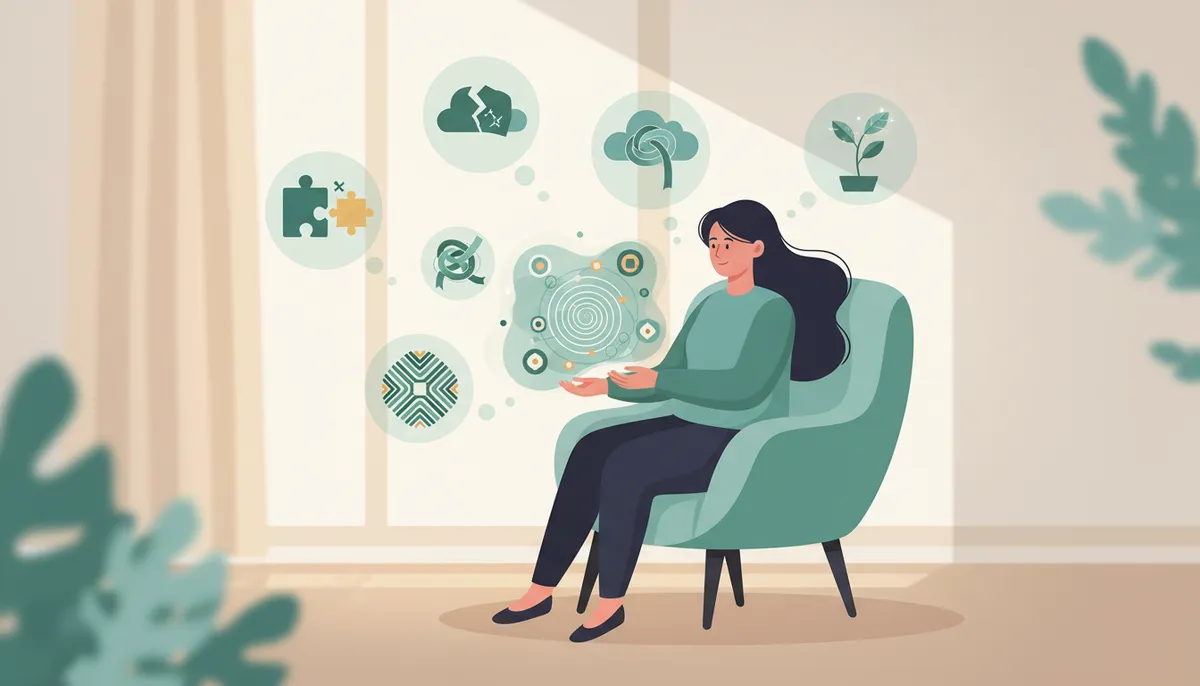
One of the greatest advantages of individual therapy for adults in Brandon is the customized approach therapists use to meet your unique needs. Unlike group settings or generic self-help resources, your therapy sessions focus entirely on you. Margaret Deuerlein and other skilled therapists in the Brandon area take time to understand your personal history, current challenges, and future goals. This personalized attention allows them to create treatment plans that directly address what matters most to you.
Common issues adults seek therapy for include:
- Anxiety and panic attacks that interfere with daily functioning
- Depression and persistent low mood affecting work and relationships
- Trauma from past experiences that still impacts present life
- Life transitions like career changes, divorce, or grief
- Mood disorders requiring specialized therapeutic approaches
- ADHD management and emotional regulation challenges
Therapists utilize evidence-based modalities such as Cognitive Behavioral Therapy (CBT), Dialectical Behavior Therapy (DBT), and trauma-informed care. These approaches are proven effective through research and clinical practice. Your therapist will adjust techniques based on your progress and feedback, ensuring the treatment evolves with your needs. This flexibility makes therapy much more effective than one-size-fits-all solutions.
Bilingual Services Break Down Language Barriers
For Spanish-speaking adults in Brandon, accessing mental health care in your native language removes a significant obstacle. West Florida Therapy offers bilingual services in English and Spanish, ensuring you can express yourself fully and comfortably. When discussing sensitive emotional topics, speaking in your preferred language helps you communicate more effectively and build stronger therapeutic relationships. Research shows that therapy conducted in a client’s primary language leads to better outcomes and deeper understanding.
2. Safe Space for Processing Difficult Emotions
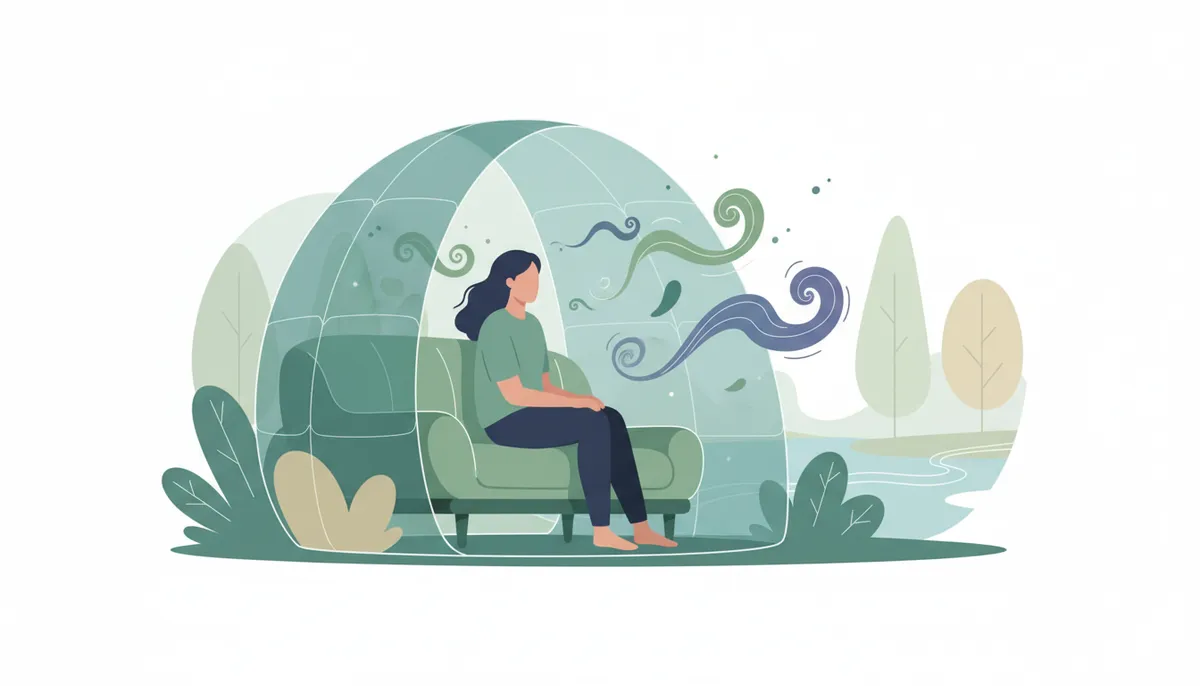
Life throws challenges at us constantly, and sometimes we need a dedicated space to work through complex feelings. Individual therapy provides exactly that—a confidential environment where you can express yourself openly without fear of judgment or criticism. Many adults struggle silently with emotions they feel they cannot share with friends or family. Perhaps you worry about burdening loved ones, or maybe you fear their reactions to your thoughts and feelings.
Your therapy sessions become a sanctuary where:
- You can speak honestly about your experiences and emotions
- Your therapist validates your feelings while helping you gain perspective
- You learn to identify patterns in your thoughts and behaviors
- You practice expressing difficult emotions in healthy ways
- You develop self-compassion and understanding toward yourself
According to the CDC’s mental health resources, having a supportive therapeutic relationship significantly improves emotional well-being. Your therapist serves as an objective listener who offers professional insights without personal agendas. This objectivity helps you see situations more clearly and make decisions aligned with your values and goals.
Building Emotional Awareness and Intelligence
Through regular therapy sessions, you develop greater emotional awareness—the ability to recognize and name what you’re feeling. This skill might sound simple, but many adults struggle to identify their emotions beyond basic categories like “good” or “bad.” Your therapist helps you build a rich emotional vocabulary and understand how feelings connect to thoughts and behaviors. This awareness becomes a powerful tool for managing stress and making conscious choices rather than reacting impulsively.
3. Evidence-Based Techniques That Actually Work
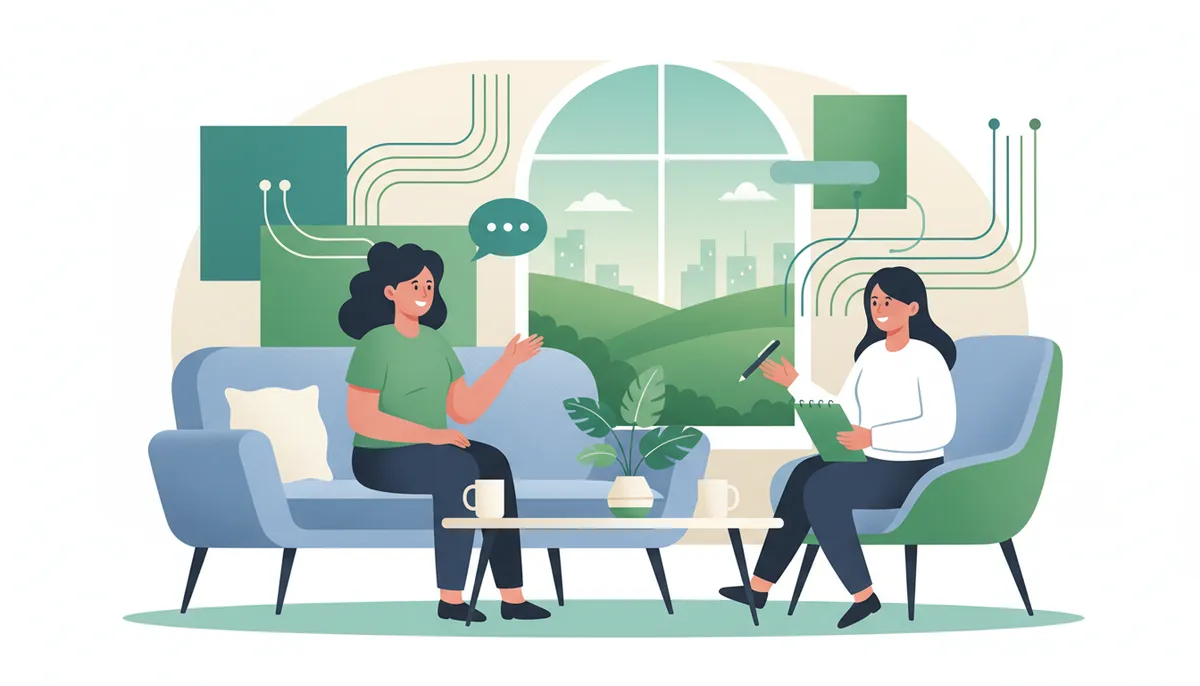
Individual therapy in Brandon isn’t just about talking—it involves learning practical tools and techniques backed by scientific research. Therapists stay current with the latest developments in mental health treatment to provide you with strategies proven to create lasting change. These evidence-based approaches have been tested through rigorous research and shown to help adults overcome various mental health challenges.
| Therapy Approach | Best For | Key Benefits |
|---|---|---|
| Cognitive Behavioral Therapy (CBT) | Anxiety, depression, negative thinking | Changes thought patterns, reduces symptoms quickly |
| Dialectical Behavior Therapy (DBT) | Emotional regulation, mood issues, relationships | Builds distress tolerance, mindfulness skills |
| Trauma-Informed Care | PTSD, past trauma, trust issues | Safe processing, reduces trauma symptoms |
| Solution-Focused Therapy | Life transitions, goal setting | Fast results, focuses on strengths |
| Acceptance and Commitment Therapy (ACT) | Chronic stress, life meaning | Increases psychological flexibility |
These therapeutic approaches give you concrete skills you can use between sessions. For example, CBT teaches you to identify and challenge distorted thinking patterns that contribute to anxiety or depression. DBT provides mindfulness exercises and emotional regulation strategies you can practice daily. Your therapist assigns homework and activities that reinforce what you learn during sessions, helping new skills become habits.
Measuring Progress and Adjusting Strategies
Good therapy involves regular assessment of your progress. Your therapist tracks improvements in your symptoms and overall functioning. If a particular approach isn’t working well, they adjust the treatment plan. This flexibility ensures you’re always working with methods that suit your learning style and address your current needs. According to resources from the Florida Department of Health, evidence-based practices lead to better outcomes and higher client satisfaction in mental health treatment.
4. Quick Access to Care When You Need It Most
Mental health challenges don’t follow a convenient schedule, and waiting weeks or months for help can feel impossible when you’re struggling. The good news is that many therapy practices in Brandon offer appointments within one week, recognizing the importance of timely intervention. Bay Area Behavioral Services, for instance, has over 40 therapists across their Brandon locations, making it easier to find availability that works with your schedule.
Benefits of quick access to therapy include:
- Addressing problems before they escalate into crises
- Reducing suffering by getting help when you need it
- Building momentum in your healing journey early
- Preventing symptoms from interfering with work or relationships
- Feeling supported during acute stress periods
Brandon’s mental health community has grown significantly in recent years, with multiple clinics offering flexible scheduling options. You can choose between in-office sessions for face-to-face connection or virtual appointments through secure telehealth platforms. This flexibility proves especially valuable for adults with demanding work schedules, childcare responsibilities, or mobility challenges. Virtual therapy through platforms available across Florida means you can receive quality care without commuting.
Insurance and Affordability Considerations
Cost concerns often prevent adults from seeking therapy, but many Brandon providers accept major insurance plans including Aetna, Medicare, and Beacon. Before your first session, contact your insurance company to verify your mental health benefits and understand your copay or coinsurance amounts. Some therapists also offer sliding scale fees based on income, making therapy more accessible. Reach out to discuss your specific situation and explore payment options that work within your budget. Remember that investing in your mental health now can prevent more costly interventions later.
5. Professional Credentials Ensure Quality Care
When choosing individual therapy for adults in Brandon, understanding therapist credentials helps you find qualified professionals. Licensed therapists complete extensive education, supervised clinical hours, and pass rigorous examinations before earning their credentials. This training ensures they possess the knowledge and skills needed to provide effective, ethical treatment.
Common mental health credentials include:
- LMHC (Licensed Mental Health Counselor) – Masters-level training in counseling
- LCSW (Licensed Clinical Social Worker) – Masters in Social Work with clinical focus
- LP (Licensed Psychologist) – Doctoral degree in psychology
- RMHCI (Registered Mental Health Counselor Intern) – Training under supervision
- MSW (Master of Social Work) – Graduate-level social work education
Margaret Deuerlein brings professional expertise and genuine care to her work as a psychotherapist serving Brandon and surrounding areas. Her approach combines evidence-based techniques with warmth and understanding, creating an environment where adults feel comfortable exploring difficult topics. Whether you’re dealing with anxiety, depression, trauma, or life transitions, working with a qualified professional makes a significant difference in your outcomes.
Specialized Training for Specific Populations
Beyond basic credentials, many Brandon therapists pursue additional training to serve specific populations effectively. Some specialize in working with veterans, LGBTQIA+ individuals, first responders, or seniors—groups that face unique mental health challenges. This specialized knowledge allows therapists to understand your experiences more deeply and provide culturally competent care. When searching for a therapist, consider whether they have experience working with people who share similar backgrounds or challenges as you.
6. Comprehensive Treatment Without Medication Focus
Many adults seeking therapy appreciate that most counseling-focused practices in Brandon don’t prescribe medications. Instead, therapists concentrate on helping you develop psychological tools and coping strategies for managing your mental health. This approach appeals to people who prefer non-medication treatments or want to complement their psychiatric care with therapy. West Florida Therapy focuses on therapeutic interventions that empower you to understand yourself better and build lasting skills.
That said, therapy practices often collaborate with psychiatrists and physicians when medication might benefit your treatment. Your therapist can:
- Recognize when medication evaluation might be helpful
- Refer you to trusted prescribers in the Brandon area
- Coordinate care with your medical providers
- Monitor how medications affect your therapy progress
- Adjust therapeutic approaches based on your complete treatment plan
This collaborative model provides comprehensive support while respecting your preferences about medication. According to the Florida Department of Children and Families, integrated care that combines therapy with medical management when needed produces the best outcomes for adults with mental health conditions. You remain in control of your treatment decisions while benefiting from professional guidance.
Strength-Based and Client-Centered Philosophy
Modern therapy emphasizes your strengths and resilience rather than focusing solely on problems and deficits. Your therapist helps you identify resources you already possess and build upon them. This strength-based approach increases confidence and motivation while teaching you to recognize your own capacity for growth. Client-centered care means your goals and preferences guide the therapy process, not a rigid protocol imposed upon you.
7. Long-Term Skills for Sustained Well-Being
Perhaps the most valuable aspect of individual therapy is gaining skills that serve you long after sessions end. Unlike quick fixes that provide temporary relief, therapy equips you with tools you’ll use throughout your life. These skills help you navigate future challenges independently and maintain the progress you’ve made. Think of therapy as an investment in your long-term mental health rather than just a solution for current problems.
Lasting skills developed through therapy include:
- Emotional regulation techniques for managing intense feelings
- Communication skills that improve all your relationships
- Problem-solving strategies for addressing life challenges
- Self-awareness that guides better decision-making
- Stress management practices you can use anytime
- Boundary-setting abilities that protect your well-being
- Mindfulness practices that increase present-moment awareness
Your therapist provides psychoeducation—teaching you about how thoughts, emotions, and behaviors interact. This understanding demystifies your experiences and helps you recognize patterns. When you understand why you react certain ways, you gain power to choose different responses. Many adults report that even years after ending therapy, they still use techniques learned during sessions.
| Skill Category | Everyday Applications | Long-Term Benefits |
|---|---|---|
| Coping Strategies | Managing work stress, handling conflict | Reduced anxiety, better resilience |
| Emotional Intelligence | Understanding your reactions, empathy for others | Healthier relationships, self-awareness |
| Communication | Expressing needs, active listening | Deeper connections, less conflict |
| Mindfulness | Staying present, reducing rumination | Greater peace, decreased stress |
Preventing Future Mental Health Crises
The skills you develop in therapy serve a protective function against future mental health difficulties. When you recognize early warning signs of depression, anxiety, or other challenges, you can implement coping strategies before symptoms become severe. This proactive approach reduces the likelihood of experiencing full-blown mental health crises. Many adults find that occasional “maintenance” sessions help them stay on track even after completing intensive therapy.
Finding the Right Fit for Your Therapy Journey
Choosing a therapist is a personal decision, and finding someone you connect with makes all the difference. Most adults benefit from meeting with a few different therapists before committing to ongoing sessions. During initial consultations, pay attention to how comfortable you feel sharing with the therapist. Do they listen actively? Do you feel understood and respected? Trust your instincts about whether the therapeutic relationship feels right.
Questions to ask potential therapists include:
- What experience do you have treating my specific concerns?
- What therapeutic approaches do you typically use?
- How long do clients usually work with you?
- What can I expect from our sessions together?
- How do you measure progress in therapy?
- What happens if I feel therapy isn’t working for me?
Brandon offers diverse therapy options to match different preferences and needs. Some practices like LifeStance Health at 615 Oakfield Dr serve adults across various age ranges with multilingual capabilities. Others specialize in specific treatment modalities or populations. Take time exploring your options and don’t hesitate to ask questions. Your mental health deserves careful consideration and the right therapeutic partnership.
Virtual Therapy Expands Your Options
If you live in Brandon but travel frequently, work irregular hours, or simply prefer the convenience of home-based sessions, virtual therapy provides an excellent solution. Secure telehealth platforms allow you to meet with licensed therapists throughout Florida without geographic limitations. This flexibility has made mental health care more accessible to adults who previously faced barriers to treatment. Research shows that telehealth therapy produces outcomes comparable to in-person sessions for many mental health conditions.
Individual therapy for adults in Brandon represents a powerful commitment to your well-being and future. Whether you’re facing current challenges or want to grow as a person, therapy provides the support, tools, and insights needed for meaningful change. The therapists serving Brandon bring expertise, compassion, and dedication to helping you live a more fulfilling life. With convenient access, diverse treatment options, and proven approaches, there’s never been a better time to begin your therapy journey. Margaret Deuerlein and other skilled professionals in the area understand that taking the first step feels difficult, but that step leads to transformation and healing. Get in touch today to start your path toward greater emotional wellness and personal growth. You can also check out reviews on Google to learn more about how therapy has helped others in your community. Remember, seeking help isn’t a sign of weakness—it’s an act of courage and self-care that demonstrates your commitment to living your best life.
FAQs
Q: How much does individual therapy for adults cost in Brandon, Florida?
A: Therapy costs in Brandon vary based on the therapist’s credentials and whether you use insurance. Many providers accept major plans like Aetna, Medicare, and Beacon, with copays typically ranging from $20-50 per session. Out-of-pocket rates generally run $100-200 per session, though some therapists offer sliding scale fees based on income. It’s always best to contact providers directly to discuss your specific insurance coverage and payment options.
Q: Can I get same-week appointments for therapy in Brandon?
A: Yes, many Brandon therapy practices offer appointments within one week of your initial contact. With over 40 clinicians at some locations and growing mental health resources in the area, you typically don’t need to wait months for care. Availability varies by provider and time of year, so calling multiple practices increases your chances of finding prompt appointments that fit your schedule.
Q: What’s the difference between CBT and DBT therapy approaches?
A: Cognitive Behavioral Therapy (CBT) focuses primarily on identifying and changing negative thought patterns that contribute to emotional distress and problematic behaviors. Dialectical Behavior Therapy (DBT) builds on CBT principles but adds specific skills training in mindfulness, emotional regulation, distress tolerance, and interpersonal effectiveness. DBT works especially well for adults struggling with intense emotions or relationship challenges, while CBT excels at treating anxiety and depression.
Q: Is virtual therapy as effective as in-person sessions?
A: Research consistently shows that virtual therapy produces outcomes comparable to in-person treatment for most mental health conditions, including anxiety, depression, and trauma. The key factors for effectiveness are the therapeutic relationship and your commitment to the process, not the location. Virtual sessions offer convenience and accessibility while maintaining the same evidence-based approaches used in office visits. Many adults appreciate the flexibility of attending therapy from home without commuting.
Q: How do I know if I need individual therapy or couples therapy?
A: Individual therapy works best when you’re dealing with personal challenges like anxiety, depression, trauma, or self-esteem issues that affect your daily functioning. If relationship conflicts, communication problems, or intimacy concerns are your primary focus, couples therapy might be more appropriate. Many adults benefit from both—working on personal issues individually while addressing relationship dynamics with their partner. A therapist can help you determine the best approach during an initial consultation.